
- Genre: Action RPG
- Platform: PS5
- Also Available On: Windows, Xbox Series, Switch 2
My takeaway after playing this is that 2D Zelda can learn a lot about combat. This game doesn’t reach the same highs in dungeon design or puzzle design, but the combat is leagues above what 2D Zelda has done. That alone makes this worthy of consideration.
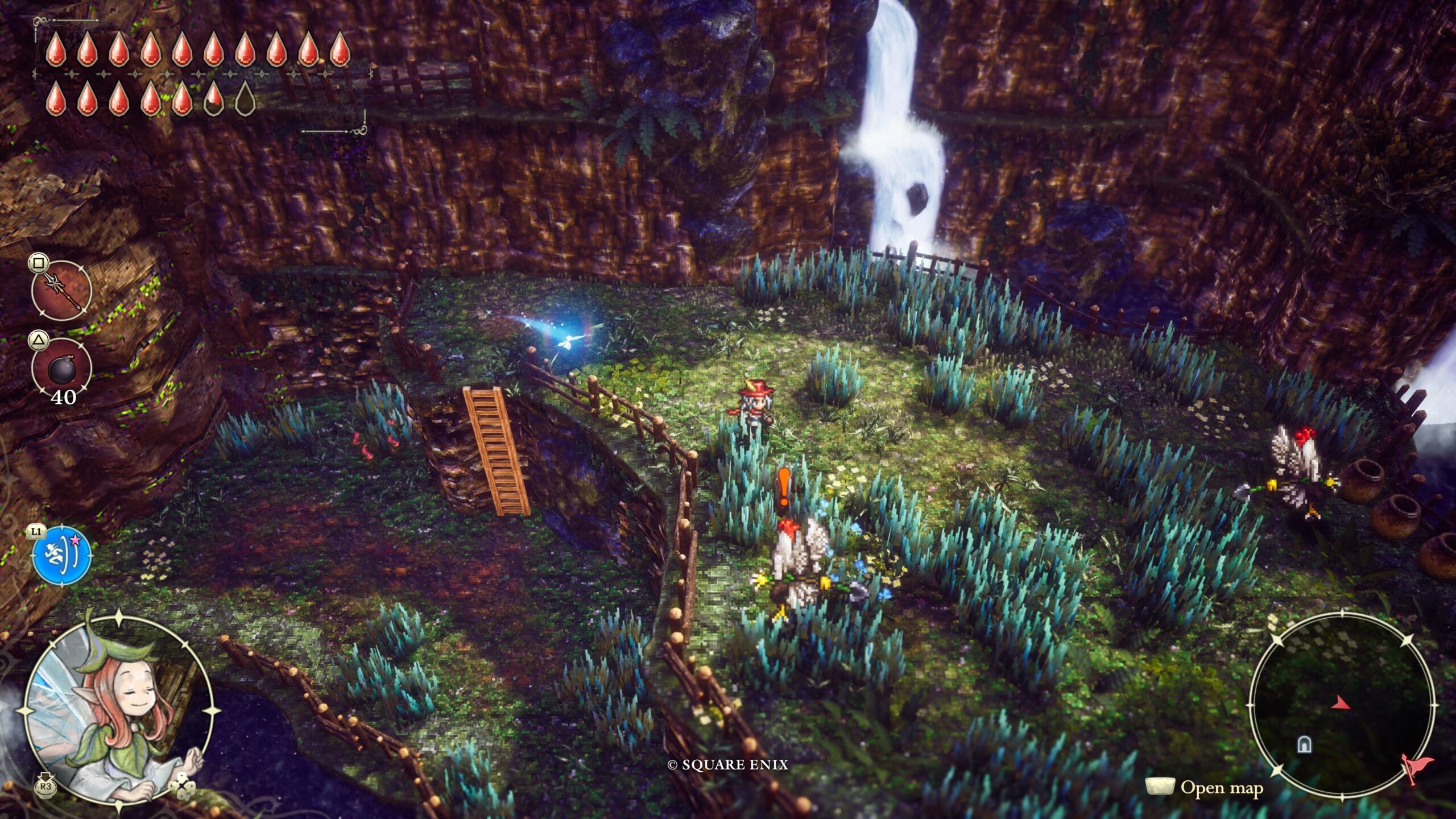
While it’s easy to pull in other action RPGs like Ys into the talks here, the Zelda games are much more obviously the target here. The dungeon layouts and combat pace are much more in line with Zelda games where everything is on a neat grid, attacks are singular instead of fighting-combo based, and particularly boss battles are focused on single screen experiences. In my head that puts it much more in line with games like Link’s Awakening than Ys.
Where Zelda always felt like it concentrated on tools and puzzles with combat largely being secondary, this feels the polar opposite. This is a game that concentrates on weapons the entire time. Some things that would traditionally be generally tools in Zelda like the bomb also appear here – and certainly have their traditional use to blow holes in walls – but are also generally weapon-forward as well. The more practical difference is that there is more than just a sword. This is a game that lives by giving you a bunch of weapons and letting you loose. There is a sword and it’s important to the story, but there’s also weapons like a spear or a sickle. The game provides the player with a bunch of options and then you just go and find which ones you like the best.
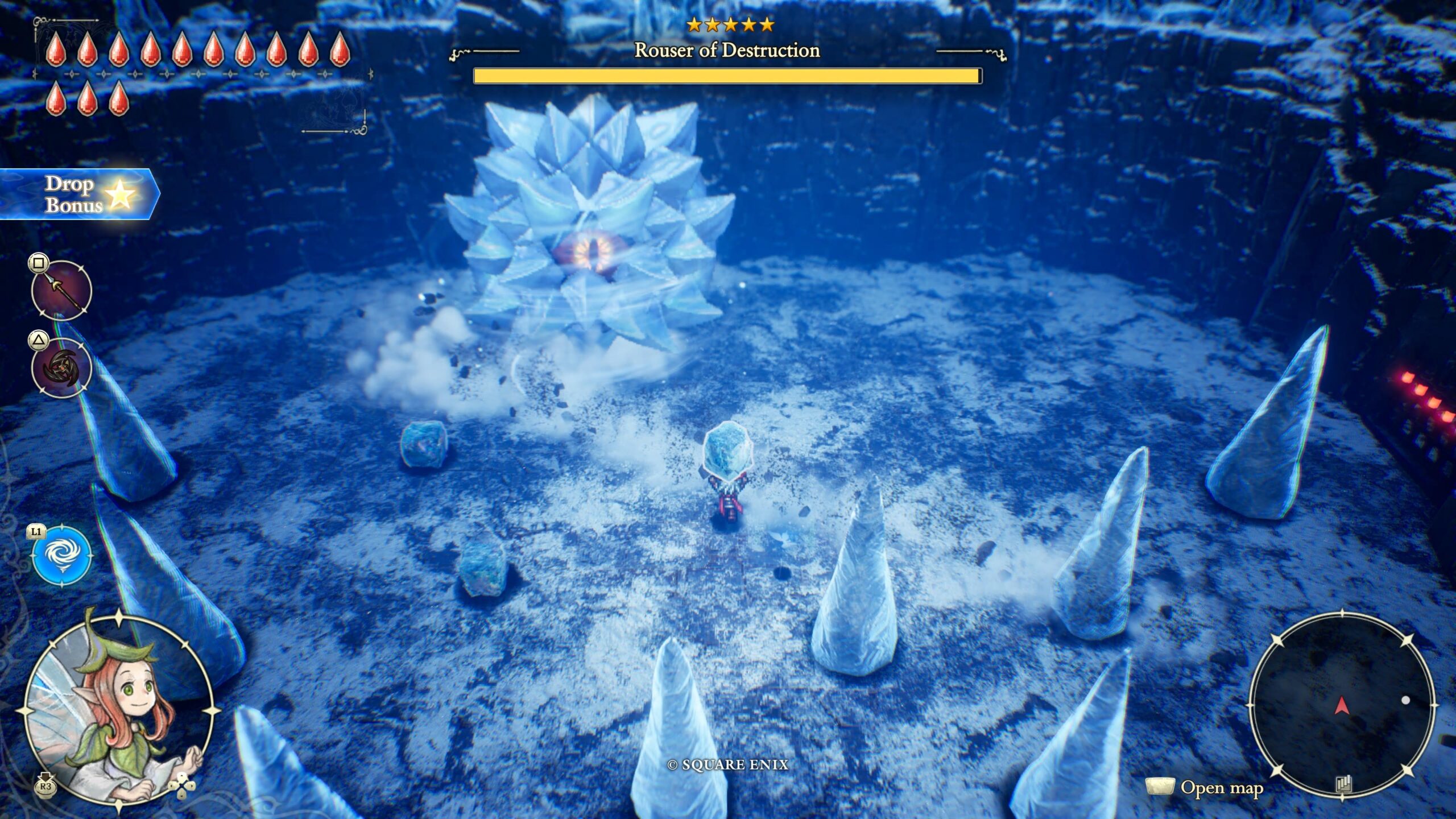
The weapons are backed by two things that are really important as distinct differences. The first is weapon charges. Zelda has its sword spin, but there’s more here. Each weapon has a core charge up ability to mirror Zelda. This then gets modified by each weapon upgrade to add additional stages of charge. Each charge ends up giving more power to the attacks or more range to a dash tied to the charge or something along those lines. This then extends to more modifications through the use of what the game calls Magicite, which are essentially modifiers added to weapons. Some are straight attack boosts, but others do more exotic things. The particular weapon I latched onto was the spear, which I then modified with Boar Rush that provided immunity while hitting a special attack, Three-Headed Dragon that split my attack into three providing more lateral range, and Magic Spear that provided an extra attack when I was at near full health. It’s this kind of flexibility that really brings a lot of life to what is often an overlooked part of gearing in Zelda.
It then extends to fights that are generally just better than 2D Zelda. The one thing I would say is obviously different here is that the bosses are much quicker to move and attack. It brings a sense of danger that really frankly isn’t present in a typical Zelda game. What it also does is bring pace. A lot of the boss fights were frankly quick to defeat, but not because they were easy. It was because I often had one of two choices – lay back and avoid attacks to play it safe or take incredibly stupid and risky chances to lay in full-charge special attacks and try to burst the boss down before it could kill me. I generally took the second choice, it was often a bad idea, it was incredibly fun.
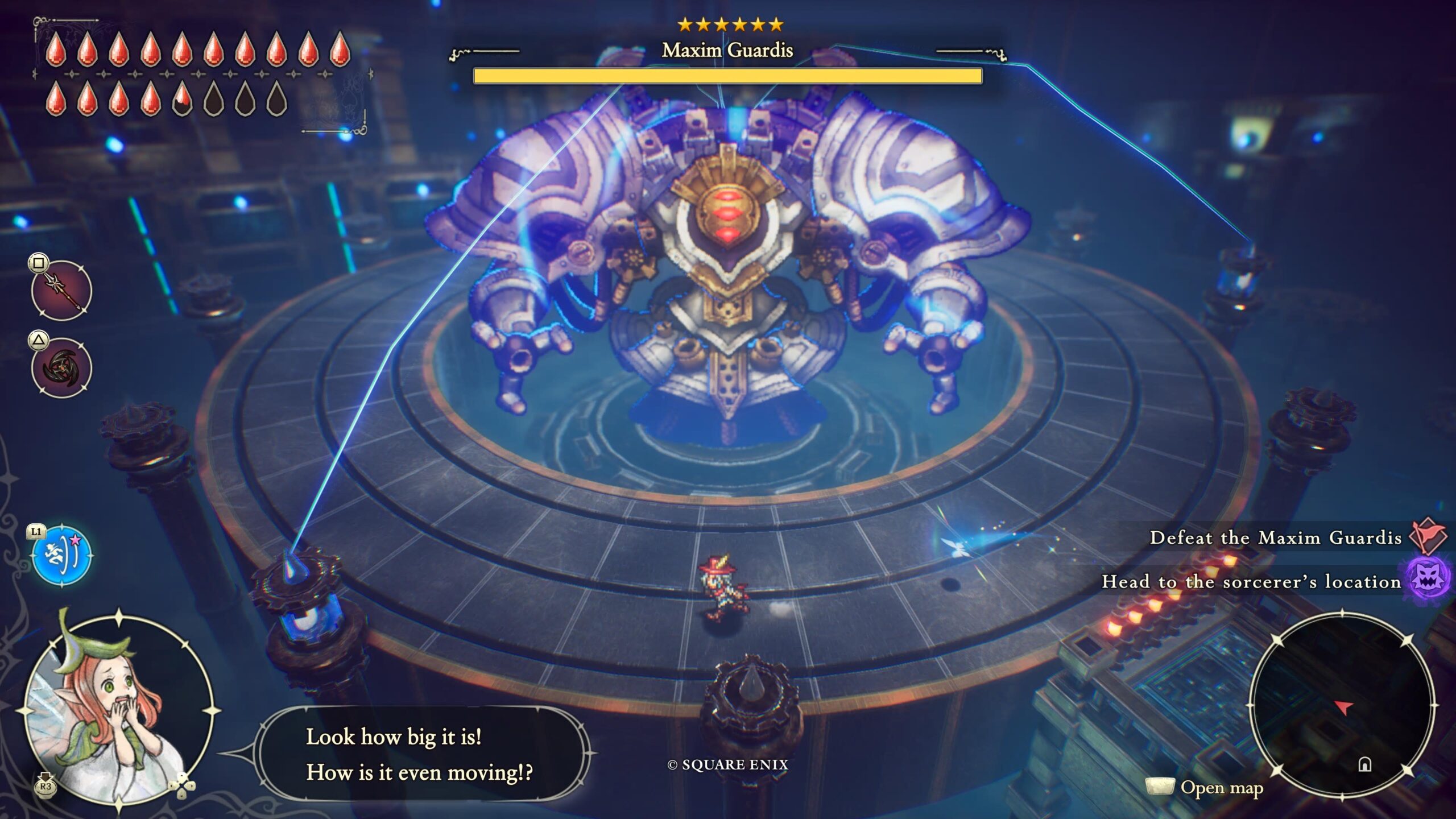
The flipside of this is that the focus on combat has reduced the complexity of the rest of the game. Some of that is admittedly good. Everything is quick and efficient to run through, and like the pace of combat being fast, the pace of traversal is fast. However, that does also mean that dungeons are generally pretty compact and don’t really have puzzles to solve. You kind of just follow the one path, which will generally loop back toward the entrance to open a shortcut and give you a key to move forward. The game does get some legs out of re-use of locations through the time travel mechanic, but besides the core city the changes tend to be pretty minimal from time period to time period. It’s effective as a story telling device, but not much beyond that.
Where they did get some points back on this was the time travel mechanic. The core conceit of the game is that you are travelling between different time periods of the same area over a millennium in the past. The major changes all occur within the core city of the game and its transition from a small village to a magic city to a destroyed city to a rebuilt kingdom. However, there’s little changes throughout the world as you play through each time period. It all ends up being familiar enough to quickly traverse through but introduces enough new elements to still feel like you’re discovering things. At times this can just be a weapon upgrade that is in a branch of a cave that is unlocked for a specific time period, but in others it ends up being a completely new way to traverse the world. It fairly smartly takes advantage of expanding the use of a smaller set of content while avoiding feeling stale. Again, that’s not unlike Zelda with Ocarina of Time or the Oracles games.
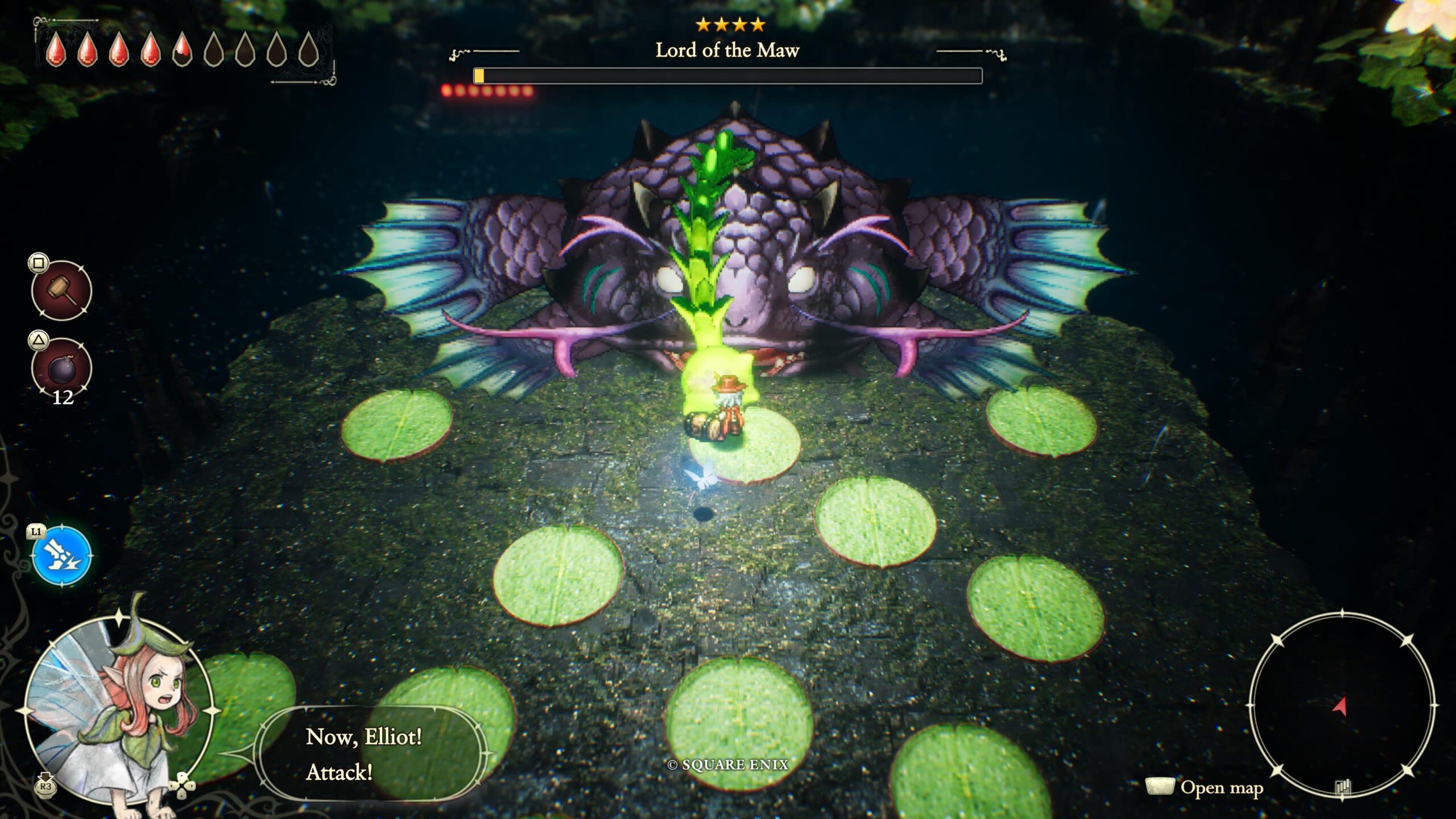
What I would ultimately land on is that this is every bit a great competitor to existing 2D action RPG franchises, and particularly focused toward Zelda. I don’t know that I think it surpasses things like the Link’s Awakening remake, but I also don’t think that one is necessarily a better game. What they provide are two very different takes on the genre with different focuses, and which one is deemed better is something I would expect to come down to preference of pace. What it is is a great example of a gameplay style that is not seen often enough and one that can certainly hold its own in the industry today.