Game Ramblings #213 – Star Wars Outlaws

More Info from Ubisoft

  • Genre: Action/Adventure
  • Platform: Xbox Series
  • Also Available On: PS5, Windows, Switch 2

Non-Jedi Star Wars games need what I would consider a mix of few things to succeed. They need to have you going up against weird aliens and imperials. They need you to be visiting strange alien planets and the cantinas in their towns. They need space flight of some sort, preferably with combat. To some extent they need callbacks to the movies to at least ground them within the universe. Those are important to the games being Star Wars, but it then has to prove itself as a good game and this one delivered.
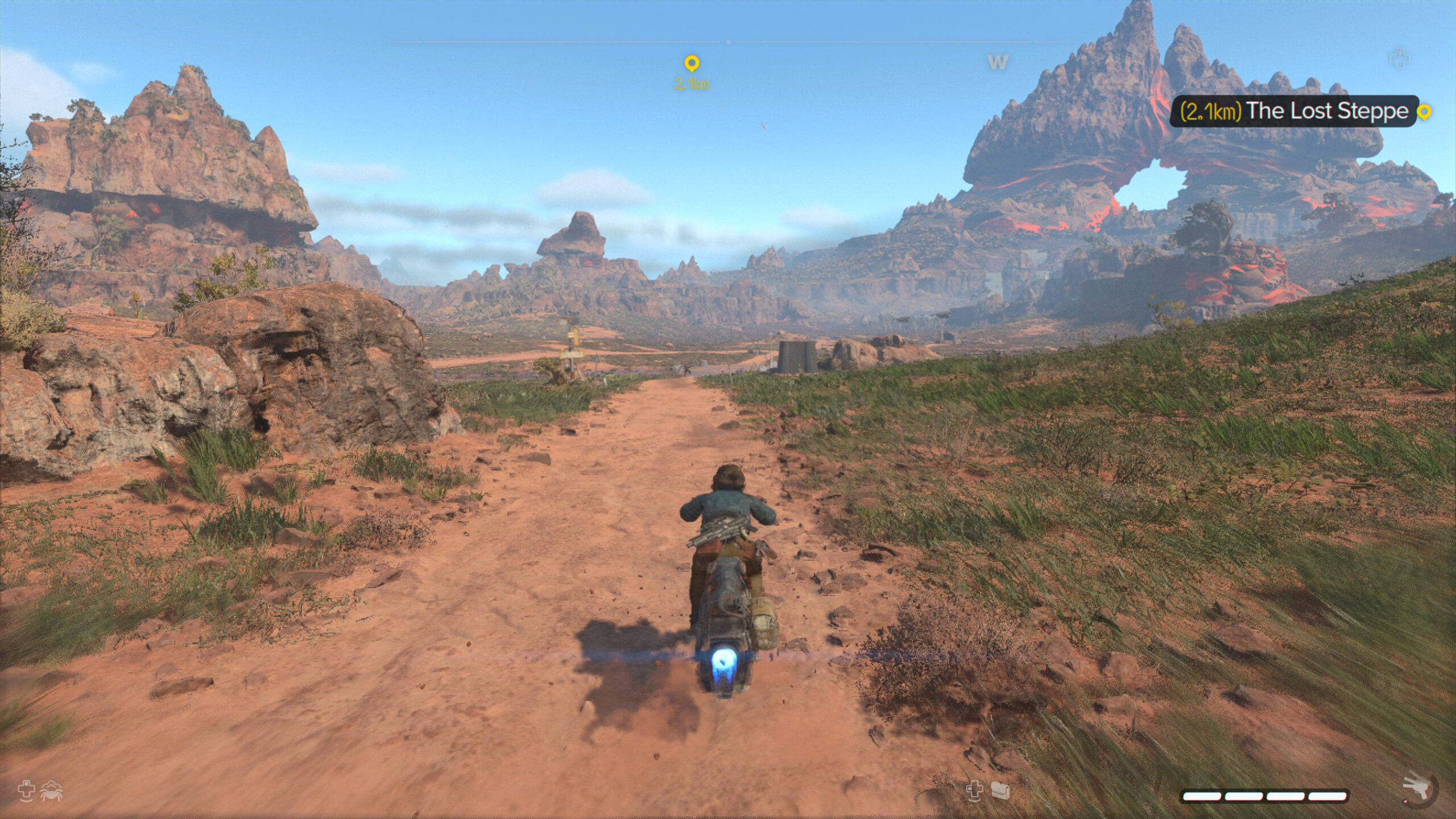
This fills the void that the lack of a recent Tomb Raider left me with. For me, the most recent trilogy in that series is a stealth and ranged game. Where a lot of games in the realm of Assassin’s Creed are stealth and melee, TR leaned on the bow for ranged. There is very little else that worked effectively in those two modes for me like TR, but this one does and it does it with a perfect Star Wars universe wrapping.

It might seem strange to consider this and Tomb Raider in the same general vicinity since ranged here is almost entirely blaster weapons, but my use of them was pretty similar. For any sort of large scenario I would go in intending to do it completely in stealth. The blasters bring a bunch of options to do ranged stuns that worked in a similar way to TR bow kills in that they are silent and effective. This would be paired with me sneaking around doing melee takedowns to get rid of as much of the enemy presence as possible. The stealth portion was a lot of fun and had elements to it that were relatively IP specific.
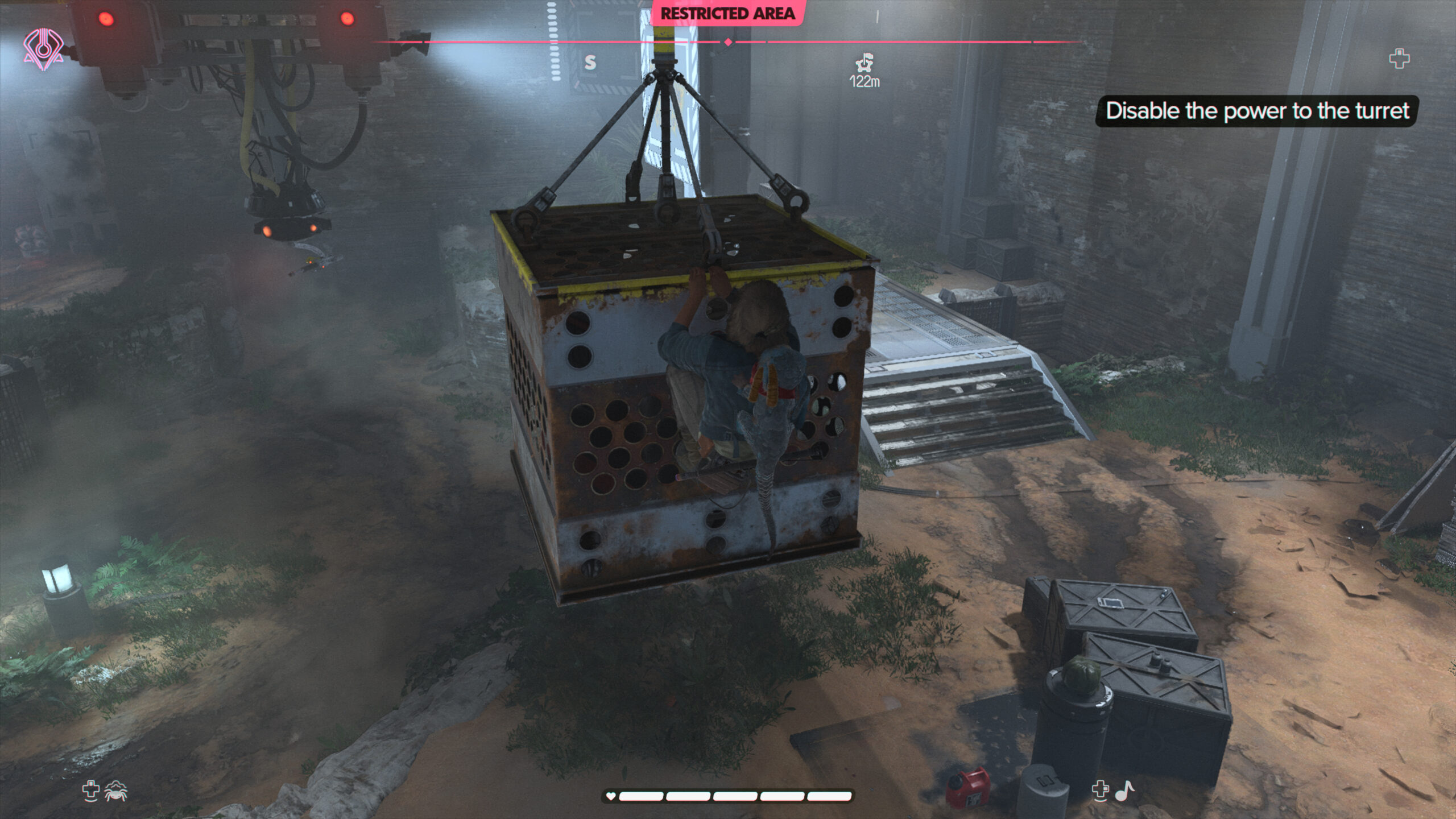
For example, there’s situations where you’ll be sneaking into an Imperial base, full of enemies, cameras, and turrets. You could approach this by taking everyone out and getting away through relatively brute force. You could also approach it by finding a computer to hack the turrets and turn them on the Imperials. You could also approach it by shutting down the cameras and finding safe paths through the base. You could also approach it by finding vents that can be unlocked and coming into your objective via a back route. While some of the story stuff is a little more singularly focused than that, there’s almost always multiple ways to approach a scenario, and that variety and ability to change tactics on the fly really gave a lot of life to the stealth gameplay in particular as it was always a little bit different based on the location you’re at.

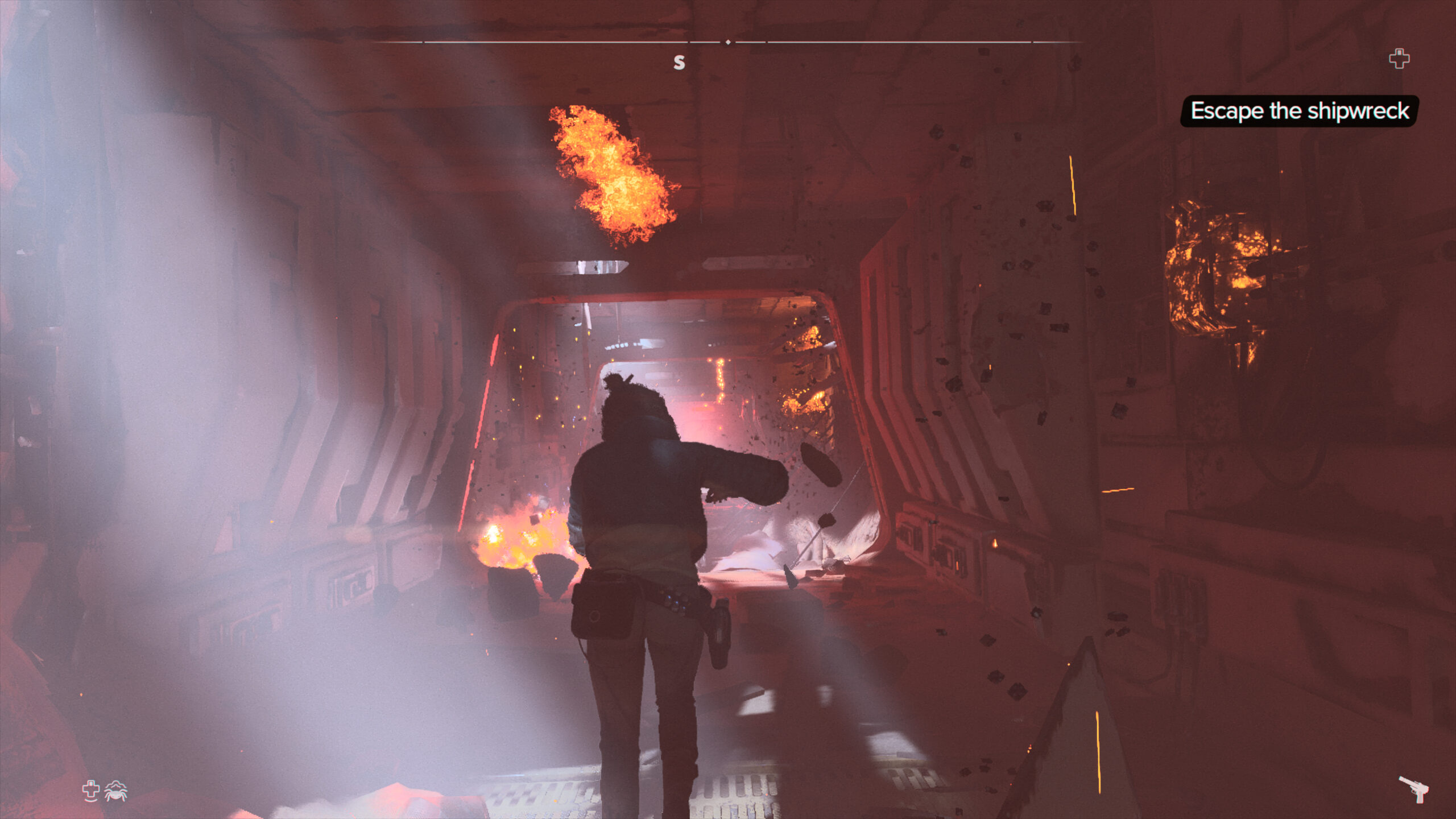
When I then inevitably screwed something up I could then lean on the blasters to do actual damage. Where this differs from the TR bow is that the blaster is much more of a third person shooter style weapon where kills are fast and effective. The toolbox here is a lot of chaotic fun when this does happen. Equipping shock damage to disable droids is obvious in-universe and a lot of fun. Shooting the wide array of explosive barrels conveniently placed in combat areas and watching bodies fly is the type of stupid physics thing that adds secondary fun to games like this.
However, it’s also got a really nice power curve and more granular customization than that. An example of the type of thing they have is three upgrade paths for the core plasma blaster. You can go into light firing, heavy firing, or rapid firing. This gives you three types of gameplay that fit different preference styles. Light is a semi auto that can be rapidly fired, but with lower damage. Rapid fire is a pray and spray auto fire that gives you more speed but less accuracy. Heavy firing gives you big damage but lower rate of fire and frequency of reloading. Giving the player the ability to bend combat to their preferences is a powerful way to get a lot of mileage out of small changes that don’t really require a lot of new work. It’s some basic tech and configuration to completely change the gameplay experience in a way that empowers the player to play their way.

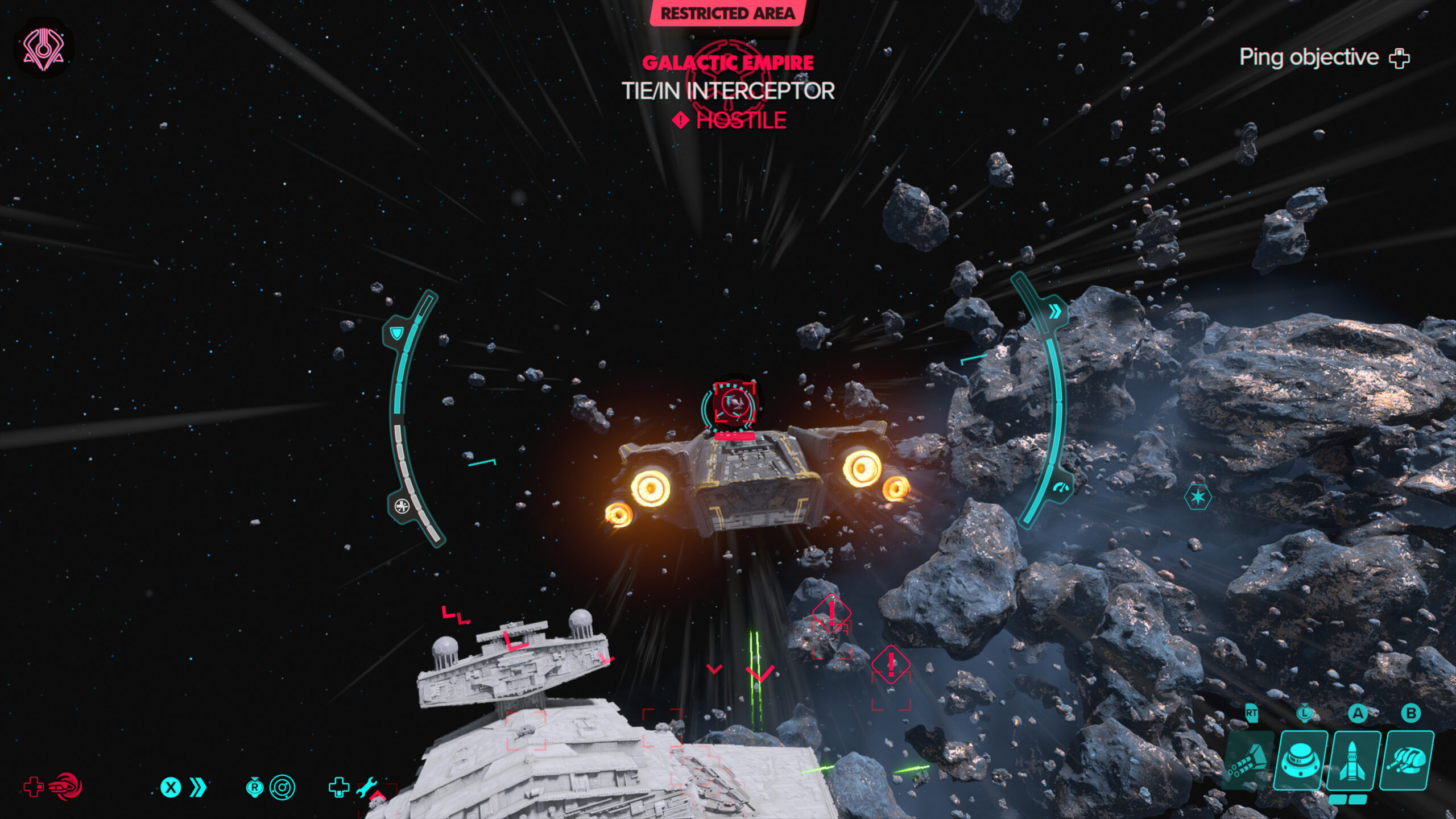
You may notice that this is all talking about moment to moment gameplay in what are essentially small places, but this is an open world game with space combat. Frankly, that’s because that stuff simply exists. The meta loop of this game is that it’s an Ubisoft game and it plays like an Ubisoft game. It’s a big ol open world with stuff scattered around that you can do, stuff scattered around that you can collect, and random event stuff that pops up. This extends to space combat where the same stuff happens, but now in a space ship with space combat. Like a lot of their games it’s not that it’s bad but it simply exists and works well, but it’s been done before. The meta loop is no different than Assassin’s Creed, Watch Dogs, or Immortals. Like a lot of AAA game meta loops, it’s all well put together and exists without getting in the way, but it was distinctly not the draw of the experience for me by the end of the game.
I’m not going to pretend that there isn’t some portion of me that likes this game because of the nostalgia of being able to work for Jabba or shoot Imperials or go visit Mos Eisley. That absolutely is a portion of the experience that enhances this game over the same loop without the license. However, this game absolutely stands out as a fun experience enhanced by the IP and how they could work that into gameplay mechanics. This takes bits and pieces that work within a stealth experience like Jabba and bounty hunting and blaster pistols and mashes it together into an experience that really surprised me.

Game Ramblings #183 – Prince of Persia: The Lost Crown

More Info from Ubisoft

  • Genre: Metroidvania
  • Platform: PS5
  • Also Available On: PS4, Xbox One, Xbox Series, Switch, PC, Luna

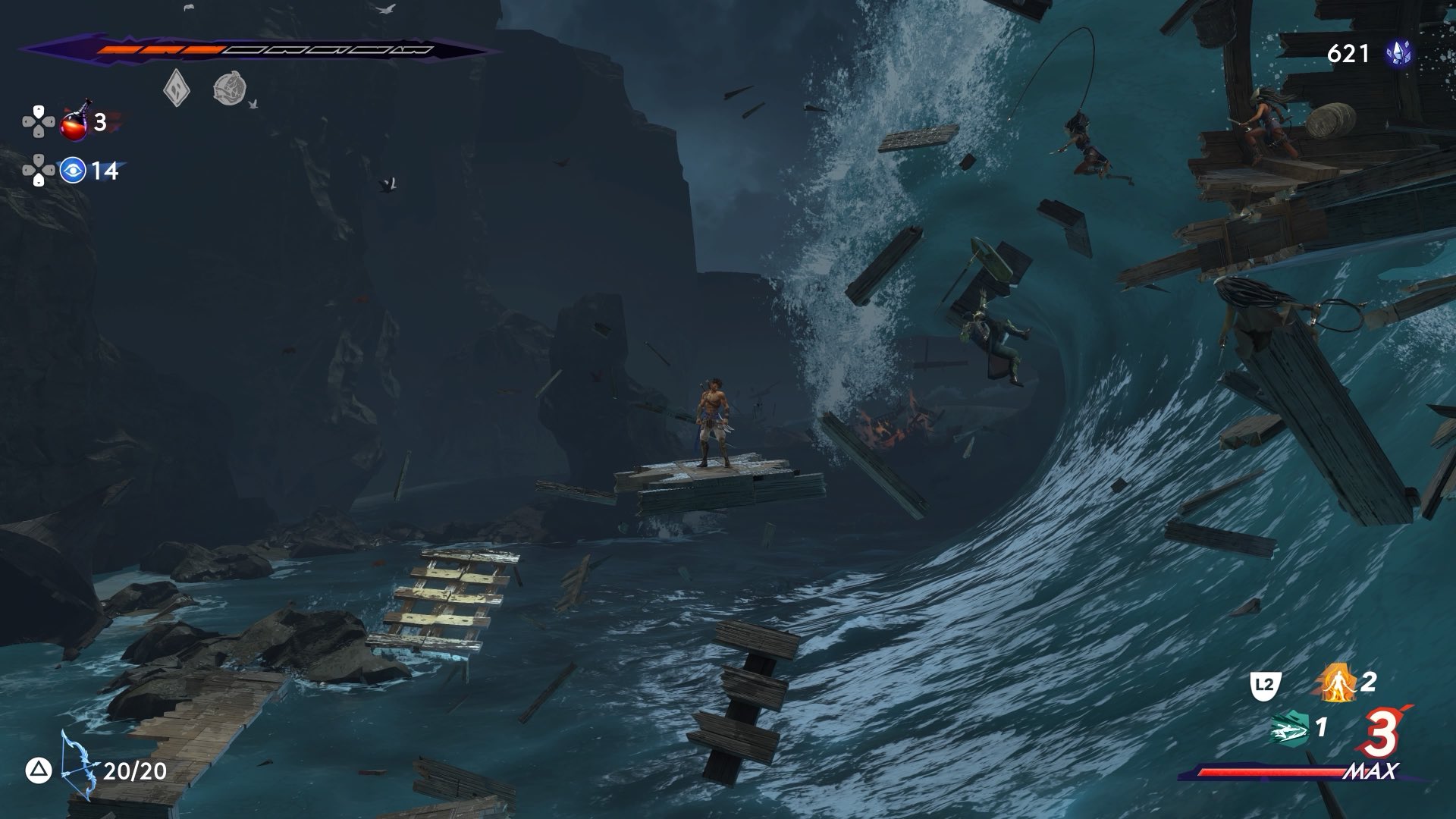
I wanted to say that this game was a huge surprise but given the fact that this was made by the studio behind the fantastic Rayman games of the last decade, I probably shouldn’t be surprised. This is a game that just nails so much of what make Metroidvanias something that I go after. It combines a great sense of that side of the platformer genre and mixes in some really gratifying melee combat to make an experience absolutely worth playing.

For me it was the little things that it did right that make this such a memorable thing as a Metroidvania.

On the traversal front it doesn’t simply have retraversal like most games in the genre. What it often instead does is have a little puzzle/platforming loop that ends with a door opening a shortcut for later use. It’s a level beyond the usual changes brought about by gaining new powers that I really found interesting. It made core paths and side paths really obvious and allowed me to focus on filling out the map in areas along the core path, with the knowledge that I very likely had completed an entire section of the map when it ended in a loop. These areas were also very well marked on the map, where the end of these loops were generally marked by a one-way door. It gets rid of the sort of missile door typical of Metroid games and makes it obvious that you will just unlock this area when you’re done and be good to go.

Speaking of the map, the game is both a little less automatic but also incredibly more flexible than recent Metroid titles that I’ve played. This game doesn’t really automatically place much in the way of iconography when traversing new areas. Yes, it will unveil the areas you walk through but beyond one-way doors you’re kind of on your own for placing icons. What it does have is a particularly good tool for doing so. Beyond manual placement of various icon types – which is greatly appreciated – it has a very specific thing you unlock early that lets you add screenshots to the map. These are hugely important to retraversal. See some weird looking area you can’t get into? Add a screenshot. Chest out of reach with your current set of tools? Add a screenshot. Suspicious door? Add a screenshot. What you end up doing is scattering the map with these things and as you come back later for various reasons, you can get a very obvious visual representation of your own past with the areas and be reminded of the specific thing you wanted to check later. It’s such a nice built-in note taking aspect that feels very natural in the genre.

The other thing I found really good was how well the traversal moves actually integrated into combat, keeping flow between the two really natural. For example, one of the early moves you get is a horizontal teleport. This has obvious uses to clear large gaps in traversal. However, they also start having you face enemies and bosses that encourage using the teleport as a dodge mechanic to get behind and break protections. A later upgrade is effectively a grapple hook, which is useful for grabbing onto spots in the world but is also useful for pulling enemies to you/pulling yourself to enemies at range. This is pretty universal for all mechanics. If it can be used for combat it likely has a traversal use and in practice it means you are constantly reinforcing mechanics at all times, allowing for the player to naturally fall in and out of combat in an engaging way.

However, the thing about combat that surprised me is that the game got significantly easier as the game went on. To some obvious extent this is the natural state of the power curve. You get more powers and more tools in your tool box, and things will get easier. However, to me it felt like the mechanics of enemies didn’t get more complex at the same rate as I was upgrading. Sure, I was gaining things like heals on parry that helped me out, but the bosses weren’t throwing out crazy amounts of new stuff causing me damage. Yes, I was gaining more effective dodging mechanics, but the bosses weren’t necessarily causing me to dodge more often. What it meant was that as the game was getting marginally harder I was getting significantly more powerful, and the most difficult bosses were really the ones near the start of the game when I didn’t have the tools to compete as well against the mechanics. By the end of the game I was having little difficulty, even accounting for the fact that I was getting naturally better as time went on.

I do want to also shout out the flexibility of options here, which admittedly does lead to the game potentially being easier. Early on I noticed that I was missing a lot of what I thought were parries that I was timing correctly. It didn’t really feel like I was missing them, so much as the game was eating my parry inputs – kind of a weird battle against inherent input and screen latency. I dug into the difficulty options and noticed that I could adjust the parry window independent of all other difficulty options. A little bit of extra flexibility here completely solved the problem for me. I didn’t necessarily want an “easier” experience, but one that matched my expectation of timing with what was happening on screen and I was able to fix the specific thing that was causing me issues. That level of granularity is something I really love to see in place because it lets the user tailor the experience to the specifics of both their play style and their play setup without needing to just globally make the game easy.

I’m pretty happy that this is the game that brought the Prince of Persia series back, rather than the seemingly doomed Sands of Time remake. I don’t necessarily have an issue with the 3D entries in the series, but this feels so much more like the natural extension of the original games. It expands upon the open platforming of the original and goes with a very good modern combat layer on top of it to end up in a place where the series now feels pulled into the modern day, without really sacrificing the original vision.

Game Ramblings #180 – Assassin’s Creed Mirage

More Info from Ubisoft

  • Genre: Action/Adventure
  • Platform: PS5
  • Also Available On: PS4, Xbox One, Xbox Series, PC

Is it weird to say that the thirteenth entry in a series feels like a breath of fresh air? This one absolutely does. If I look at the recent super open world AC entries I loved Origins, I liked Odyssey, and then Valhalla totally lost me. As the series got bigger it became less about stealth and more about RPG systems. The environments were impressive as hell, but they grew increasingly empty. The games just lost what made AC fun for me. In going smaller for Mirage, it feels like a return to form combined with iteration learned in the larger entries, leading to something that feels like a better version of where the series was going for the AC2 trilogy of titles.

To me, one-hit assassinations were essential to Assassin’s Creed. The open world titles starting with Origins did away with that. You could improve your gear and get skill upgrades to eventually get to that point in those games, but by the time Valhalla came around it was clear that they wanted to steer you into combat. My issue there is that the combat was ultimately not that great. One-on-one it worked pretty well, but as the target count increased it became increasingly annoying to deal with the timing of parries and dodges. Oddly enough, Mirage manages to kind of solve both problems.

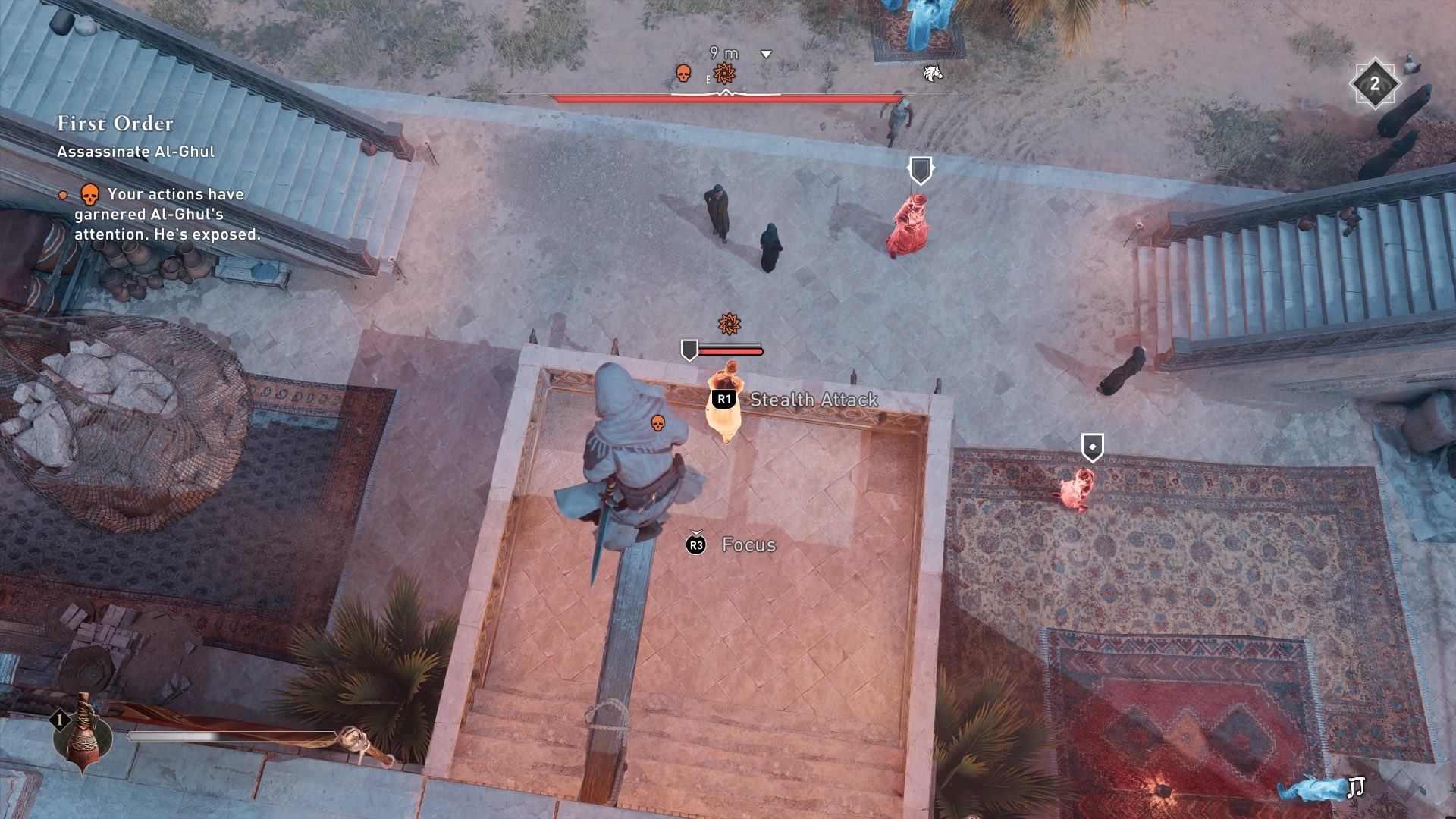
In the few situations where I did get into combat it was much improved, and to me it was simple – parries were hugely powerful. My target count problem in AC was ultimately that clearing out the crowd was a huge chore. You could parry and dodge, but it would take what felt like forever to clear a crowd. In Mirage, it’s one or two parries max to stun an enemy and the stun state is a guaranteed kill. That puts it in the territory of assassinations in terms of speed and efficiency. It removes so much of the drag of combat and makes combat fun again. However, they also improved some of the enemy attack order, so it feels more like watching for one attack at a time, and less like randomly being spammed by a group. It’s a small change with huge ramifications.

However, the big thing is that literally EVERYTHING can be assassinated fully. Normal NPCs, armored NPCs, all but a handful of bosses. If you choose to, this game has returned to the point where you can run the experience full stealth and treat it as more of a puzzle game instead of action. To me that is the perfect experience. I love the process of finding paths through enemy bases; the process of pulling enemies to stealth areas to get rid of them safely; the process of finding ways to get through locked doors into safe areas. Being able to solely focus on that is the best way for me to enjoy this type of gameplay, so it being a sole focus is such a huge improvement back to what I wanted from this series.

The other important thing I suppose is that this game is short. It takes place specifically within Baghdad and a very limited surrounding desert area and focuses on a single quick 5 target story. However, that isn’t saying that it feels like a skimpy amount of content. What it feels like is a practical and good amount of content. Each core target takes place within a series of smaller subquests, often involving the search for clues to their location and name. There’s a nice pattern that evolves here where you get some story and interactions with NPCs, then a bit of stealth for investigating, then a big final segment to assassinate the target. It’s got a rhythm that works perfectly in terms of pacing. All told it ends up being about 20 hours if you do most of the content in place, which was long enough to feel meaty but short enough to not drag out.

In my Valhalla ramblings I said:

This series is ready for that next step forward, and it’s got some great examples to look at if they’re ready to make that push.

I can’t tell if Mirage is necessarily that step forward, but it at least feels like recognition that the formula was stale. This is obviously a DLC that got turned into a standalone title, but whether or not that was an accident it ended up to the series’ benefit. This is such a focused and fun experience that it makes me hope that they push for these tighter experiences. It gets rid of so much unnecessary bulk to just make a fun game and ended up being my favorite AC since at least Origins, and likely since Black Flag. If you’ve been on the fence for the series for the past few years that’s probably for good reason, but this is a pretty good spot to jump back in if you’ve got the itch for sneaking around.