Game Ramblings #226 – American Truck Simulator

More Info from SCS Software

  • Genre: Simulation
  • Platform: PC
  • Also Available On: PS5, Xbox Series

I’m not generally a fan of score-based reviews. I don’t think they really map the subjectivity of user preferences to the objectivity of a number. For me it comes down to two buckets – recommended or not. Sometimes there’s a third bucket for me – games that are perfect for me right now. Sometimes it’s games that are legitimately great like Super Mario World as a kid. More often than not it’s games that I just vibe with perfectly like Final Fantasy XII. American Truck Simulator for whatever reason is one of those.
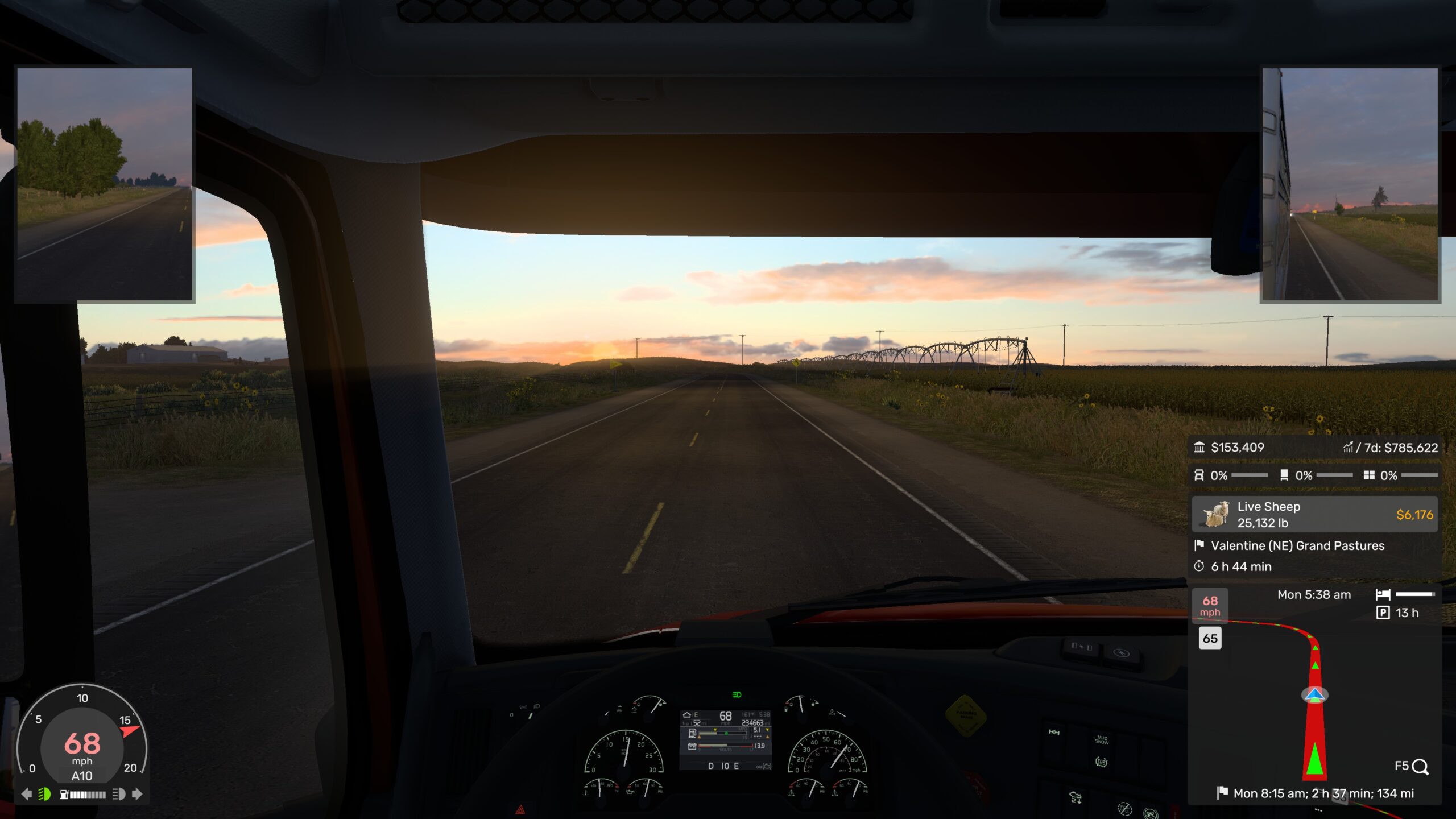
On its surface this is a game with legitimate obvious problems for a simulation game involving long haul trucking. Visually it’s fine but not a stand out experience with most areas only vaguely looking like their namesake with a couple particular things to match the real world. Traffic density never really changes whether you’re in a city or in the middle of nowhere Nebraska. The game has a real loose understanding of how traffic works in the US with a distinct lack of things like blinking yellow left turns. Traffic laws are extremely exploitable with things like being able to blast through the shoulder at full speed or run cops off the road to avoid speeding tickets. But really, none of that mattered as soon as I started vibing with the game.

When you’re driving around the environment really does become enough to convince you you’re in reality because I can recognize things that I’ve driven through. The curve of I-5 through downtown San Diego isn’t really the right scale but it’s there. The stupid giant cross in Effingham, Illinois is just as bizarre as it was when I moved west. The drive south past the Tacoma Dome and down through the coast of Oregon is convincing enough. I-70 through the midwest and I-5 through the central valley of California are both horrendously boring. It’s all just so compressed that you see highlights that are close enough and lose all the things between there that you hit a really good pace of something interesting to see very frequently while otherwise trying to deliver goods all over the country. I suspect as things continue to push east into other areas of the country that I’ve lived in I’ll continue to have those hits of familiarity.
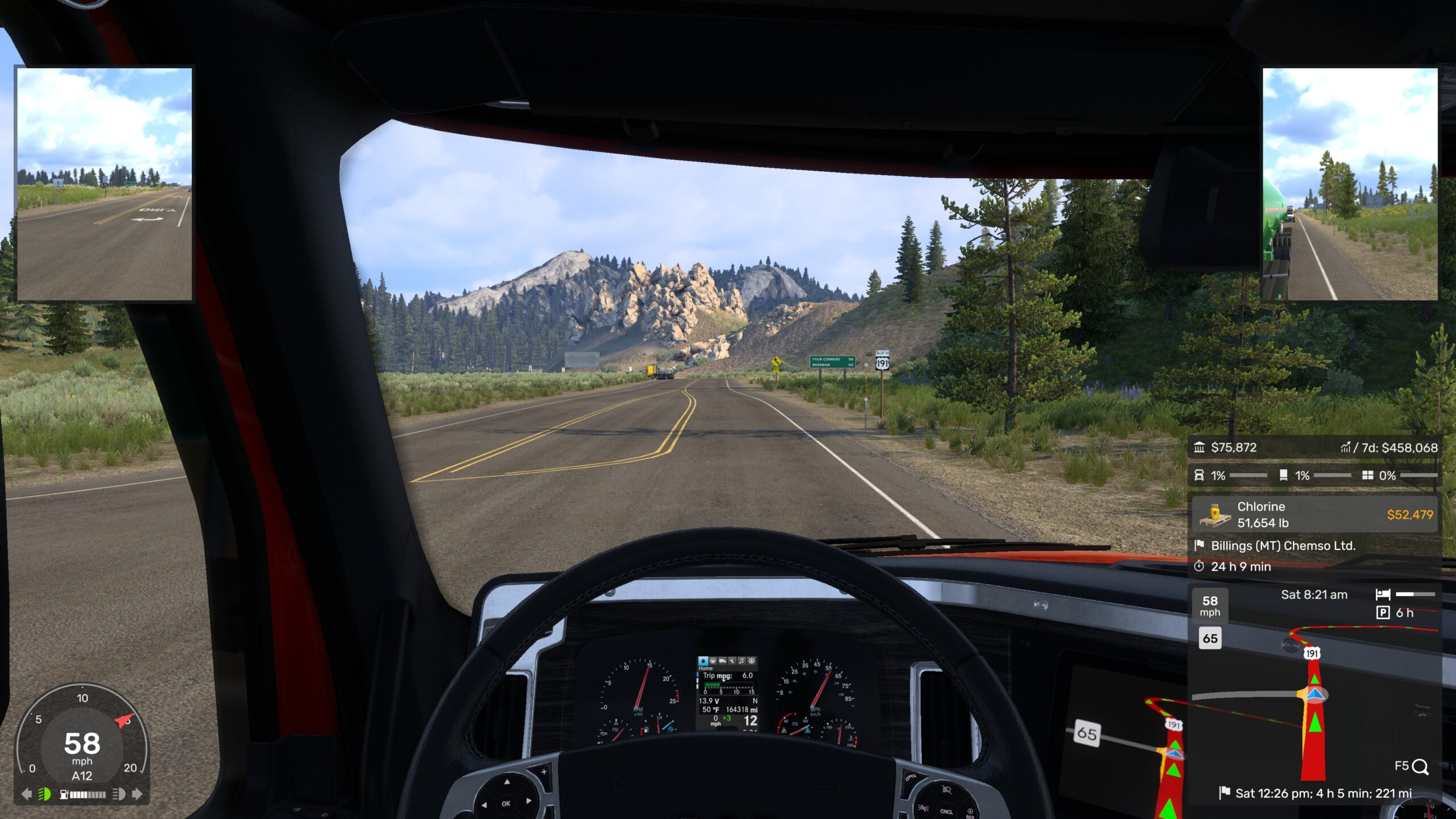
It does help that the simple act of driving in the game is a lot of fun. I play enough racing games that I’ve got my wheel setup ready for a game like this, and that’s definitely part of it. It’s just fun to sit behind the wheel of something as large as a big rig in a way that I can drive without the danger of….having to avoid crashing. I can sit there and try to row through 12 or 18 gears without really caring about wrecking a transmission with poor clutch usage. However, the simulation-enough aspect of driving also has interesting side effects where I can’t treat this like a racing game. I have to properly manage my gear selection to make sure that I have enough torque to make it up hills. I have to maintain my momentum through uphills to try and avoid scrubbing too much speed. I have to manage my speed through engine braking going downhill so I don’t just runaway and risk tipping over. It sits in a very narrow band somewhere between simulation and arcade that pushes into the fun side of things over the realistic side of things.

There’s then enough on the business side of trucking to give me enough outside of driving to be interesting. The money I’m making is going toward equipment and garage purchases and hiring of drivers. Over time my ability to make money is becoming less and less important as my drivers are taking on more and more of the percentage of revenue of my company as a whole. What I assume my path will end up being is that over time I will simply stop doing deliveries and just managing and driving. There’s a lot of side content around discovery of towns to offer more locations to find jobs at or picture locations to discover for landmarks or dealers to purchase trucks from, and that’s awkward to do when you’re on deliveries. Right now you can purchase a truck and drive around without a trailer attached to do that, but they are also planning on releasing a DLC around Ford pickups, and that feels incredibly intentional. The long term of the game from the business side is that you become a manager and not a driver, and it feels like it’ll be much more fun to do the discovery driving in a regular vehicle.
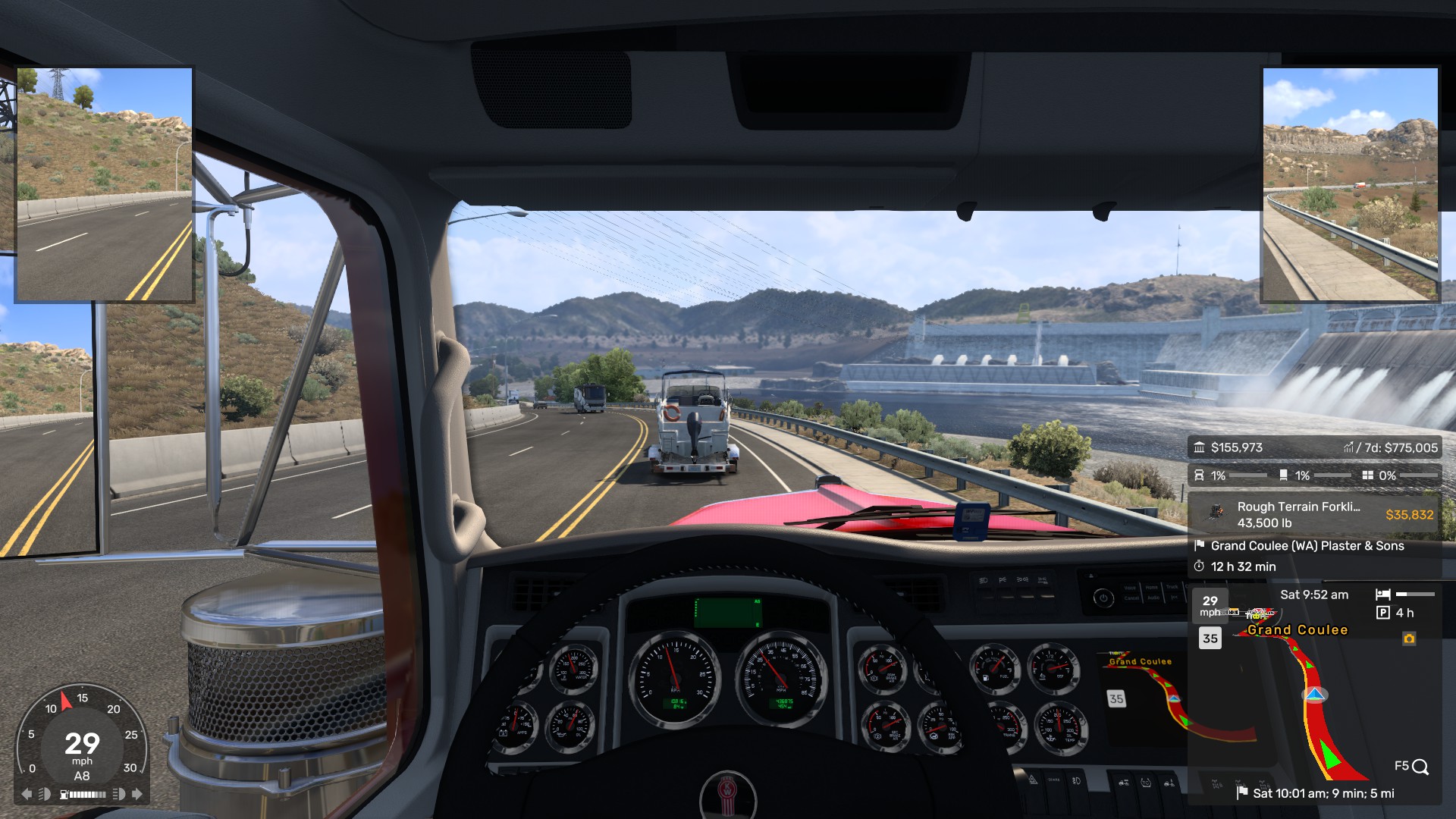
So then why is this a perfect game for me now? It’s incredibly drop-in friendly. I’m in the middle of a project completion pass and time is inconsistent. Sometimes I have 15 minutes to kill waiting on a build to finish to test, and I can complete a local delivery. Sometimes I’ve got to kill several hours because I’m waiting on things like a multiplatform shader cache update and I can do a long haul trip of several thousand miles. Sometimes I need to distract a 5 year old and I can sit him on my lap and drive around because he loves to see big trucks. It hits such a wide band of my current potential use cases while not really requiring me to think too deeply about what I’m doing. I simply jump in, pick a goal, and drive. For right now, it’s simply perfect.

Game Ramblings #190 – Dave the Diver

More info from Mint Rocket

  • Genre: Action/Adventure/Sim
  • Platform: Switch
  • Also Available On: Windows, macOS, PS4, PS5

I’ll be 100% honest and admit that I took so long getting to this one purely because it didn’t have a physical copy and I had too many other games that did, but that problem was finally solved. What I was given a year after release was a game that surprised me in how well it blended a casual sort of roguelite and a sort of modern take on old arcade games like Root Beer Tapper. Played on the Switch it even really feet into a really good short session experience, with most game loops taking under thirty minutes in total. It really just hit all the marks for the type of experience I have time for right now.

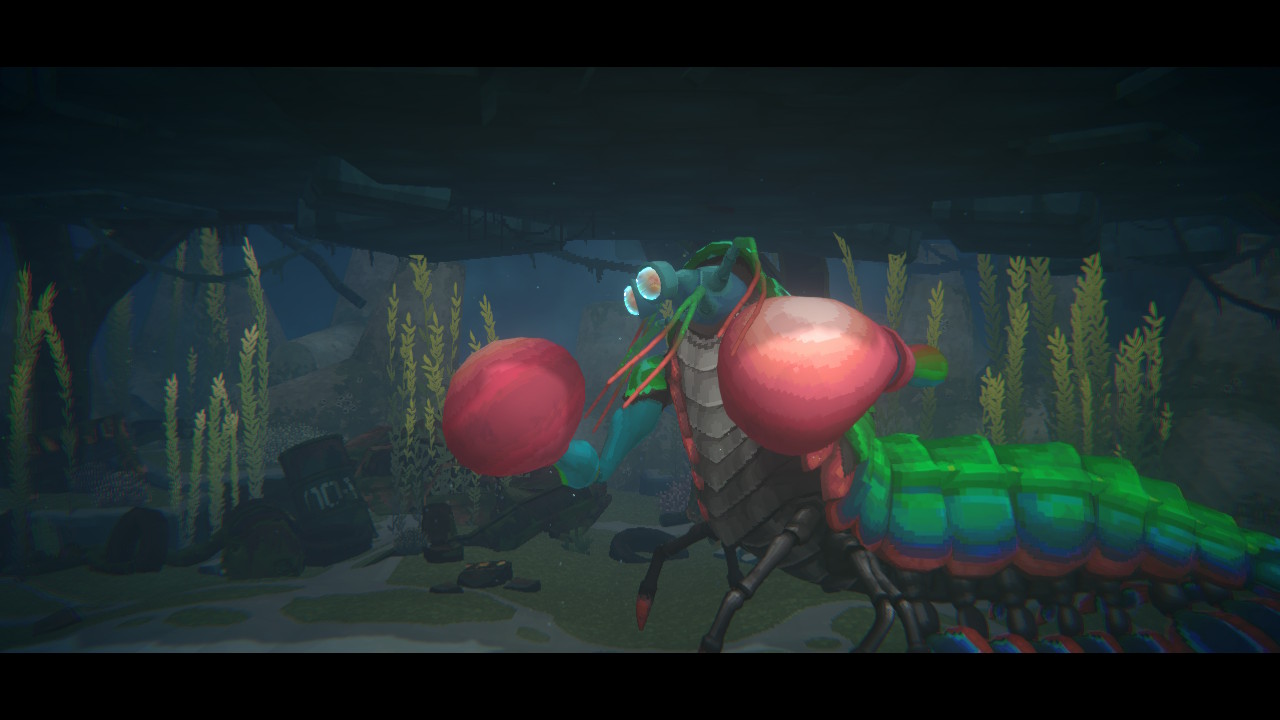
The core of the game is really all about fishing, but it’s pretty easy to judge the entire game by that from an outside perspective. Luckily that part of the game is pretty solid on its own. It’s nothing complicated, but the small set of weaponry used to either harpoon or shoot fish is pretty varied and lets the player tune the experience to their liking. Confident with dodging? Go high damage close combat. Want some more safety? Build out as a sniper, but have less ammo as a balance point. Want to get higher quality meat? Build out sleep weapons, but potentially lose out on bigger targets that can’t be put to sleep as easily.

The nice thing about the entire result of the fishing is that it all feeds directly into the restaurant which feeds right back into fishing. Those fish you catch obviously become meat for sushi in the restaurant portion of the game, but shortly into the game it also becomes an avenue for getting fish eggs that you can farm, which opens up a new avenue for getting meat and lets you move on to new areas without worrying about a lack of supplies. Those supplies then become the avenue for sales, which gets you money to get upgrades for fishing gear – better weapons, more carrying capacity, more oxygen capacity, etc – which allows you to fish longer, which allows you to get more and better supplies for the restaurant.

If it was just that loop I probably would have been happy enough, but the game is broken up in a number of ways that really give nice breathing points at regular intervals. Every now and again you get big boss fights with unique mechanics. These come as parts of both the story and as just random events, so their cadence is that you get one every few in-game days. Besides generally offering unique items, they simply are just fun. These are the things that test your combat knowledge to the peak, requiring good dodging and good attack knowledge. Some of them are pretty standard gun fights but a few standouts used other mechanics. One used dodging as the core mechanic, with the player grabbing a weight to deflect punches that stun the boss. Another that really got my attention purely involved picking up and throwing rocks to cause damage as regular attacks were just not effective.

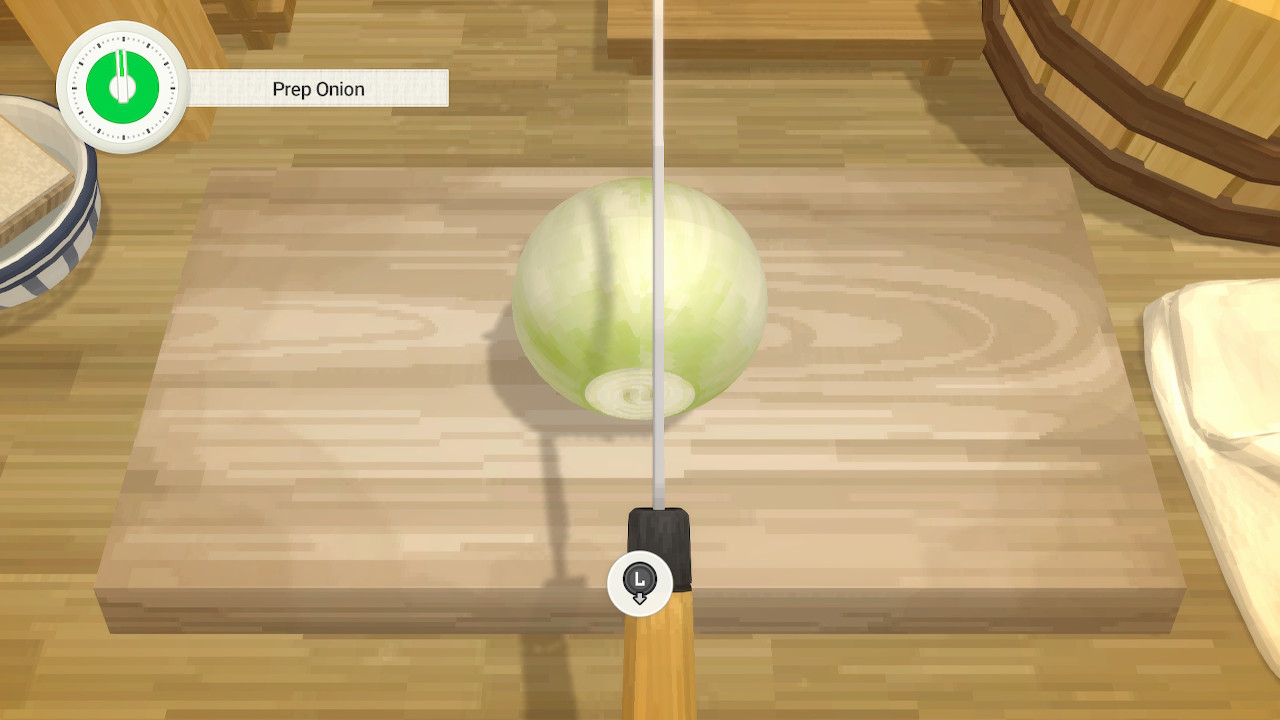
The breakup of mechanics also then extended to the restaurant experience. Every not and again you’d get restaurant objectives where you’d compete in an Iron Chef-style competition where the game turned into something akin to the Cooking Mama series. Other restaurant events involved getting specific ingredients to please VIP guests or getting a specific type of ingredient (ex: shark meat) to take on an entire party of guests. The nice thing about the restaurant side of things is that these more often than not opened up new mechanics. Early on it was things like the farm for rice and vegetables, but later on it even got to specific types of ingredients (ex: unlock eggs or specifically habaneros). These little things happening every now and again meant that I was never in a specific type of pattern of just going out and getting whatever, but instead going back and forth sometimes focusing on the story objectives and sometimes focusing on just fun little side things to then expand my repertoire with new and better recipes.

All of these mechanics combined to a place where it never felt like my time was wasted. Runs in fishing at least always got ingredients to feed back into the restaurant which then at least got money for upgrades. Deeper runs in the fishing portion would push me to find new areas to unlock new species and mechanics. New events in the restaurant would allow me to push for new mechanics. Every run felt impactful, which is a huge bonus on top of it being fun.

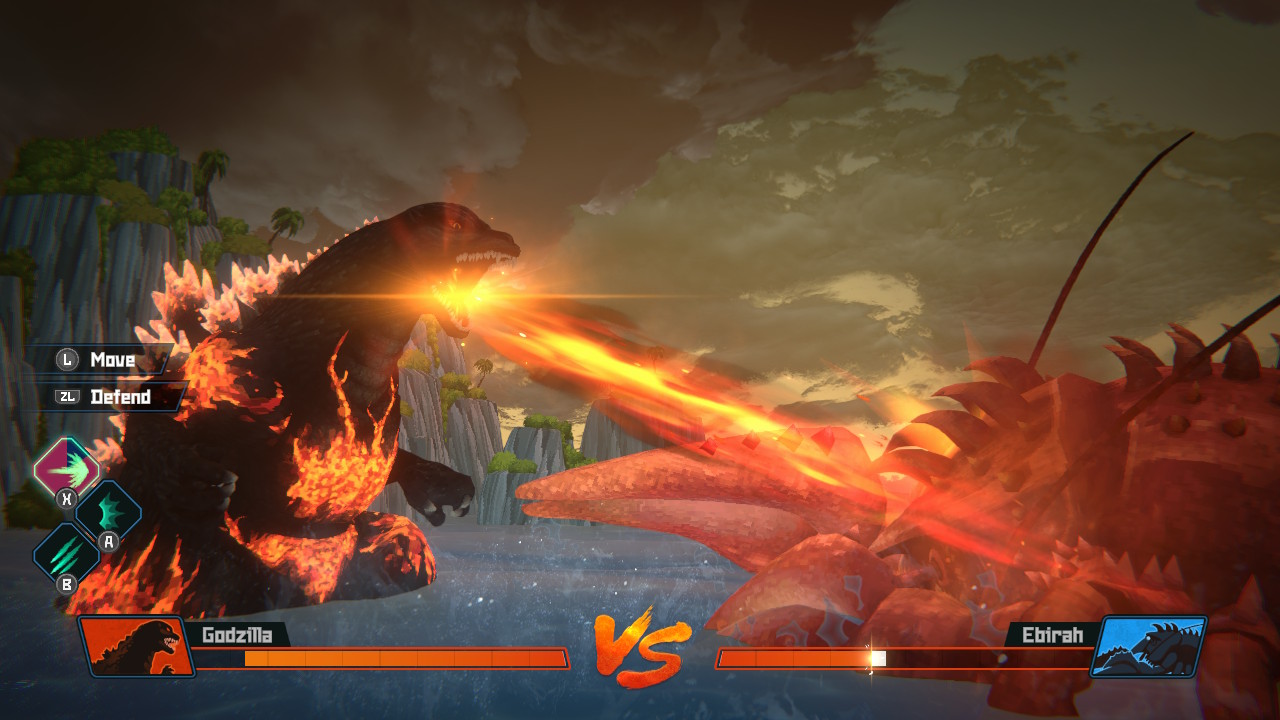
It’s all then a bonus that the DLC content is also fun. There’s things like playing as Godzilla above. There’s an entire set of night time events based on the game Dredge that add new items and types of fish that can only be caught on event nights. There’s an entire set of rhythm mini game sections expanded by a Guilty Gear Strive DLC that provide a fun musical interlude. Basically, this extends the entire game’s theme to this point – provide new ways for the player to have fun on any single run.

The consistency with which the game pulls that off is impressive, and it never wears off. I could do a single 20 minute dive run and do something useful. I could play for hours of multiple runs and just be engrossed by everything. It perfectly encapsulates how roguelites should work, with the player never feeling like their time is wasted and they’re always making forward progress. For that to happen in a game so inherently not tied to the usual death loop of the genre is therefore even more impressive.

Game Ramblings #146 – Spiritfarer

More Info from Thunder Lotus Games

  • Genre: Platformer
  • Platform: PS4
  • Also Available On: Windows, macOS, Linux, Switch, Xbox One, Stadia

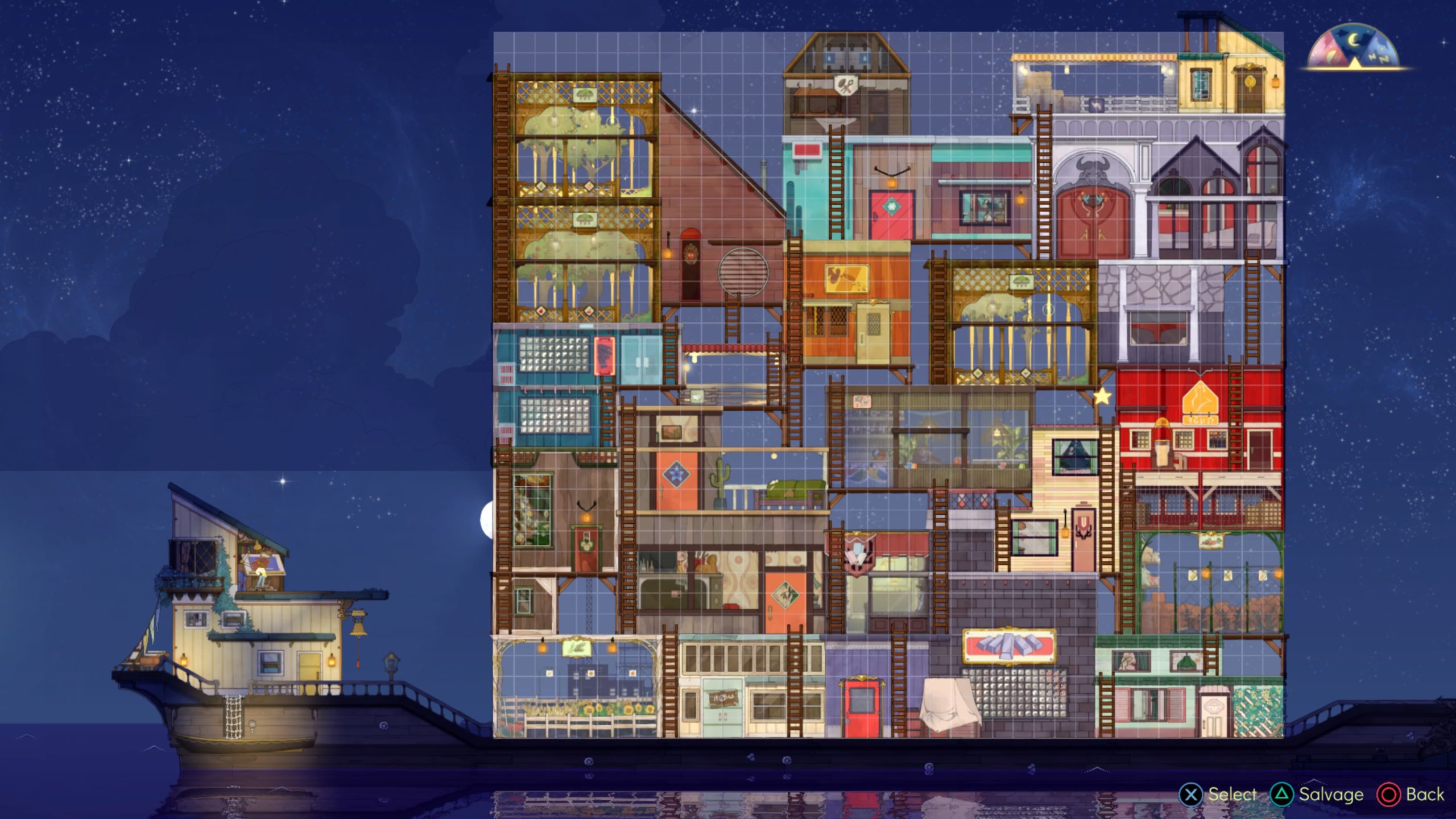
I put platformer there, but this game is really a lot more than that. It’s sort of a platformer. It’s sort of a management sim. It’s sort of an adventure game. It’s sort of a visual novel. It takes a lot of pieces to scratch a lot of itches all at once. But beyond that it’s just a spectacularly beautiful game, both visually and narratively. It’s one of the few games in recent memory I’d recommend just for experiencing the story itself.

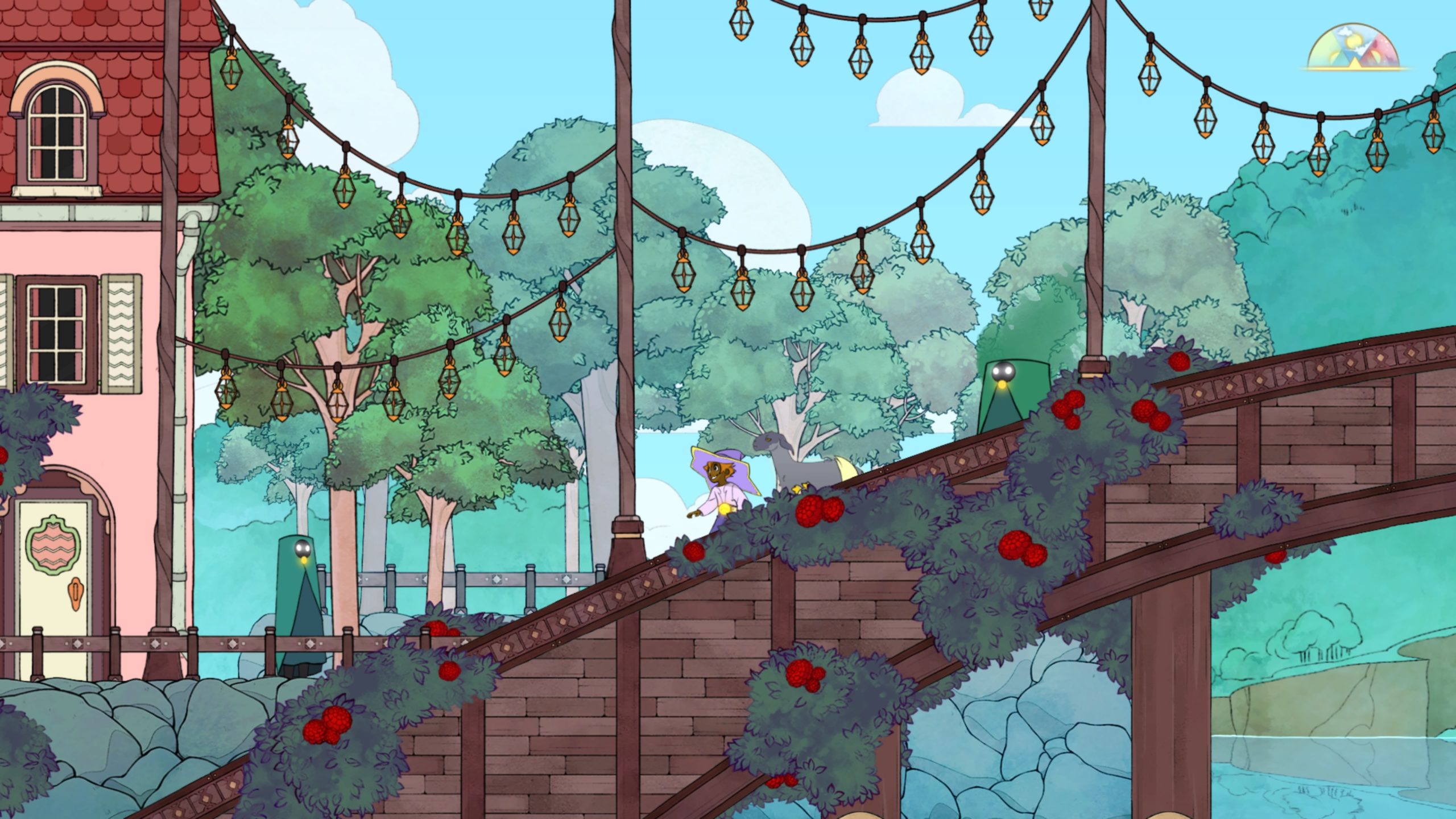
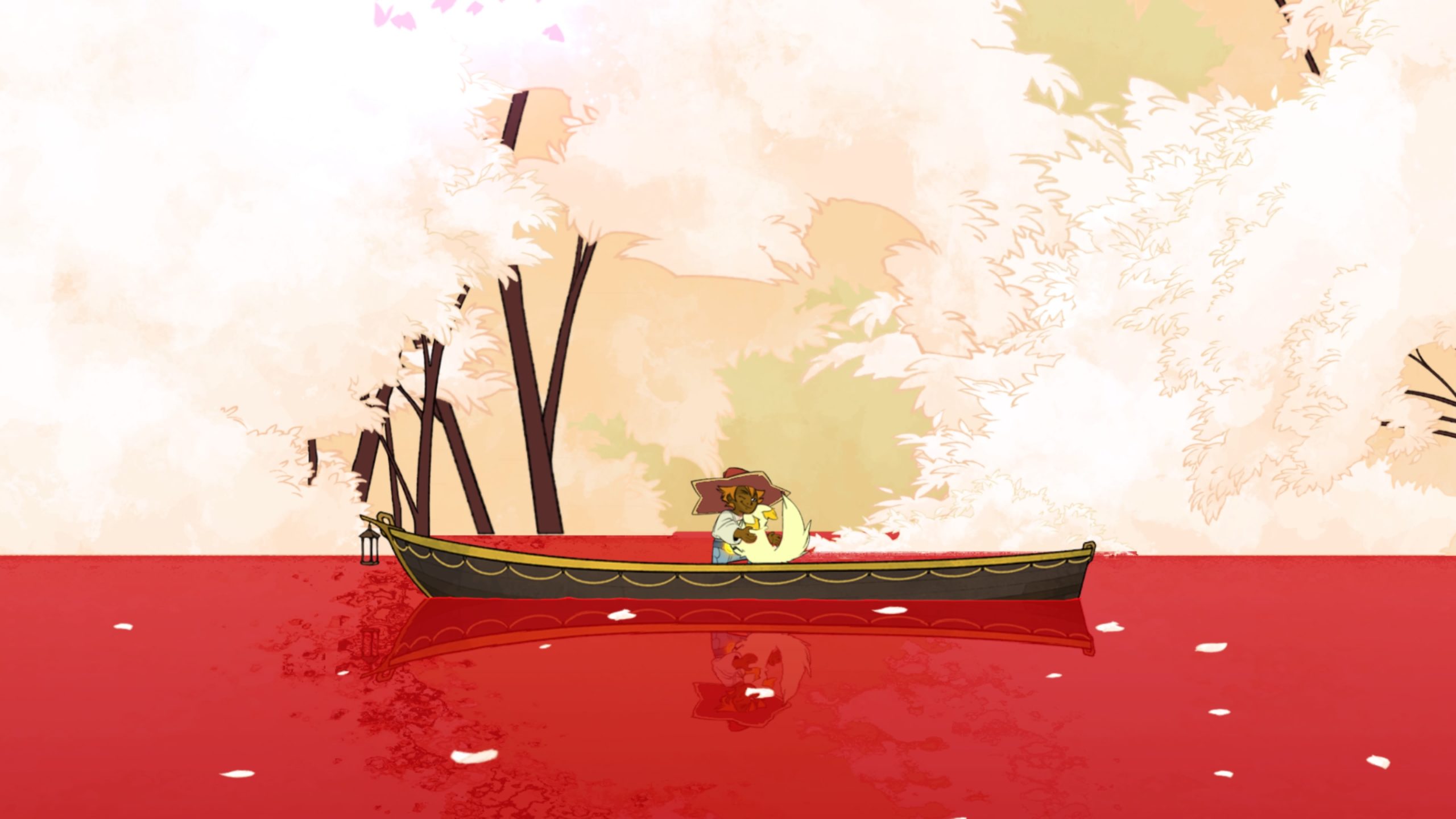
Everyone will probably be initially caught by the visuals of this game, and that’s a pretty obvious positive. This is the same team that did Jotun and Sundered, and it shows. Visually speaking, the game is astoundingly beautiful. However, it’s not the only thing that really hits well on the presentation side. The game’s soundtrack and overall audio are all really good as well. It’s nothing in your face loud, but it really fits the game well. There’s a lot of subtle sort of ambient music in the background – enough to fit the theme of the areas you’re in or the events that are being started, and it all leads you to pretty easily know what’s going on at all times.

The gameplay side is probably the weaker section, but it’s still solid. Ultimately I think the weakness comes from it trying to blend too many genres at once. You’ve got a bit of a management sim at play here. You’ll be constantly growing vegetables and tending your fields and manufacturing linens and ore and metal plates and etc etc etc. You’re also putting all these resources into building the boat and upgrading buildings on it, both for you and the spirits on the boat. There’s a bit of an adventure RPG here. You’ll be going through lists of collection quests to help move your spirits to the afterlife. There’s a bit of a platformer here. Each individual island you sale to has its own platforming challenges, and you’ll pick up some powerups along the way (ex: double jump, ziplines, etc) to help you through those.

In being so many genres, none of them can truly stand out. The collection aspect is a bit of a grind, and you’re constantly spending time while you’re sailing growing or manufacturing or fishing to get resources and money. The quests are repetitive and mostly involve sailing back and forth to new locations. The platforming is fine, but the individual islands are so small that it never truly becomes a large scale platformer. Ultimately it’s a bunch of systems that are in place to support the narrative, and not necessarily systems that feel like they were fully fleshed out into a good set of gameplay mechanics.

I’m putting this next section in spoilers because I specifically want to talk about the story and don’t want to ruin it for those that still want to play the game for themselves.

Spoiler

However, the story made this worth the effort for me. The game is ostensibly the story of a person ferrying the souls of the dead on their final trip to the afterlife, however it becomes much more than that. As you meet and transport individual souls, you start to recognize the signs that the souls you’re transporting know the main character Stella. You start to recognize that who you’re transporting are souls of people that you know that are already dead. It then dawns on you that the reason you are transporting them is because Stella herself is dying, and you’re revisiting her life. The details surrounding Stella being a nurse for terminally ill patients slowly trickles to the front in a wonderful way.

Turning the idea of a life flashing before one’s eyes at their end of their life into something like this was an absolute triumph. You live Stella’s life through the eyes of those she helped at the end of their own life. The impact of helping these spirits and then bringing them to their final trip to the afterlife is emotionally affecting in a way that very few games manage. For some characters you end up incredibly sad that their life potentially ended on a bad note. For some, you’re glad to be rid of an asshole that did nothing but bring negativity to those around them. For some, you’re given the pain of seeing a good friend leave. Each spirit’s end is unique to a point where I was constantly fighting the pain of seeing them leave from the wish to help them get there. The culmination of all of this – seeing the story of Stella herself and how the various spirits intersected with her in life – was a great way to bring everything full circle, and ended the game’s narrative in a perfect fashion for me. All the questions were answered and I was left in a place where, despite knowing that Stella’s life was ending, I was happy for her having lived such a life of great purpose, and one that she clearly believed in.

[collapse]

It’s pretty rare that I recommend playing a game just because of story, but this is definitely one of those. The gameplay itself is fine, the presentation aspects are wonderful, but the story itself is why I kept playing. It’s definitely not a feel-good narrative, but the emotional impact of it is at a level that is rarely seen in videogames, and within recent memory can’t be duplicated for me. It ends up being an incredibly unique look at death and how it affects those around it that I cannot recommend it enough. If the gameplay doesn’t really feel like your thing, at least do yourself a favor and watch a narrative pass on Youtube, but I think it’d be a disservice to not experience it yourself.