Shelved It #23 – Saros

More Info from Housemarque

  • Genre: Third-Person Shooter
  • Platform: PS5

This is a somewhat unusual shelved it in that this is a really well made game and I really have enjoyed my time in it. The…problem as it were? I just don’t enjoy roguelite loops. I can deal with it to a certain extent if the loops are quick but I usually hit a point where the growth of the experience has either stopped because it’s out of new mechanics or because it’s at a wall and I grew bored. I’m more at the first for this one at the 6th boss. However, for me it’s a bit of a miracle that I’ve played a roguelite for 11 hours and counting to begin with, and I can see this one slotting into the type of game that I occasionally return to and eventually just get through via time.

The thing I will absolutely call out here is how good the combat is and I think it comes down to one specific thing – despite being a “shooter” I’m not often doing a lot of aiming. Saros recognizes that it’s first and foremost a game about dodging projectiles, and not so much about creating projectiles. The entire experience is then built around that. You have a rapid dodge that allows you to go through some projectiles. You have a shield that allows you to absorb other projectiles to return as attacks. You have a parry that allows you to block other projectiles. Choosing the correct defensive maneuver is by far the most important part of combat with offense then being a secondary consideration.

This only works because the attacks that are coming at you are very clear and give you enough time to react. Blue can be absorbed, yellow can be dodged through, red should be parried (and additionally, red shields should be hit with a melee attack with the same button). You constantly move to stay at a range where you can still attack but have time to react and never stop being in some form of fast action. It’s fast and relentless but always feels fair. In the classic roguelite pattern it also feels like I’m constantly learning and using that to reinforce the upgrades I’m getting to move further every time.

The lack of aim is completely built into the weapon system. Most weapons have auto-hit with large aim correction built-in, with some specific weapons being instead built and balanced around auto-hit being off. Despite not really aiming though, the weapons still had important variety in letting me build the way that I felt comfortable. There’s things like shotguns and chakram discs that I totally disliked using because their damage felt so inconsistent around how much I was playing a run and gun style. On the other hand there were rifles and pistols that were reliable damage dealers if I needed an upgrade. When I got particularly lucky I was getting one of the crossbow types which were universally a ton of fun for my preferred style, putting out slower shots but much larger damage at a time.

This is then backed by the stat upgrades typical of the genre that have interesting modifications when in the eclipse state. This morphs upgrades from simple stat increases to things with drawbacks. Sure you might get some resilience, but now you take fall damage. You might get increased weapon power, but now you can’t stay still. You may bet better shields and absorption, but now you may have decreased damage at low health. It adds the type of fun decision making typical of the genre in a way built very well around the core gameplay of Saros. I knew I could always comfortably take the penalties standing still or the fall damage penalties because avoiding those things was crucial to my more run and gun play style and tailoring my build to that always felt incredibly effective.

However, the roguelite part of the game caught up to me at around the 10 hour mark near the 6th boss. Each biome introduced new mechanics but over time they were becoming less important because they were starting to become minor modifications to combat instead of large changes. I started seeing fewer new enemy types, and those that were new started to be some clear combinations of existing enemy types. It’s typical of the roguelite meta loop, but for me it doesn’t really work unless the loop is fast, and here it isn’t.

The death loops here are typically 25-30 minutes and that is just far too long for me. It works fine when I feel like I’m making progress, but I just zone out when I get some bad RNG and make no progress in a loop of that length. But that’s the genre expectation and it just doesn’t typically work for me. Getting the 11+ hours I got out of this one is highly unusual. Getting that far was only because the core combat in the game really was simply that good.

Shelved It #20 – Tunic

More Info from Isometric Corp Games

  • Genre: Action/Adventure
  • Platform: PS5
  • Also Available On: PS4, Xbox One, Xbox Series, Switch, Steam

Tunic is one of those games that just convinces me that somewhere along the way I’ve been left behind by a certain subset of games. It’s the type of game that I can see why people enjoy, but for the life of me I just cannot wrap my head around. There’s little things that annoy me that should be relatively minor, but as a whole just frustrated me to the point where I go, “nope, this isn’t for me.” I guess for me it comes down to too much Souls in a Zelda game ruins my fun.

This is absolutely the type of game that I should love since I’m a huge fan of the 2D Zelda games. It’s got a similar approach to combat. It’s got a similar approach to world design. It’s got a similar approach to exploration. However, I just could not grok any of that in the same way that I could a Zelda game. In a couple of nights of sitting here trying to suss out my frustrations playing this, I’ve been able to narrow it down to two specific things that really got under my skin – core combat delays and overworld design.

Core combat is really down to one thing for me, and it’s an inherent difficulty of the game, not necessarily because the game is hard, but because of how they handle specifically the attack animation. Anything that happens after the attack animation must wait for the animation to complete. In particular that means you can’t dodge and you can’t defend with your shield. Because of this, I found myself taking a lot of what I thought were unnecessary hits. I could start an attack, see that the enemy is about to attack themselves, and be unable to do anything about the incoming damage. I would just have to eat the damage and hope for the best. This is the same issue I have with the Souls series, which is another one that has me convinced that some part of gaming has left me behind.

Ultimately, I guess my frustration here isn’t so much that I can’t dodge when I want to and cancel the attack animation – although frankly I think that is a good option to have – but that it slows the pace down in a way that feels not fun. Rather than being in the attack and actively using my defensive measures, I’m staying back in a full defensive posture, making sure that I’m in an absolutely safe position to attack, and getting in a single swing. If I happen to notice that I knocked an enemy back I could go for a combo, but it often wasn’t worth the risk. There’s too many situations where the game has you fighting 1v3 or more, so getting a combo in on a knocked back enemy just opens you up for damage from other targets. This sort of pace of play is something that I never enjoy, and having it be because I simply can’t play at a faster pace safely is something that I really don’t enjoy in modern Souls-ish games.

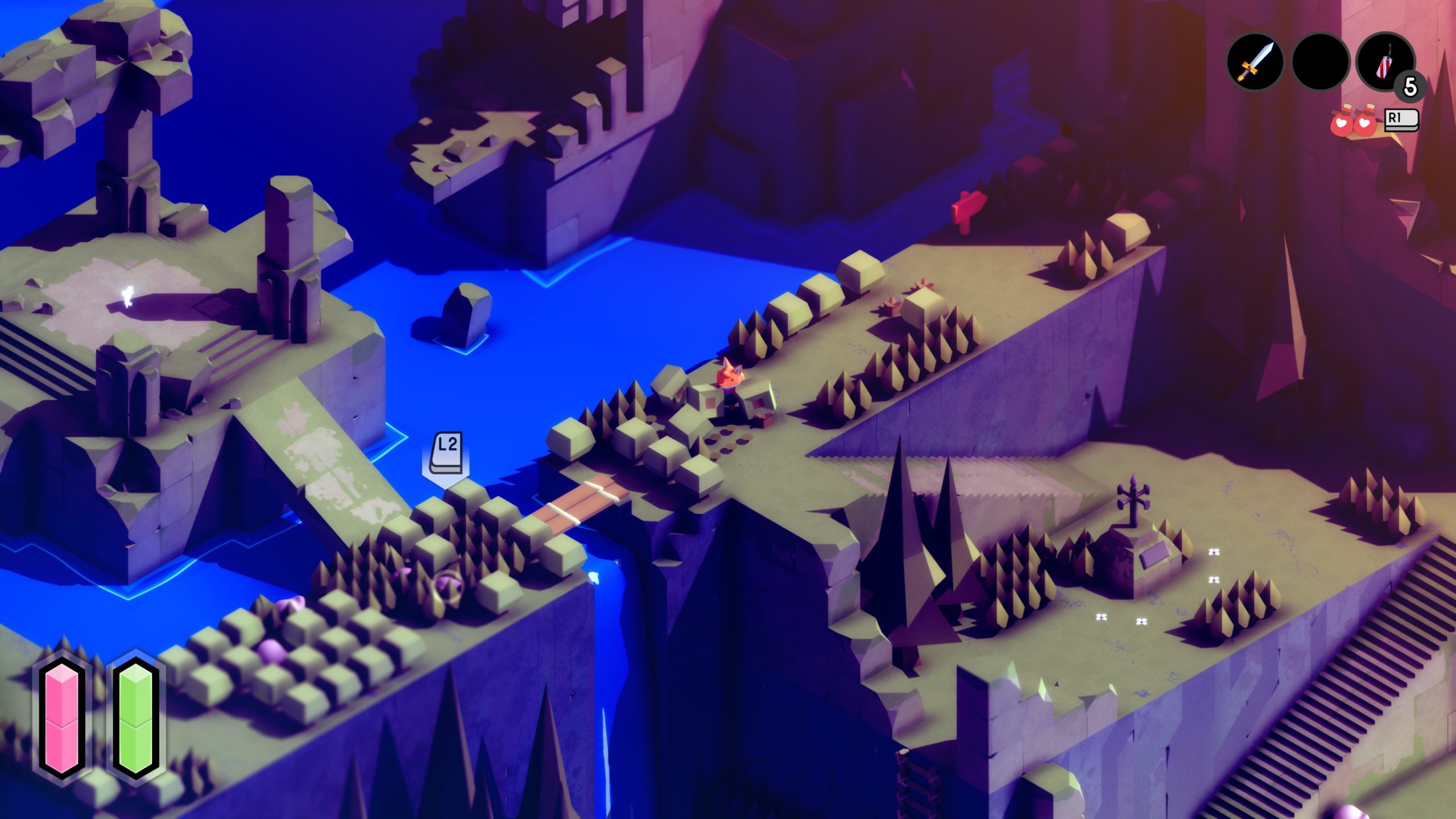
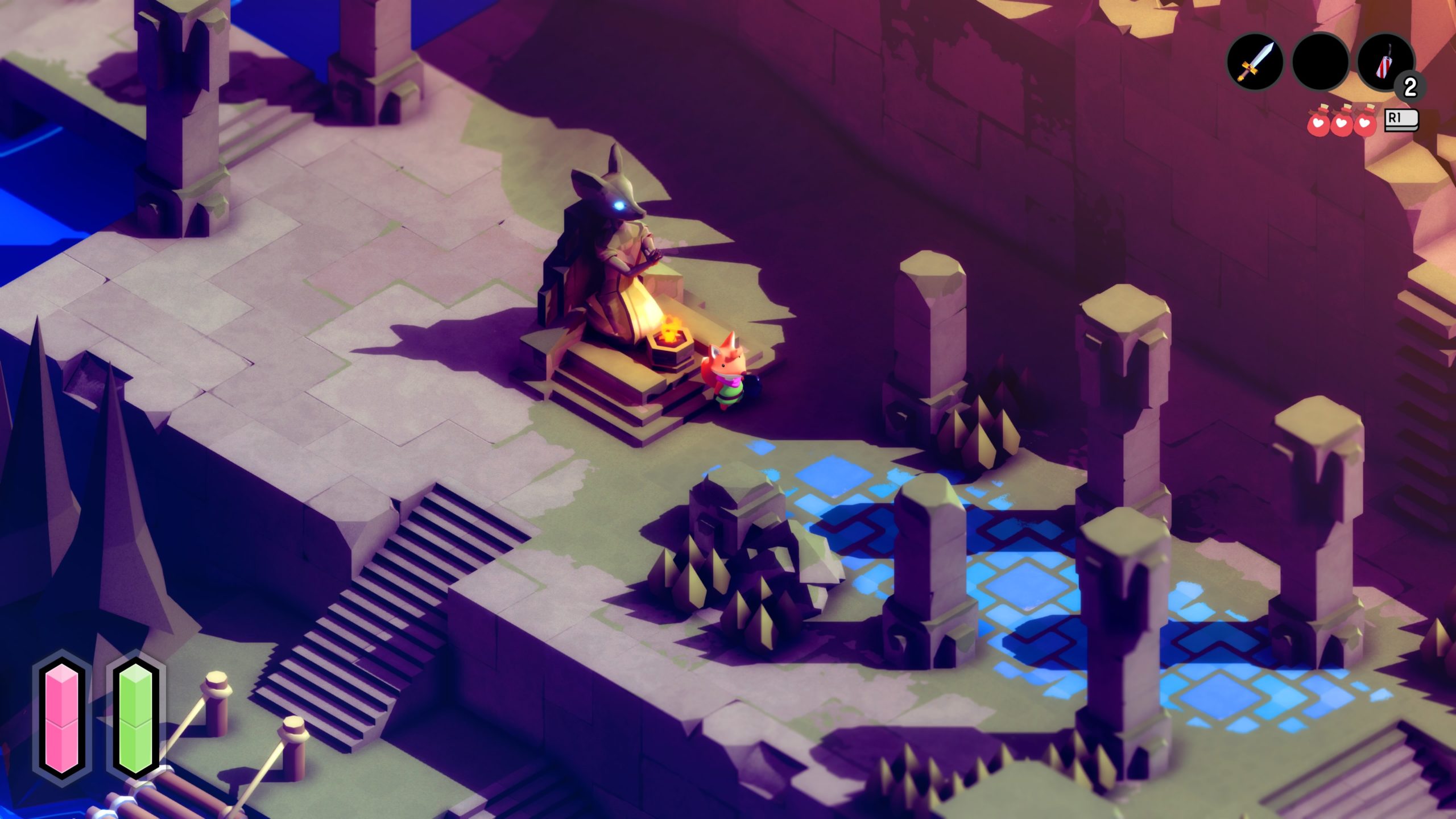
The other thing that really killed a lot of my enjoyment ended up being the overworld design, and this can be traced to a culmination of a few things. The first is that there’s not really an effective map in place. You get a sort of overworld map early on, but it doesn’t show where the player is so you have to contextually know roughly where you are to make much use of it. It also doesn’t extend to the sort of dungeon areas at all, which is less helpful. The second part is that the overworld is intentionally built like a maze, so it doesn’t exactly match up with the provided map anyway. This is then tied to a distinct inconsistency in finding save points. In the main overworld area, the only one that I actually found was the one in the first picture, which I happened to accidentally keep looping back to while I wandered around lost like an idiot, or when I died running into something that I wasn’t ready to fight.

I guess ultimately I feel like you kind of have to pick your poison. If you want difficulty, I feel like you need to be consistent in the player’s ability to save their progress as they make it. If you want to avoid hand holding their progress, then you need some clarity over where the player has been. If you want to not really give an effective map, the player should have a pretty clear path through the world. It’s not like the genre has never had these things. Even the old Game Boy Zelda games had pretty clear maps, pretty clear idea of what the player needed to do (follow the dungeons in order, but we aren’t telling you precisely where they are), and pretty fair difficulty. The combination they picked is none of that, and in doing so it just kind of felt like the worst kind of 90s gameplay where you’re wasting time for the sake of wasting time in trying to figure out what you’re doing, and more often than not accidentally going the right way eventually.

As I was playing through the first sort of side dungeon area, I thought I was getting to a point where I was starting to wrap my head around the game, but getting back into the main overworld made it clear to me that it just wasn’t coming together for me. I think there’s something there when the game works, because a legitimately harder 2D Zelda I think is something I want to like, but this one just didn’t hit for me. It felt like the worst combination of things that I don’t enjoy in the sort of Souls-adjacent rush to market that’s happened in the last few years and it just left me wanting to move on.

Shelved It #18 – Halo Infinite

More Info from Microsoft

  • Genre: FPS
  • Platform: Xbox Series X
  • Also Available On: Windows, Xbox One

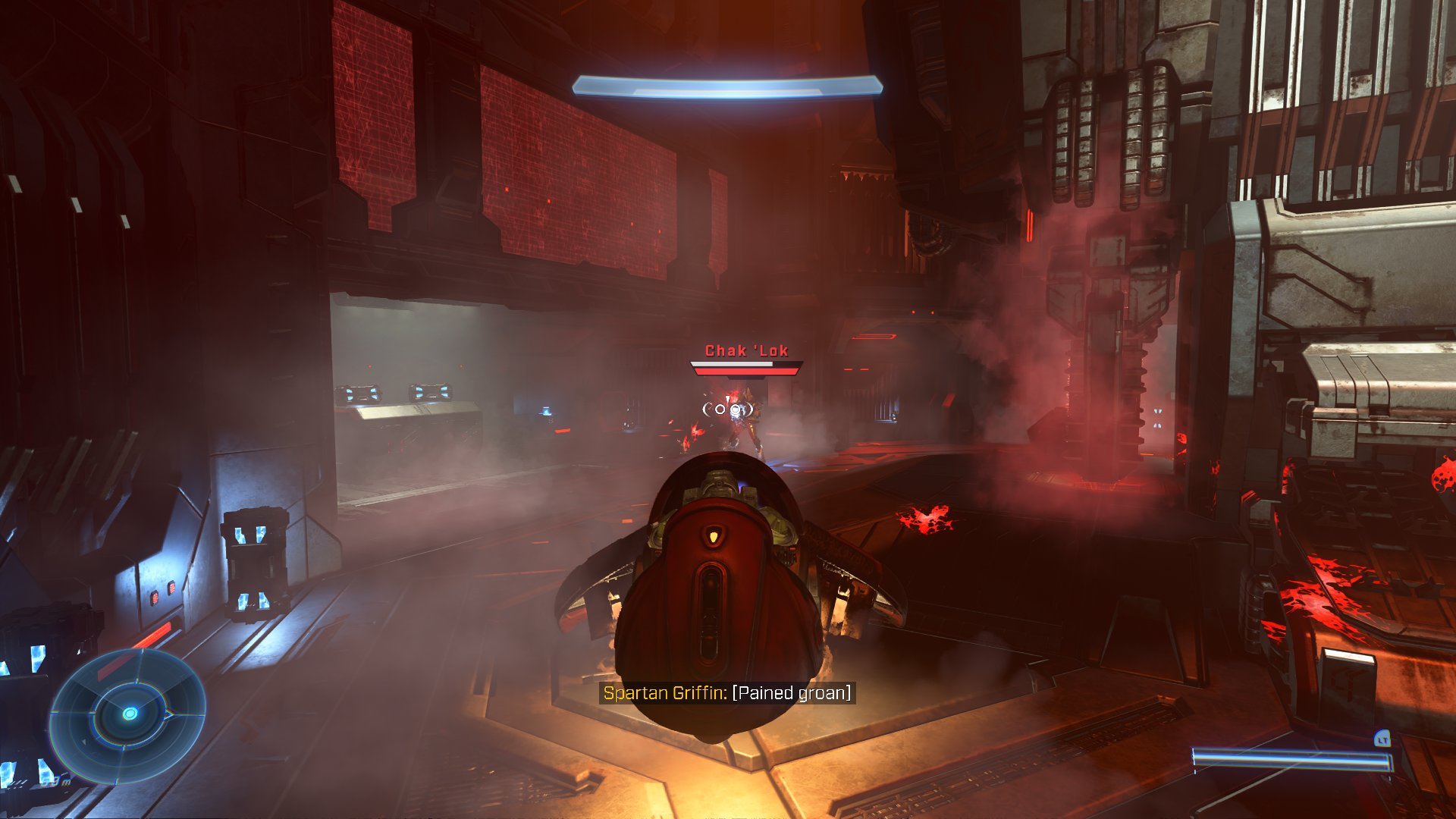
This feels like a game that was searching for an identity that it never found. It’s very clearly Halo, but it tried to push too far into the Ubisoft open world formula, and it doesn’t really feel like it made it there. While the shooter part of it works really well, it felt dragged down by the rest of the metagame in the half dozen or so hours I put into it to the point where I just didn’t feel like picking it back up.

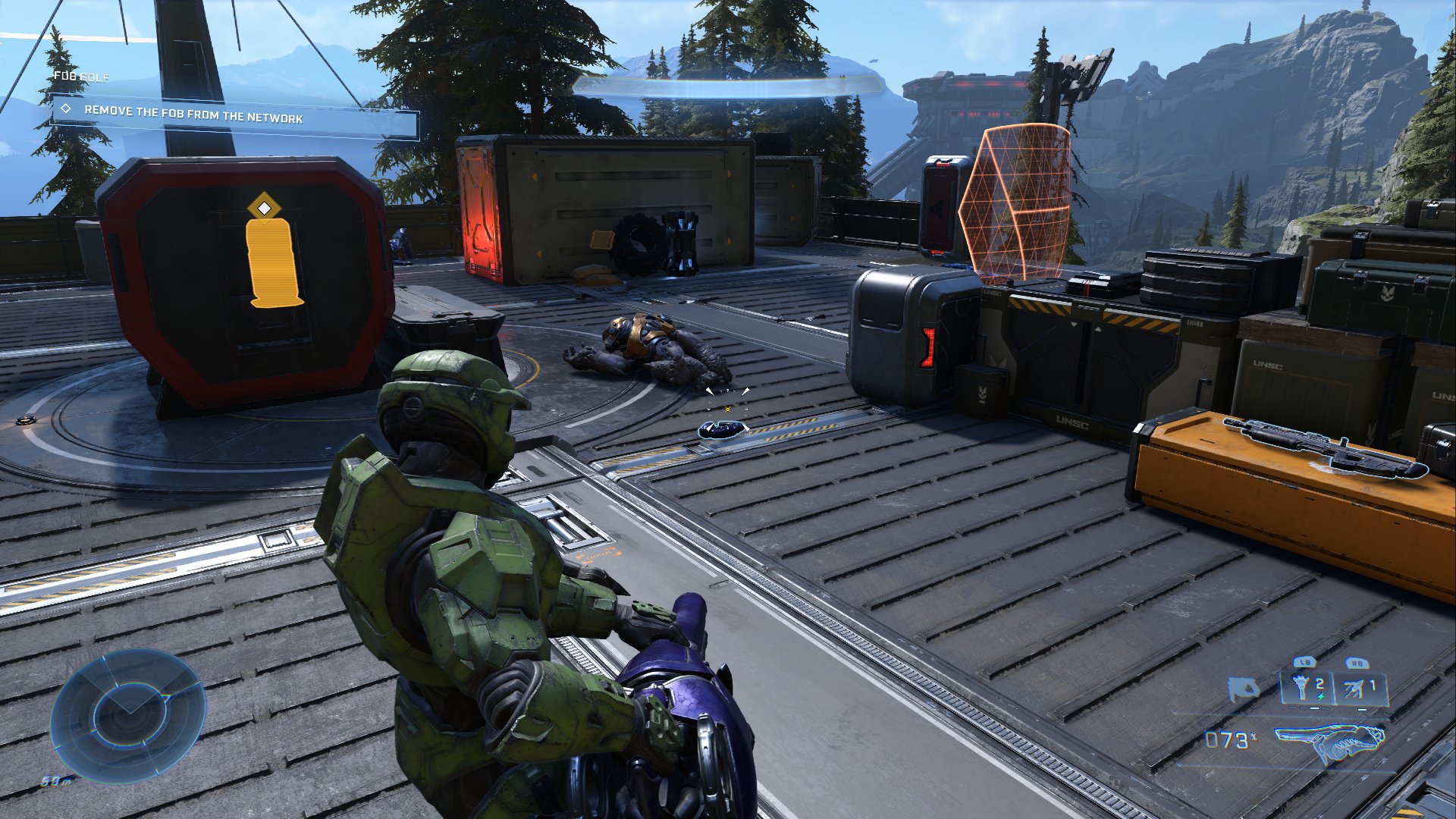
The core mechanics of this game are still as good as ever. Ya I get if a console shooter isn’t your cup of tea, but for what it’s aiming for it’s still incredibly fun in moment to moment combat. The guns have really clear archetypes and you kind of fade into the ones that you like to play with the most. Aim assist is just present enough to reduce the frustration of aiming on a gamepad. Running enemies over in vehicles is still fun. The Ghost being as small as it is meant that I could pretty much bring it anywhere, including into encounters it didn’t belong. However, it’s the enemies that still work the best.

Halo enemies always had really clear purposes, and that still works here. Grunts are still your fodder and effectively die in one hit, but they fit the role of distracting you well. Jackals still have the pain in the ass shield, which encourages you to get into melee range or use explosives to clear them out. Larger enemies like Brutes encourage precision in order to kill them faster via headshots. New enemies like the Skimmer add a level of verticality to throw you off just scanning at ground level. In general, the encounters are built well around sprinkling a few different types of enemies to make you approach them in varied ways based on the environment. In a vacuum it works well, and in past games it’s been able to be balanced against slow growth due to the linearity of the experience. That is all gone here.

The open world nature of this entry just feels like a mistake. Rather than having crafted encounters along a relatively linear path, you’ve got random encounters that constantly pop up going between points. Rather than the core gameplay being progression through a story, you’ve got a lot of miscellaneous stuff scattered about. The problem is that there’s only so much you can do with this kind of gameplay. It’s Assassin’s Creed or Ghost of Tsushima without the variety. You don’t really have the ability to do large scale traversal puzzles like that series. You don’t really have the choice to do stealth-focused gameplay or action-heavy sequences as a distinct choice. You just have guns blazing.

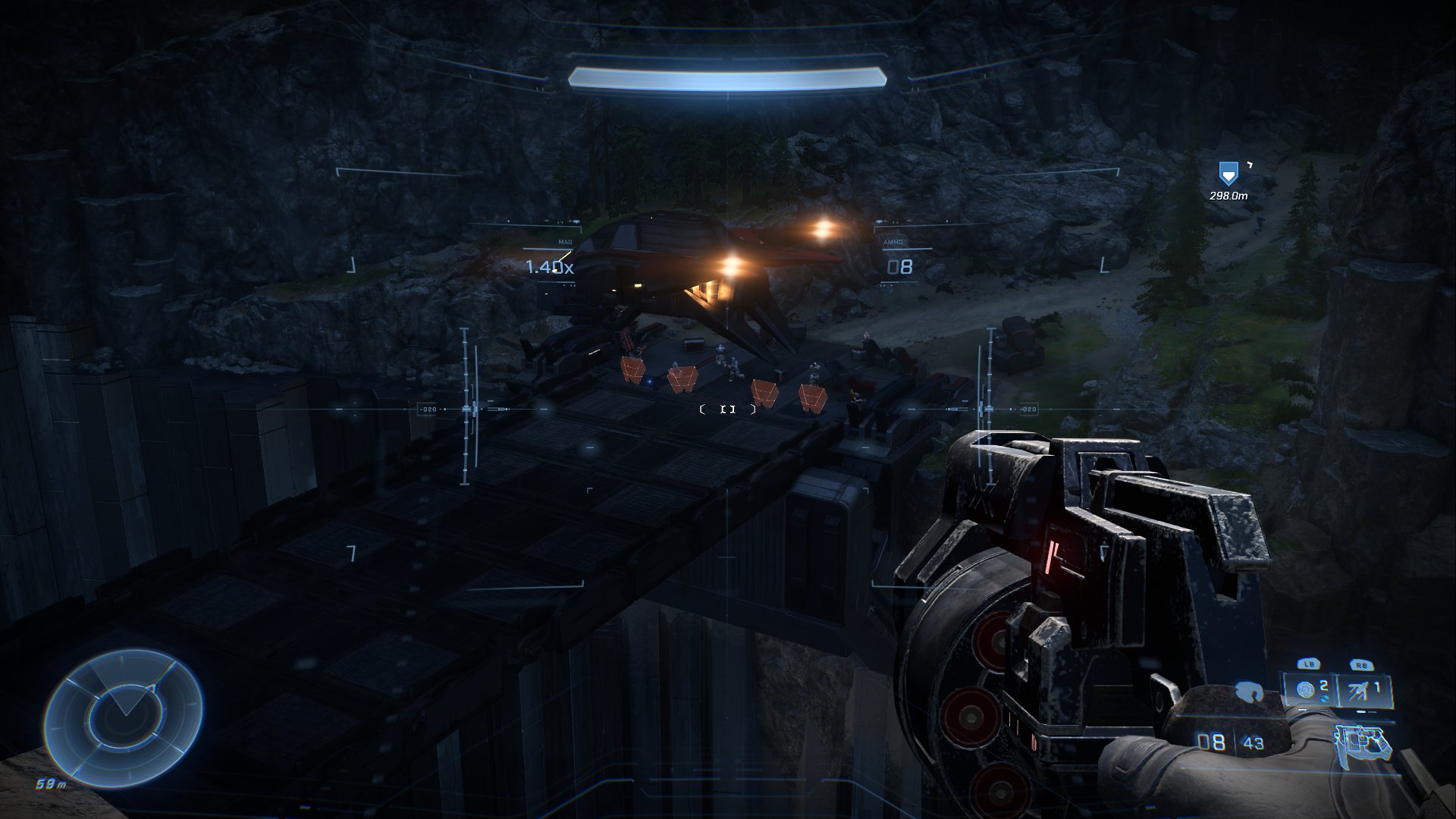
Where this ends up dragging is that every encounter feels the same. As you’re going from story point to story point you’ll inevitably see a bunch of encounters. However, it all bleeds together. You’ll see your half dozen grunts, a couple jackals, and a couple brutes/hunters/elites. Rinse and repeat. Between story spots you might see a half dozen of these. You’ll also see typically a handful of side quests – rescue a squad, destroy a base, kill a target – that also just have the same combat. Because the open world just has so much ambient combat, you quickly reach a point where it becomes a chore to traverse, rather than fun to traverse.

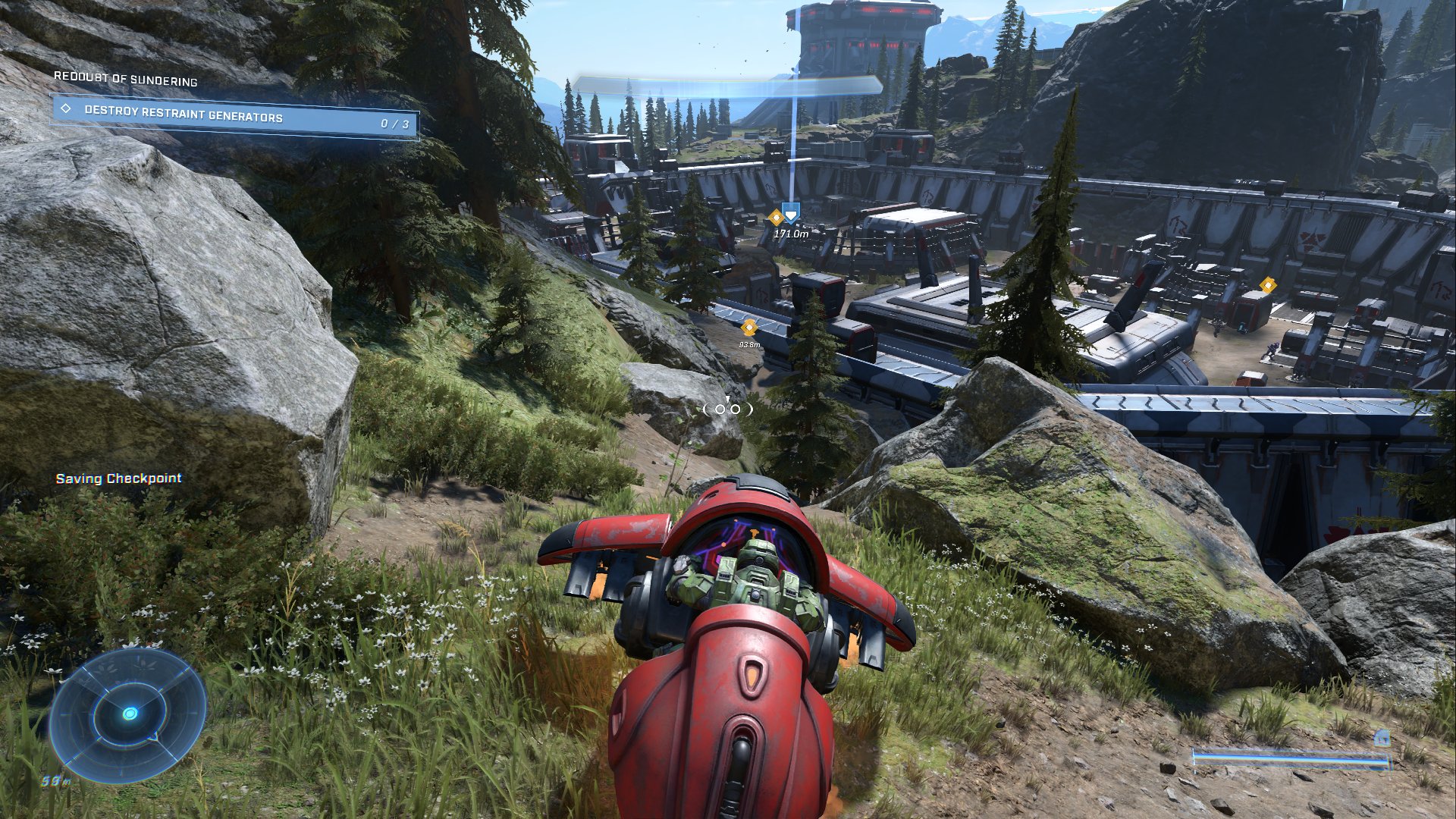
Within a pretty short time I basically just started hijacking the first Ghost I could find and running around guns blazing. From a practical standpoint, it made encounters much easier to skip because I could just zoom right on past. When I got to an encounter I did need to engage in, it also meant that I was in a moving resource with infinite ammunition and pretty predictably high power. From a min/max standpoint it was just far more effective. However, whenever I didn’t have a Ghost the game instead just felt like a chore. At that point I knew this one wasn’t working out for me.

It also ultimately didn’t help that there’s no co-op. I’ve played almost every entry in the series exclusively in co-op, so not having that is a huge drag. I could see this style of metagame working well in co-op because I could log in with the same group of people, run around for a while doing whatever as we shoot the shit, and over time we could progress through the game. Doing repetitive things over time wouldn’t matter as much because that’s kind of not the point of just having fun playing games in that group setting. Not having co-op at launch – although it’s apparently coming soon™ – is a baffling decision for a series built on co-op stories and multiplayer gameplay.

Infinite just kind of feels open world for the sake of being open world, and it feels to me like an anchor around the game’s neck. The core shooting mechanics are still fantastic, but when you are doing repetitive ambient encounters instead of crafted linear segments, there just doesn’t feel like any sense of progression or growth. Every encounter gets kind of samey, and over time I just felt like avoiding them entirely. For a game built around combat, not engaging is a weird thing. In all likelihood I’ll revisit this when co-op finally launches, but for now this one feels like a swerve that isn’t working for me.