Game Ramblings #231 – Hi-Fi Rush

More Info from Krafton

  • Genre: Rhythm/Action
  • Platform: PS5
  • Also Available On: Windows, Xbox Series

This was one that I kind of figured I would enjoy a lot. It’s a high-style action game built around rhythm-based inputs. It should match my love of music and love of rhythm games. However, I was having a real hard time with enjoying it fully by the end, and I think I narrowed that down to a few specific things.
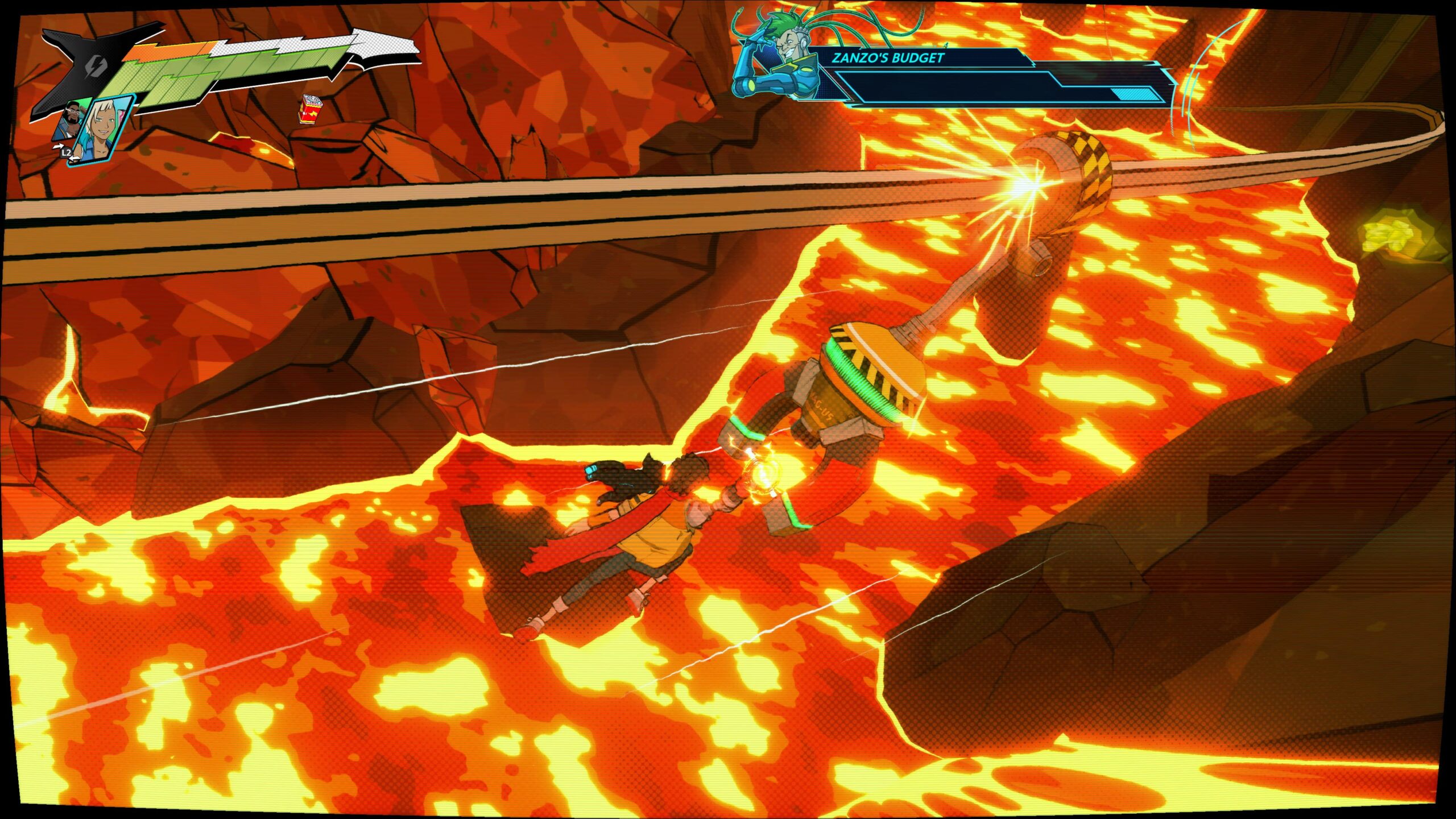
The main thing I’d point at is, quite frankly, the soundtrack. For a game based on rhythm gameplay, the soundtrack is incredibly important and I don’t think it hits. Importantly, I think it feels limited by the gameplay. The soundtrack feels based around two specific things – 4/4 count and a very small range of difference in the actual BPM of the songs. This is then further restricted by the music needing to loop as its the constant background beat of the levels and needing to be simple enough to not be a distraction during combat, which pushes it into sort of simple rock territory. It often feels like it might as well be a background metronome instead. For level stretches that are 30+ minutes on the same basic track with some layers fading in and out, it gets repetitive and boring.
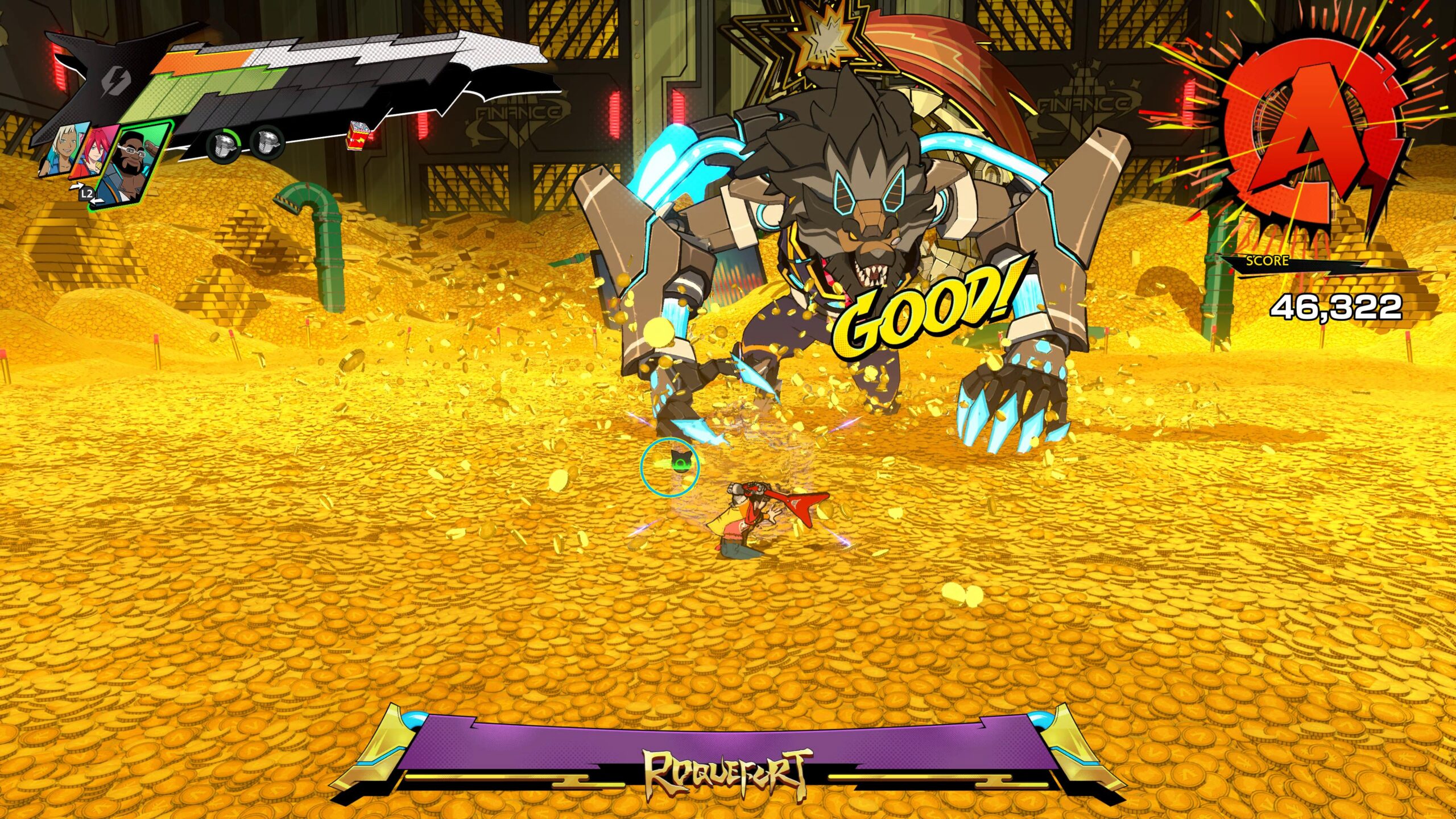
The simplification problem extends into combat though, which is particularly frustrating. Attack combos are combinations of one (fast) and two (strong) beat attacks and that’s basically it. Some attacks have rest beats after a fast attack input that take the place of a strong attack, but there’s no more variety than that. There’s no eighth-note inputs to do more complex rhythms. There’s no attacks that are tied to the music at all. Dodge and parry take the place of light attacks on the beat. There’s so many options here to do more interesting things with the musicality that just weren’t taken, so the rhythm integration feels shallow.

I also found it incredibly annoying that quick time events didn’t start on the 1 of a measure. To me that feels like such an obvious music tie-in, but they would just start on the nearest beat to when they are triggered. It ultimately made the QTEs feel disengaged from music when an enemy attack chain that you need to block could start on the 1 or the 3 or the 4 and not care about the music track, again going back to “this could just be a single-tone metronome”. The QTEs would take five beats to show the incoming button combo, then give you a beat of gap to start inputting the button combo. It just felt all arbitrary and disconnected from the music. This is especially egregious for boss fights that used licensed music where tighter integration would have been even more desired.
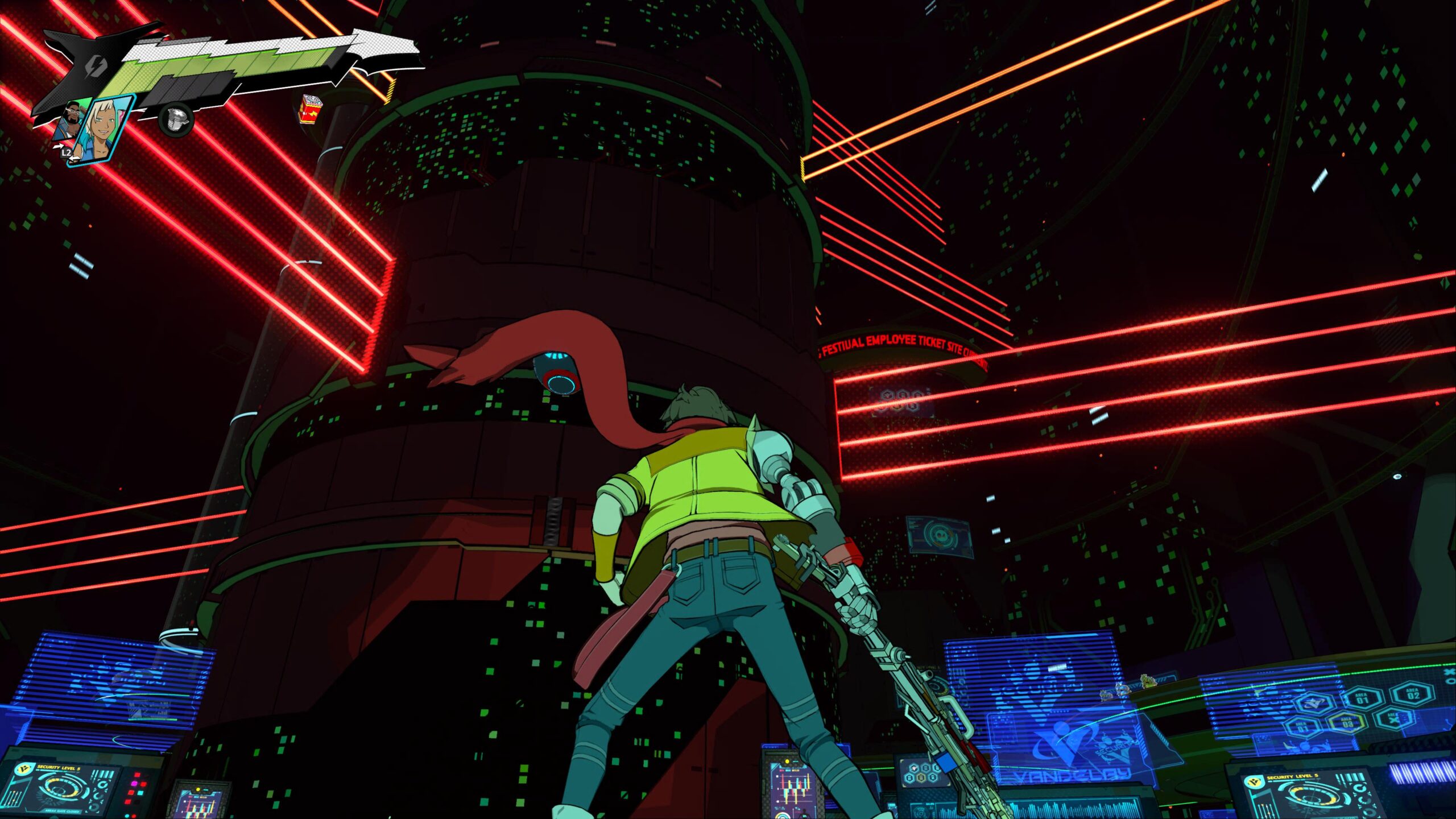
I guess what it really boils down to is that I don’t think the game benefits in any particular way from the rhythm integration. I get that it is core to the story and tied up in that fashion, but I think the game would play better if it was 25% faster and using combos in a way similar to Devil May Cry. The rhythm integration just pulls down the pace of combat in a way that ends up feeling forced and kind of lifeless. This could absolutely just be a story based around a world where the music is well integrated into the world without being forced into the gameplay, and games like Jet Set Radio have proven that possibility. The platforming aspects could still be tied into the music as timing mechanisms. The visuals of the world could dance with the beat like they do now. I just have a hard time really thinking that the rhythm aspects have made the gameplay better here.

Realistically the reason that I kept playing through the end is that the stuff around gameplay is so good. The visual design of the game and the way that literally everything moves to match the rhythm of the music is incredible. The characters are goofy and fun and have great interactions with each other. The story is slightly predictable cliche science fiction, but it’s effective and fun and a perfect accompaniment to everything else. The world that they’ve built here is fantastic. The integration of secondary characters that can jump into combat for special attacks adds a nice dimension to combat. The tuning that you can do with combat add-ons gives good personalization to the way you fight.
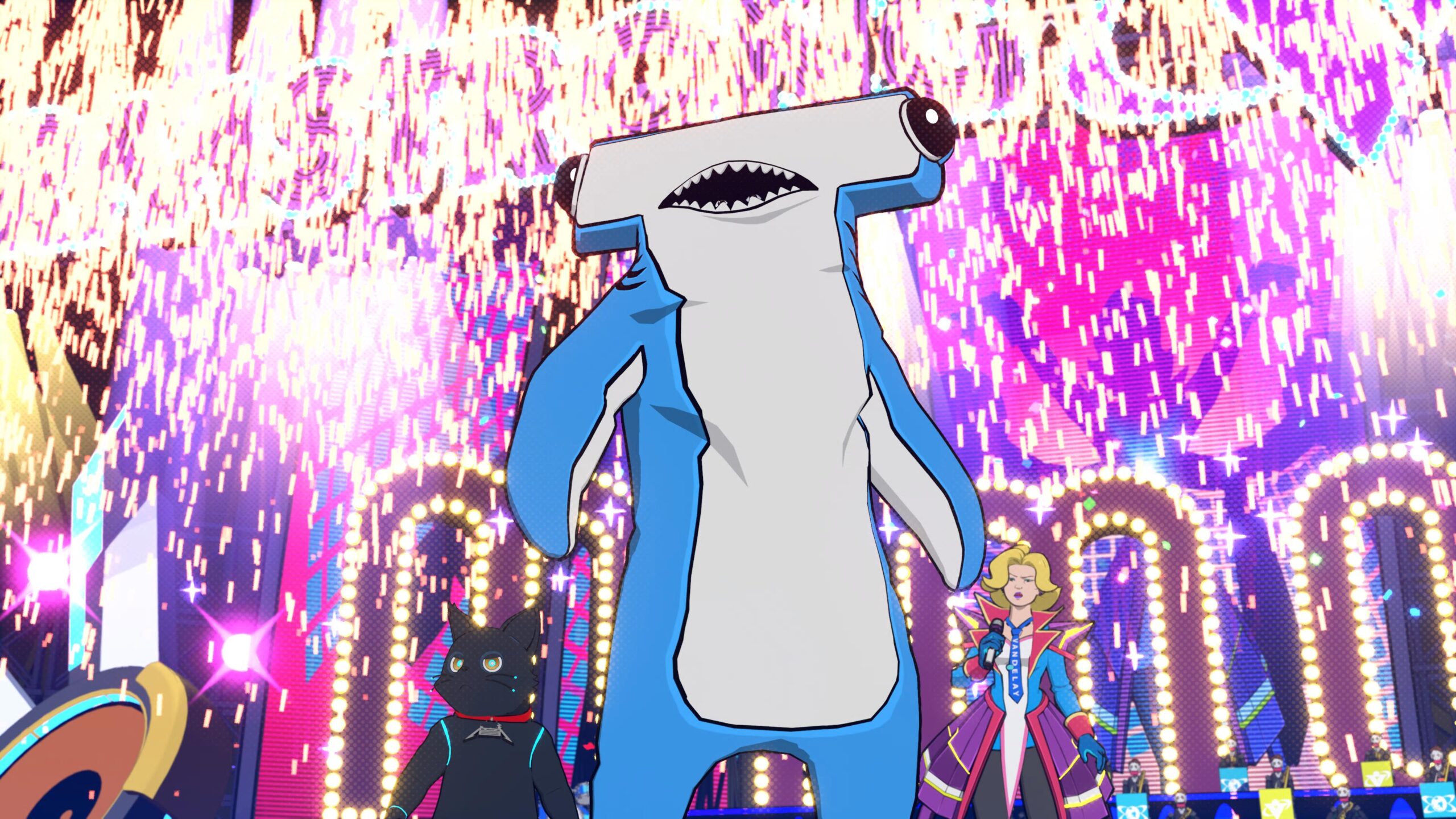
This is one of those cases where I’m not entirely sure where the critical acclaim is from. There’s a lot I can forgive and still internally rate a game very highly, but this one makes me think I’m missing something that other people are seeing. Maybe I’m just too critical of gameplay over experience. Maybe I’ve been a musician for too long and the rhythm ties bother me more than a typical user. Maybe I want something faster paced than this just for the sake of it. Whatever it is, the biggest surprise here for me is how much this just did not click.

Game Ramblings #89.1 – Mini Ramblings – Cadence of Hyrule: Story Mode – Octavo

Original Ramblings

A bit of a surprise expansion to Cadence of Hyrule dropped this week, a new story path for the game featuring the game’s main villain Octavo. I went ahead and did a run through of it, and while this didn’t necessarily warrant a full post, I did a bit of a Twitter-focused mini ramblings. Below is that thread.

Game Ramblings #89 – Cadence of Hyrule: CRYPT OF THE NECRODANCER FEAT. THE LEGEND OF ZELDA

More Info from Brace Yourself Games

  • Genre: Rhythm RPG
  • Platform: Switch

This is definitely one of those games that I assumed would work when it was announced, but you can never really be sure. Outside of the obvious rhythm gameplay of Crypt of the Necrodancer, it’s not that far off of Zelda. It’s still basically an action RPG with a bunch of inventory. It still encourages you to romp through effectively dungeons to progress. It’s god a damn good soundtrack. But still, this is Zelda. Somehow this has come out and feels great, feeling like each of their series at the same time without losing anything in the process.

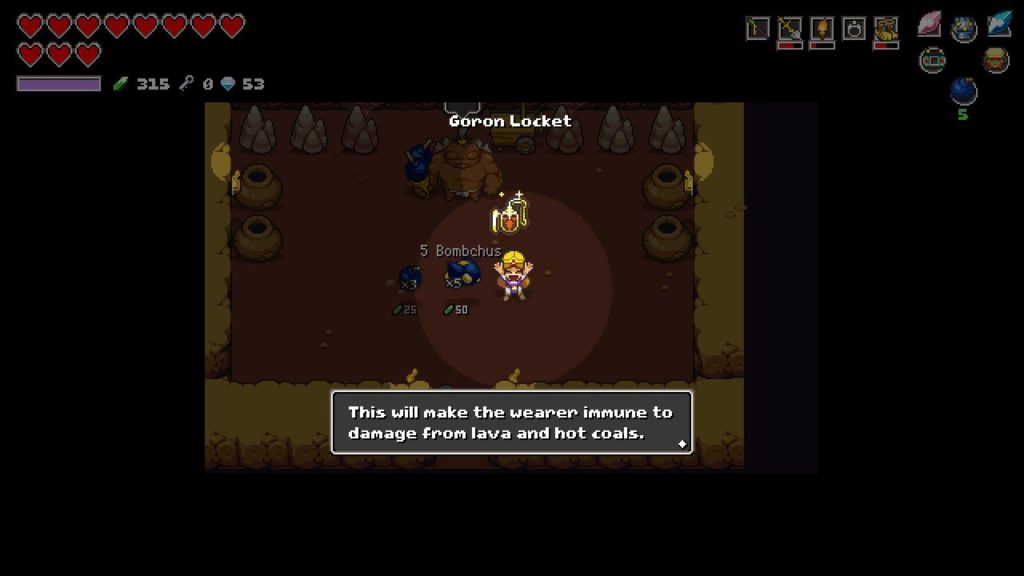
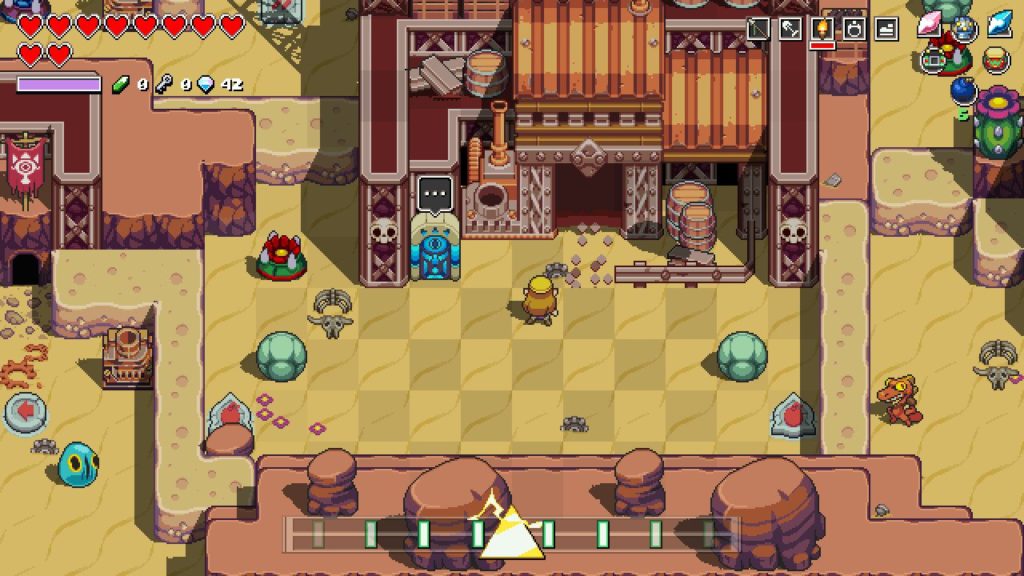
Under normal circumstances, this would be a screenshot of a standard Zelda 2D title, but that little bar at the bottom is where it starts to separate itself.

The screenshot above does a good job of visually laying out how much things are the same, but totally different. On the surface, this looks like a 2D Zelda-series RPG. There’s some familiar looking enemies, a normal item wheel, hearts, rupees, keys, a slightly angled camera viewpoint. However, that little bar at the bottom and the specifics of the grid are where you start getting the Necrodancer gameplay.

Like Necrodancer, any movement or attack is most effective when done on the beat of the music. At the same time, enemies also move and attack on the beat, so you’ve got a play around keeping on eye on what you’re doing and an eye on the enemies to make sure you aren’t getting trapped. While it’s technically a turn-based game as a result, the practical pace is really close to an action RPG and it ends up straddling the line between familiar and new really well.

Combat is also a bit different than expected for a Zelda game, mostly due to a large unexpected variety in ways to attack. Each character that you control has its own specialty, and you can swap between Link, Zelda, or Necrodancer’s Cadence at any time once you reach them. You’ve still got your Link-style broadsword attacks that hit a wide line in front of the player. However, you can also use spears for extended range straight attacks, flails for L-shaped AoE style attacks, or daggers for real close-range combat. Even on defense you have more variety than just Hylian shields, with characters like Zelda able to activate a projectile-reflecting magic shield if timed correctly. You can even add modifiers to your weapons like health drain or poison to add some additional flexibility to your loadout.

The positive outcome of all of this is that I really spent time modifying my gear loadout and character selection based on what I knew would be most beneficial to me at the time. Early on I went more spear-focused in order to keep enemies at a larger range from me. As I gained some hearts and defensive items, I started moving into broadswords in order to take out more than one enemy at a time, even if it allowed them to get closer at range and occasionally hit me. As a whole it ends up in a battle system that has tremendously good flow due to the rhythm focus, but still has a ton of ways to play to your strengths at any time in a way very reminiscent of high end ARPGs.

It definitely helps that there’s a lot of familiar things in the gameplay though despite all the changes. You’ve still got to save up your rupees to buy things in shops. You’ve still got to visit Kakariko Village to move forward. Hell, you’ve still got to get lost in Lost Woods as part of your quest. However, through it all the focus on rhythm gameplay really feels like a fun fresh take on the Zelda formula.

And oh boy that soundtrack. The Zelda soundtracks on their own are really special, and really familiar to a lot of gamers. Living up to that alone is something that shouldn’t be taken lightly. However, the need to really hit a music pace that allows for a good gameplay pace added a level of technical need that the team really nailed. The familiar Zelda themes are morphed into new genres – whether it’s jazzier takes on the main theme or Song of Storms, or more dance-based overworld themes, or even rock-focused takes on the Gerudo Valley theme – that really push a fast gameplay pace while still being fantastic takes on familiar themes. This is the rare game where the soundtrack alone is worth the price of purchase, but you still get a great game on top of it.

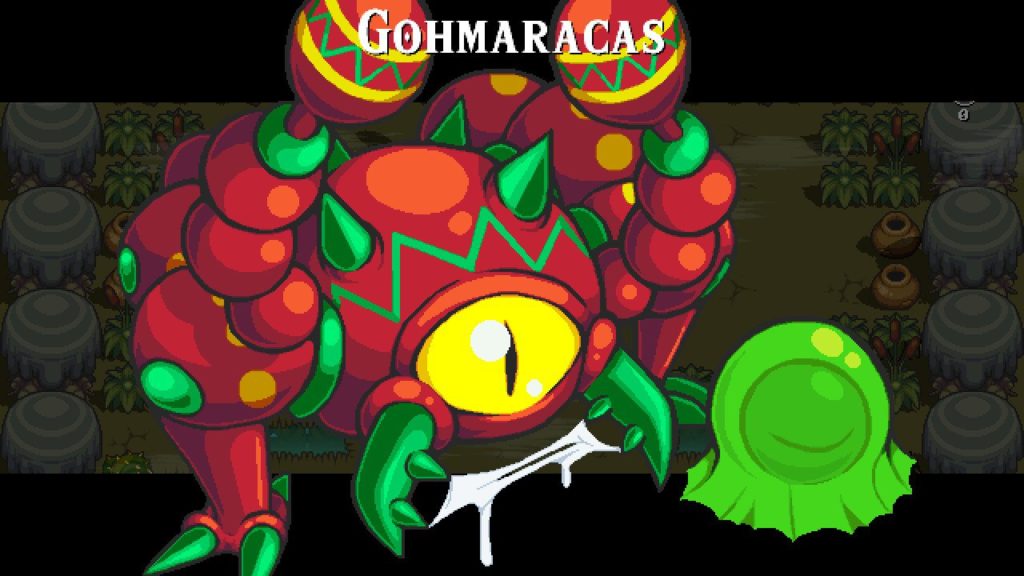
It also helps that the bosses are punny as hell.

This is definitely a game out of left field. While Necrodancer on its own is a fantastic game, the fact that Nintendo allowed for the Zelda license to run wild in the Necrodancer universe. What ends up coming out of it is something that just works fantastically well – as long as you’re comfortable in the rhythm style. Is this going to be a replacement for the upcoming Link’s Awakening remake? No not really. Is this better than I could have hoped for as a way to get more Necrodancer content? You better believe it.