Game Ramblings #222 – Pokemon Pokopia

More Info from Nintendo

  • Genre: Action RPG/Sandbox Builder
  • Platform: Switch 2

Having played Dragon Quest Builders 2, I knew roughly what I was getting into and where my expectations were. I figured I would effectively be playing the sequel to that game with a Pokemon covering. That’s definitely the bulk of what I got and those things tied to the IP were well integrated. However, what I also got that I didn’t expect was an incredibly dark story backing the setup to get us into the game, but we’ll get to that.
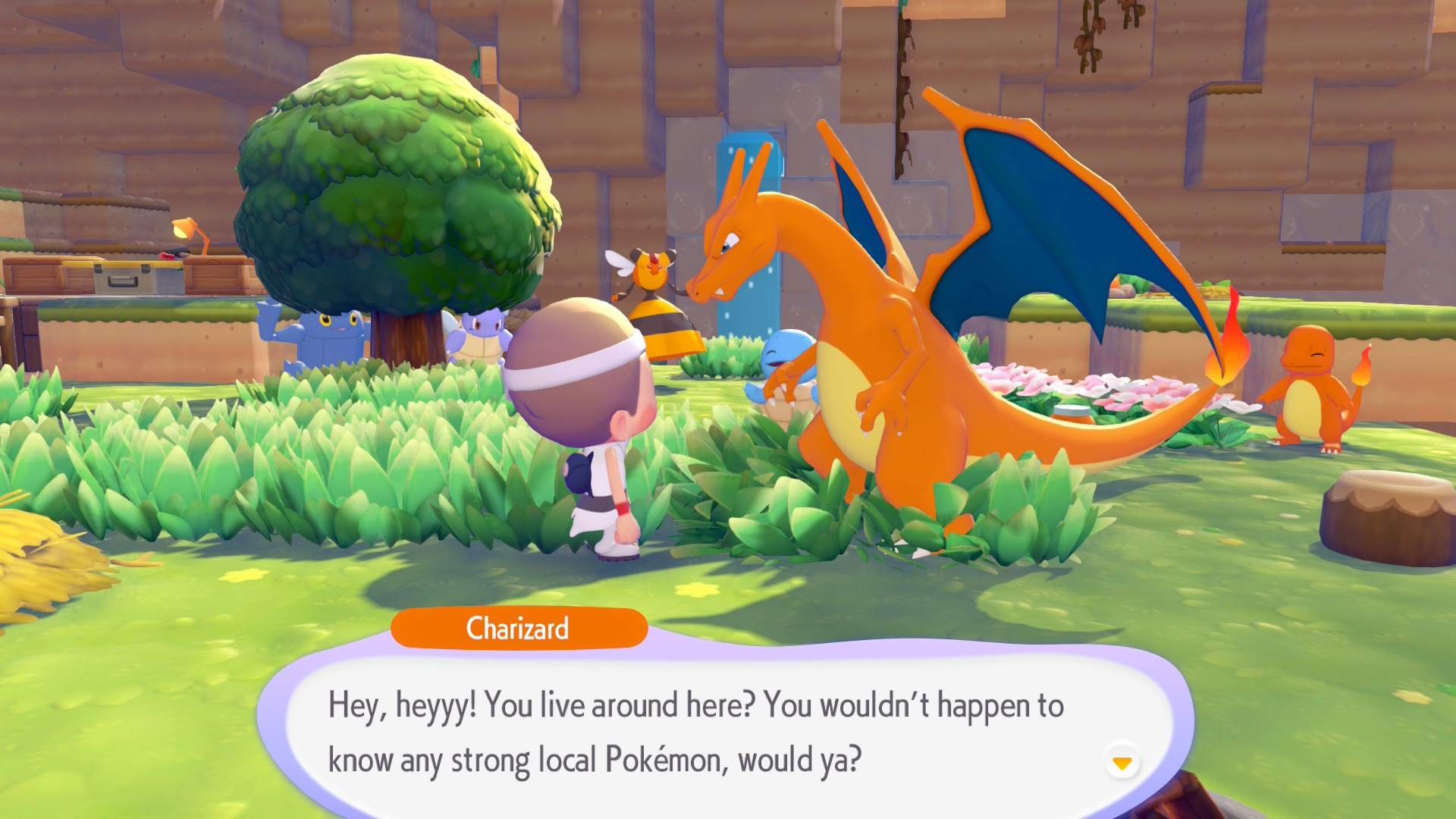
A lot of what made the building aspect of DQB2 work so well for me was indirectly carried over and it really settled me into the flow of the game.

The big thing for me in DQB2 was that tasks could be automated – for example, you learn to farm and task a townsperson to continue doing that for you; you learn to cook a recipe and have a townsperson continue to do that – and that still exists in some respects here. Throughout the game you start getting Pokemon or placeable items that you can add resources to to automate production. For example, Scyther can turn wood into boards if you give them to him. If you create a smelter, you can add raw ore to it to get ingots if you have a fire Pokemon. If you give clay to a fire Pokemon they can create bricks. If you put limestone in a mixer you can have a Pokemon with the Crush ability make concrete. These are all little tasks that can be done to get advanced resources. The big change from DQB2 is that the player cannot do these on their own and must have recruited the Pokemon associated with the task.

There’s a similar aspect to building that comes over here, but again in a slightly less automated way. In DQB2 you can setup builds and apply townspeople to them, but the rest of automation allows things to kind of continue on in the background while you go do anything else. Here, you setup the build, bring all the resources, recruit Pokemon with specific specialties, then set them about building the thing.

It’s a little bit more player directed, but also less automated. In a lot of ways this kind of bugged me early on as it felt like I had to be a little bit too involved with my individual Pokemon and steering them to start things for me. However, over time I kind of got used to just bringing Pokemon resources and things to do and assuming that over time they would naturally get around to handling the tasks for me and being less focused on one specific thing to do now and more on doing a wide range of tasks over time. I can easily be running around building out habitats for Pokemon or cleaning up junk or building paths or shaping the environment and by the time I get back around to the resources I need to build some story thing they’re kind of just there. It ended up steering me more into the sandbox nature of the genre than I think I typically would have been comfortable with.
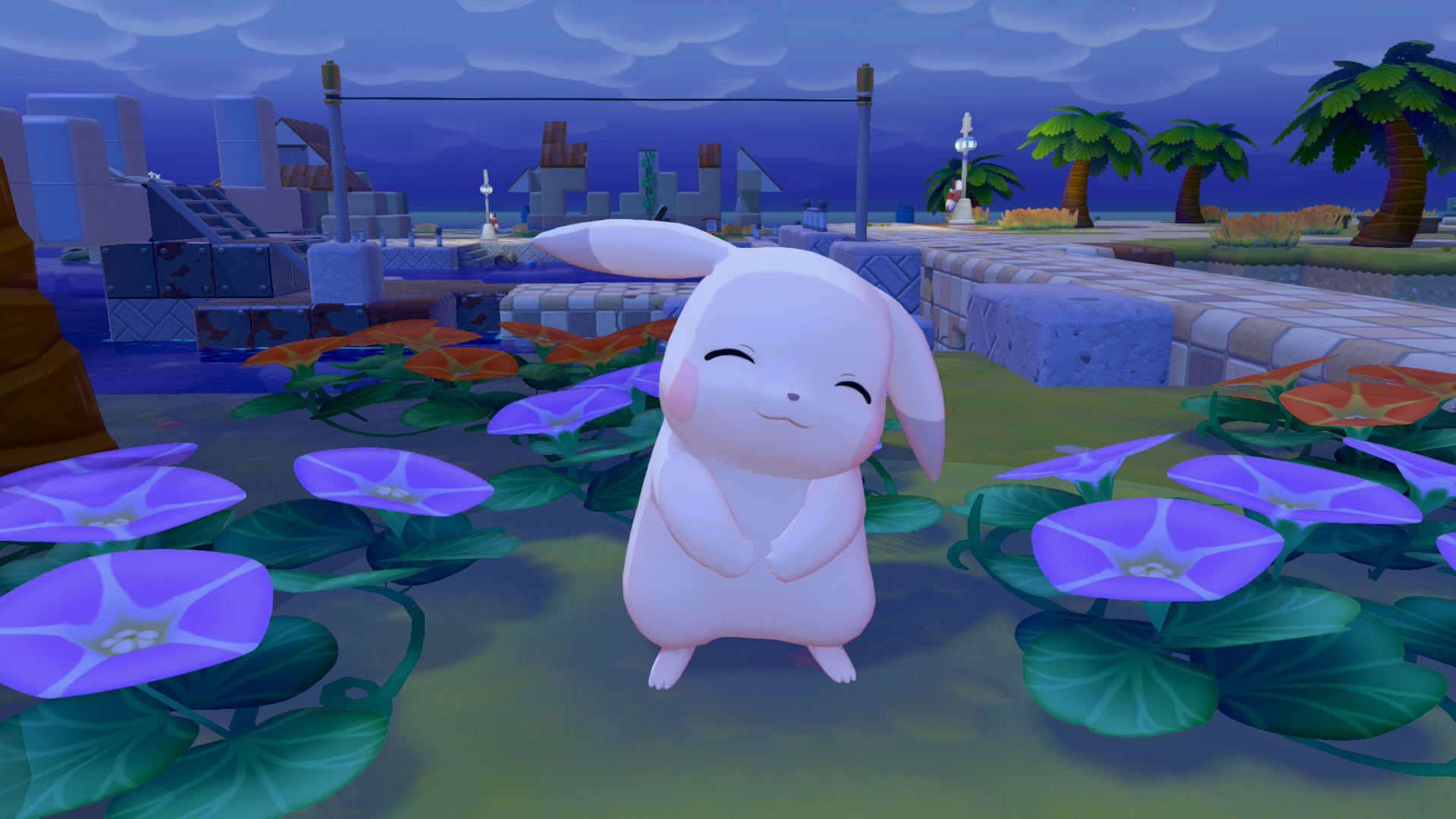
A lot of the systems are kind of that way. They’re similar to DQB2, but less automated and more player directed. Where the focus has instead changed is very well oriented with the Pokemon IP. Your focus is instead on creating environments to pull Pokemon into your towns.

Every Pokemon in this game has some habitat that it wants to live in. It may be a simple four square patch of grass, or maybe it’s flowers and a shade tree, or maybe it’s a vegetable garden, or maybe it’s a volcanic rock next to lava, or maybe it’s a perch on the edge of a cliff, or maybe it’s a patch of grass that is also next to the ocean, or maybe it’s a patch of moss that is also next to a hot spring. The point being is that the player’s focus is on very specific micro tasks to bring new Pokemon into your town, and specifically because you need a variety of Pokemon to get everything done.

There’s about 30 abilities in the game and having a wide variety of them is extremely important. Some are pretty generic and end up being used across all your towns. It may be something like Burn to light campfires used to recruit certain Pokemon or Chop to create Lumber or Fly to allow you to fast travel to specific Pokemon. Some are instead pretty directly tied to the story like Rotom’s DJ ability to play music for a town party or Tinkmaster’s Engineer ability used to build a large story-focused building. Making sure that you recruit a wide range of abilities ends up being a more driving factor for your towns than the automation of DQB2 as it makes it far easier to tailor your current needs to the area you’re in if you have the ability to task any Pokemon there to do something for you. It’s also the thing that is so obviously tied to the IP as the abilities at play, how to recruit Pokemon, and ultimately getting that “collection” of Pokemon in your towns is the most Gotta Catch em All tie-in that the game has.
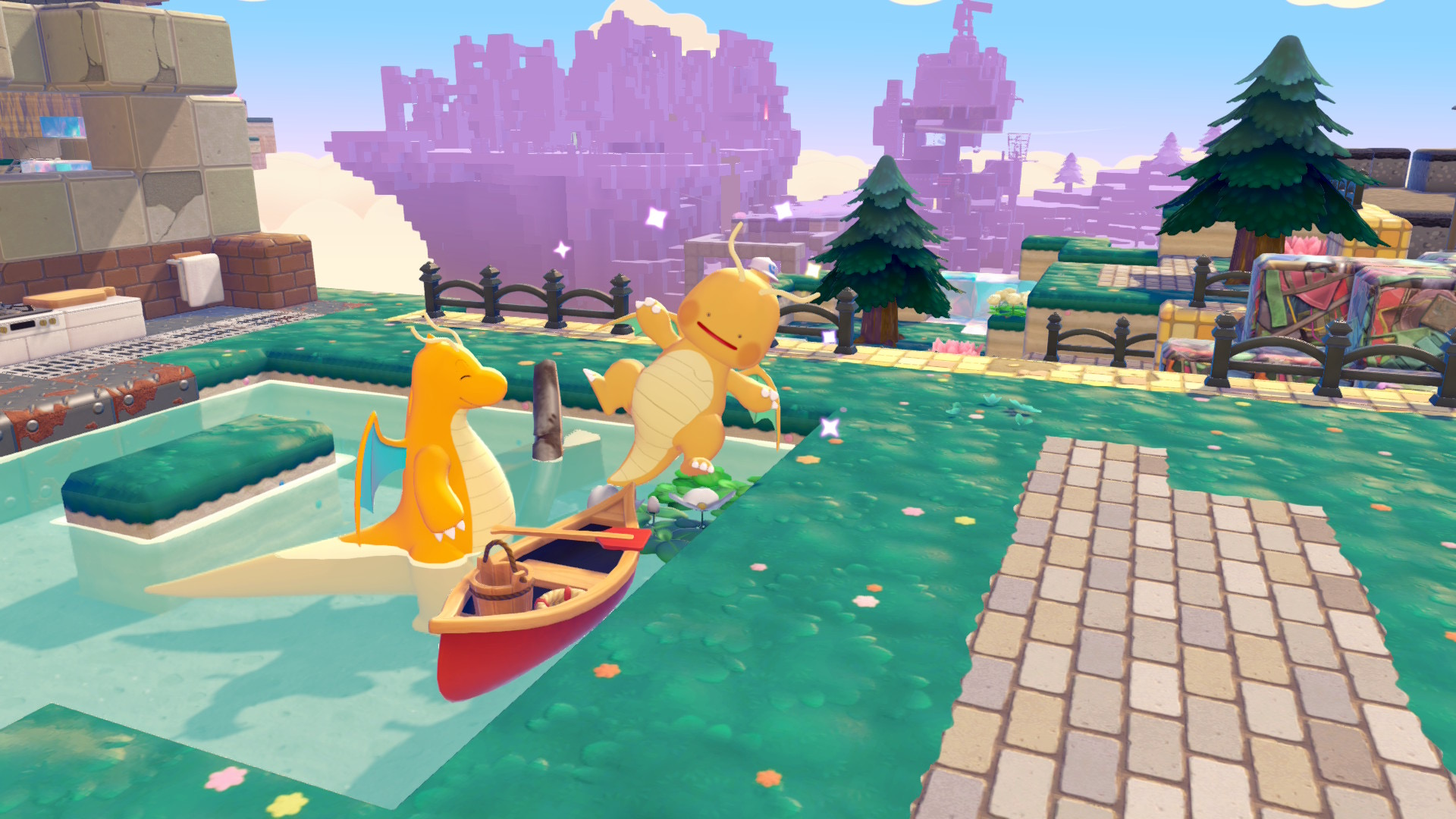
The one omission that did surprise me is that there was no battling. Pokemon is about collecting but it’s also about battling and the lack of it kind of points right into the overall plot. Do Pokemon battle because they’re told to or because they naturally do? Without humans, is this coexistence kind of their natural state?

So then, let’s look at the story itself. It’s dark if you actually read into it.

Spoiler

The TL;DR version is that this is the world of Pokemon, largely taking place in Gen 1 ruined cities, and all humanity has left Earth because the environment was destroyed. Rather than taking their Pokemon with them to space, they left them in the existing PC storage infrastructure in the event they could ever return back to the planet’s surface. During this process a hacker put in place safety checks to automatically release Pokemon if the return to the surface took too long and the environment improved enough to support Pokemon existing.

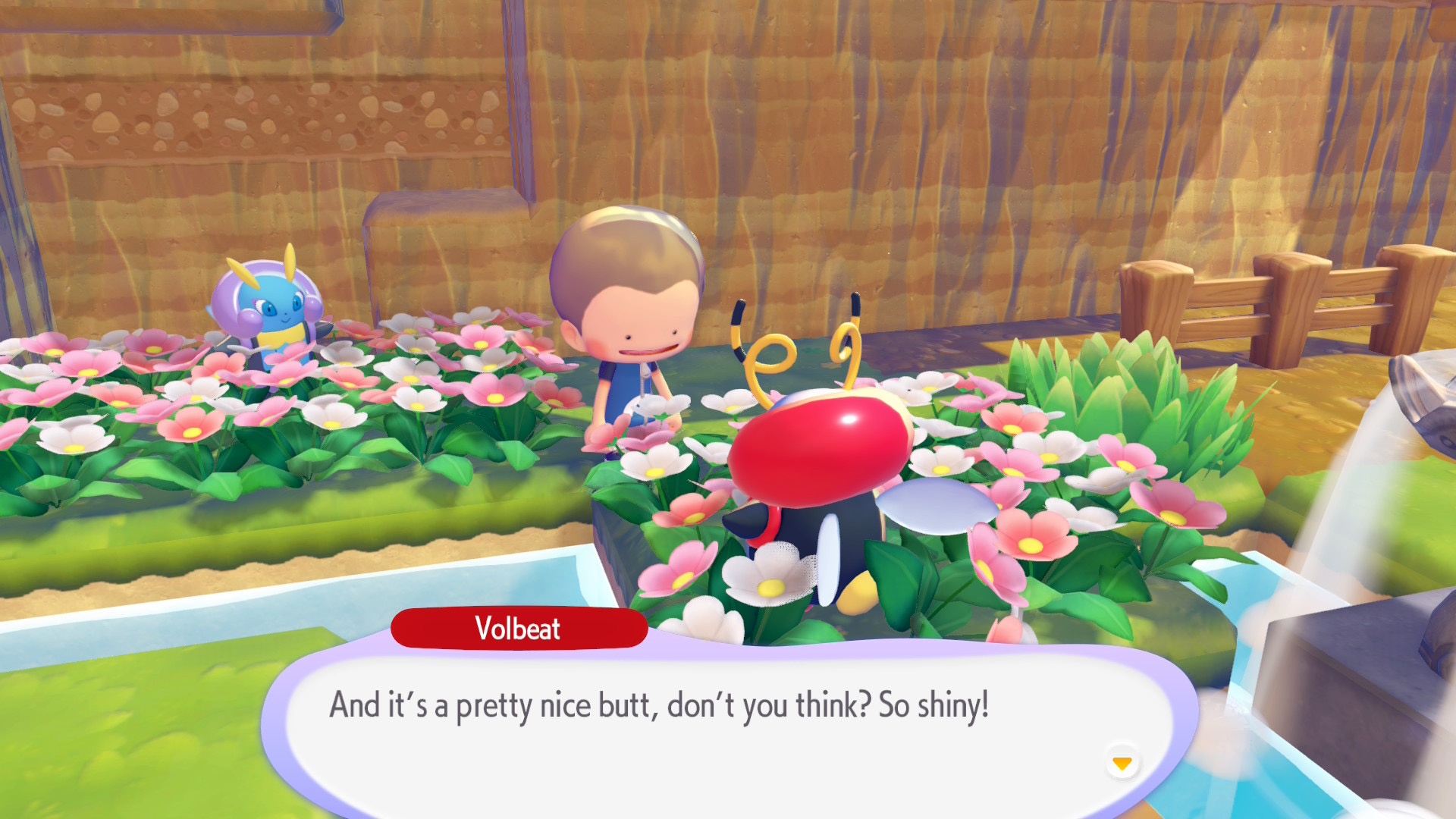
This kind of implies a few things. For one, humanity left and never came back and it’s not really specified how long this has been. Everything being ruins implies at least decades, if not centuries, and humanity existing at all is only finally confirmed in the credits sequence. It also implies that Ditto is a freak and can kind of exist anywhere, and that it was kind of lucky that Ditto happened to come out around the same time that Tangrowth also did, leading into the player starting to improve the world. It implies that the player setting up habitats for Pokemon isn’t actually recruiting wild Pokemon because they all likely were killed by the natural disasters but instead is setting up habitats in a way that the PC storage system finds candidate Pokemon to release back into the wild. The fact that humans were not accessing their Pokemon in space also implies that humanity is far enough away that they literally cannot and do not have access to Earth’s systems and they kind of just left it all behind. All throughout the game it’s hammered into the player that the Pokemon miss their humans, and the game resolves by basically showing that humanity will not know about the Pokemon fixing the environment for long enough that it’s unlikely the Pokemon are still alive. On the surface this just looks like a cute Pokemon game, but the lore ends up being horrifying to think about.
[collapse]

Like the Pokemon Legends games, this is a breath of fresh air for Pokemon. It’s very obviously Dragon Quest Builders 3 in a different IP, but it works pretty seamlessly. It takes systems that worked from that series, morphs them a bit to fit into collecting Pokemon, and hits a really good balance of IP nostalgia and solid core systems that are slightly pushed in a direction that fits Pokemon better. Frankly, it also fills a hole left by the lack of a new Animal Crossing game. It’s just a really solid game.

Game Ramblings #215 – Pokemon Legends: Z-A

More Info from The Pokemon Company

  • Genre: Action RPG
  • Platform: Switch 2
  • Also Available On: Switch

This is such a strange game. At a glance it feels like it should be terrible – a Pokemon game contained to a single city with limited zones in which to catch Pokemon. However, they made a crucial decision to focus on combat and boy did that benefit the game as a whole.

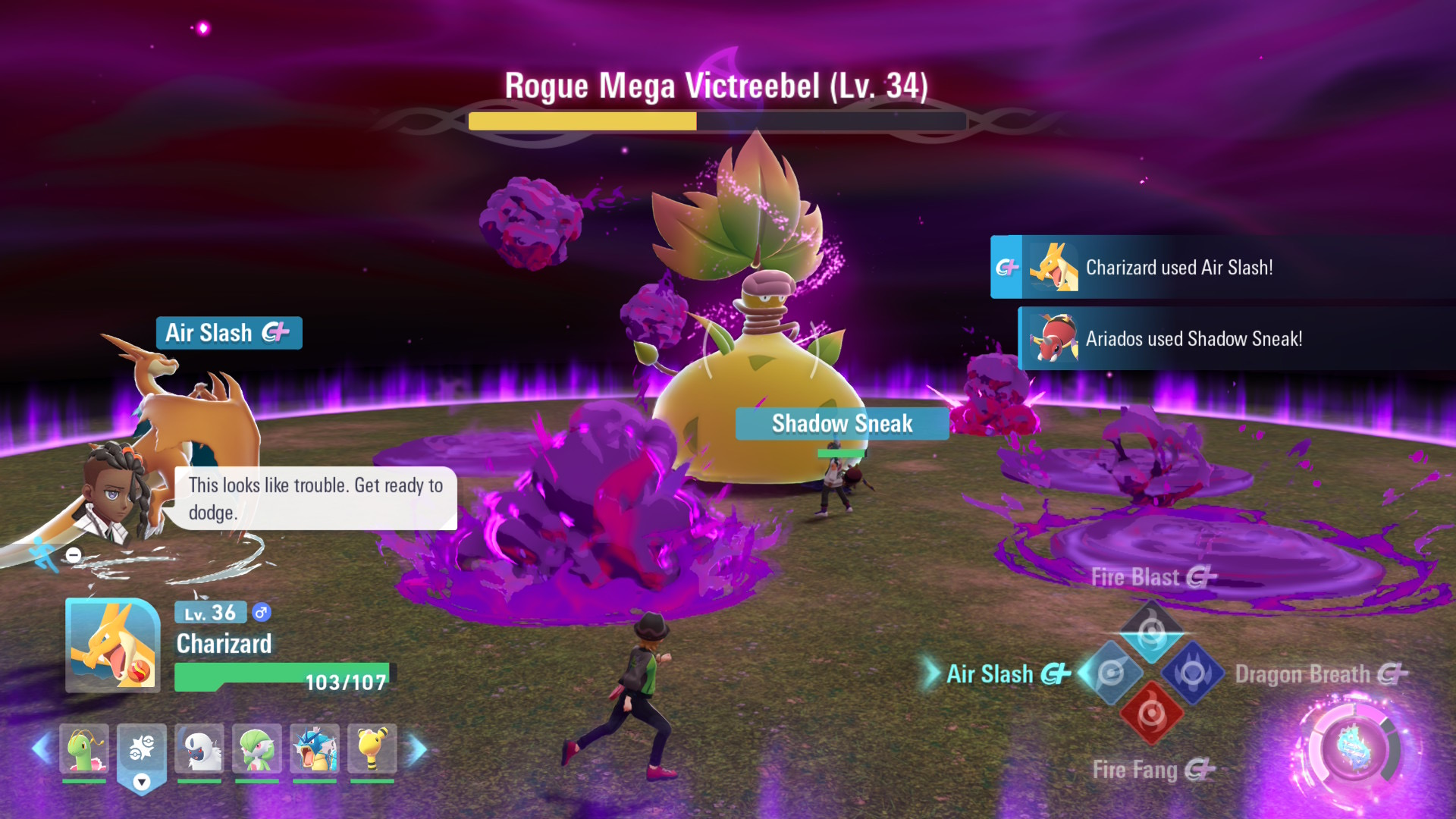
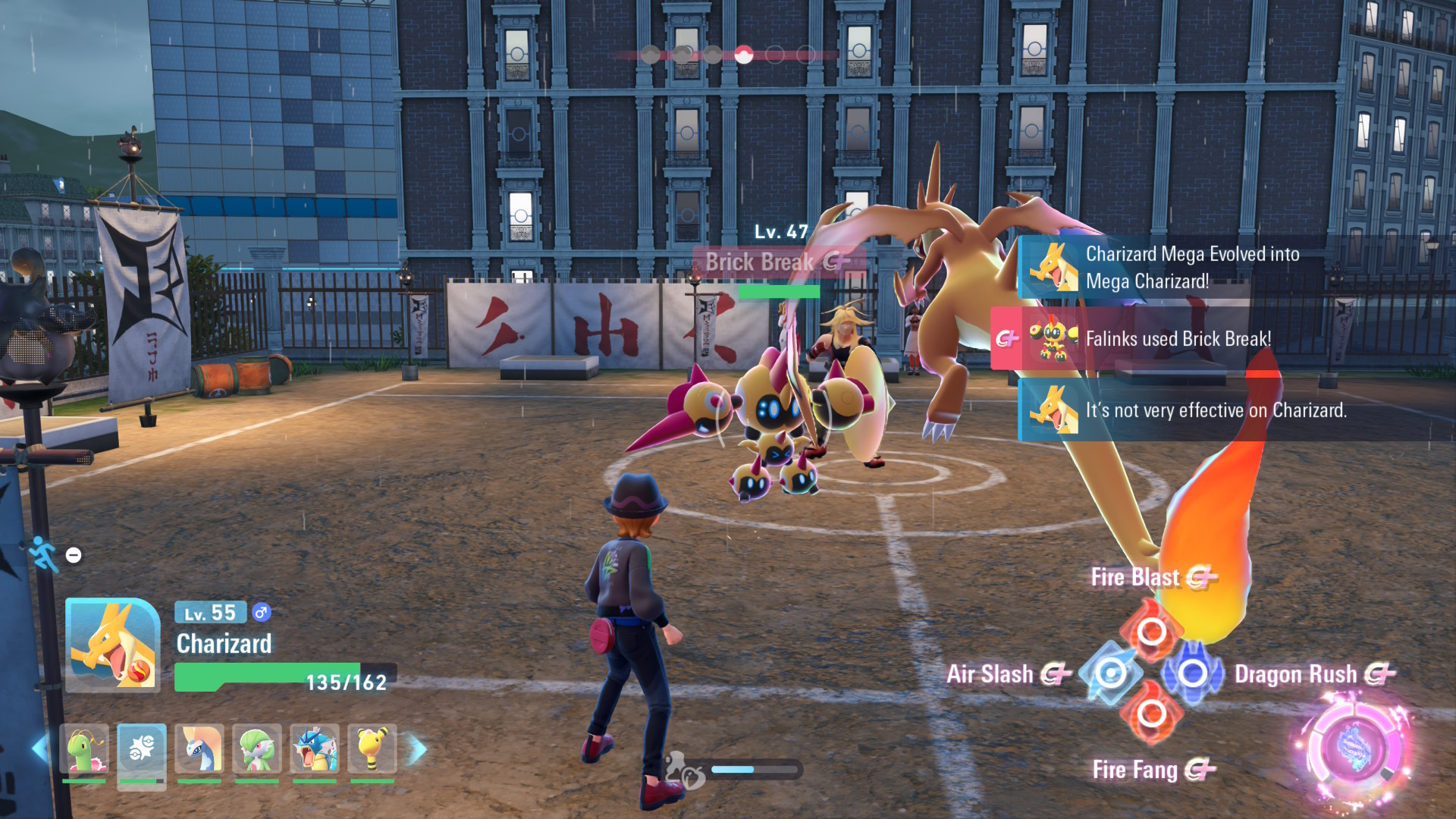
If you’ve played the previous Pokemon Legends: Arceus, there’s really nothing to talk about except for combat. Simply put, combat is now done in real time in all situations. There’s no difference between fighting a wild Pokemon and fighting a trainer battle and they really lean into that. You as the trainer run around and avoid being hit by stray attacks while simultaneously hitting buttons for relevant attacks. Pokemon are quickly hot swapped so trainer fights don’t lose the real time feel as you go through your lineup of Pokemon swapping out to gain type advantages. It plays a really tight line of familiar but new for the series, even compared against the same feeling of Arceus. However, I do think it has some rough spots in their first attempt at real time.

The first obvious problem is that I think the player’s active Pokemon has too little agency of its own to actively fight. All ranged attacks are relative to the player and the Pokemon tries to follow the player around if they aren’t being actively commanded, and that’s frustrating as hell. As a player, I have to reposition frequently to avoid being hit by attacks, which then causes the Pokemon to get into spots where it has to wildly reposition just to throw a ranged attack which is always at a fixed spot relative to the player’s position, wasting a bunch of time while it repositions. The Pokemon then often gets into spots where its ranged attacks hit things that it should simply be obviously avoiding. It might be an edge of a fence or a tree or the top of a stair that will clip the attack, blocking it from hitting. It’s just consistently dumb as shit that this occurs, because a Pokemon should clearly be instinctively smart enough to reposition itself a bit to avoid this.

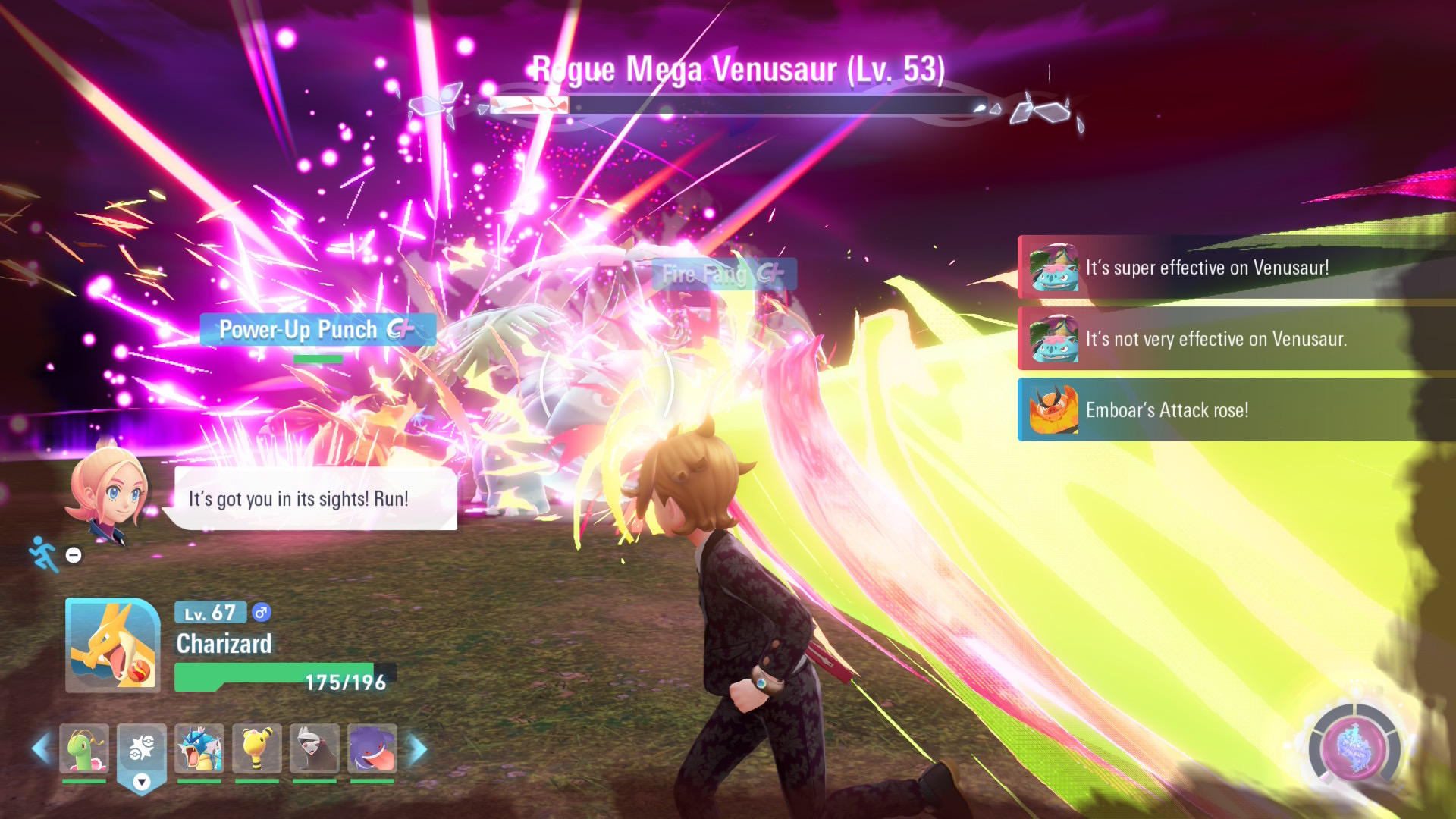
Where this gets particularly frustrating is that they very clearly designed the big PvE boss fights to avoid this. Those fights are all just against a Pokemon on a flat surface, and they’re spectacularly fun. These fights become some of the more chaotic avoidance situations in the game, ranging from anything like pool avoidance to bullet hell situations. Some of the early ones are certainly more straightforward damage checks, but later ones start to test the player’s ability to not just faceroll the attack buttons and actually stay moving more often. And they WORK because they DO NOT REQUIRE THE POKEMON TO THINK.

This is then compounded by the large amount of trainer battles that the game pushes you into. If Arceus was about collecting and not having trainer battles as much as possible, this is about as far opposite as you can get. There are entire segments of the game loop dedicated to trainer battles, where sections of the city are cordoned off each night just for trainers to battle in. This is where you get a lot of mileage out of having a traditionally setup party to counter as many Pokemon types as possible, but it’s also where I have my second real problem with the combat system.

Trainer battles in traditional Pokemon games largely involve you guessing your way through the first Pokemon then distinctly having the advantage to switch Pokemon simultaneous to your opponent, leaving you with a type advantage as long as you can generally know or guess the upcoming Pokemon’s weaknesses. That isn’t present here, but it’s also combined with an annoying delay when switching Pokemon where the Pokemon has to play a spawn animation before it can even begin to move for both the player and NPC characters. Generally it leaves the Pokemon open to being hit at least a couple of times before it can even begin to move. This leaves the defending Pokemon with an always present inherent disadvantage to having been put into battle, which feels generally off in the spirit of Pokemon fights. It’s not necessarily that I want to have the guaranteed type advantage of the turn-based games, but I want to at least be able to quickly get a Pokemon into battle and fighting, rather than watching it slowly spawn and be hit.

However, the bulk of the trainer battles in this are inherently more interesting because of the open world and real time nature. You can sneak up on people and knock out their opener Pokemon before they even know you are there. It’s such a dick move if this was to be happening in real life, but as a videogame power fantasy it’s spectacularly fun and effective.

The thing is, despite me having what feels like real core problems with combat I still found this to be so tremendously fun that it again represents what I think is a better path forward for the series. If Arceus represented a quicker paced capture dynamic with an open world, this represents the feeling of Pokemon in a way that more closely matches the TV series. This feels much closer to what I think Pokemon is, with more trainer fights and less capturing but done in a much quicker paced setup inherently due to it being real time. This keeps important things about the core metagame for me – forming a party tuned to type advantages, swapping them out based on what my opponents bring in, making sure that I’m tuning my move set to take advantage of things that aren’t inherent to the types of my Pokemon – and reducing overall user friction by making everything easy to get to.

If I then take combat at face value and assume that some iteration could be done to smooth it out a bit, this represents a future that I think should be core Pokemon and not side game experiment. This combat applied to the Scarlet/Violet world design would work just as well, and in particular would allow them to eliminate their time saving measure of auto result-battles in the open world that always felt like a grinding crutch to me. This combat applied to gym battles in Scarlet/Violet would make those feel like even larger spectacles. This combat applied to Terastallized Pokemon fights would make those feel like skilled battles instead of dice rolls around picking the right overpowered Pokemon. There is just a lot to be gained from Game Freak paying attention to what they are creating with these experiments, and the hope is that they do pay attention instead of throwing it away again.

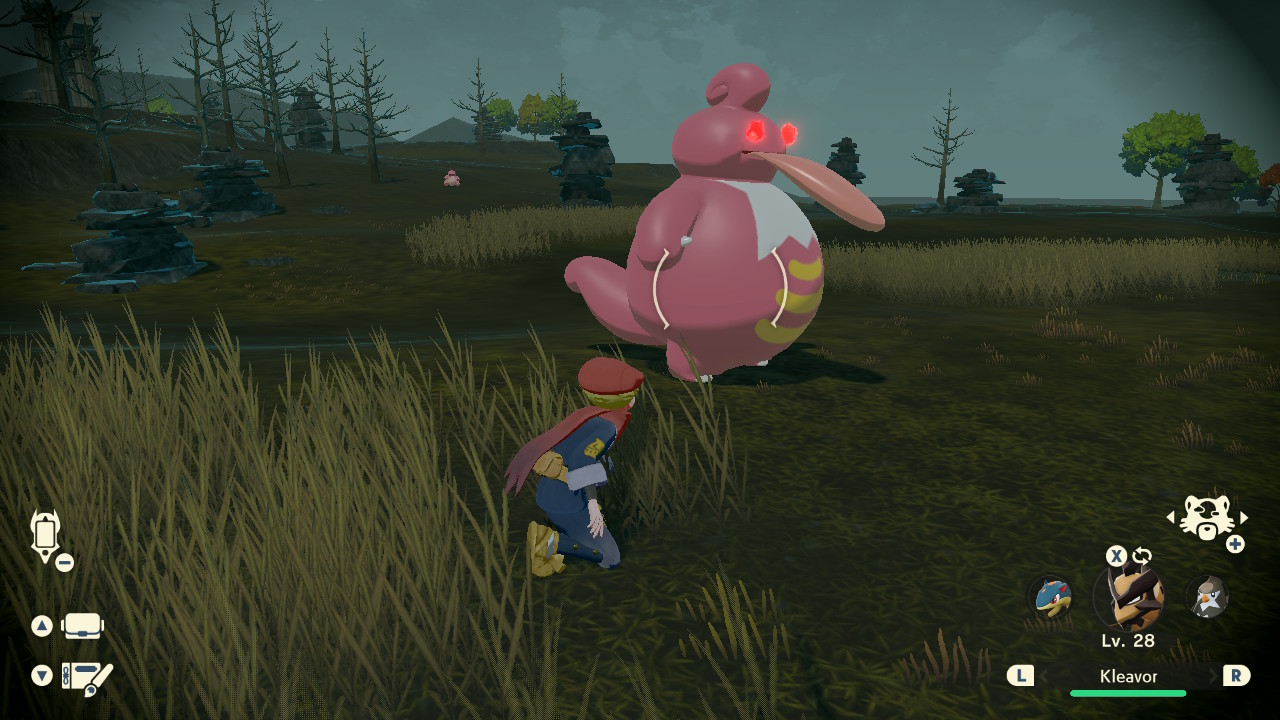
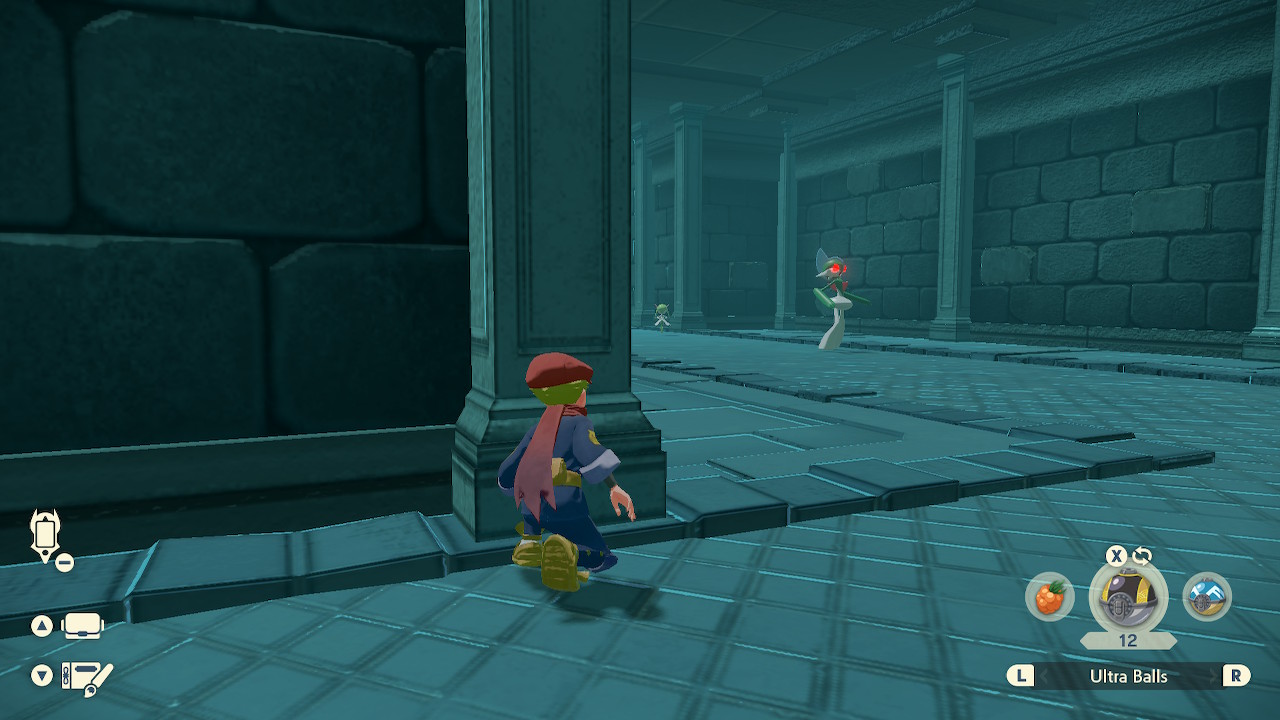
Game Ramblings #156 – Pokemon Legends: Arceus

More Info from Nintendo

  • Genre: Adventure / JRPG
  • Platform: Switch

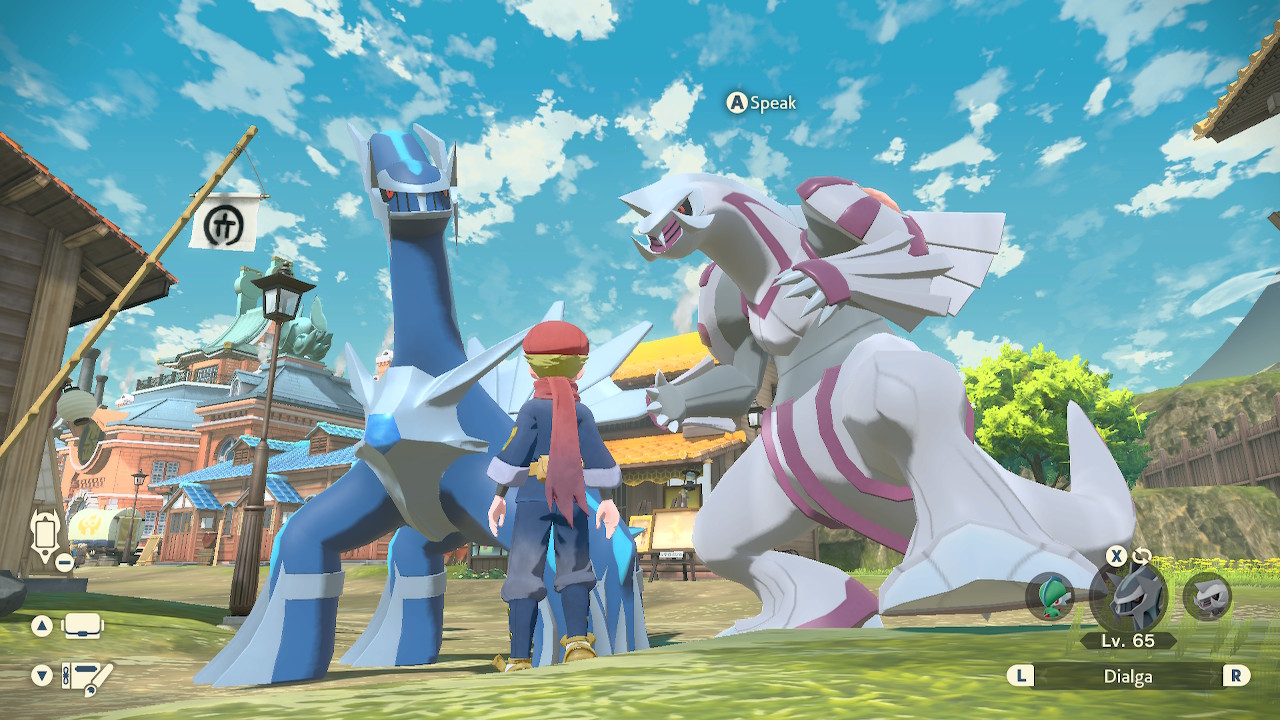
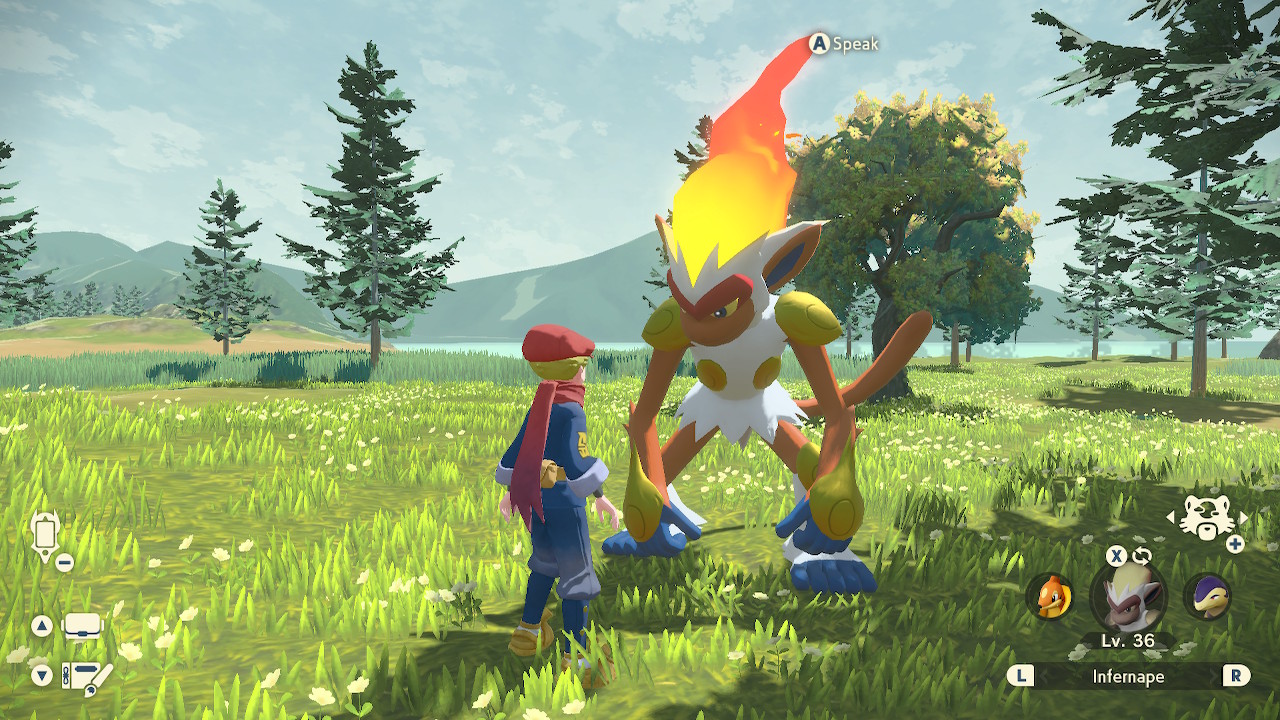
Look, this is a rough game. It’s hideously ugly. It still for some reason has Pokemon boxes without auto sorting. Balance is often entirely vague even with Pokemon 10+ levels apart. However, I can’t stop playing it. The core gameplay loop is so fundamentally changed but it works far better than I expected it to and in doing so represents a path forward for the series that I couldn’t have expected when Diamond/Pearl came out 3 months ago.

This game got ruthlessly shit on from the trailers, and frankly it isn’t entirely undeserved. This game is ugly more often than not. The Pokemon models are fine, and at least generally consistent. However, their art style doesn’t really match the world’s art style, and the world is atrocious. However, it doesn’t feel like laziness to me – it feels like a failing of technology. This is pretty clearly using some variant of the Sword/Shield engine stretched beyond its limits. The unfortunate thing as a developer, especially on an experimental title like this, is sometimes you just shoot yourself in the ass and this is one of those times. You get to a point where you can either delay a game by years and restart the core tech or just ship it with what you’ve got and move onto the next thing instead of cancelling a title. It’s time for this series to either move onto Nintendo’s own in-house engines or move to something stock, because it’s clear that Game Freak would be better served focusing on the games, rather than the engine.

However, once you get past that the game is a lot of fun, and it comes down to the core loop just really working. Rather than being gym-focused, the entire focus of the core game loop is research. You’re basically going out into the field, catching as much stuff as you can, and returning. That is the core of building the Pokedex here. The relatively non-linear nature of it means you can kind of wander off wherever you want, whether to focus on new areas or completing the entry of a specific Pokemon. The ability to fast travel back and forth to town means your play sessions are basically as long as you want them to be. The ability to craft (!!!!!!) Pokeballs, potions, etc means that as long as you’re collecting resources, you aren’t having to go shopping. If you run out, you just bring up the crafting menu and seamlessly keep your stock together.

It’s the type of loop that just works on the Switch in the same way that Breath of the Wild did. Your play sessions are as long as you want them to be and it doesn’t matter whether you’re doing a 30 minute or 3 hour block. In both cases you’re making appreciable progress that you can drop back into at any time. It’s a loop that just keeps you engaged and playing in an unexpected way.

Even within that loop, the changes work well though. The simple act of being able to catch a Pokemon without starting a battle while still earning XP for it is tremendous. It so completely speeds up the act of traversal that it allows the new gameplay push to just catch EVERYTHING to work. In the old style, the game would otherwise be a slog.

Even if it’s ugly, the environment being so open is also a huge change. Its openness isn’t quite BotW, but it’s also more than Sw/Sh wild areas were. From a gameplay perspective it’s a huge success. Different areas are visually distinct in a way that’s interesting on its own, but also allows for obvious placement of different types of Pokemon in a natural way. Bugs like Combee or Weedle live in the forest, which makes sense. Things like Spheal or Octillery can be found hanging out on the beach. Your Abomasnows are up in the mountain tops and your Magmars are by the volcano. It’s both obvious AND enjoyable. It’s not that they didn’t try to do this before, but it feels even further down the line of making the Pokemon world more natural than it even previously has been.

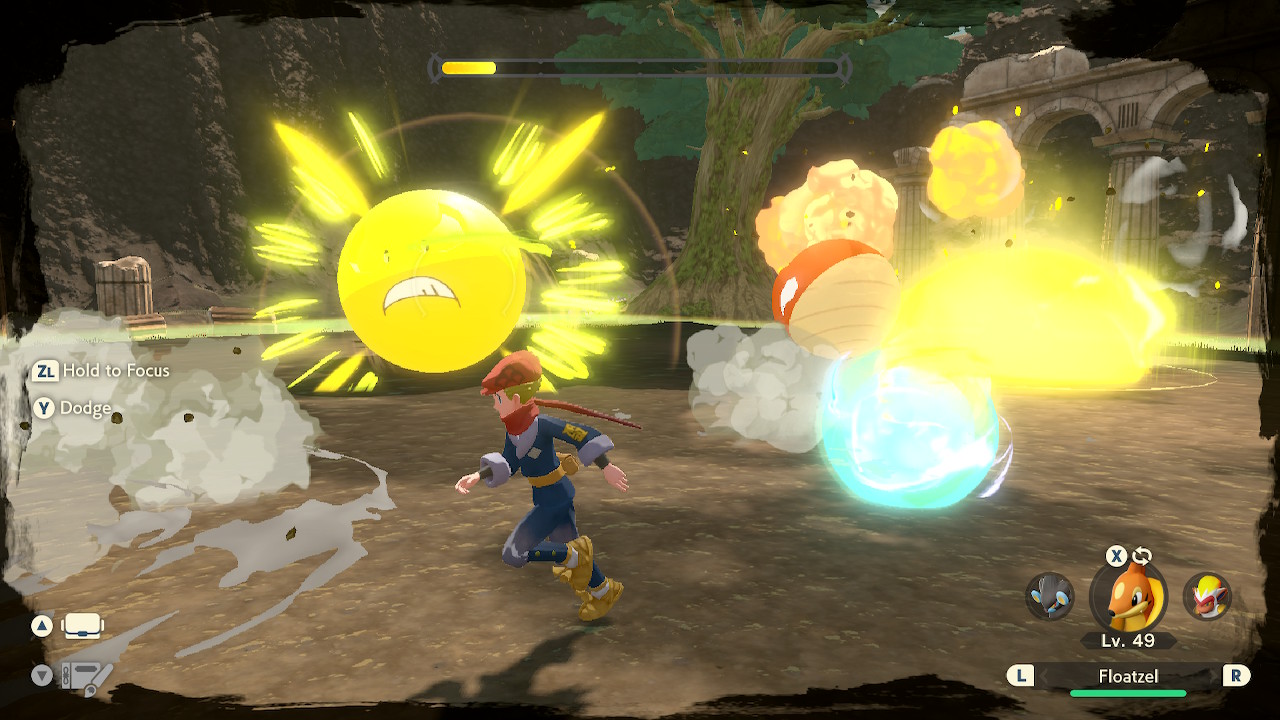
It’s also a nice change that the player is FINALLY ACTUALLY IN DANGER. You get attacked by Pokemon in the wild. You have boss fights where you as the player are physically attacking Pokemon and they’re spectacularly fun. It’s one of those things that for the past 25 years everyone has been going “well, why is the player immune?” and it finally happened.

That said, despite the big change to the core gameplay there’s a lot of rough edges here. I complained about it during Sword/Shield but the existence of boxes, let alone no way to auto sort them is still baffling. Even more so when your Pokemon are literally being sent back to an open pasture to live their best lives. A lot of the side content is fine in its existence and kind of attempts to drive completion of the Pokedex, but there’s very little variety or necessity to it. The combat that is there is fine, but I’d like to see the new core loop adapted to a game with a more traditional level of trainer battles.

Frankly, balance is also incredibly vague. One of the core changes is that all battles are now speed-based. Speed can mean that Pokemon go first, but also that they can go multiple times in a row. That alone can easily result in your Pokemon often getting one-shot before taking a turn, even when they aren’t at a type disadvantage. Pokemon 15+ levels below your active one can still do significant damage as well, so I spent a lot of time outside of battle healing or going back to camp to rest against things that really shouldn’t have been a danger. It feels like it was tuned to be difficult, but it instead comes across as odd, because type advantage is still the king and the changes made just make the exploration slower, rather than making the individual trainer battles more difficult.

If this represents a new path forward for the series then all the rough edges don’t really matter. It has its problems, but this pushes a new gameplay archetype for the series that just works. It’s familiar enough, but far more active and far more fun than the JRPG slog that the series has really become known for. If it’s instead just a sidetrack between entries, then hopefully it’s at least a lesson to them that it’s time to take a serious look at their tech stack moving forward. However, after how much I’ve been enjoying this one, I think it’d be a huge loss if this doesn’t represent the direction the series will be sticking to going forward.