Game Ramblings #217 – Metroid Prime 4: Beyond

More Info from Nintendo

  • Genre: FPS
  • Platform: Switch 2
  • Also Available On: Switch

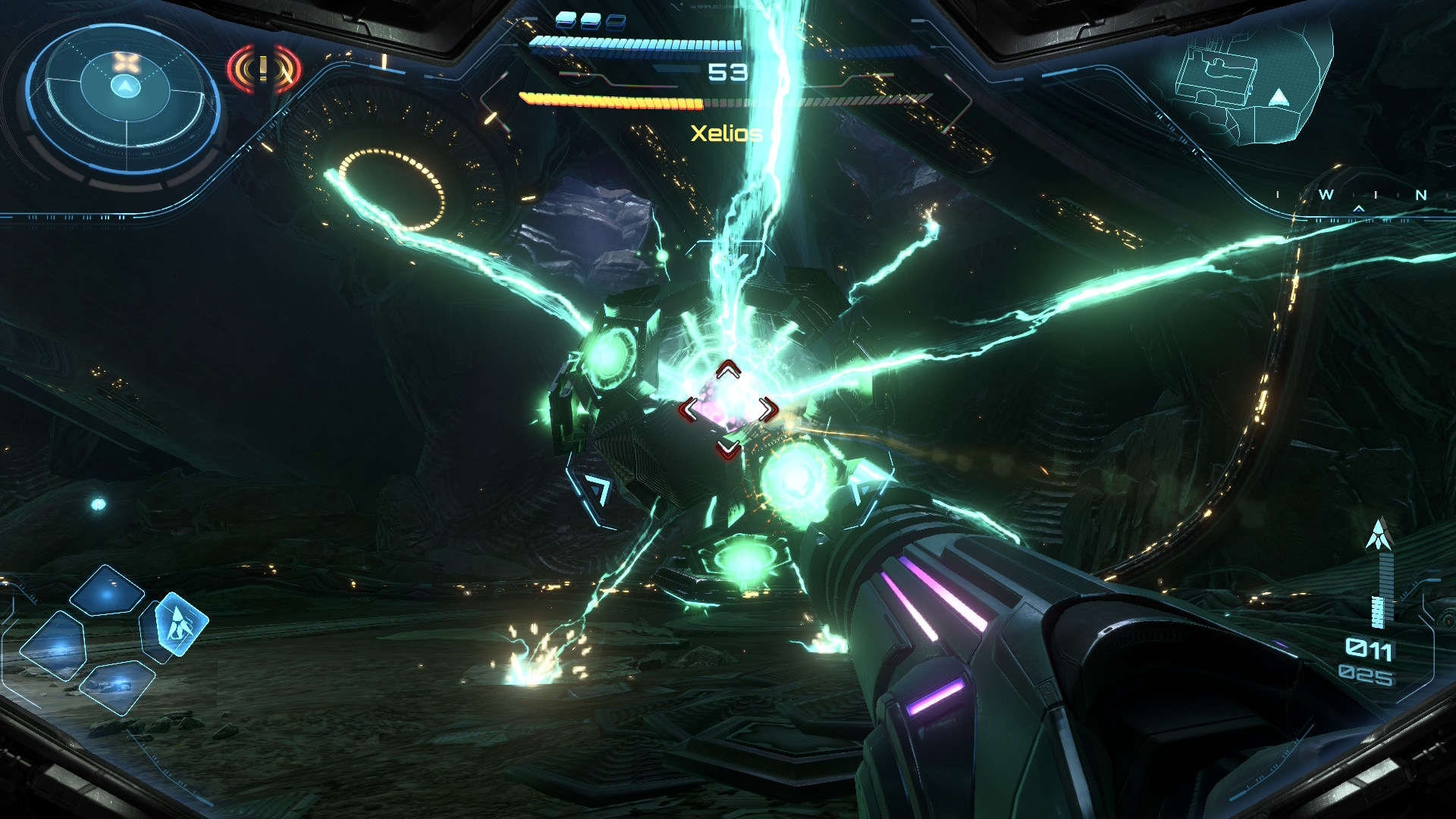
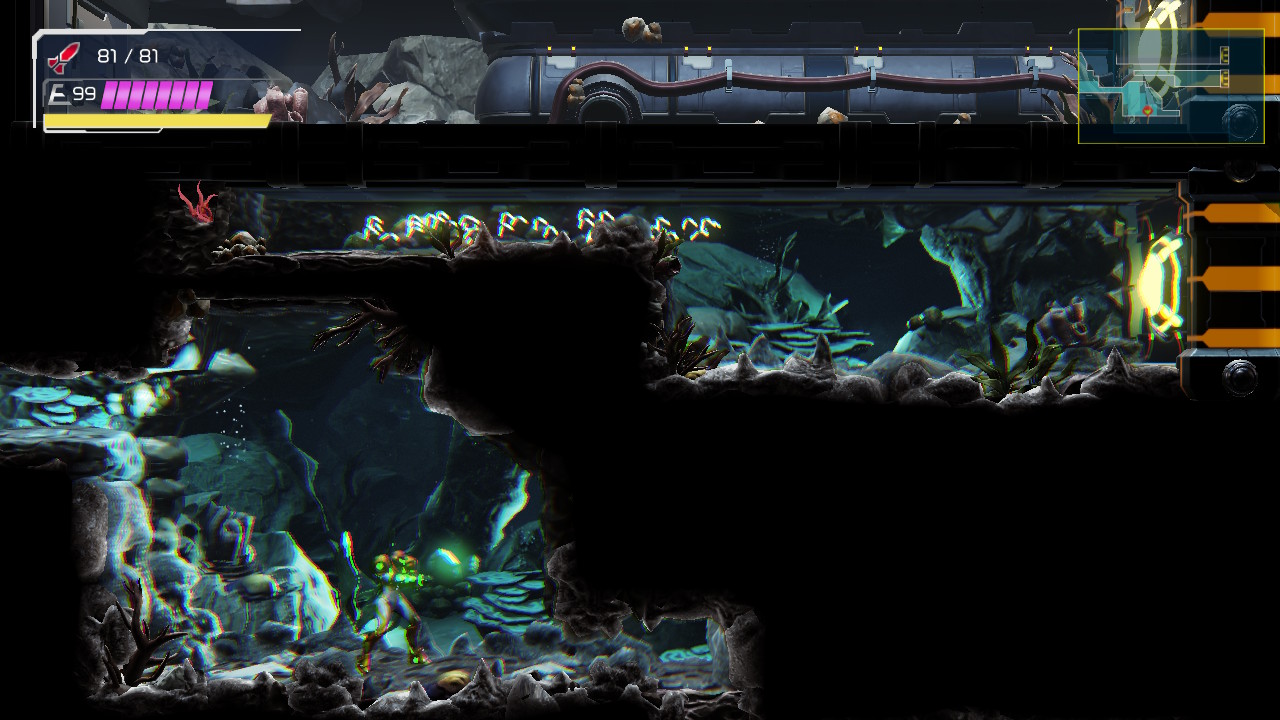
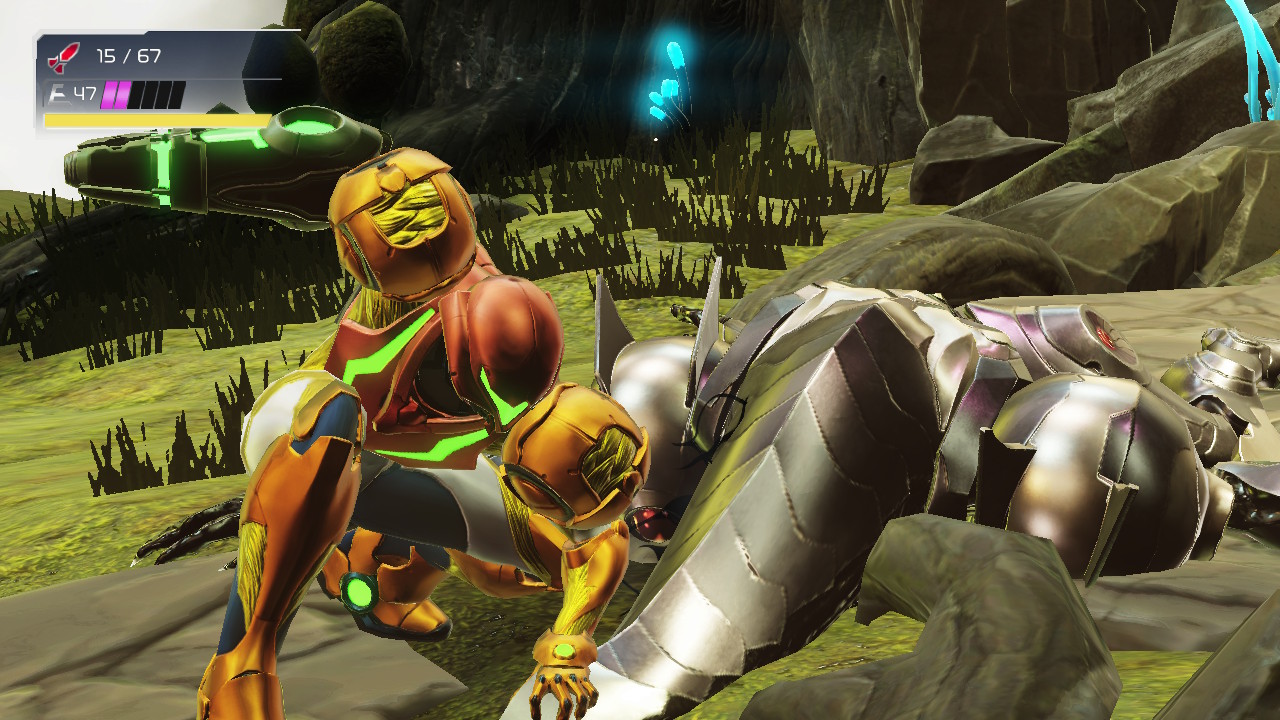
This is a game searching for a core, and that seems to be something that was recognized by the team. It is often a really good first-person shooter with level and boss segments that rival any recent story-focused FPS campaign. It is just as often an excruciatingly boring experience driving across a barren desert. It is also frustratingly in opposition with what a Metroidvania wants to be to the point that I would argue this has no real Metroidvania elements. I wouldn’t go as far as to say this is a bad game, and I admittedly did generally find it to be fun, but it is obviously something that had troubled development.

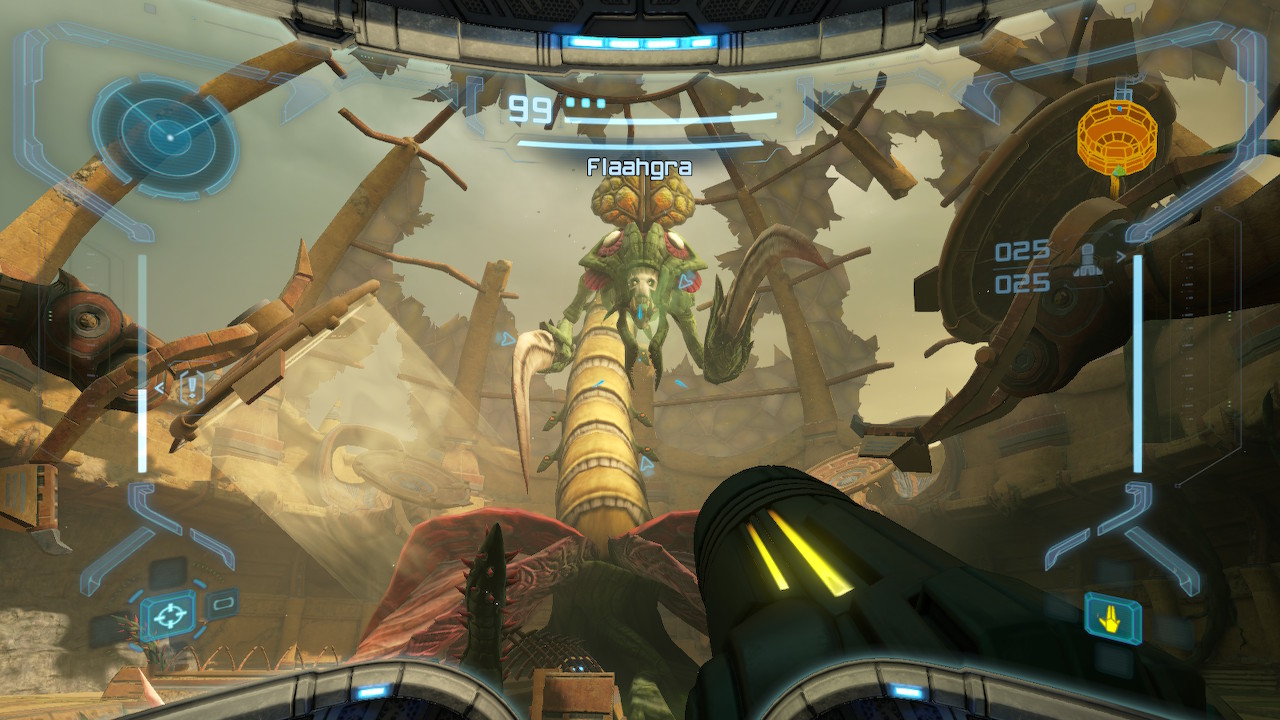
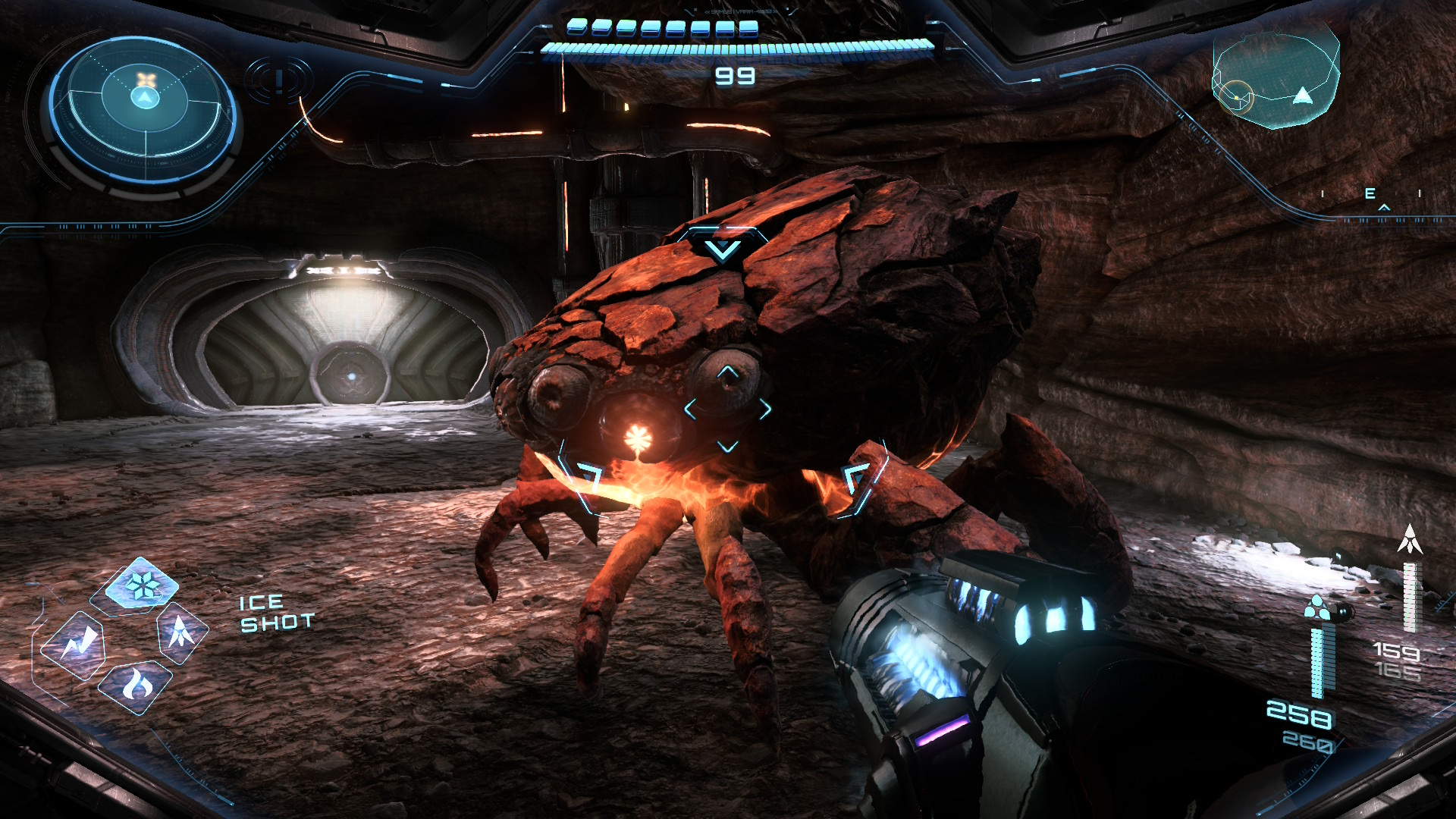
There’s points where this game just works and still feels like Metroid Prime and it’s brilliant. The first pass through each region when you have the right tools is pretty universally fun and is universally capped by a really good boss fight at the end of the segment. It’s in these places where the game really feels like Prime. You’ve got a little puzzling, a little combat, a little platforming, and a fun upgrade somewhere along the way. All of this is backed by it running at 120 FPS on Switch 2 and a modern refresh of controls courtesy of the Prime remaster to really support a better overall game flow than on the Gamecube. The problem is that things beyond the core didn’t really work out well.

Some of these things are small. For example – mouse controls. This is something that should have been dead simple. Implement the mouse like a mouse that exists on PC and FPS fans understand and has 30 years of working examples. Except they didn’t do that. They virtualized the Wii pointer controls – which were good when you had a physical object you were pointing and called it a mouse. You don’t mouse to turn, you mouse to push the cursor to the screen edge to start turning. Within the screen boundaries you’re basically moving a cursor. It is not mouse controls and it does not work well like it does on a Wii Remote. This is something that any PC FPS developer would point at and go “this is not right” and fix immediately.

But then there’s larger problems like the fact that this doesn’t do the Metroidvania thing well. The only times that I bothered to backtrack were the couple of times that I physically could not get into a zone because of an upgrade blocker. Both times it happened were particularly annoying because the game started by saying something along the lines of I can do things “in the order I want” only for that to be immediately obvious bullshit. I would spend 5 minutes trudging across the desert only to hit a blocker where it then becomes obvious that I needed to trudge 5 minutes in a different direction to a zone that had the upgrade I actually needed, at which point I then needed to trudge 5 minutes the other way to base camp to get the upgrade since it was provided as a data card.

Beyond those kinds of “oops” incidents, I really didn’t do any re-traversal or backtracking. I kind of went through each of the 5 core zones once – except for a couple very particular quick trips back to the electric area for short segments. There just isn’t really any pull in the game for me to go back and collect all the upgrades because they just aren’t overly necessary, and there weren’t any core upgrades that really required you to do anything other than the linear first-pass through zones.
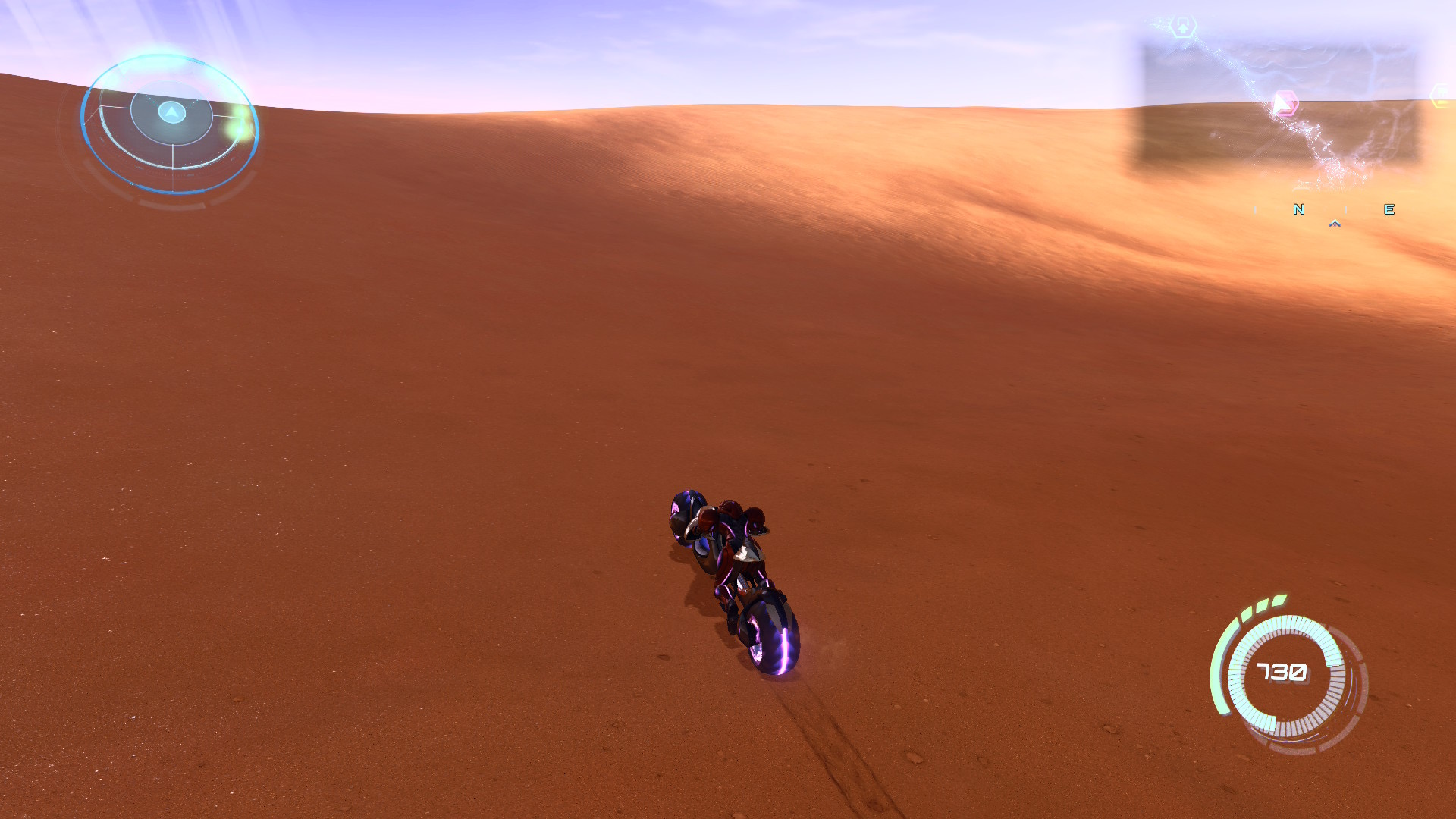
And then there’s the largest problem of the open world changes that just did not work out. There’s multiple things that went wrong with this whole segment of the game.

One of them is the collection mess, where the player is required to collect a bunch of green crystals scattered about to get to the final boss fight. You do eventually get a green crystal radar, but the point at which I got it was after I had already gotten to about 80% of crystals collected and finished the rest of the game and was literally trying to just wrap the one specific section. It’s boring, tedious, and too long to be something that blocks progression.

The other thing is that general gameplay in here is just not that compelling. There’s occasional combat, but it’s against the same three or four enemy types so they wear out their welcome rather quick. There’s some upgrades that you can find in little shrines but compared to other open world Nintendo experiences like the latest two Zelda games they don’t come close to the same quality bar. There’s some optional story bits with the NPCs that you see in the game, but you stumble upon them so they are purposefully disconnected from core plot and don’t have a real push behind them.
The final nail in the coffin is then just how big the desert is. The thing that made the original Prime trilogy work is that everything was interconnected and getting between zones was relatively fast, but also that you could find new stuff and new shortcuts with the upgrades you just found. The desert completely breaks that. It’s just open so there’s no real blockers to unblock, and because it’s open it’s not fast to get around. Any need to get across the desert is just slow garbage time. I finished the game in around 10 hours, but it was pretty clear that compressed down without the desert this was a much smaller game than the original trilogy. The fact that there was no fast travel option – at least to get back to the hub – was a pretty egregious omission that would have at least resolved some of the issue of needing to get around and encouraged me to hop quickly back to other zones to check for new things.
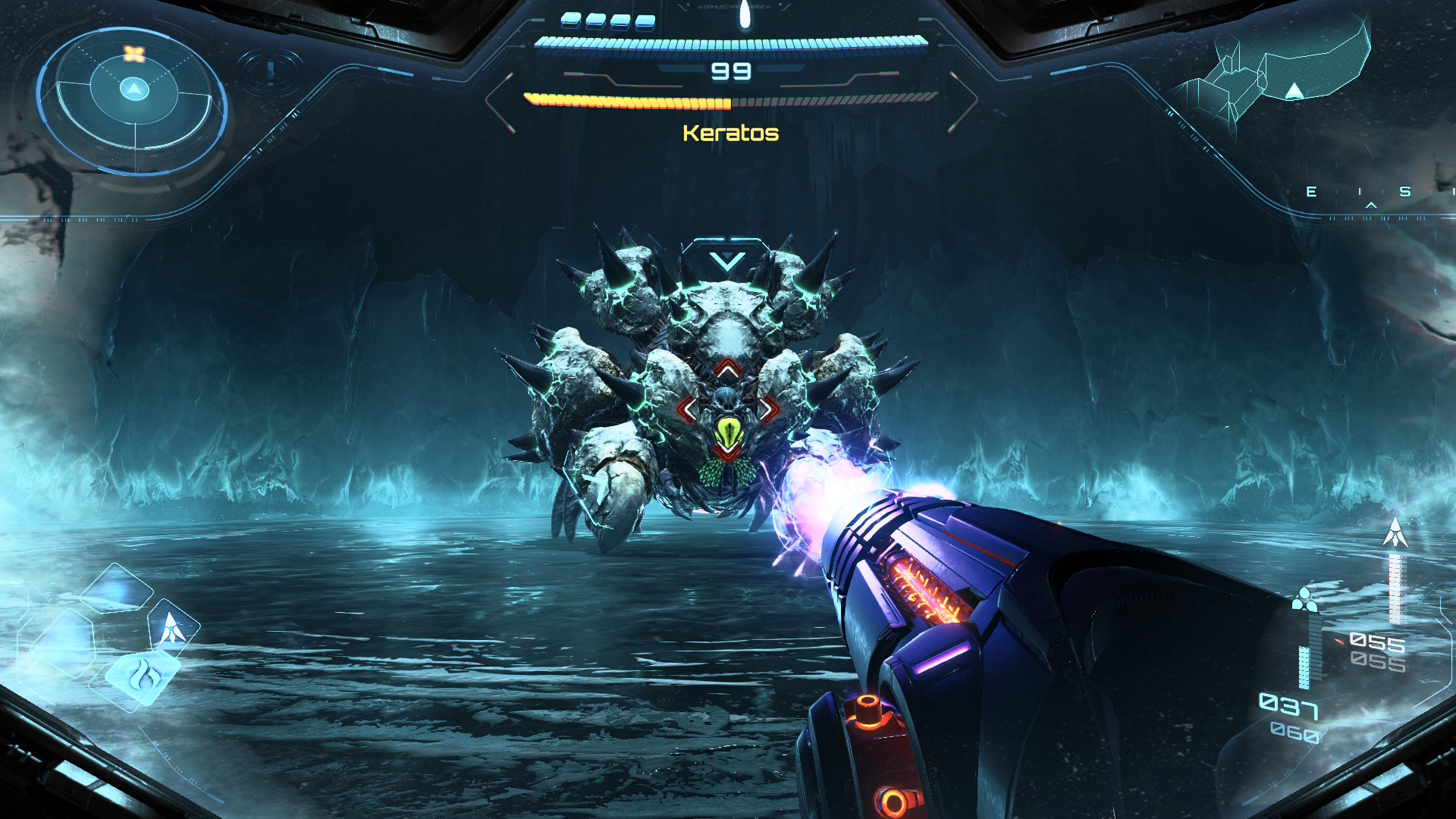
I guess at the end of the day this is a game with problems. It’s not an unplayable mess, and the core gameplay within zones really is a lot of fun, but it’s just surrounded by things that prevent the game from reaching the heights of previous Prime titles. The team mentioned that given the extended development they chased gameplay elements that both didn’t work out and had already soured in the wider gaming community, and it’s pretty clear that this was just finished to allow the team to move on to better things. I hope that Retro gets a chance at a Prime 5, because the combination of quality in Prime Remastered and the technology that they have in place for Prime 4 show that the team is probably now ready to stretch its legs on the series again after having to rebuild, but this is definitely an unfortunate stumbling block along the way.

How’d It Age #3 – Metroid Prime

More Info from Nintendo

  • Genre: FPS
  • Platform: Switch
  • Originally Available On: Gamecube, Wii

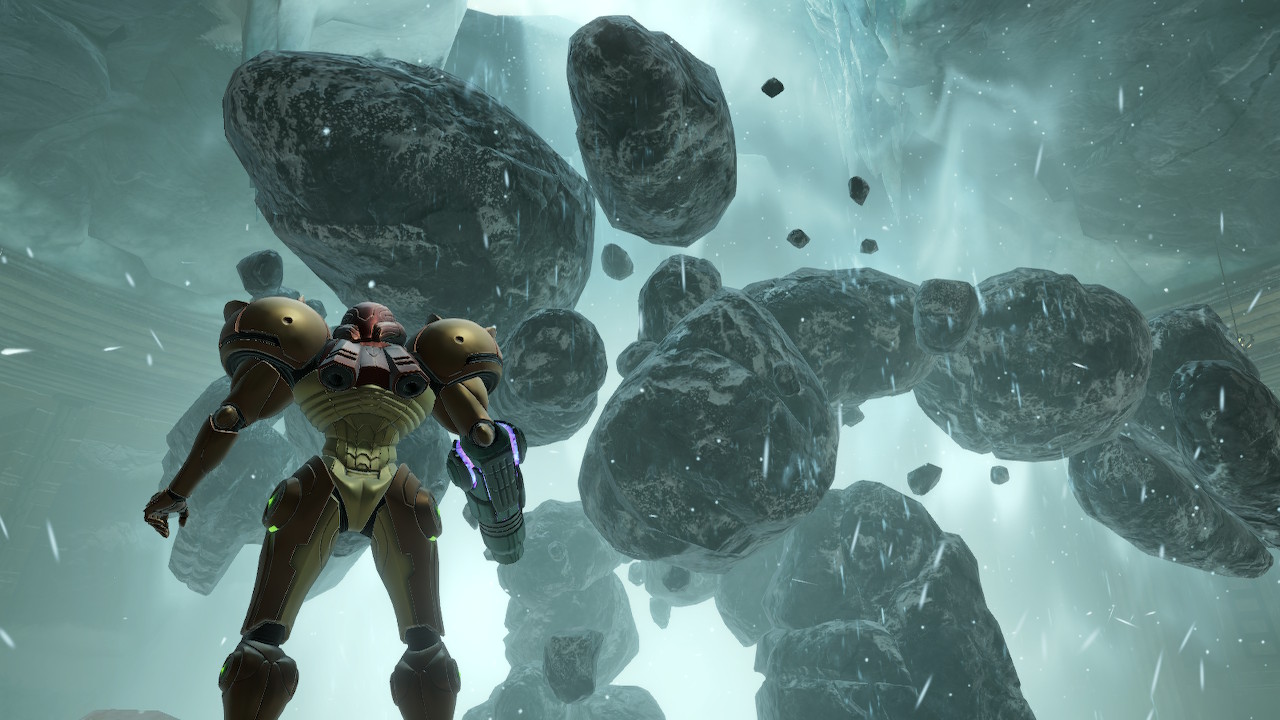
Under normal circumstances, this would be a very short ramblings. Yes, this aged well. Yes it’s still an incredibly good and fun game. Yes you should buy it. The end.

But I have some thoughts here on the various versions, with a bit of a wild card. I’ve played all the versions of this that have come out, whether it’s the original release, the Wii update for Trilogy, or what is now the remastered version on Switch. If I look at the versions side by side, I don’t think there’s a real clear winner in terms of which one is the best. There’s things that the last two do that I think are interesting and better, so the real question is, which one should you play?

The Switch version is a pretty easy recommendation, especially if you’re a typical console FPS player. The dual-stick controls drastically modernize the game, making general traversal much better than other versions. It allows the game to just flow better, which is a bit of a surprise to me. It also drastically reduces the benefit of aim lock, which is something that surprisingly makes the game quite a lot easier. It’s also easy to recommend it because of the updated visuals, which really do a surprising amount to modernize the experience.

However, I don’t think that’s the best control scheme. I actually think it’s pointer controls, and unfortunately I don’t think that the Switch pointer controls feel as good as they do on the Wii. I noticed that they were occasionally getting out of sync which is something that I’ve seen on other pointer-style Wii ports, as well as with motion-assisted games like Splatoon. This is where the Wii version via Metroid Prime Trilogy really shines. The pointer input scheme on that version is as close to mouse-focused aiming as I’ve ever seen on a console game, and it shines in this experience. It makes boss fights in particular incredibly precise to fight, and again is something that reduces the need to really use aim lock. Combined with a heavier reliance on strafing compared to the original, this is as PC-styled as the series gets.

That said, I do have a wildcard and that comes in the form of PrimeHack. This is a fork of the fantastic Dolphin emulator that adds in support for traditional PC keyboard/mouse controls to Metroid Prime Trilogy, assuming you have a legal way to rip your discs down or feel like sailing the high seas. This can be combined with things like the Dolphin supported for HD texture packs to transform the PC experience into something closer to the remaster’s visual styles with an even better control scheme. The first time I played Prime in this way was a revelation. It transforms into a PC game so easily that I can’t believe more shooters aren’t trying to fill the adventure game niche that this series did. At high framerate and resolution combined with keyboard/mouse controls, this just feels like a modern PC game, despite being 20 years old.

I suppose I never really answered the question of which version you should play, and I think my answer really comes down to any of them. Play the Switch if it’s the easiest to get at. Play the Wii version if you want consistent shooting input. Rip your disc and play it on PC with a texture pack if you really want a surprising experience. However you play this game, you won’t be disappointed. It really does still hold up.

Game Ramblings #149 – Metroid Dread

More Info from Nintendo

  • Genre: Action/Platformer, Metroidvania
  • Platform: Switch

This is very much an iteration on the work that was started with Metroid: Samus Returns, and that’s a great thing. Quite frankly, you could read my notes on that one and it would be a 1:1 retread of what worked for Metroid Dread. However, this feels like a clear iteration on the formula and even more importantly a clear end point to the series’ story – whether or not that’s ultimately what will happen. This is just a fantastically good game that took far too long for someone to convince Nintendo to spend money on, and I’m glad it finally happened.

The thing that really stood out to me in this one was its difficulty, and that seems to be a common theme across the feedback I’ve seen about the game. A lot of people are calling it simply hard, but I think it’s more nuanced than that. What it really feels like to me is that it’s precise, and that’s really the difference to me in why I had the patience to enter death loops. I’ve shelved a lot of games in the last decade or so within the sort of rise of the indie games. A lot of games feel like they do hard for the sake of hard. Something precise and mechanically tight will come out like Celeste and be incredibly difficult but fair, then a bunch of games will follow that are simply…..difficult. It’s not fun. Dread very much feels like it falls within the difficult but fair.

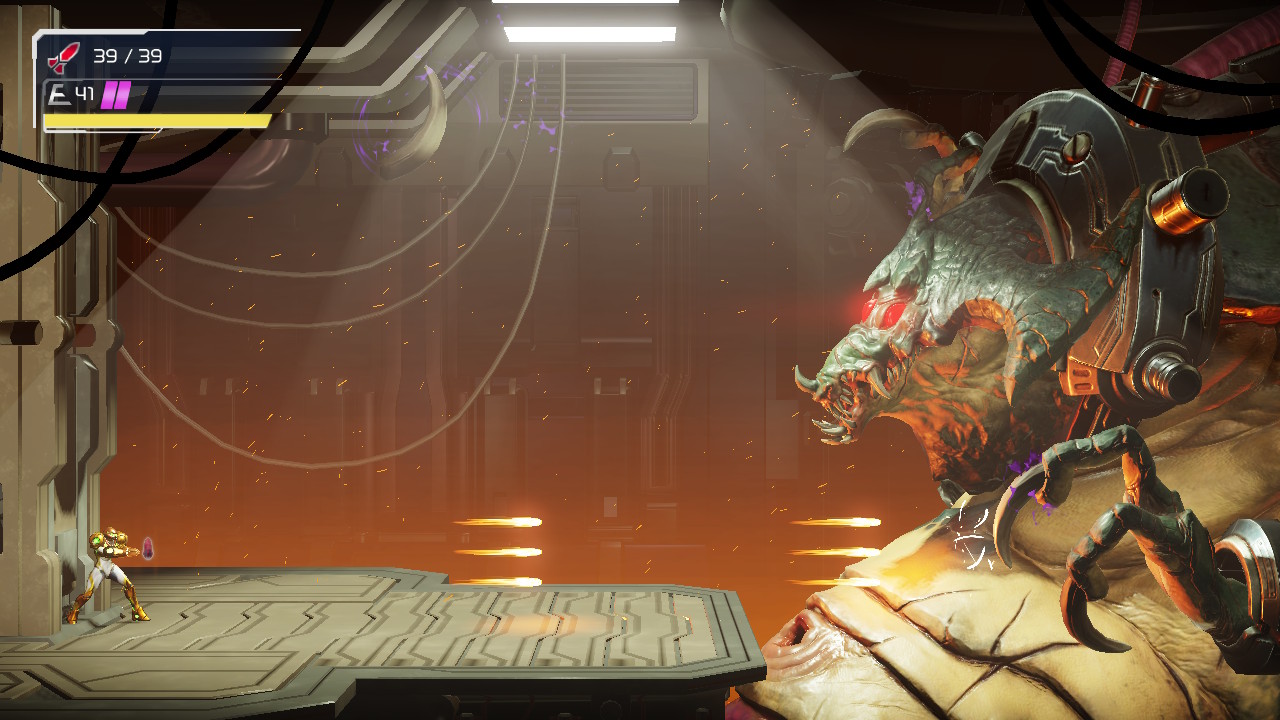
Bosses in this game are no joke. A missed mechanic will take a full health tank or more. If you aren’t being precise with your movement, you will die. However, once you learn the mechanics and once you get your movement down, you’re just as likely to take no damage in these fights. In that respect it’s incredibly fair. You take damage, you learn mechanics, you avoid damage, you win. Sure you may die a couple times, but you aren’t getting screwed by RNG and you aren’t getting screwed by the fight.

You’re given a lot of tools to avoid damage that aren’t typical of the Metroid series – things like a slide that can transition into the morph ball or an instant dodge that gives some amount of i-frames – that really lean into damage avoidance as a key mechanic. You’re also given some really good new offensive tools to make damage a little more passive and a little less precise in those big moments – things like the return of the melee counter from Samus Returns or a lock-on multi-hit charge missile – that allow you to build up damage without having to be right up in the enemy’s face or having to pause and engage in the slower free aim. The end result of all of this is that while the game is still distinctly Metroid in style and mechanical knowledge, it feels substantially like a modern game where you have full control of damage mitigation and aren’t just being slammed with unavoidable nonsense.

There’s also just a ton of little things that the game does very right that make it feel both Metroid and modern. You’ve still got pickups that drop when you kill things, but they get sucked in at any range. Combined with melee counters dropping more items, this both increases the general pace of the game AND allows the game to have higher difficulty, since you’re always pulling in resources. One of the early upgrades is the return of the pulse radar that reveals hidden breakable blocks. This is again probably controversial, but this feeds into increased exploration and increased pace since you aren’t just playing a game of shoot every block to find the hidden trinket. Free aim is back to give much more freedom of hitting things from any angle, making a lot of the trash encounters much quicker to deal with. The new slide move both replaces a lot of the slower morph ball stuff, but also acts as a fast transition into morph ball tunnels when unlocked AND a way to actively dodge attacks in a lot of the boss fights.

However, the real important change compared to Fusion or the Prime games is that the game really doesn’t give you any direction. You’re chucked into the world and told to get to the surface. You’re given some lore as things go, but more often than not it’s up to you to find your way. This is very much an old Metroid thing that started to go away over the years, so it’s interesting to see it return to very little direction. For me, this is precisely what I’m looking for in a Metroidvania. I love to scan the map to find doors that I haven’t entered or mysterious holes in the map that I haven’t explored, then going back to find new things. Where things really work for the better is that the map itself is far more readable than past 2D entries, although that is entirely down to just having more modern hardware and higher resolution to display the map. It’s just far easier to find things when you can pump more obvious information on the screen and it really benefits the loose structure of the classic Metroid formula. It’s even better with a bunch of fast travel teleportation spots that open up as you find more upgrades, allowing you to quickly scoot around the world at will.

This just ended up being such a good game. It’s been so long since a 2D entry came out in this series that there was probably some amount of valid concern about whether or not this could be done and still be fun. Samus Returns proved that the formula still worked and Dread proved that the series can move forward. This hits just the right mix of classic Metroid and modern gaming, and in a couple key ways goes backwards compared to Fusion and Prime, but it comes out as such a great mix. The difficulty of the game will probably turn some people away, but for me it again hits the perfect mix – it’s perhaps unforgiving, but it’s precise and fair and not based in RNG. You’ll learn where things go wrong, then make it right. It may take a few tries, but you’ll learn and get through it.

It’s also funny looking back at my notes about Samus Returns. That one ended with a new little cutscene showing the rise of the X parasites on SR388. I mentioned in passing that maybe they were hinting at something else. Boy was it ever. I don’t know if they were still hoping to do a Fusion remake or Dread at that point, but seeing the end of the post-Prime Metroid and X saga finally arrive is both great to see and something that I never really expected to happen.

Seriously, go play this.