Game Ramblings #218 – Trails in the Sky 1st Chapter

More Info from Falcom

  • Genre: JRPG
  • Platform: PS5
  • Also Available On: Switch, Switch 2, Steam

I played the original release of this game on PSP but admittedly it’s been long enough that I don’t really have much of a consistent memory of the experience. I do know I enjoyed my time with it, but I feel vaguely not enjoying the grind of leveling. Going into this I was a bit suspicious of whether that would happen again. Luckily what I found was a game that felt like a heavily modernized JRPG in terms of how it respects the player time, but this is definitely not a game without problems.
The thing that increasingly makes JRPGs live and die for me is combat, but not necessarily how good it is. It’s more often than not how much I need to engage in combat at this point. In particular, how much I need to engage in useless combat. I hate combat for the sake of combat because it feels like wasted time to me. The remake of Trails 1st really does a lot of good things to reduce that.

Similar to PSP, enemies are visible in the overworld, which on its own does a lot to reduce my need to engage in combat. However, there’s a number of things that reduce my need to be in combat. For one, there’s XP scaling based on level. At a surface level this allowed me to simply avoid combat with enemies that are lower level than me by knowing that the rewards are no longer relevant. On the opposite side though, this meant that I could effectively power level by engaging in combat with things higher level than me. What this really meant is that I was always in a level band that was relevant to the gameplay of the story around me. As a balance point it reduced my need to be in combat to just when it was important or worthwhile.
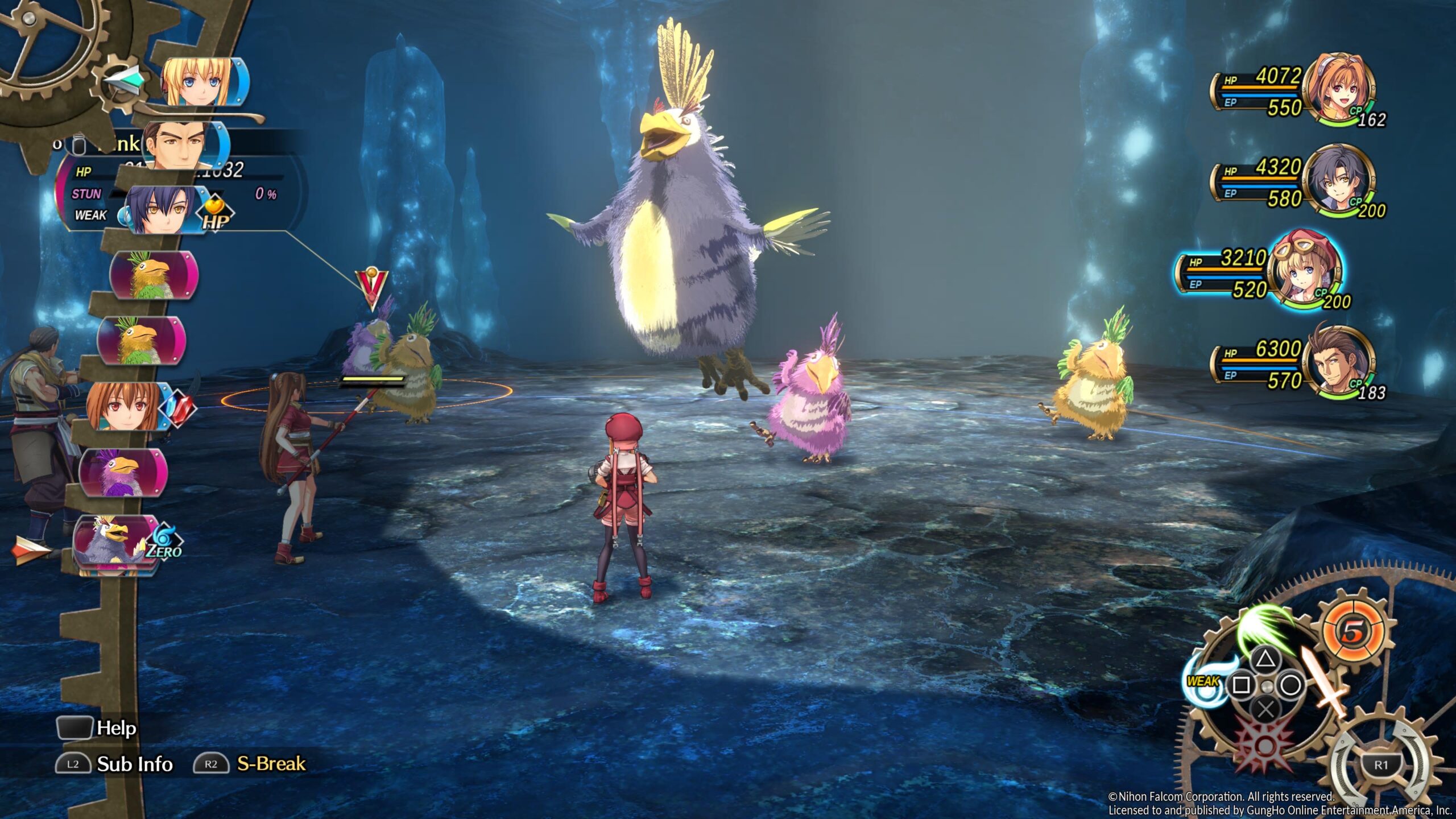
This is combined with the fact that you can do some basic real-time combat in the overworld, allowing me to mow through weak enemies simply to get rewards without being in the slower turn-based combat. If I needed specific items for cooking or Sepith, I could quickly dispatch a bunch of weak enemies and get them. This change also meant that running past enemies allowed me to simply run past them because the game no longer has the JRPG mechanic of battle starting immediately on first contact. It’s a small mechanical change with huge implications to the flow of the game.

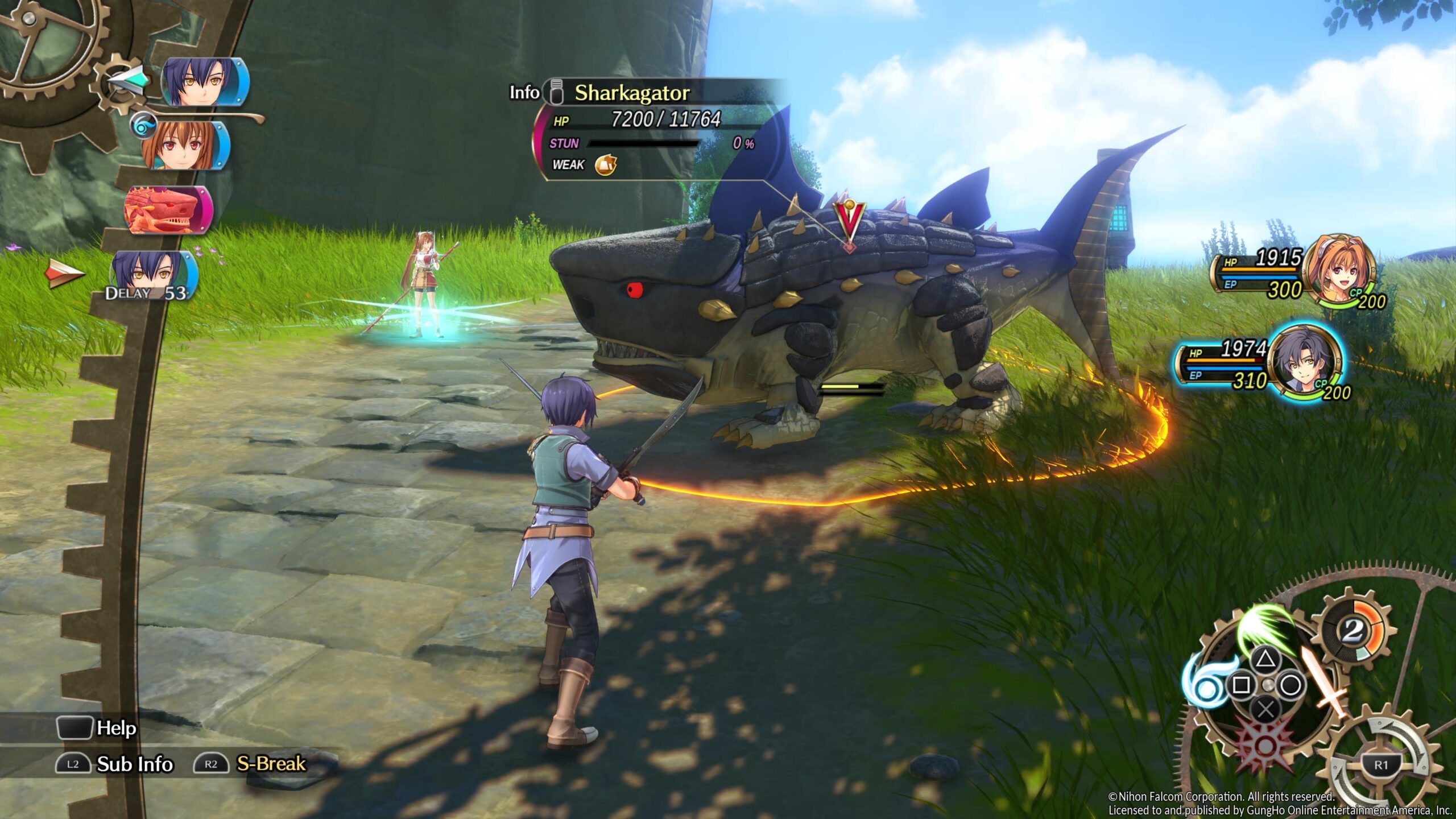
Once in combat, there’s then a highly enjoyable system in place. It’s the same type of combat on PSP where the player has a mix of skills and magic. However, it leans into two things that I don’t think are seen as much as I would prefer – positioning and turn order.

The player has a wide variety of shapes of attacks from AOE circles to lines to cones, as well as bonuses for some attacks from the side or back. All of this allows the player to enforce positioning as a benefit. There were many times where I would knowingly drag some of my own units into different areas in an attempt to pull mobs into the line of fire and increase total damage output. The flip side of this is that defensively it’s also important to pay attention to where magic attacks from enemies will be so that you don’t leave your own party in range of attacks.

The reason this is important is that turn order is not static and magic attacks are not always immediate. Under normal circumstances magic attacks require a turn to start and a turn to execute. While that is happening, it’s obvious where the attack will go due to targeters on the ground. This gets into turn order manipulation. Some attacks can delay turns or reduce player “speed” that leads to determining turn order. Attacks can be cancelled by executing some moves that impede the target. Stuns can cancel a target’s turn if timed correctly. Basically, combat becomes a balance of getting damage out while also attempting to delay or cancel the enemy’s turn as much as possible, allowing the player to get through any battle with as little damage taken as possible.
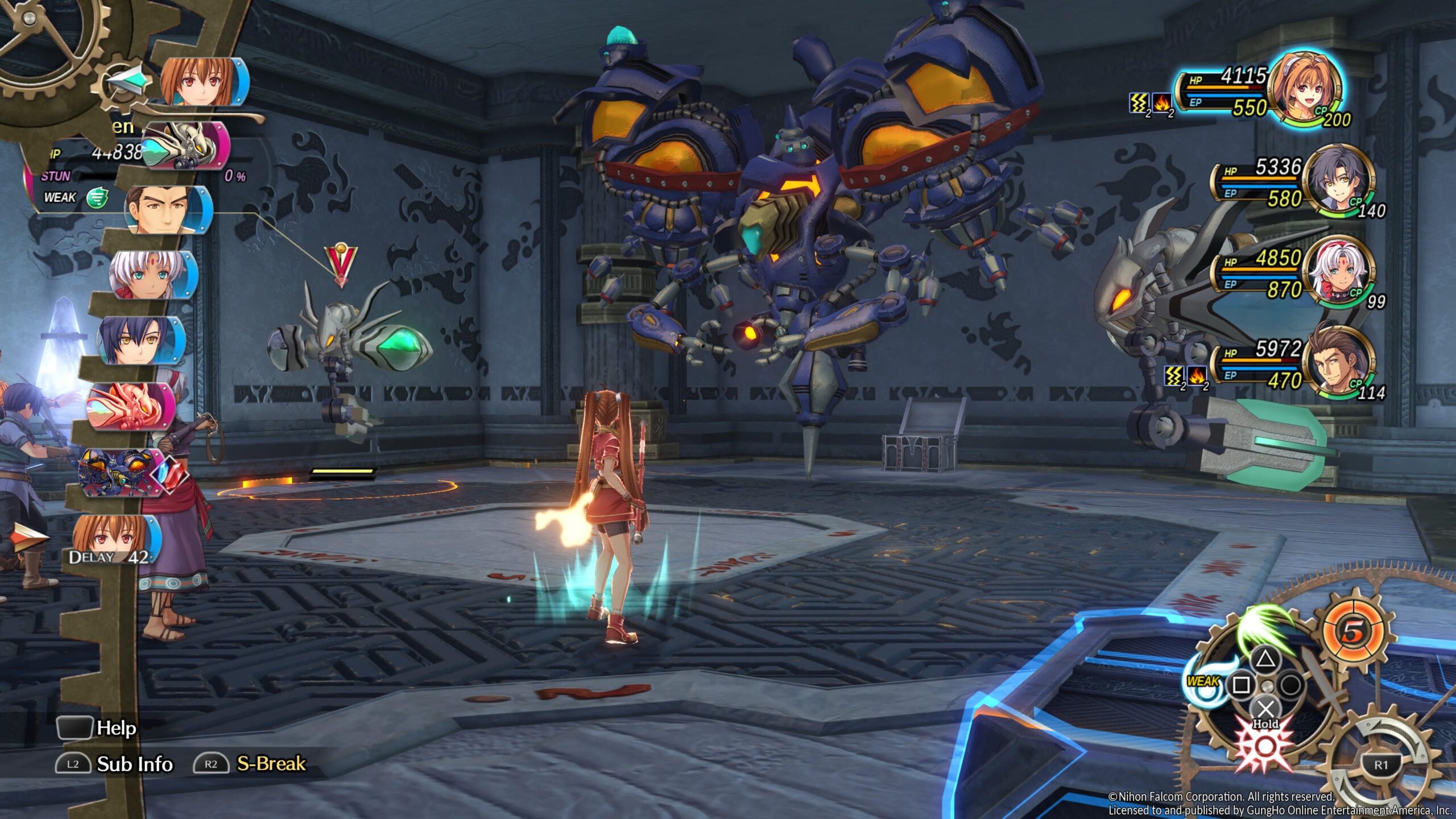
Generally speaking, this all works great – right up until it doesn’t. That gets into my one big problem with the game. The boss fights in the game are just not tuned well, and it all comes down to the rage mechanic. Pretty much every boss in the game has some rage trigger where they gain a ton of basically every stat in the game. They gain speed to attack more often, typically several turns in a row. They gain attack and defense to be tankier and hit harder. They gain healing buffs to get their HP back up. It’s a good idea to make boss fights more dynamic. The issue comes in with the fact that the rage mechanics are universally able to send the player’s party from 100% to dead without the player even getting a turn to mitigate the situation.

It’s incredibly frustrating to be 5+ minutes into the fight, feeling like you’re in control, then having a rage turn kick in and send the party to its death. If it was generally avoidable that would be one thing, but a lot of them simply happen because of health drop. What ended up being my go-to was to just save all of my big attacks up until I had nearly stunned the boss, then dump them all at once. In a typical boss fight, I could get the boss to around 50% health, let it have a turn, then just absolutely nuke it with every attack I had – full 200 combat point attacks, party combo attack, etc – and get it to 0. That would generally avoid the rage mechanic, whether it was health based or due to killing off one of the enemy’s party members. However it was slow to grind out to the point where I felt comfortable doing that attack dump and when it didn’t work and I would be sent from 100 to 0 with no ability to do anything to prevent it, it was infuriating.

The nice thing is that unlike the original release, I could immediately retry the fight with lowered enemy strength. Boy did I take advantage of that option to just get through fights without the time spent on it again.
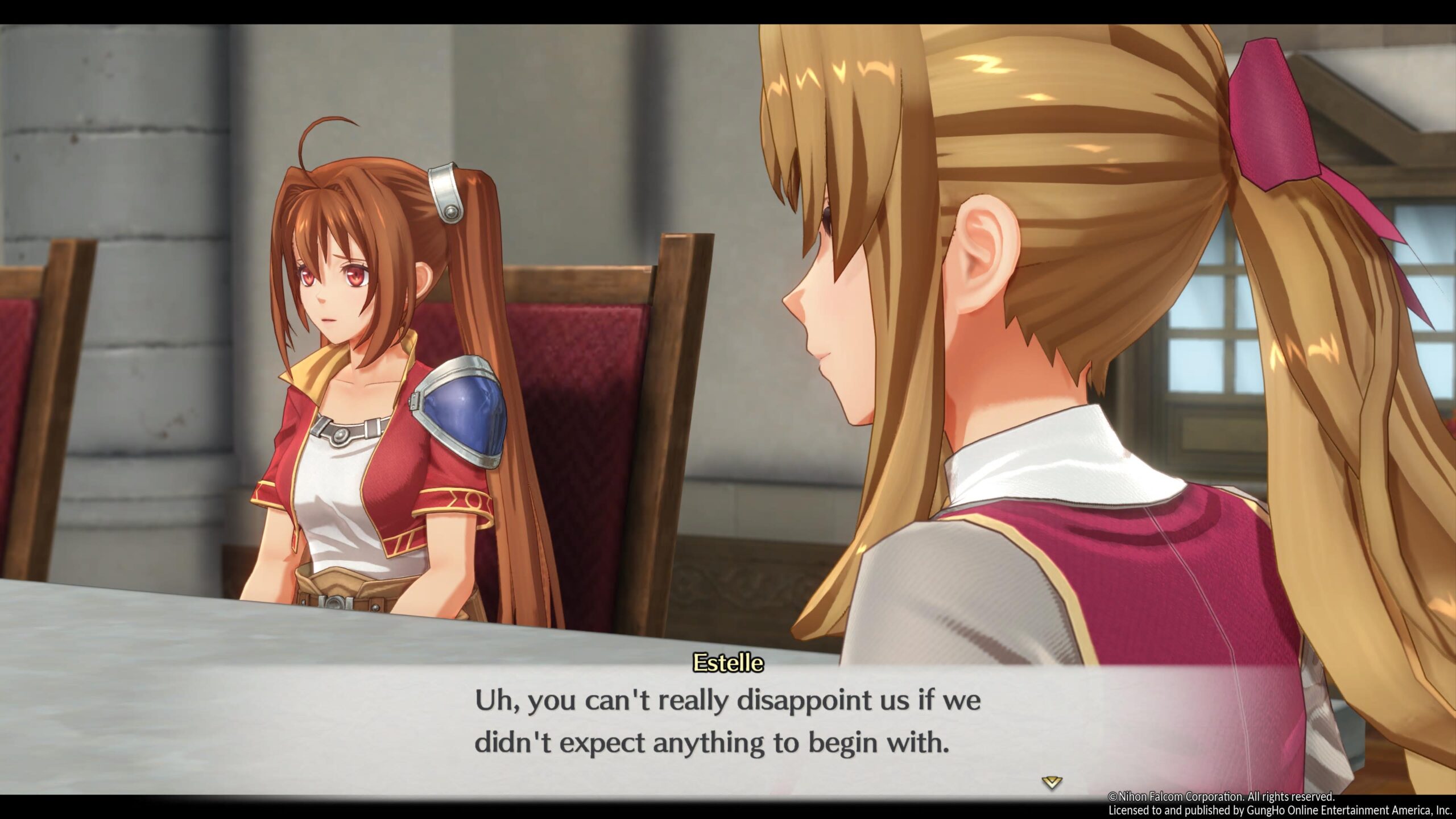
So I suppose at the end of the day this is a really good and generally fun JRPG that feels tuned to inherently screw over the player specifically during boss fights. I don’t remember that of the original, but I suspect that’s just a consequence of time since I played it. It’s so close to being a great game if a little more care was put into the tuning of boss fights. They can be difficult normally and still allow the player to actively avoid being nuked. It’s a thing I hope they look at before 2nd chapter comes out because it felt like the one thing heavily holding this game back.

Game Ramblings #130 – Ys IX: Monstrum Nox

More Info from NIS America

  • Genre: Action RPG
  • Platform: PS4
  • Also Available On: PC, Switch summer 2021 as of this post

The last time I visited the Ys series, I found an action RPG with a lot to like. Fast fluid combat was really the leading winner, but the rest of the game did its job well enough to keep me engaged. Ys IX is much the same. There’s some new wrinkles as to how the game’s world unfolds, but the combat is still as fast and fun as ever.

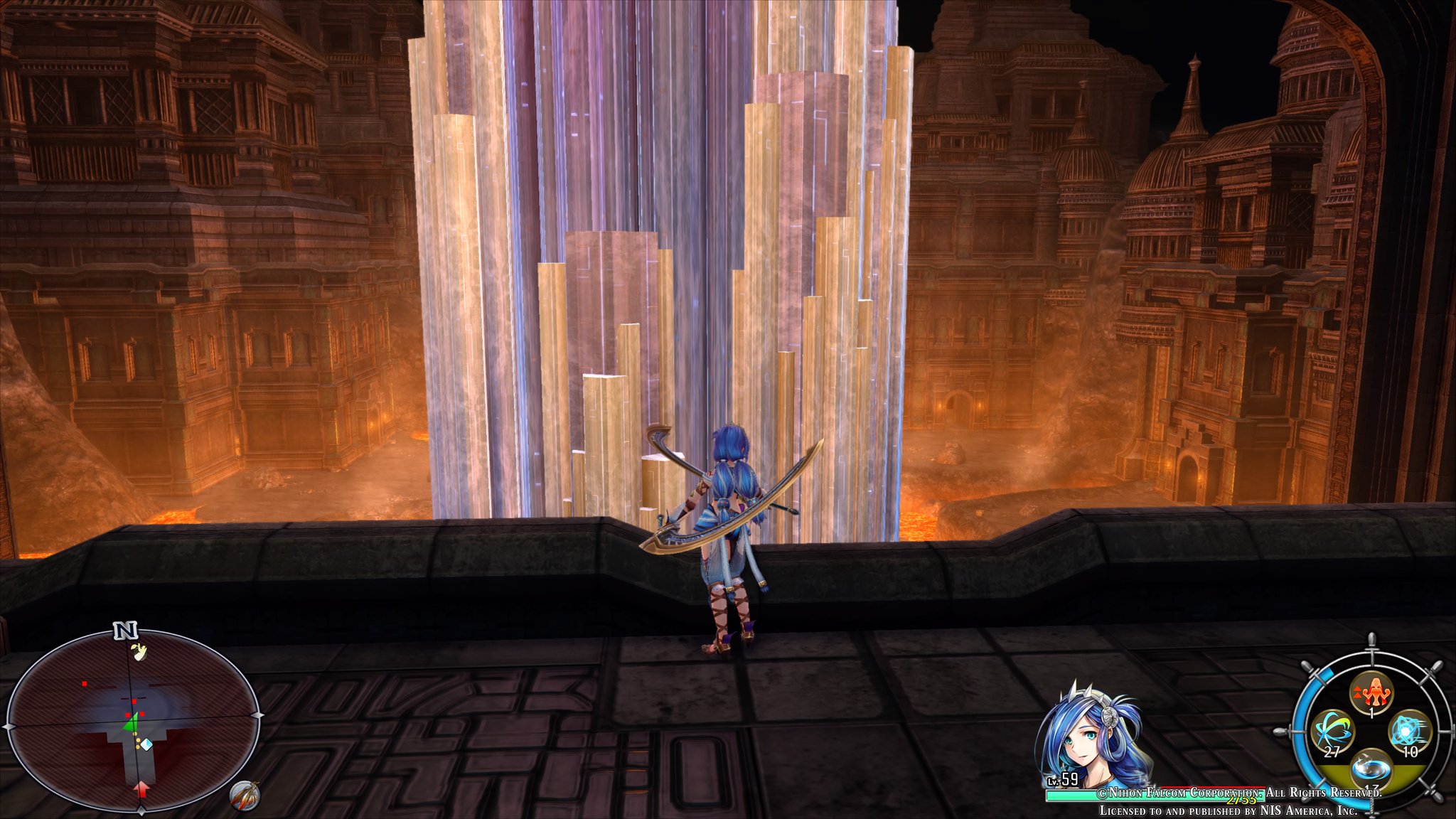
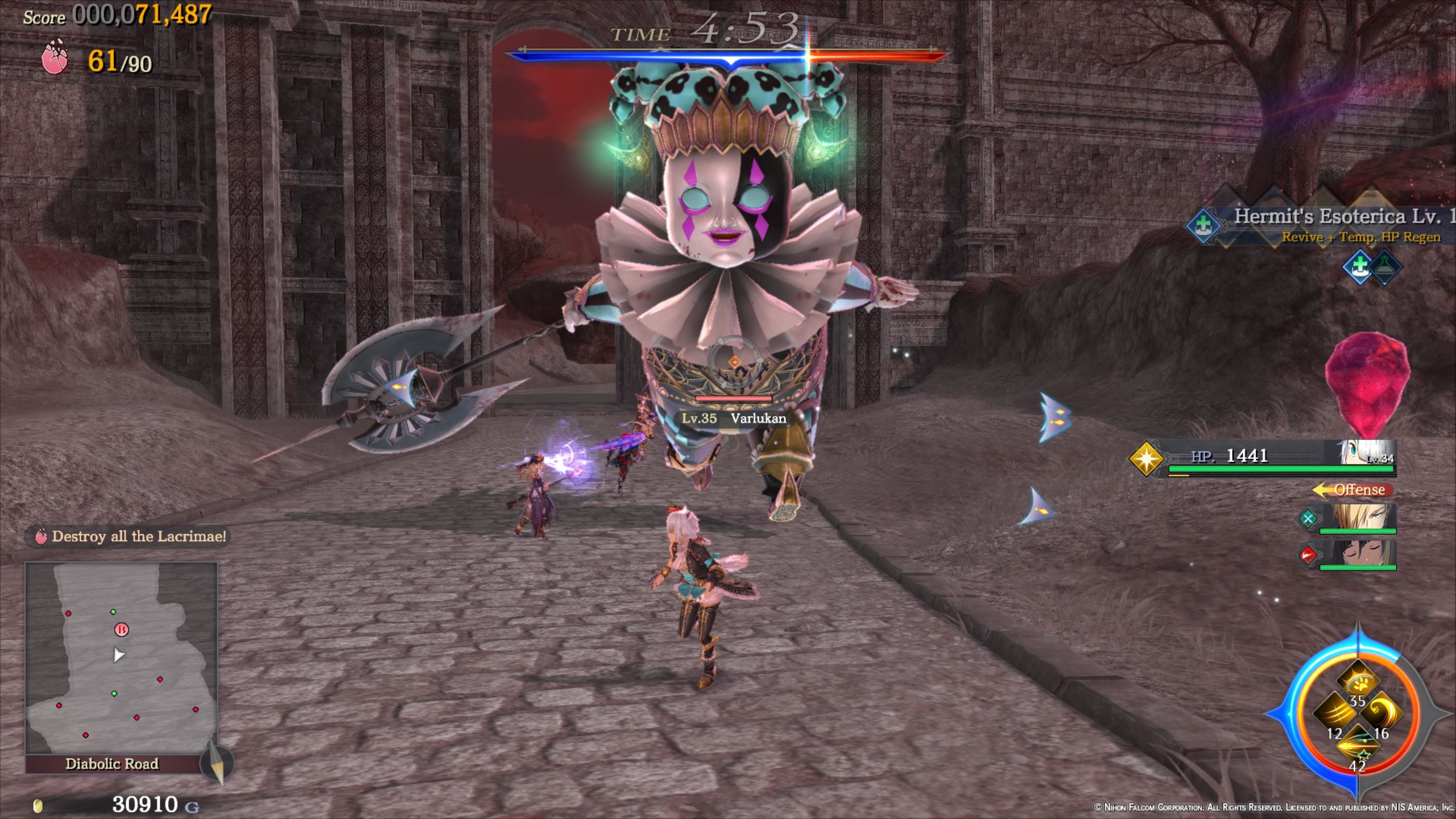
After my shelving of Assassin’s Creed Valhalla, I really needed something fast. Ys IX is definitely fast. If there’s any description I could give to someone that doesn’t know the series, it’s that it feels like the Sonic of RPGs. Movement is fast, combat is fast, things die fast, reactions happen fast. This game grabs you by the arm, drags you along, and doesn’t let up until you’re done. It was exactly what I needed.

Combat is largely the same as in past games, but it works so well. Your core moves are some direct melee attacks and AoE skills bound to face buttons. You’ve got parry and dodge on your shoulders. Timing either of those to an enemy attack gives you benefits (crit, regen, etc) that make it absolutely worth getting it right. For the most part that’s about it. Some enemies have weaknesses to specific weapons, but you can get by without really taking advantage of that.

It sounds pretty simple at face value, and to some extent it is. However, it’s largely necessary. Because of the speed of the action, that’s about as much as you can really balance at one time. You don’t really have the luxury of down time to plan out your moves or try to do anything complex. You’re watching for enemy tells so you can hit your defensive moves then hitting as many attacks as you can between that. On the attack side you’re going back and forth between skills that use resources and basic attacks that generate resources. That back and forth becomes your main combat rhythm, and timing your skill dumps with the enemy being stunned is the min/max setup that I really went after.

The rest of the game is pretty standard fare. Like Ys VII, the story isn’t the best ever but gets the job done. What ends up really being the thing to push you forward are all of the little gearing systems around. You can get through the game with just the base equipment, but there’s also a ton of potential in using the gear vendors to upgrade or craft new things. That leads you into wanting to open new areas for new crafting items, which leads you into exploring the map, which leads you into getting a bunch of cool loot. It’s a really tight loop, but there’s enough there to really push you to hit everything, rather than skipping content.

The gating of all of that is probably the most interesting mechanic. The world of Ys IX is basically gated behind barriers that can only be unlocked by battling monsters in-town or doing side quests. Getting to certain thresholds open up portals to the Grimwald Nox. Fights within this aren’t just your normal party – it’s every single character you have available, backed by additional support characters that you unlock along the way. These fights are absolute hilarious chaos, which is fun on its own. However, the fact that you can use characters unlocked via side quests gives you an additional reason to push for completion in a way that’s not grindy, but instead still a lot of fun.

Ys IX is a lot like the Tales of series for me. They aren’t the best games ever. They definitely have some rough edges. However, they are always fun. It’s the type of game that I know I can fall into if I’m looking to get past a game that bored me, and this was absolutely the case here. This was another entry with exciting, fast combat backed by enough of a story and good world systems to push me to easy completion, and with a much higher percentage of content finished than I typically would try to get through. It also got me past a wall of some amount of boredom that I got stuck in playing Sackboy and Valhalla. In that way it was the perfect refresher for me, but still one that I think I’d recommend at face value.

Game Ramblings #53 – Ys VIII: Lacrimosa of Dana

More Info from Falcom

  • Genre: Action RPG
  • Platform: PS4
  • Also Available On: Vita, Steam (Windows)

TL;DR

  • Great continuation of the Ys series, and one of the best RPGs of the year
  • Fantastically fun action combat
  • Serviceable story, but island systems that come out of it are great motivators for forward progress

The Ys series has routinely been a lot of fun, even if the actual releases have been extremely sporadic.  In the past decade we’ve only seen Ys 7 and Memories of Celceta, and internationally speaking the release of Origin.  However, the gameplay has continued to improve in quality, getting us to the point we’re at now.  While this is still definitely a game that feels like it was made for the Vita, it moves up to the console quite well, keeping fast paced combat, a great soundtrack to back it, and some really good systems involving the growth and maintenance of a town.  As usual, we’re left with Adol Christin being left in a bad situation, but this one works out as well as any game in the series before it.

Despite targeting the Vita, the visual style holds up well when scaled up to the big screen.

Going into an Ys game, the combat is obviously going to be the core focus.  The last few releases in particular have really strengthened their action RPG core, and VIII is no different.  The basic combat system is a main melee button, four mappable skills on a regenerating resource, a dodge, and a jump.  However, this simplicity hides a lot of depth.  One of the biggest pieces of the core combat is the timing of dodges.  When executed close to the point of taking damage, the game slows down the enemy combat, giving the player a period of time where they can lay into the enemy they’re facing with little risk of damage.  On the other hand, if they time this with their skill activation button, they gain a damage blocking shield and increased critical damage for a short period.  In addition, there’s a small weapon weakness system in place, giving the player an incentive to swap between characters to maximize damage, which can be done at any time with the press of a button.

Overall the system works really well to keep up the pace.  When taking on trash enemies, I often found myself dancing around spamming abilities to hit packs at a time.  When I moved up to larger enemies, it became a bit more of a tense chess match, where I’d lay off watching for reads on the enemy attack, then dodge and lay into the enemy while I had my small advantage window.  This was particularly evident during boss fights, where damage tended to be pretty fair, but could very quickly stack up into trouble if I started getting sloppy with my dodges.  There is a small wrinkle here where flashback sequences involving the title character Dana leave her to fight on her own.  However, as the flashbacks progress, she gains the ability to change forms, giving her the effective weapon triangle in the past without having to worry about the lack of party members.

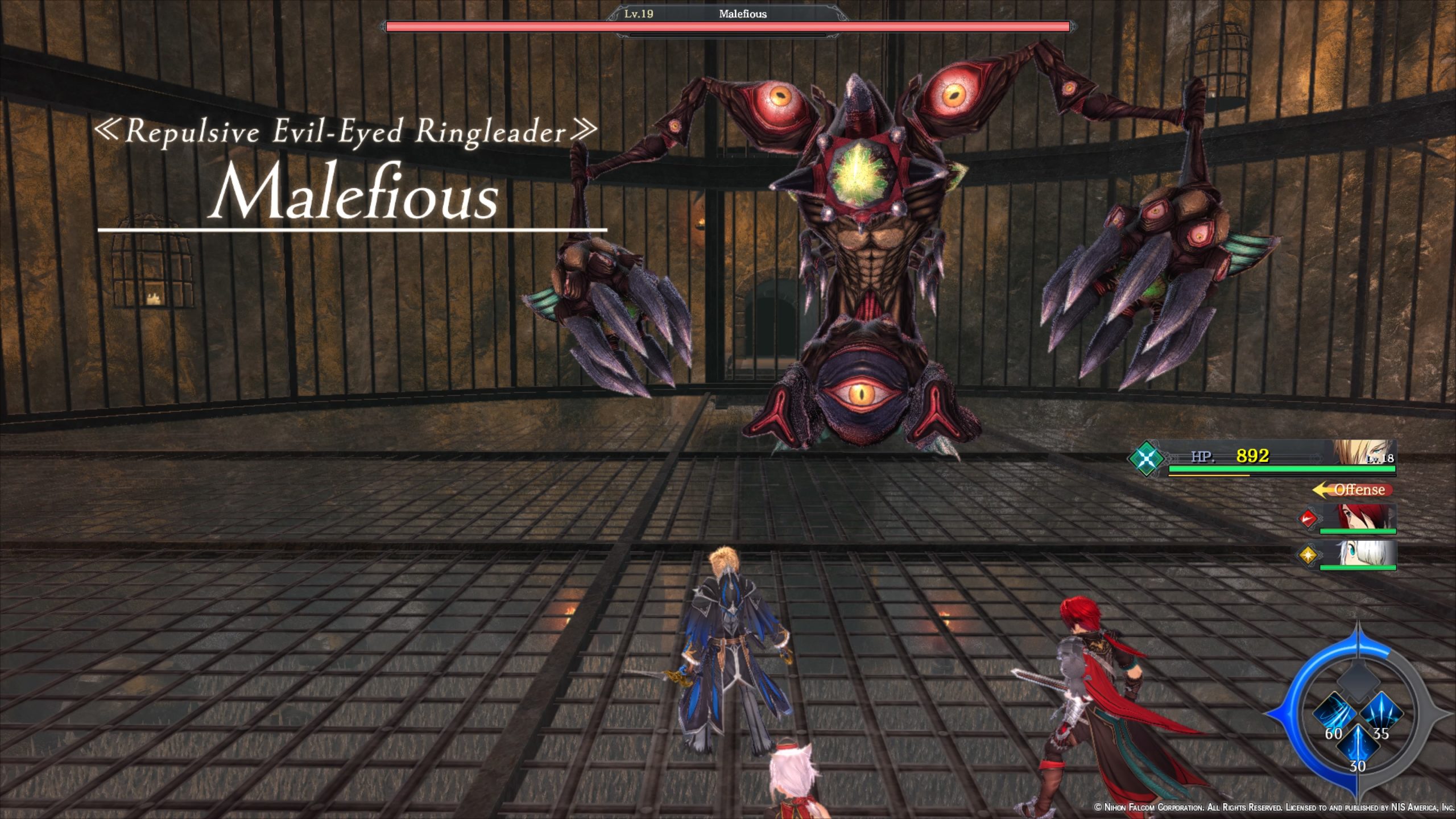
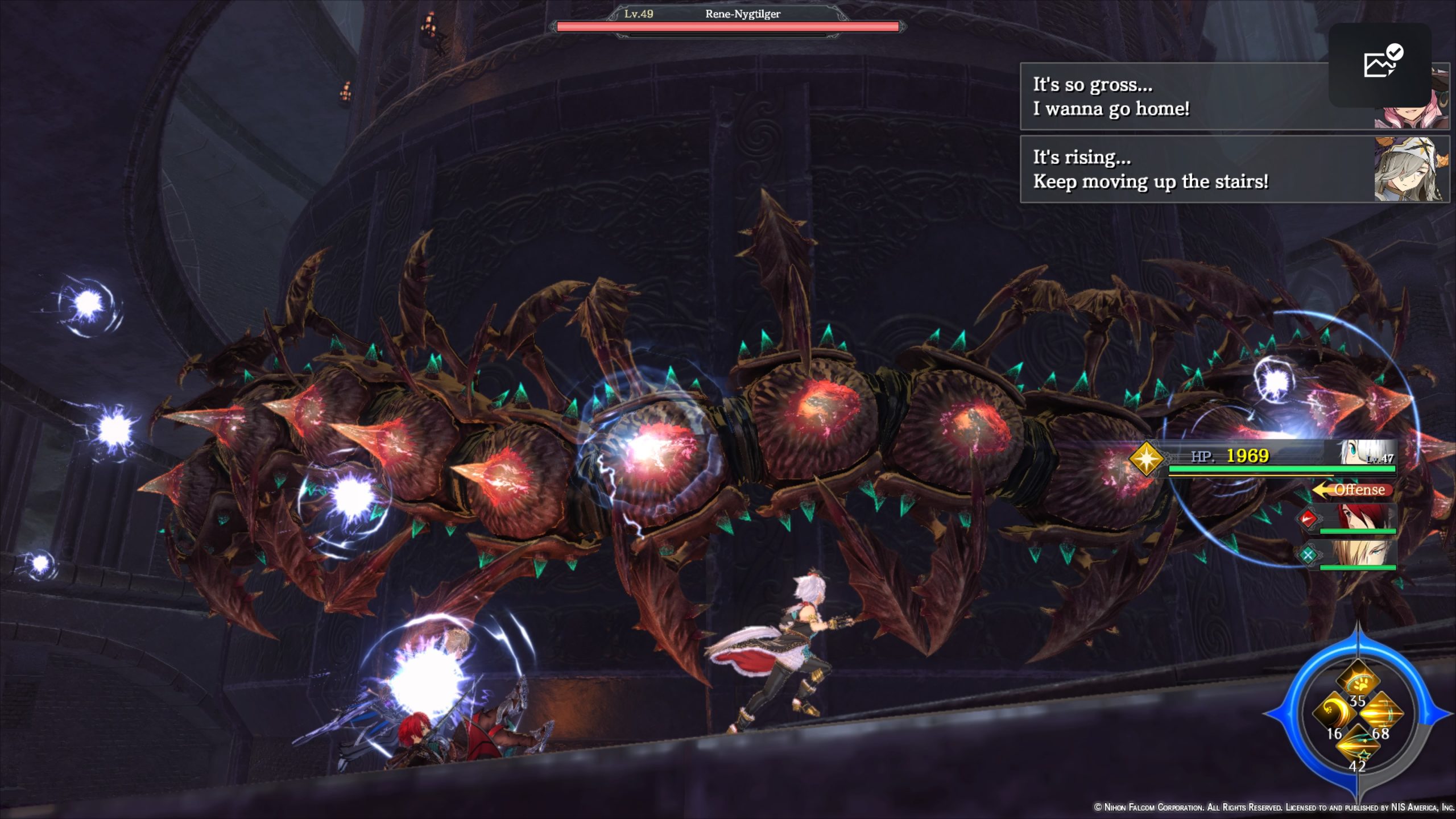
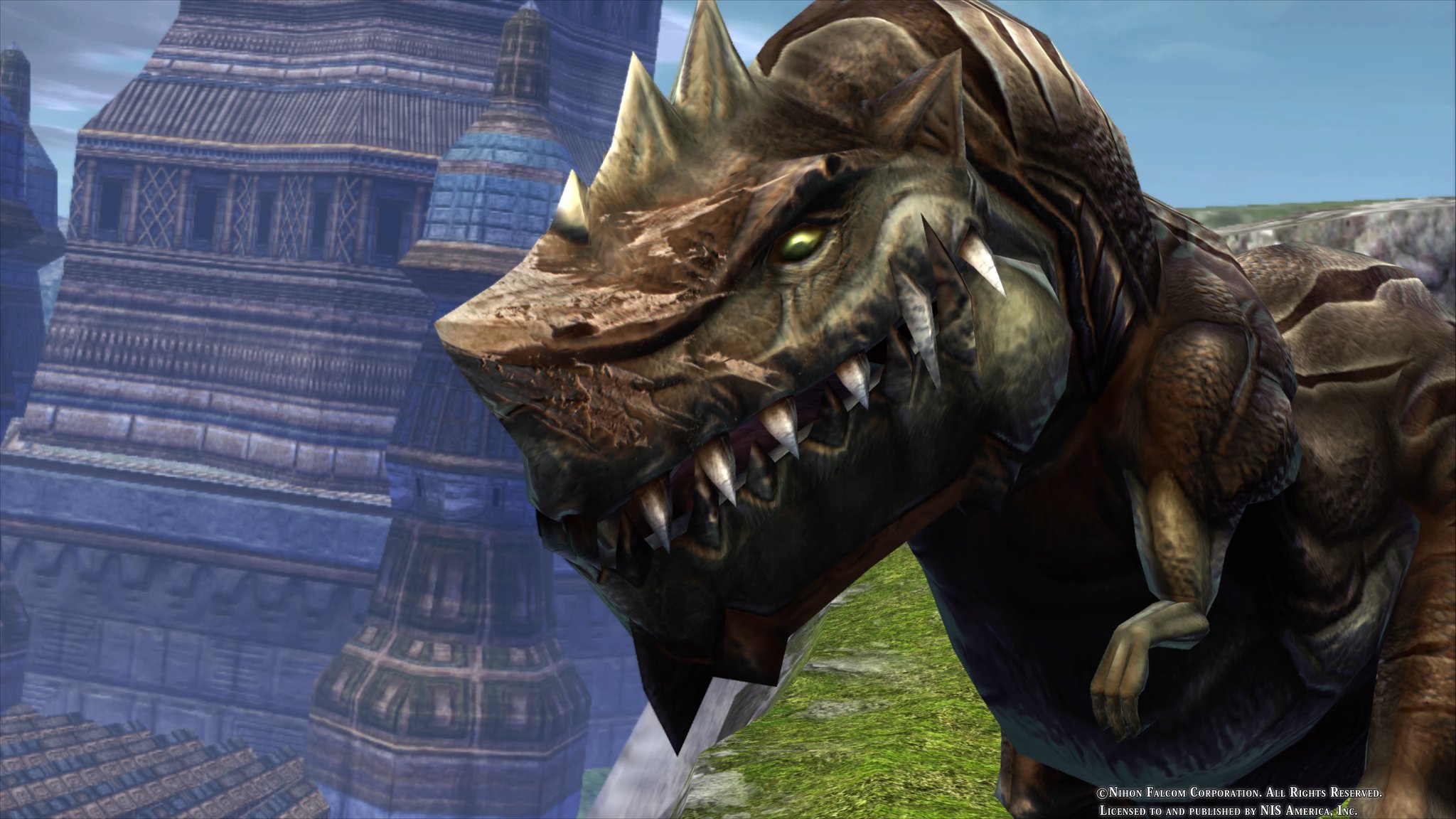
Some bosses are impressive, others are just a good way to let dinosaur fans get a laugh.

On the story front, things aren’t as great, but they’re serviceable.  In general the story is pretty by the book.  Adol and the ship he’s on run aground, get stranded on an island, and adventuring hijinks ensue.  The cast all have their own motivations to getting off the island, but generally speaking they aren’t explored too much.  The story around the title character Dana, and why Adol was having dreams about her goes a bit further, but mostly only to provide a bit of reason to move forward.  However, because the story is so focused on survival and getting off the island, it forces the use of one of my favorite parts of the game, Castaway Island.

While you’re busy exploring the island of Seiren, you’re looking for a couple things; people and resources.  Finding the members of the ship you were on allows the village to grow.  Each person has their own little role to play.  Some people join your party as combat members while others open up shops for gear and potions.  Because the island is deserted there’s also no money system, so everything is received through a bartering system.  This heavy use of resources found in the environment enforces a really strong need to explore every little corner of the world, finding points in the environment where resources can be gathered, or that specific monster you need to kill to get one last piece of hide to upgrade your armor.  This system works fantastically well in practice, and provides a much more interactive system of gearing than your typical pattern of new town; new gear that so many RPGs fall into.

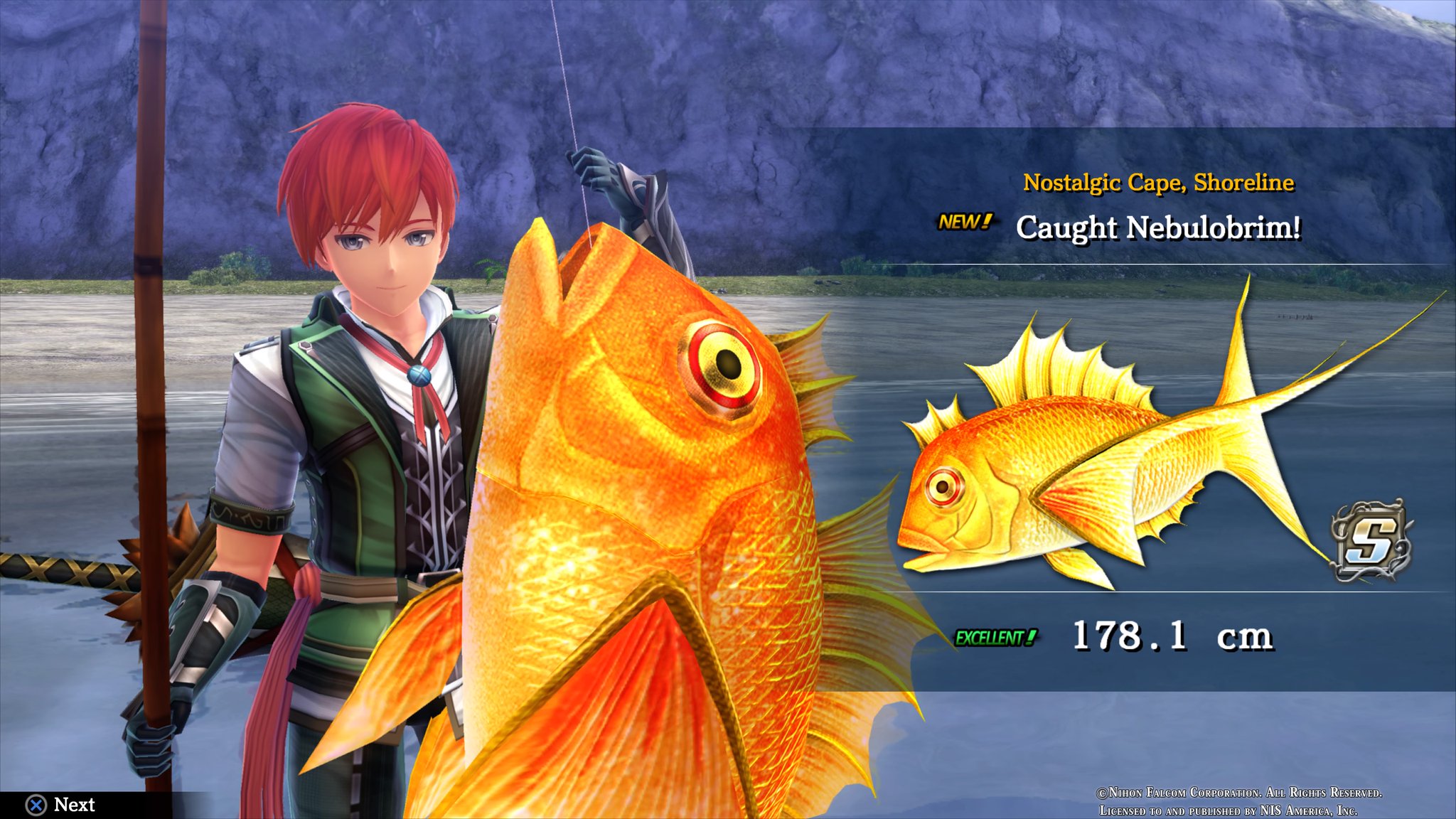
Side activities like fishing provide a nice distraction, as well as further resources to put back into the village.

In any normal year Ys 8 would have been the type of game that would push to the top of my list of favorite games, and as it stands it’s easily one of the better RPGs I’ve played this year.  The combat is fantastic, the story does well enough and pushes some great side systems, and the soundtrack really drives the game when it’s needed.  While this definitely won’t appeal to the Final Fantasy audience, anyone who’s a fan of the Tales game is going to find a lot to like here.