Game Ramblings #222 – Pokemon Pokopia

More Info from Nintendo

  • Genre: Action RPG/Sandbox Builder
  • Platform: Switch 2

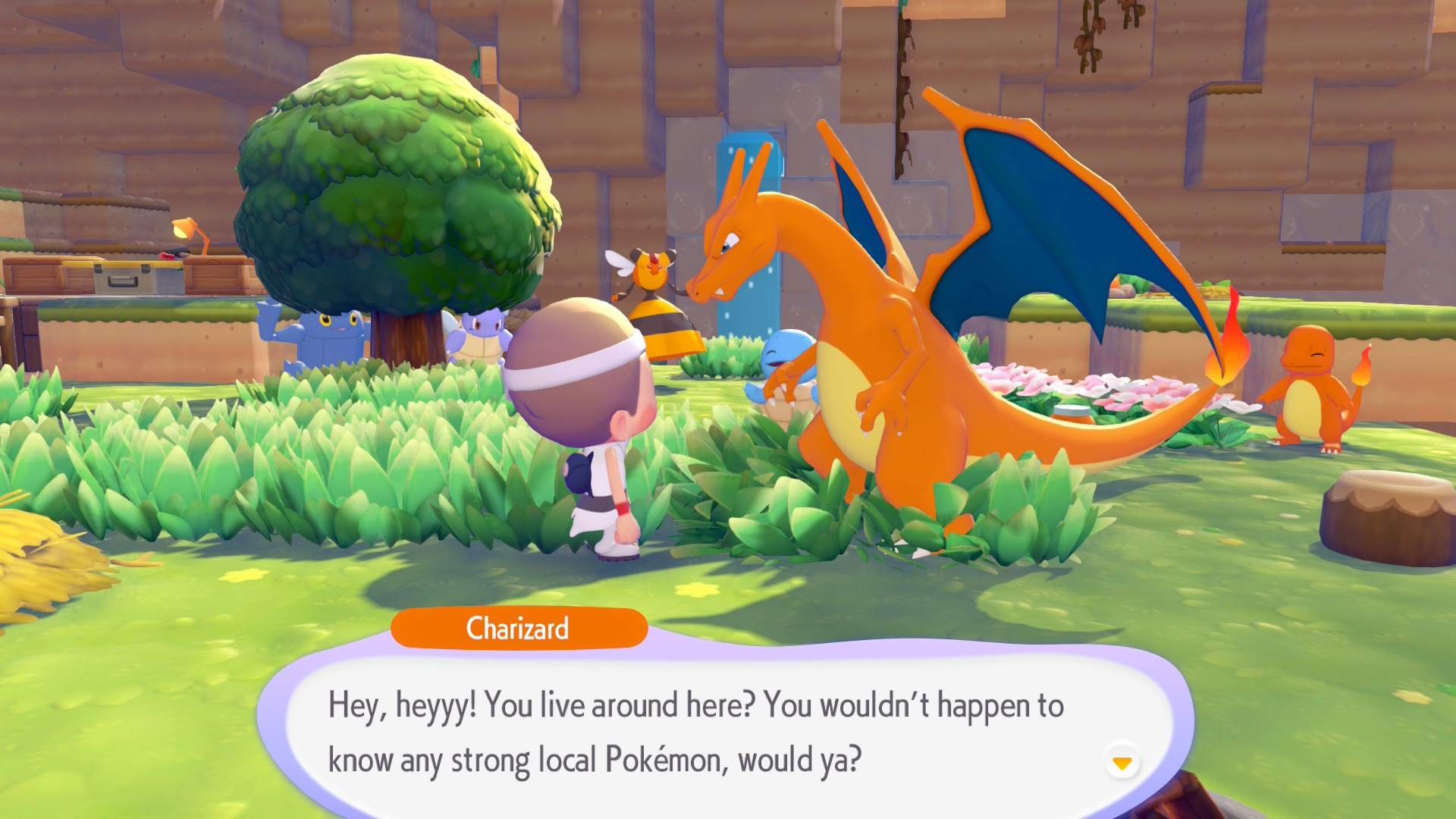
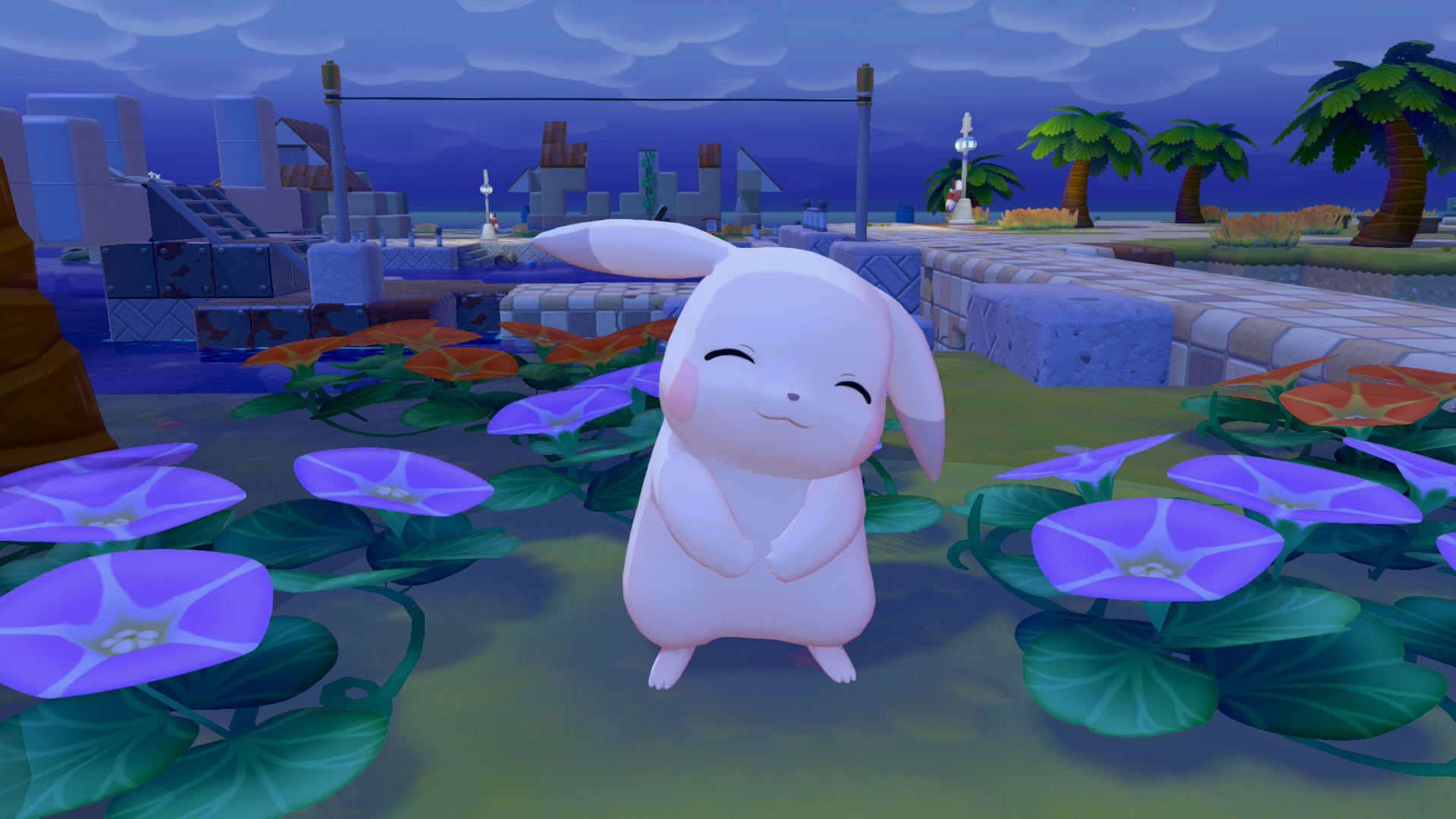
Having played Dragon Quest Builders 2, I knew roughly what I was getting into and where my expectations were. I figured I would effectively be playing the sequel to that game with a Pokemon covering. That’s definitely the bulk of what I got and those things tied to the IP were well integrated. However, what I also got that I didn’t expect was an incredibly dark story backing the setup to get us into the game, but we’ll get to that.

A lot of what made the building aspect of DQB2 work so well for me was indirectly carried over and it really settled me into the flow of the game.

The big thing for me in DQB2 was that tasks could be automated – for example, you learn to farm and task a townsperson to continue doing that for you; you learn to cook a recipe and have a townsperson continue to do that – and that still exists in some respects here. Throughout the game you start getting Pokemon or placeable items that you can add resources to to automate production. For example, Scyther can turn wood into boards if you give them to him. If you create a smelter, you can add raw ore to it to get ingots if you have a fire Pokemon. If you give clay to a fire Pokemon they can create bricks. If you put limestone in a mixer you can have a Pokemon with the Crush ability make concrete. These are all little tasks that can be done to get advanced resources. The big change from DQB2 is that the player cannot do these on their own and must have recruited the Pokemon associated with the task.

There’s a similar aspect to building that comes over here, but again in a slightly less automated way. In DQB2 you can setup builds and apply townspeople to them, but the rest of automation allows things to kind of continue on in the background while you go do anything else. Here, you setup the build, bring all the resources, recruit Pokemon with specific specialties, then set them about building the thing.

It’s a little bit more player directed, but also less automated. In a lot of ways this kind of bugged me early on as it felt like I had to be a little bit too involved with my individual Pokemon and steering them to start things for me. However, over time I kind of got used to just bringing Pokemon resources and things to do and assuming that over time they would naturally get around to handling the tasks for me and being less focused on one specific thing to do now and more on doing a wide range of tasks over time. I can easily be running around building out habitats for Pokemon or cleaning up junk or building paths or shaping the environment and by the time I get back around to the resources I need to build some story thing they’re kind of just there. It ended up steering me more into the sandbox nature of the genre than I think I typically would have been comfortable with.

A lot of the systems are kind of that way. They’re similar to DQB2, but less automated and more player directed. Where the focus has instead changed is very well oriented with the Pokemon IP. Your focus is instead on creating environments to pull Pokemon into your towns.

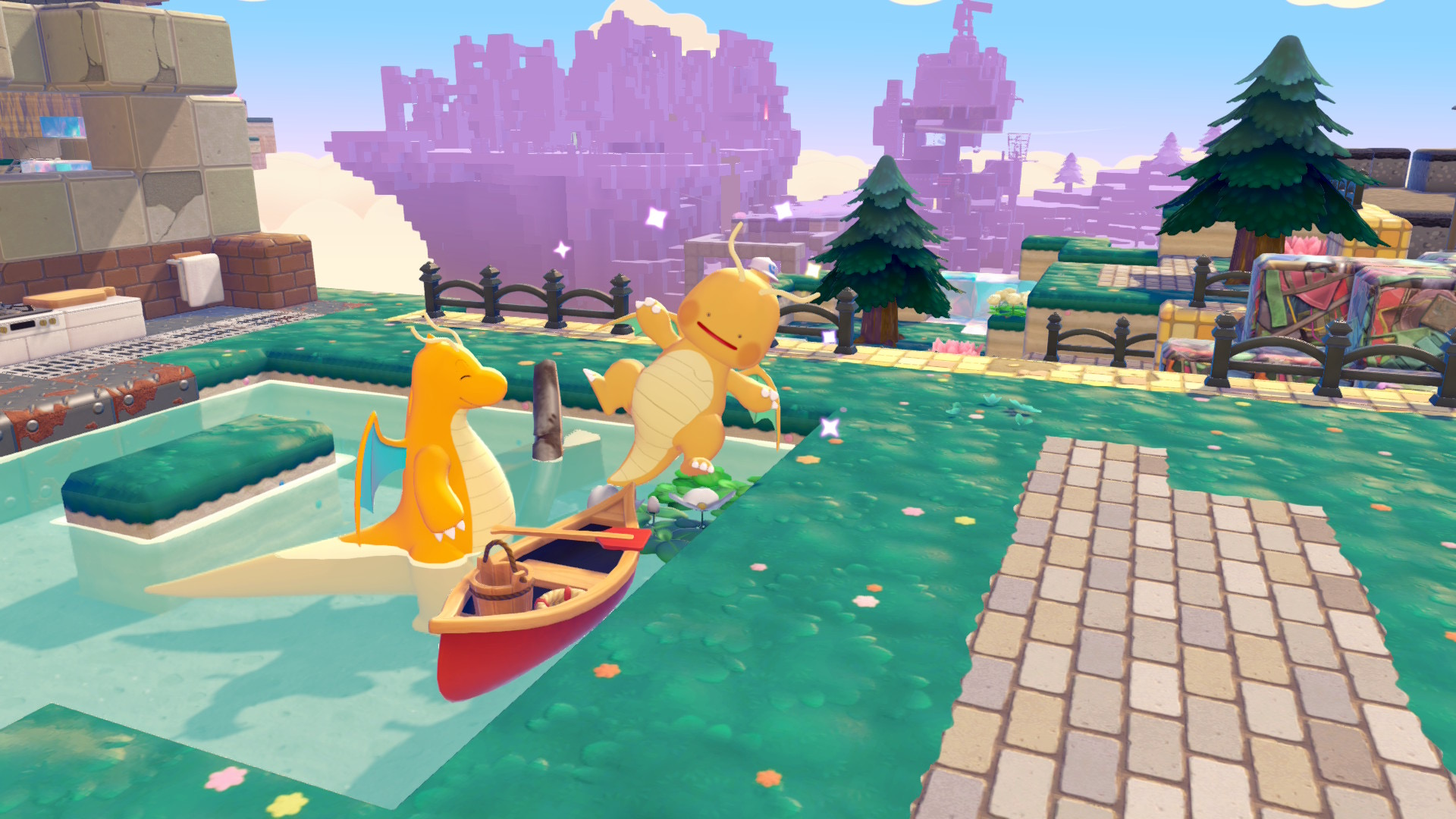
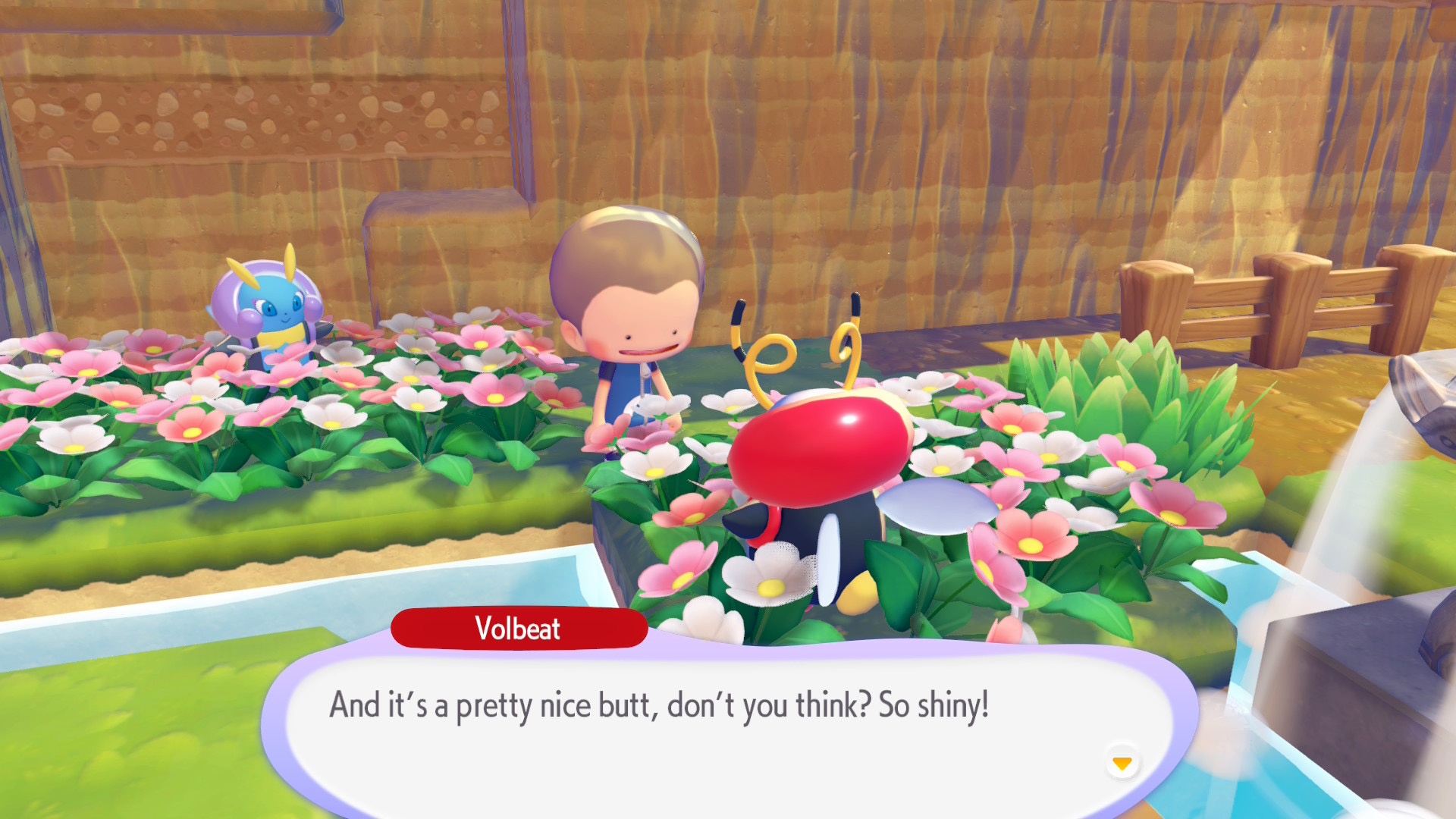
Every Pokemon in this game has some habitat that it wants to live in. It may be a simple four square patch of grass, or maybe it’s flowers and a shade tree, or maybe it’s a vegetable garden, or maybe it’s a volcanic rock next to lava, or maybe it’s a perch on the edge of a cliff, or maybe it’s a patch of grass that is also next to the ocean, or maybe it’s a patch of moss that is also next to a hot spring. The point being is that the player’s focus is on very specific micro tasks to bring new Pokemon into your town, and specifically because you need a variety of Pokemon to get everything done.

There’s about 30 abilities in the game and having a wide variety of them is extremely important. Some are pretty generic and end up being used across all your towns. It may be something like Burn to light campfires used to recruit certain Pokemon or Chop to create Lumber or Fly to allow you to fast travel to specific Pokemon. Some are instead pretty directly tied to the story like Rotom’s DJ ability to play music for a town party or Tinkmaster’s Engineer ability used to build a large story-focused building. Making sure that you recruit a wide range of abilities ends up being a more driving factor for your towns than the automation of DQB2 as it makes it far easier to tailor your current needs to the area you’re in if you have the ability to task any Pokemon there to do something for you. It’s also the thing that is so obviously tied to the IP as the abilities at play, how to recruit Pokemon, and ultimately getting that “collection” of Pokemon in your towns is the most Gotta Catch em All tie-in that the game has.

The one omission that did surprise me is that there was no battling. Pokemon is about collecting but it’s also about battling and the lack of it kind of points right into the overall plot. Do Pokemon battle because they’re told to or because they naturally do? Without humans, is this coexistence kind of their natural state?

So then, let’s look at the story itself. It’s dark if you actually read into it.

Spoiler

The TL;DR version is that this is the world of Pokemon, largely taking place in Gen 1 ruined cities, and all humanity has left Earth because the environment was destroyed. Rather than taking their Pokemon with them to space, they left them in the existing PC storage infrastructure in the event they could ever return back to the planet’s surface. During this process a hacker put in place safety checks to automatically release Pokemon if the return to the surface took too long and the environment improved enough to support Pokemon existing.

This kind of implies a few things. For one, humanity left and never came back and it’s not really specified how long this has been. Everything being ruins implies at least decades, if not centuries, and humanity existing at all is only finally confirmed in the credits sequence. It also implies that Ditto is a freak and can kind of exist anywhere, and that it was kind of lucky that Ditto happened to come out around the same time that Tangrowth also did, leading into the player starting to improve the world. It implies that the player setting up habitats for Pokemon isn’t actually recruiting wild Pokemon because they all likely were killed by the natural disasters but instead is setting up habitats in a way that the PC storage system finds candidate Pokemon to release back into the wild. The fact that humans were not accessing their Pokemon in space also implies that humanity is far enough away that they literally cannot and do not have access to Earth’s systems and they kind of just left it all behind. All throughout the game it’s hammered into the player that the Pokemon miss their humans, and the game resolves by basically showing that humanity will not know about the Pokemon fixing the environment for long enough that it’s unlikely the Pokemon are still alive. On the surface this just looks like a cute Pokemon game, but the lore ends up being horrifying to think about.

[collapse]

Like the Pokemon Legends games, this is a breath of fresh air for Pokemon. It’s very obviously Dragon Quest Builders 3 in a different IP, but it works pretty seamlessly. It takes systems that worked from that series, morphs them a bit to fit into collecting Pokemon, and hits a really good balance of IP nostalgia and solid core systems that are slightly pushed in a direction that fits Pokemon better. Frankly, it also fills a hole left by the lack of a new Animal Crossing game. It’s just a really solid game.

Game Ramblings #189 – Sand Land

More Info from Bandai Namco

  • Genre: Action RPG
  • Platform: PS5
  • Also Available On: PS4, Windows, Xbox Series X|S

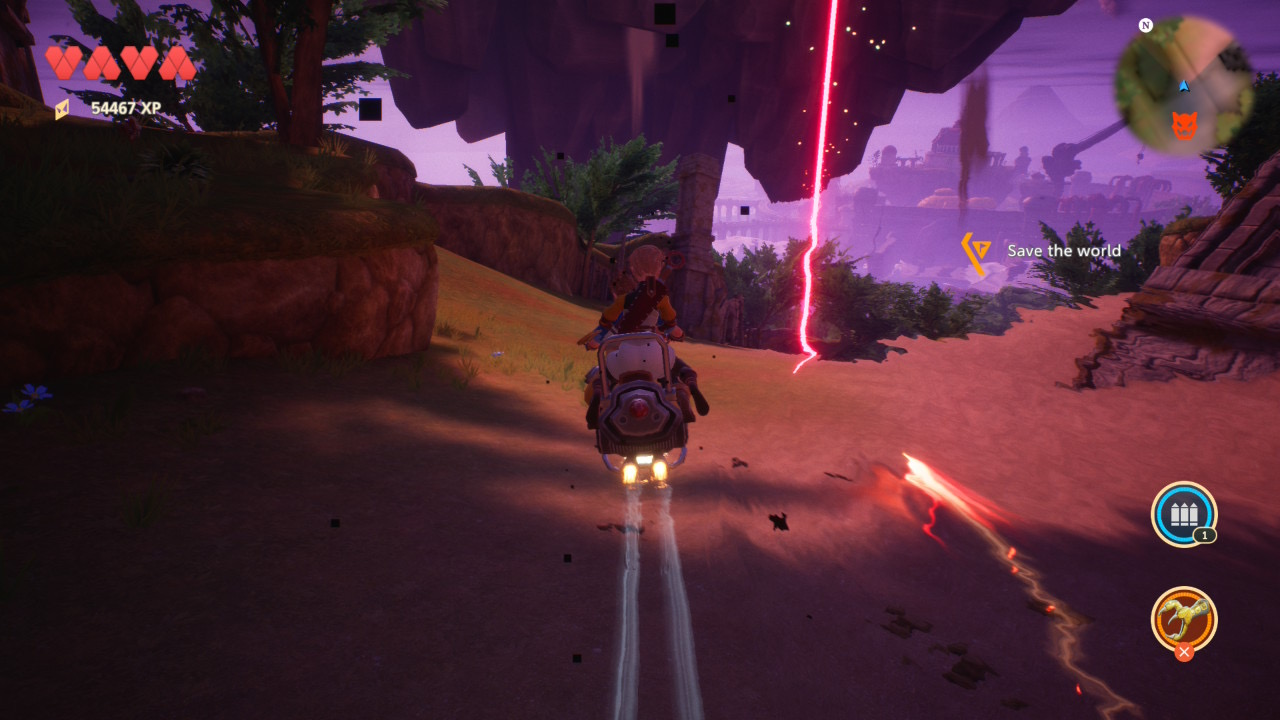
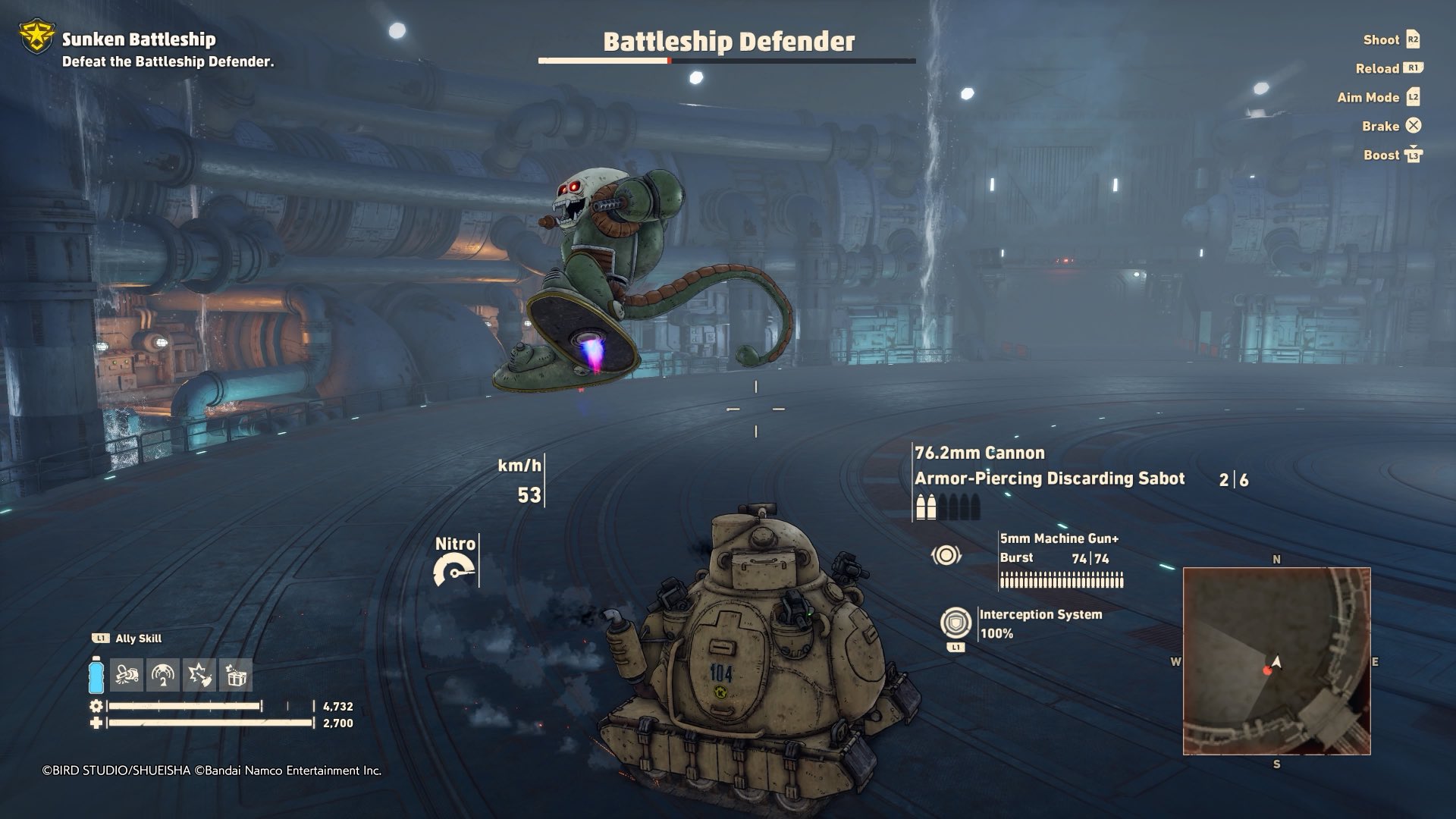
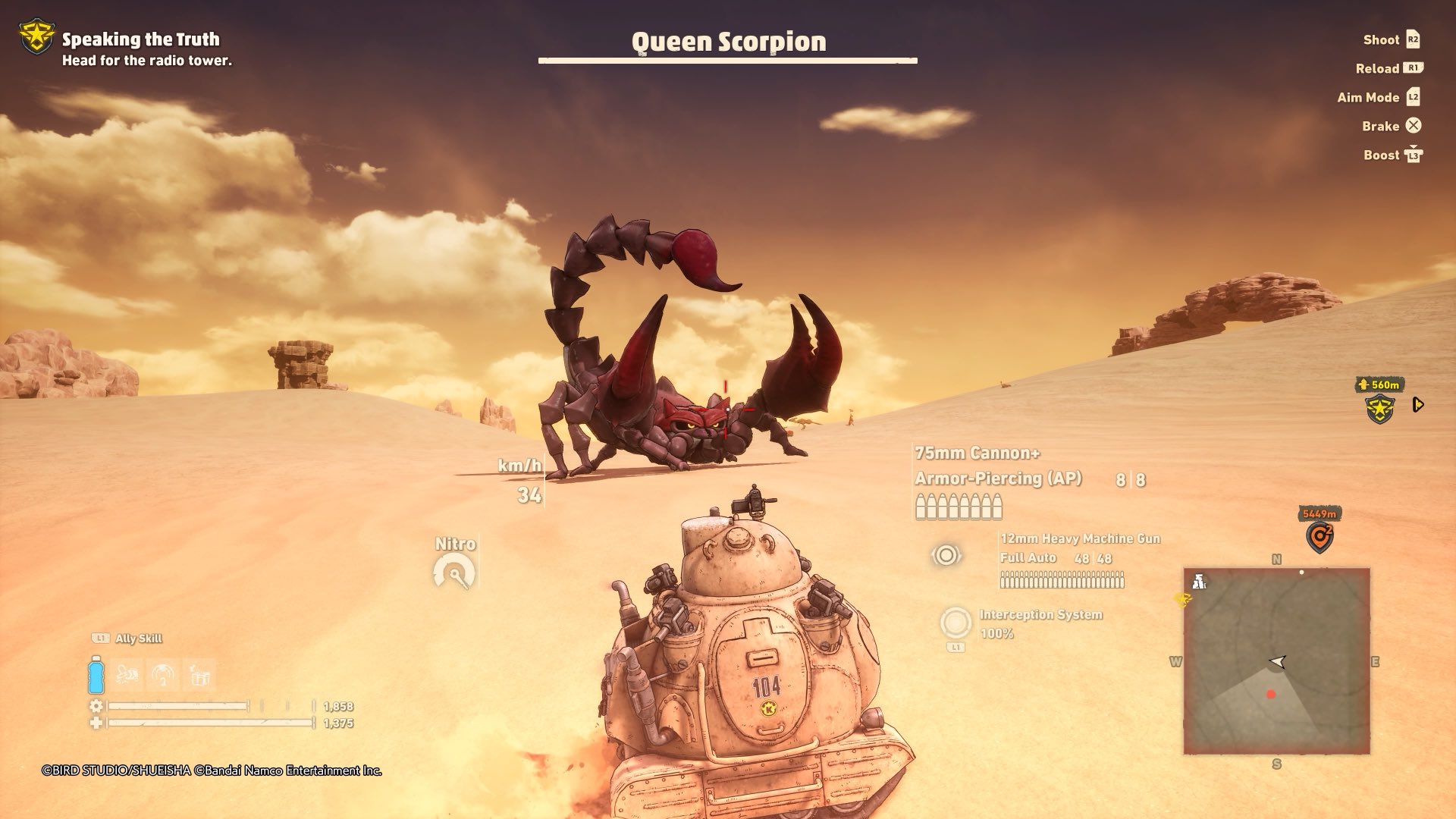
I don’t really know why I expected this to be more of a traditional ARPG than a tank game, but I’m glad I was wrong. The game throws you into a bit of ARPG action early on, but from there it’s almost entirely a tank game and boy did it hit far better for me because of it.

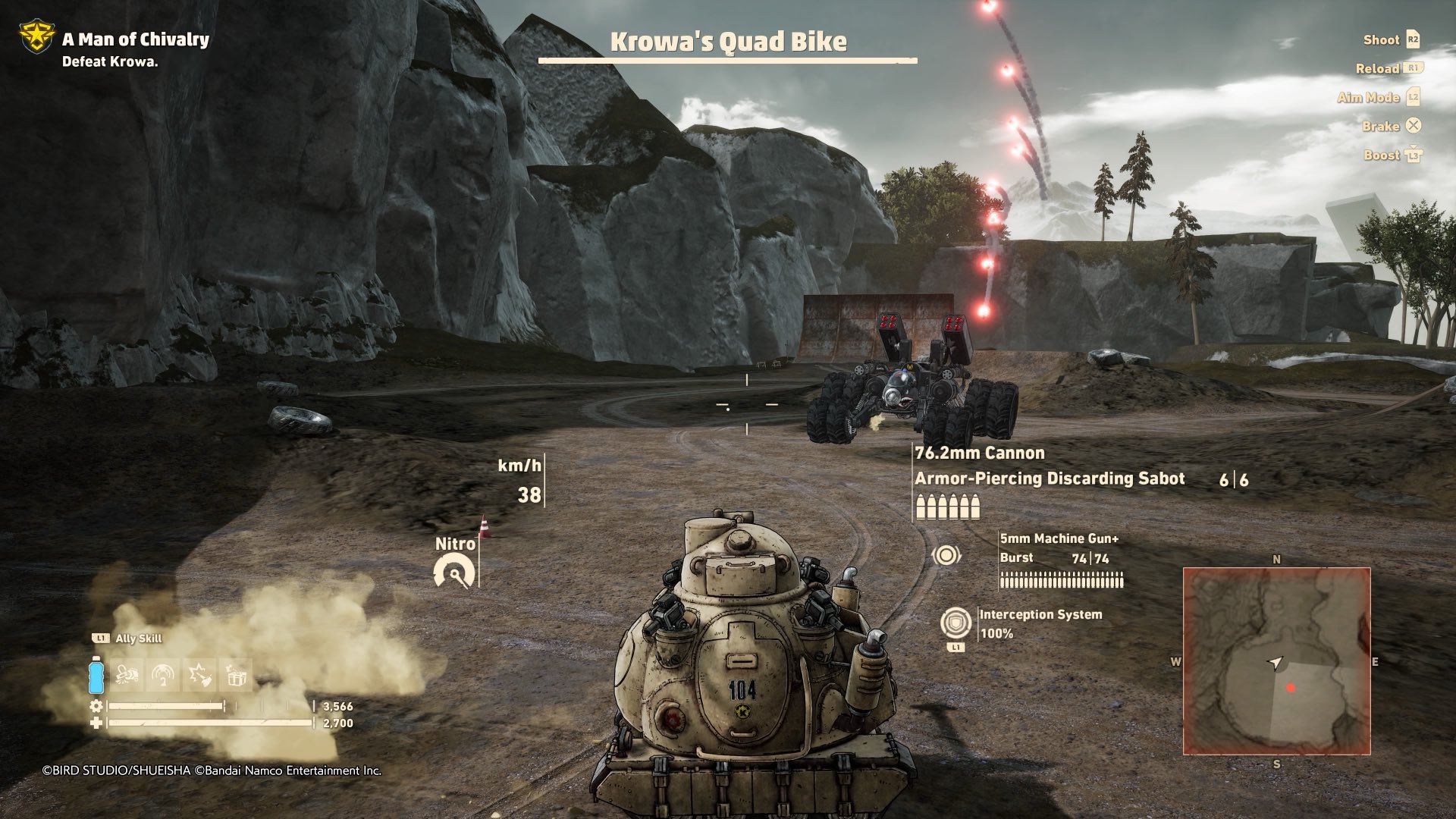
There’s just something that was so satisfying about the tank combat for me in this game. The moment-to-moment combat was solid on its own, but it wasn’t the core of what drew me in. I think ultimately it came down to how well the ARPG aspects were integrated into the tank crafting system. The core power curve of the game is the player level, based on normal XP. As the player levels, enemies in the world get stronger. However, that is not how the player gets stronger. The player’s vehicles get stronger purely through crafting.

The core vehicle levels then have some basic stat increases, but the core power curve is through vehicle parts – weapons, engines, suspensions, etc. This customization is obviously driven by the player’s need to get stronger but it also lets the player hugely modify the vehicles around their play style. Want to be a bit pray and spray? Go into fast fire with lower damage that reloads quick. Trust your aim? Go huge damage and one-shot enemies. Want to move quick at the expense of lower defense? Go ahead and be a turbocharged glass cannon. This all takes place over a whole slew of different vehicle types (tanks, walking bots, motorcycles, dune buggies, hovercraft, and more) to also fit all sorts of environment styles. The game gets a huge amount of flexibility out of the customization options available, which really drove me to experiment and constantly be crafting new things to try.

None of that would have mattered if the crafting itself was a slog, but luckily that isn’t the case. Enemies are incredibly common to find if you need something, but easy to avoid if you don’t. Every kill drops something and often multiple somethings. Side quests give rewards of all sorts. Treasure chests are available all over the place that give crafting and vehicle parts. This all really just feels tuned around the idea that they want you to play around with everything available to you without the game wanting to be in the player’s way.

It’s also worth noting how good the variety of vehicles ends up being in core gameplay. My tank was my obvious #1 in combat as it tended to have the best overall weapon set for huge damage. However, it’s a relatively slow vehicle. For large traversal I would swap out to a motorcycle. It had some weapons for taking out trash enemies but the main benefit was how fast it moved. However, the speed didn’t matter in tight spaces. For those I’d swap out for a walking bot that I had equipped with more crowd control-style weaponry to give me some strong offense that I could lob around hallways. These are then available to quick swap at any time through a clever use of the storage capsules from Dragon Ball to allow the player to “carry” a bunch of vehicles with them at all times. The game wants you to be using your full arsenal in a variety of situations and just gives you every tool imaginable to do so.

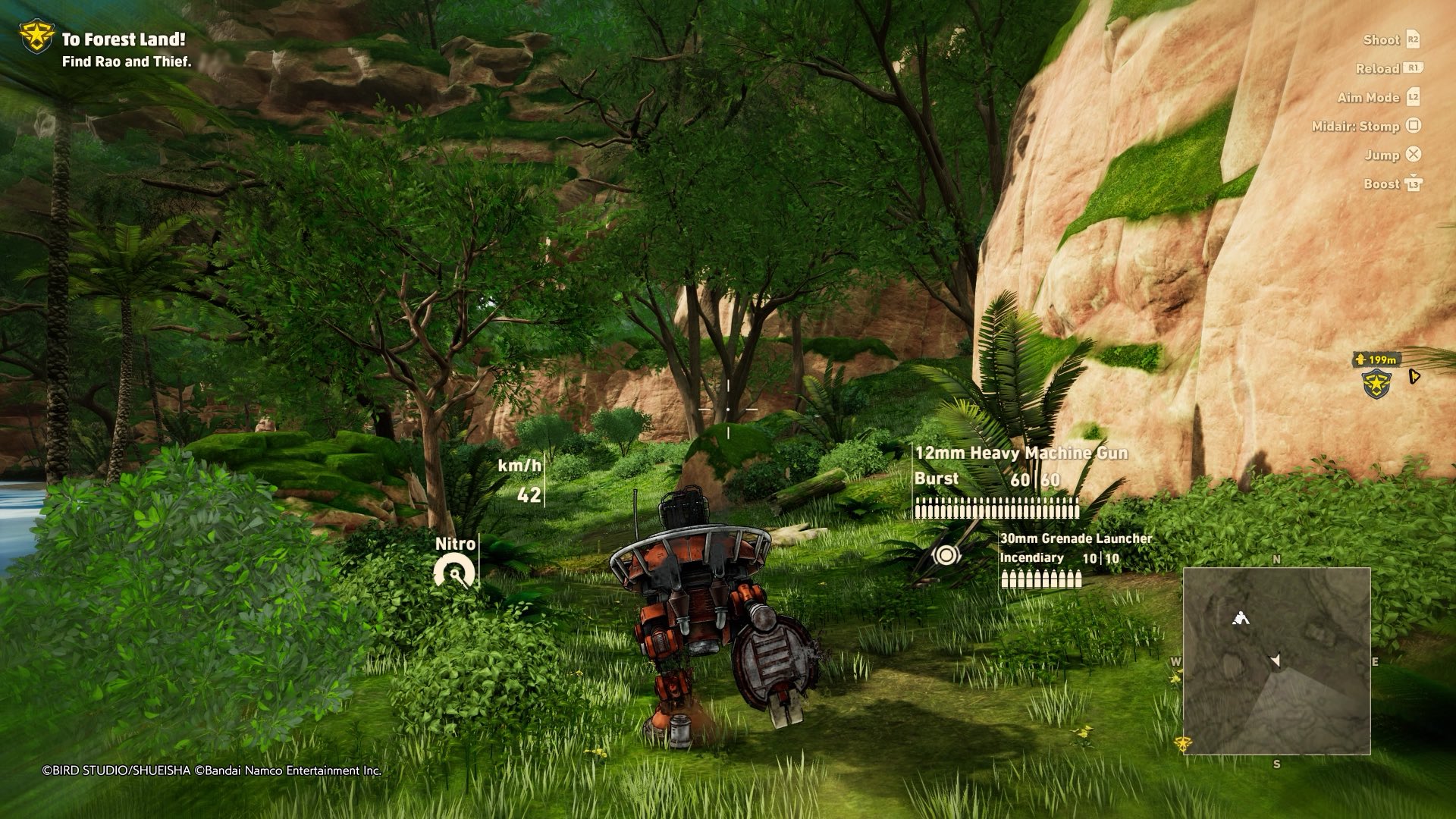
The rest of the game then just kind of falls into place. Main quest line objectives are far enough apart that you inherently explore on the way between them. Just as you’re generally finding the bulk of things in an area, the story will push you into a new region with new stuff. Just as you’re starting to feel bored of going back to old areas, you open up new vehicle types that open up new stuff in those areas. Just when you’re starting to get bored of the main Sand Land, you then open up Forest Land with entirely different environmental aspects to it. I’m not going to sit here and say that this is a blow your socks off game by any measure, but boy could it be far worse and I’d be lying if I said I didn’t enjoy it the entire time. It’s just far better of a licensed game than it had any reason to be.

When I looked into the developer of the game that made incredible sense though. ILCA was also the team behind One Piece Odyssey. That game fell into a similar place for me. It wasn’t a blow your socks off game, but it had such incredibly fun core combat that I didn’t want to stop playing it. This feels like a studio who understands that they can adapt an IP to good game mechanics, rather than adapt game mechanics to an IP and it’s been hugely to the benefit of their last two titles.

This was just a pleasant surprise. It has great combat mechanics, great customization mechanics, and doesn’t overstay its welcome. It was a trim 25 hours or so for me to mostly complete everything and I enjoyed it all the way. ILCA‘s next title looks to be a new entry in the Ace Combat series after they assisted development on the incredibly fun Ace Combat 7 and boy am I now looking forward to it more than ever.

Game Ramblings #185 – Final Fantasy VII: Rebirth

More Info from Square-Enix

  • Genre: Action RPG
  • Platform: PS5

This game doesn’t have the benefit of being the first in line. It comes on the heels of the astoundingly good FFVII: Remake and continues the ongoing story. However, that wasn’t really a problem for most of the game. It continued to really push the things I liked while adding a larger open world adding a huge, varied, and beautiful open world experience. However, finishing it left me a bit at a loss – the game was definitely extremely good and had I not played the final boss I would be higher on the game, but something about the way the game wrapped up left me at a place of wanting something different.

Note: This ramblings is mostly going to be spoilers, so I’m hiding it behind spoiler tags. Obviously, read at your own risk. My ramblings for the original game absolutely covers a lot of the good here, particularly with combat, so I’m not going to retreat that stuff here.

My disappointment was tied to both the final boss from a mechanical standpoint and the way the story wrapped up, but for now we’ll start with the boss fight.

Spoiler

The final fight is (unsurprisingly) against JENOVA and Sephiroth. Where Remake had a fun spectacle fight against Sephiroth and the Whisphers, this game had a slog. The final fight in this game is at least 8, or maybe 10 phases (honestly, I lost count) full of all the worst JRPG tendencies. The fight is too long, it has too many unblockable RNG attacks, it has too many party wipe elements, it’s not hard until you get immediately wiped, it changes your party without control too much. It was just not a fun fight. Spectacle, yes. Fun, no.

The party changing was really my biggest gripe with the fight, because it made a lot of the phases not particularly fun. After playing a game for 60+ hours, I kind of had some built-in likes and dislikes to my party. Aerith was always the right one for me to have in the background handling heals. Cloud was my main damage person due to his ranged/melee flexibility, but I was always comfortable swapping him with Red. Barrett and Tifa were pretty swappable for me in terms of decent damage but great stun build-up. I was never particularly effective with Yuffie, but I could make use of her as an NPC in the party due to her useful elemental switching. Cait Sith was always a black hole for me because of his ineffectiveness without the Moogle being present and the requirement to charge the ATB meter to bring it out. I’d say I could generally switch between 3-4 of them and be immediately comfortable as long as I had some of them around.

However, each phase of the boss fight swapped the party around without your control. Some phases were just Cloud/Zack solo, which is not really all that fun. Healing while also damaging while also avoiding incoming damage is a lot, and it resulted in me caching ATB charges in case I needed them for healing instead of burning the boss. Some phases had me in random combos of the non-Cloud cast, such as a phase of Rifa, Red, and Yuffie needing to take out wings that switch their magical weakness to stun Sephiroth. The unfortunate thing is….I really didn’t have the party setup for varied magic because my focus for that had been on Cloud and Aerith, neither of whom were available. Ya I could redo my materia with a reset, but I was already 40 minutes into the fight. The final phase was the real kicker though, and it wasn’t because it was hard. It was because it felt incredibly random.

I had a series of wipes that basically resulted from “lol bad timing sucker” that didn’t feel avoidable. One wipe I had just used my ATB to heal and it was followed by Sephiroth throwing out Heartless Angel, which reduces the party to 1 HP. Because I had just used my ATB, I didn’t have any leftover to heal and couldn’t avoid damage long enough to charge it. One wipe was caused by me using an ATB attack, which was long enough that Sephiroth started Skewer during my animation and triggered it right as I finished my animation, leaving me unable to avoid it. Cloud died, and Aerith didn’t have enough ATB or really much of an ability to dodge Sephiroth’s attacks long enough to build up charge to get Cloud back up and heal Cloud and heal herself. The final wipe of the night was me getting to the last phase, which involves dodging a deadly moving attack for a bit, while also requiring you to burn him down, while also requiring you to stun him before the move ends and he wipes the party.

Ultimately my problem with the last phase, and the fight in general, was that it never really felt hard but kept finding ways to just wipe my party with single attacks. It’s not fun when that happens in general, and it’s even less fun when the party setups have changed how you’re used to playing 70 hours in, and it’s even less fun when those attacks are unavoidable and you’re an hour into the fight. The way to get through the fight is to basically just not use ATB segments, keep them around just in case, then burn them when you’re hit with the big unavoidable things. For the last phase’s big final attack, keep them around, spam them when the attack starts, and just burn to the end. Chipping away with basic attacks and storing the ATB charges just made an unnecessarily long fight even longer. As I found out I was about one Thundara away from winning on my final wipe when I finished the game during my lunch break today, which is a really annoying way to have ultimately gone from about 80% health to 0 in an instant.

[collapse]

On the story front, I was also kind of disappointed with how things wrapped up, though the jury is still out there based on whatever the third game ends up being.

Spoiler

It was obvious from the previous game that this one was going to end right at the point where Aerith died in the original game. I have no problem with the fact that she died here, but I do have a problem with how they arrived at that. The previous game’s entire core conceit was that the party was able to defy fate and set their own future. This entire game felt like it was doing its best to ignore that. This was as close of a step by step retread of the original game between Midgar and Aerith dying as possible, other than some sidetracking with alternate universe Zack. However, you get to the altar in the Forgotten City and Cloud blocks Sephiroth’s attack. It’s a huge moment meant to shock FF7 fans. It’s then immediately ended by a static screen that transforms it into Aerith being stabbed. That part felt like it was directly meant to evoke the same shock of the original game’s death scene, but when it immediately follows Cloud changing fate it feels deflating and unnecessary. It’s obvious that this is now Sephiroth having direct control over fate and returning it to what he wants. It makes sense. But it also feels unearned.

One of the big things about the entire ending segment is that it’s obvious that Aerith also has control over fate in some form – whether that be direct control or at least an ability to cross between different parts of the multiverse shenanigans at play. She’s able to bring Zack into the Sephiroth fight. She’s able to bring Cloud between multiverses. She’s able to join the Sephiroth fight despite dying, presumably by coming in from the Lifestream. It just feels like she died because she was resigned to dying because that’s the fate that is required to block Meteor in the original game. It feels like the hope of fighting against fate from the original game is gone because that is what was required of the story. It again feels unearned.

If the entire point of the original game was that the party can decide their own fate, this all feels wrong to me. Sephiroth being able to so easily set fate despite showing no ability to do so at this scale previously feels sudden. Aerith suddenly not wanting to decide her own fate despite being so for it previously feels sudden. My problem with all of this isn’t that these things happened, but that they feel like they were conveniently done to maintain the original storyline. Where Remake felt like it was setting up for a new future, this feels like it was purposefully to reduce new things from occurring. It feels like a setup for part 3, rather than something done to result in an interesting part 2, and in turn it weakens the impact of both Remake and the original FF7 because it all became predictable in the end. I guess I was ultimately hoping for Aerith to live, not necessarily because I wanted her specifically to live but just because I wanted part 3 to be something different. Now I feel like I know exactly what is going to happen. The excitement of possibilities I had coming out of part 1 is now just gone.

[collapse]

I don’t really want all that to make the game sound like it was bad though. I was disappointed by how it was wrapped up, but ultimately I played it for 70 hours because it was fun. The combat is a refined version of what we saw in Remake and it’s still an absolute blast – as long as you’re in control of your party make up. At this point I’m now curious what part 3 will be. It feels predictable at this point to expect it to wrap up precisely how the original game did, but I’m hoping that they go in a new direction. The story team has laid enough potential places for story changes to occur instead of being a retread of the original. Remake gave me hope that we were going to get something new and interesting, and I’m hoping that they don’t miss the opportunity.