Game Ramblings #211 – Fantasy Life i: The Girl Who Steals Time

More Info from Level 5

  • Genre: Action RPG
  • Platform: PS5
  • Also Available On: Switch, Switch 2, PS4, Xbox Series, Steam

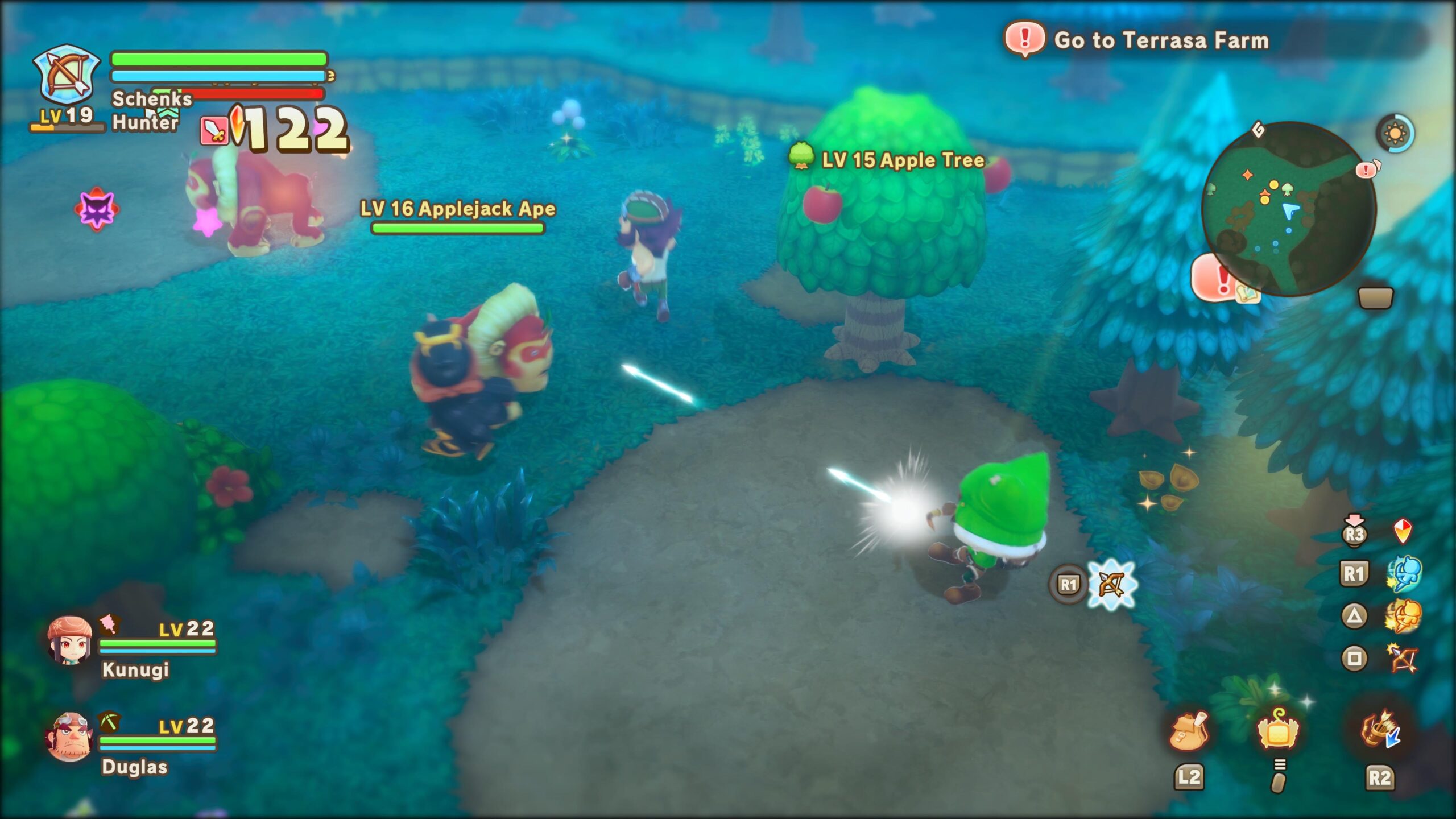
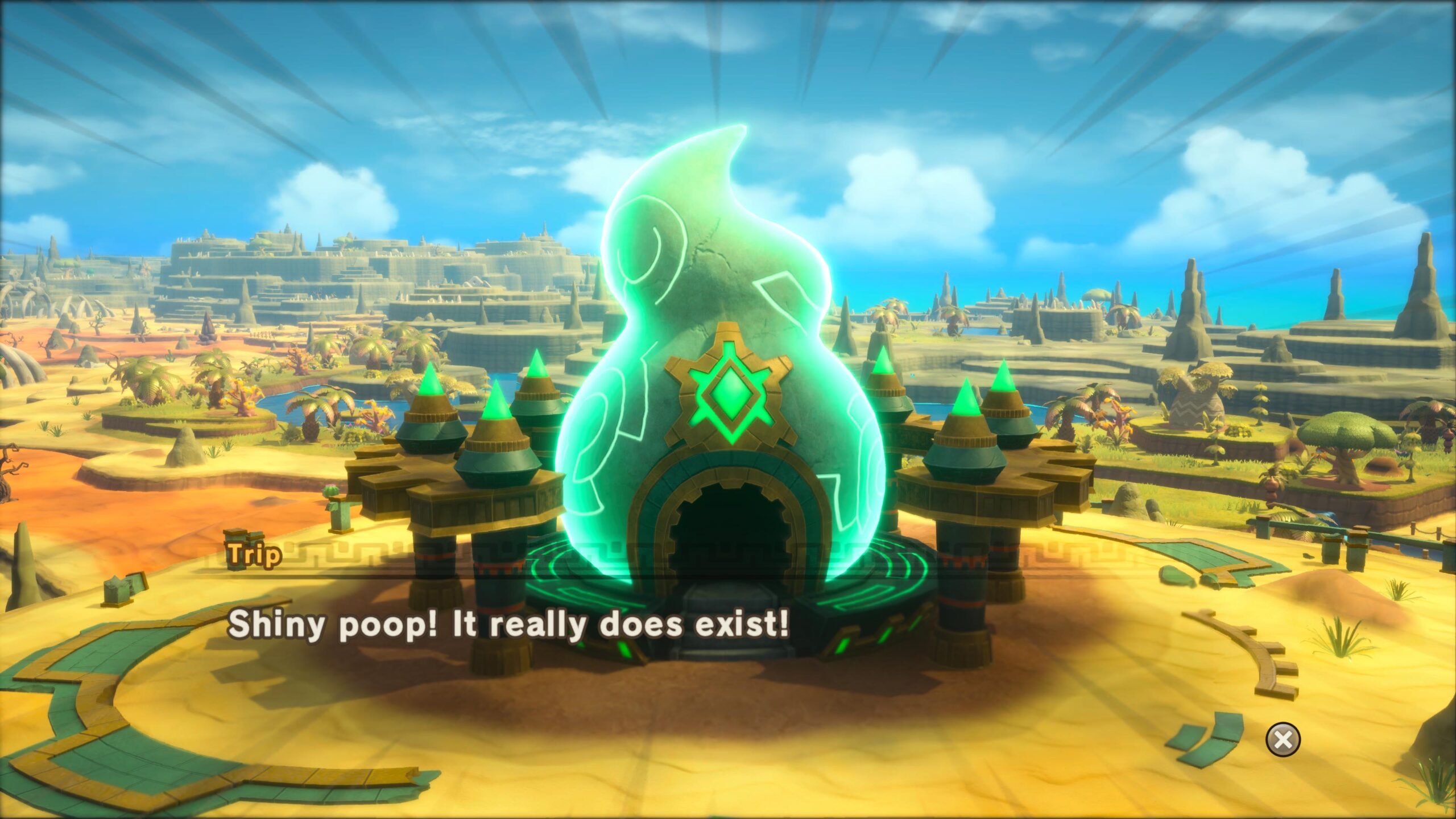
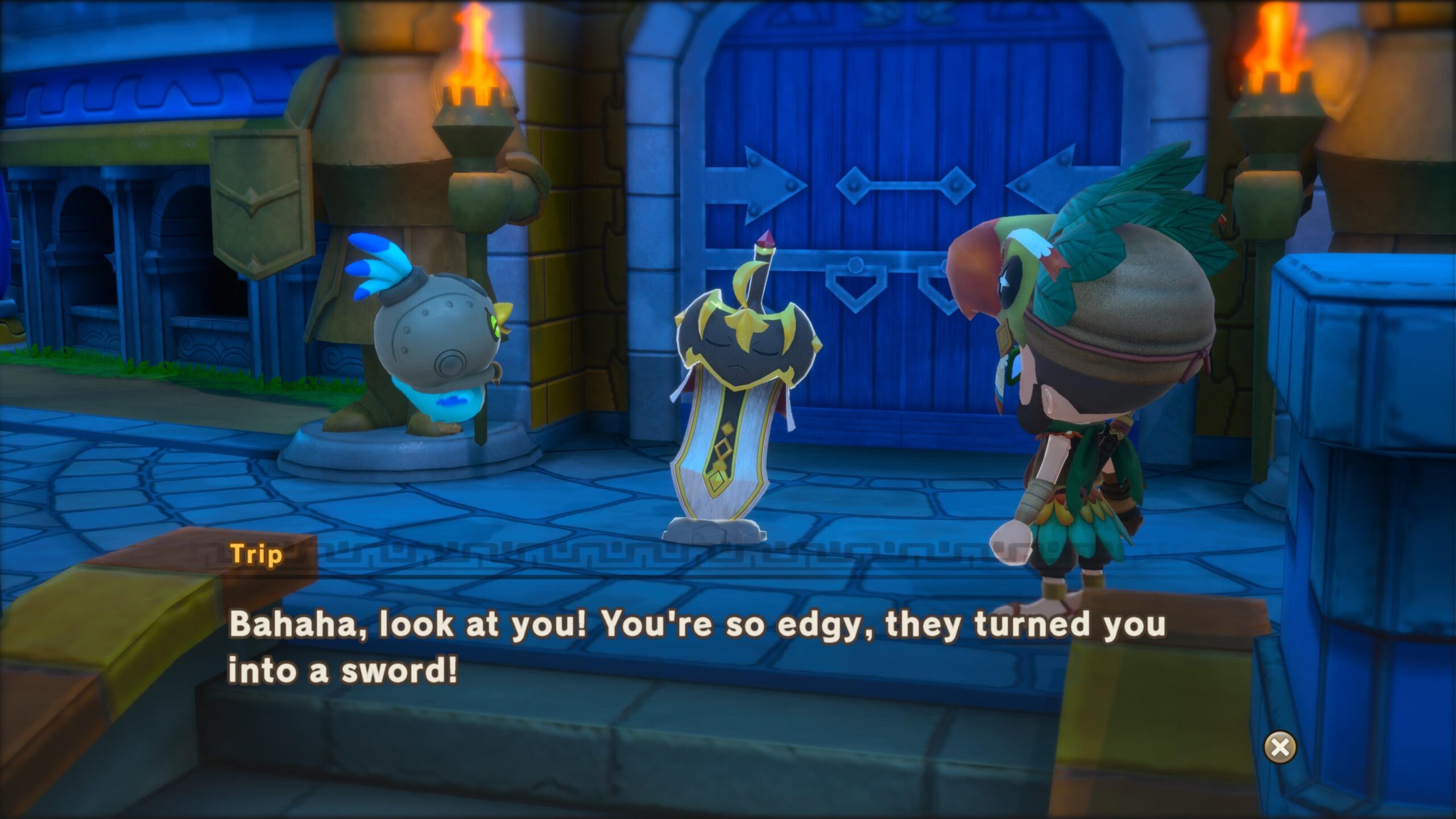
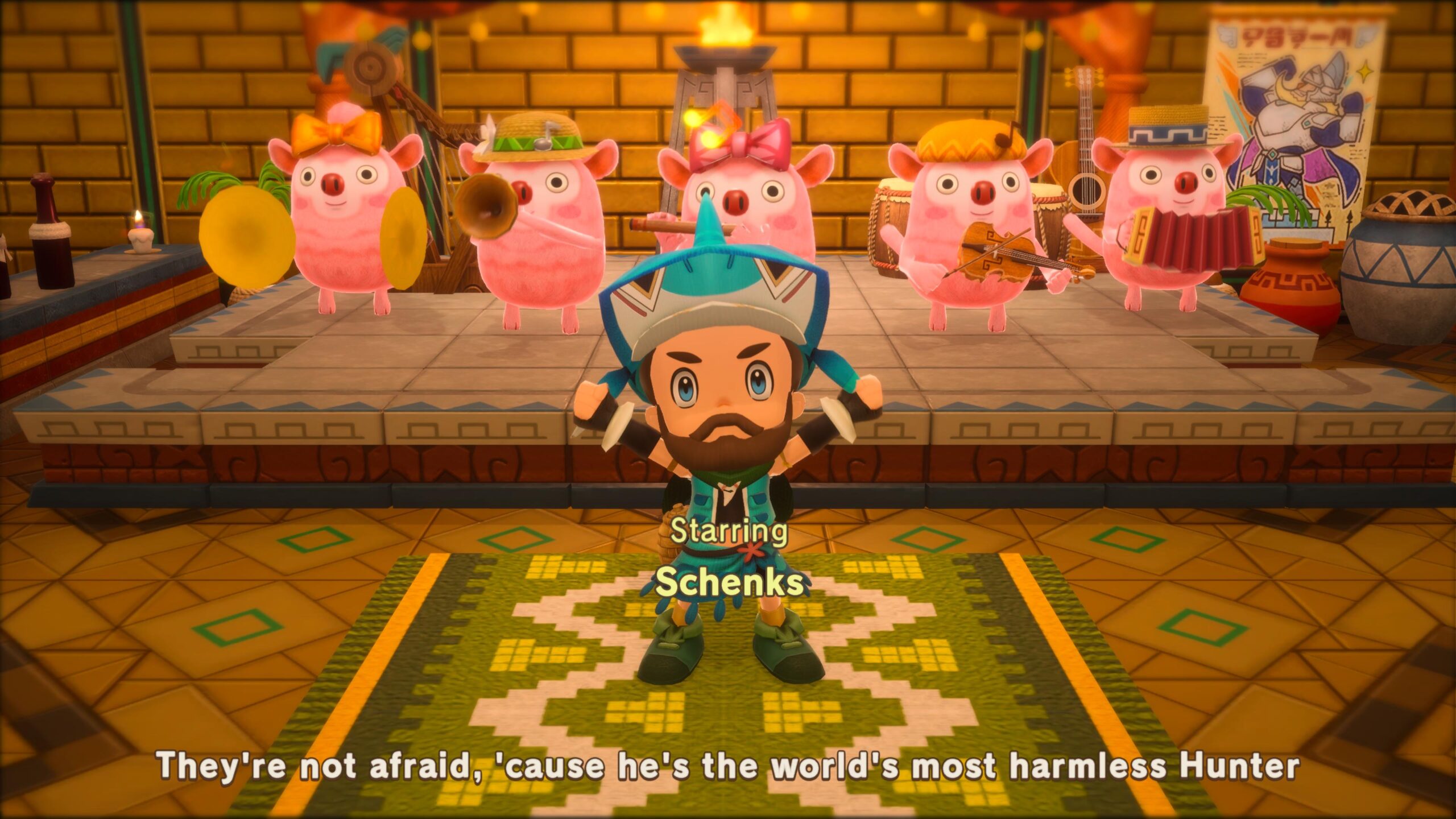
This game is the very definition of low friction. It has a ton of systems for crafting, a ton of systems for combat, a ton of systems for collecting, systems for building, and systems for customizing. From a high level view it looks like absolute chaos, but they all work together and they all work similarly so doing any particular thing constantly feels familiar. In building out the game this way they’ve created something that feels like Animal Crossing through the lens of RPGs and it just becomes an absolute joy to sit down and play.

If I look at the individual systems in place and tried to pull them out into its own game, it’s pretty clear that you’d have a series of pretty shallow games. Combat is fairly effective, but it’s clearly simple. You can do a set of different melee types and a couple of ranged types, but they generally play similar enough to be a preference selection. They have a handful of attack types for variety but largely play the same. The crafting side of the game is similar. Each crafting life has a whole huge list of recipes but they are all crafted the same way so 1:1 against each other it’s pretty irrelevant. Ultimately what really makes the game work is the loop tying everything together and how seamlessly you transition between the various lives.

To me the story is largely irrelevant. It’s something to push you forward into higher level zones – which has its use – but it’s not what had me playing the game. The Animal Crossing portion of this is really what did it for me. Like Animal Crossing, you’re essentially building a customizable town and recruiting people in it, but with more direct control over the things that you place. Rather than props coming up in the shop, you have to make them. If you want that fancy new staircase type to pull off a new block of housing? Go build it. You want that cool new wall art for your personal house? Go make it. What comes out of that is that each decision on what you’re adding to the town has a lot more impact than Animal Crossing. It’s a series of checklists to get to it. Do you have the recipe? Do you then have the materials? Do you then have the skill level to create it? If not, do you have a townsperson with the matching skill to assist you in creating it? That is where the simplicity ends up shining.

The individual lives that you work through to create a single thing don’t need complexity when the game loop is short. Recipes generally come out of quests of some sort, so completion of them is generally a small amount of item creation or enemy kills to complete. It doesn’t try to bog you down in a large grind. Each recipe has some handful of required items – maybe it’s some ore or some fish or some flowers or some wood, or some other craftable subitem like paints or boards or metal ingots. Rather than making that process slow and plodding, getting those items is relatively quick. Yes there’s leveling, but crafts or kills at the same relative level as you provide a ton of experience, so you aren’t grinding to earn new things. Each little piece of a whole item is its own couple minute game loop that is fast and fun enough without providing unnecessary friction to the player. At the end, you create your item, put it where you want, and move on to the next thing.

It is then helped that in the process of completing these mini game loops you’re also just generally grabbing other items as you go. On the way to some specific ore there’s probably some monsters or trees or any number of other things that you quickly dispatch to get more stuff that you can use later. It’s then easy to transition between all this because the fundamental controls are the same across the board. Each gathering life type has the same type of setup where there are weakpoints you can scan for and hit to more quickly dispatch the item. They all have the same setup of a critical finishing blow to gain more items. This extends to combat where the combat controls similarly have charge attacks on the same buttons for more damage to keep a similar sort of rhythmic flow to combat and gathering. On the crafting side, the setups are the same picture matching with the same clicks, hold, and button spam types so transitioning between woodworking and blacksmithing and cooking is all seamless.

This is ultimately what I mean by everything being low friction. The entire game is a series of small systems that are good enough on their own to be fun enough. They wouldn’t stand well over time isolated in their own game, but as the sum of parts to create a more advanced Animal Crossing experience they just all enhance each other. The systems have a short loop to keep you going to the next part of your checklist in a way that reminds me a lot of DS/3DS era games where everything was really tuned down to a 5 minute game loop that you can pick up and put down at any time, but can also just be played in hours long sessions because they are so smooth to get through. Creating your town is easy and fun but still requires enough effort to complete that it doesn’t feel trivial. It all just ends up working well in a way that makes this an easy recommendation for anyone looking for that Animal Crossing fix.

Game Ramblings #198 – Hogwarts Legacy

More Info from WB Games

  • Genre: Action RPG
  • Platform: Xbox Series
  • Also Available On: PS4, PS5, Xbox One, PC, Switch

This IP is obviously complicated by the fact that the original author has turned out to be a piece of shit and that wasn’t something I wanted to support, so I waited. I waited until it was so cheap that I would effectively not be putting money into the IP. I waited until I had a practical need to play it as a developer. However, it was time for me to get around to playing it and I’m glad I did. The team at Avalanche put something together that is pretty obvious on paper – make an open world RPG third person shooter – and unsurprisingly it works well. The level of polish behind this game puts it right up there with the best of AAA experiences I’ve played over the last several years.

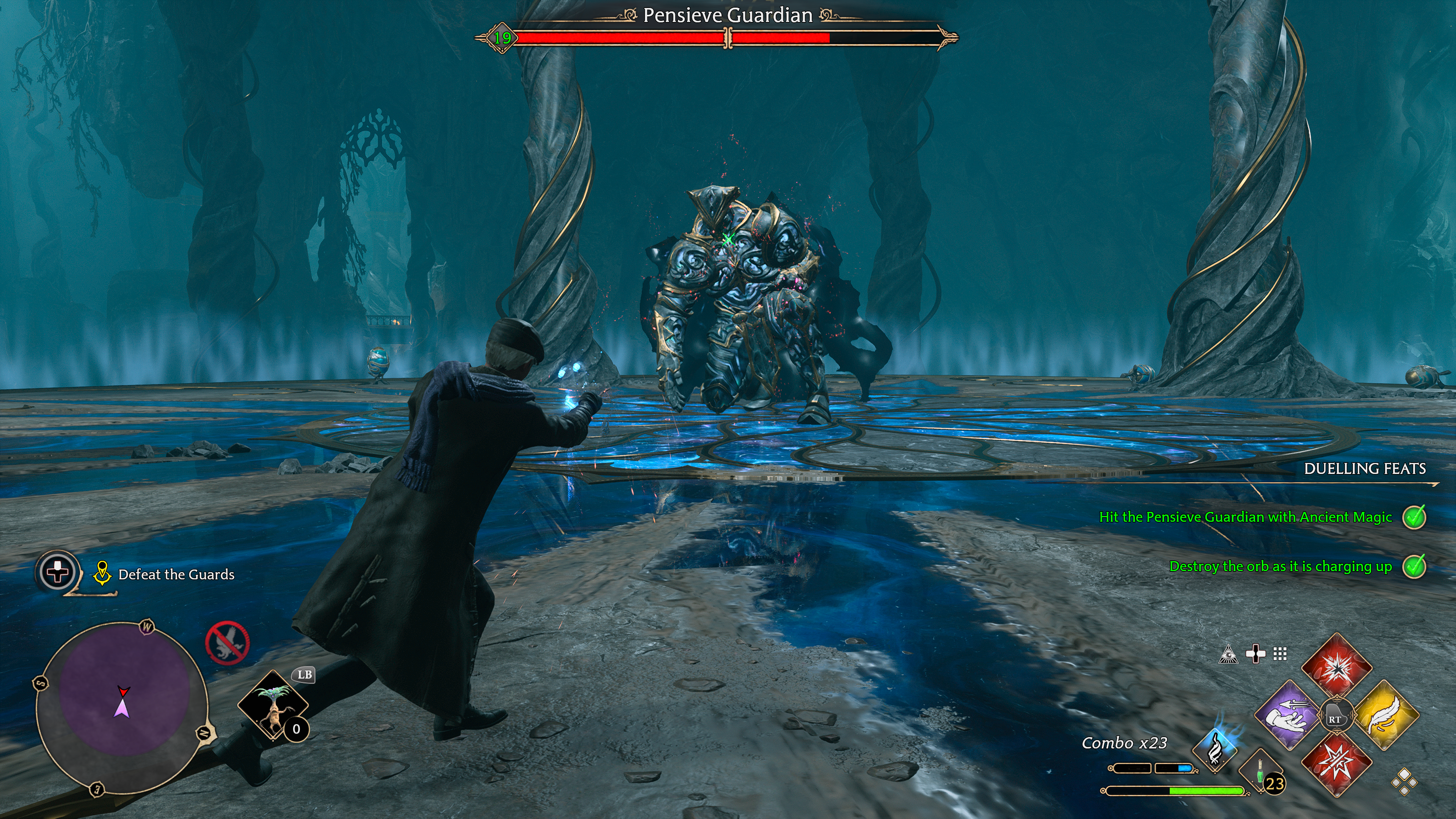
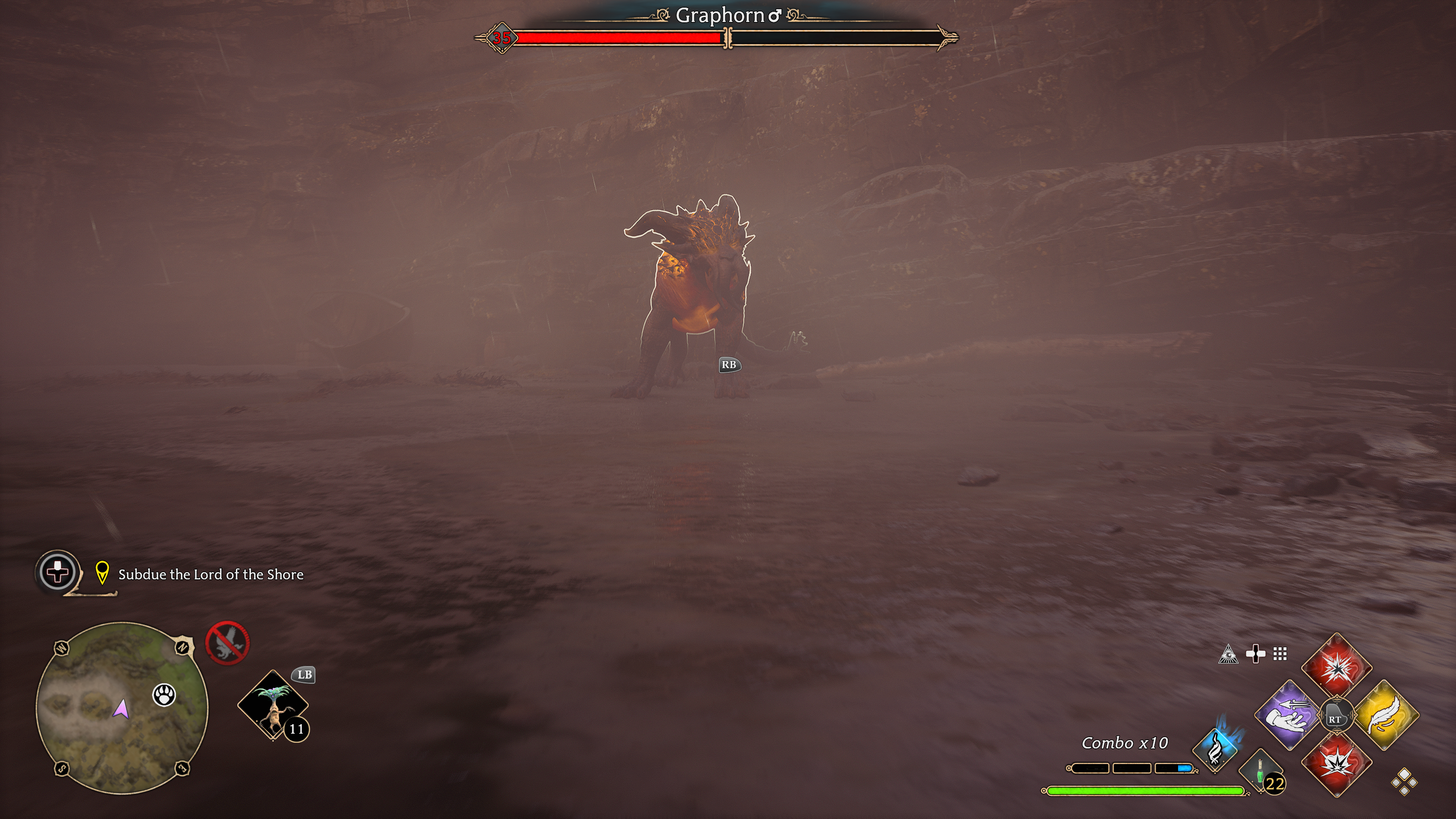
There’s a really interesting push and pull here between childhood nostalgia of what Hogwarts is from the books and movies against what is expected of a playable videogame experience, and this one does a surprisingly good job of playing that balance. There’s sections that are heavy on puzzles that really lean into the lore. You’ll be solving puzzles created by Merlin or finding important objects to the universe or capturing magical creatures. There’s sections that are then heavy on combat where you’re fighting dark wizards and trolls and goblins. The game does a good job of balancing that back and forth to where you’re never doing one for a particularly long time back to back so you get into natural sort of peaks and valleys of action that allow rest between.

Underlying all of this is how it ties together the overall story with simply being a student. Yes, you’re doing something larger than Hogwarts as the meta experience, but within that are chunks of distinct classroom experiences. You’ll be given tasks by the professors that need to be completed. For example – use a specific potion and defeat enemies, capture some specific magical creature, defeat enemies with particular spell combos, etc. Those lessons then result in you learning new spells to use further in the game. It’s got a very Nintendo quality to it in that it’s naturally tutorializing parts of the game without being overtly in your face about it, then rewarding you with a new toy to play with.

None of this would work if the action that followed was bad, but that works extremely well. Ultimately, the closest thing I could compare it to would be something like Mass Effect. At the end of the day this is a third person shooter full of projectiles flying everywhere, but each attack is based in magic. Where Mass Effect would have a magnetic shield, this has Protego. Where Mass Effect would throw grenades at range, this has Bombarda. Where Mass Effect has cryo weaponry, this has Glacius spells. Where Mass Effect has poison dots, this has curses from Crucio.

From an experience standpoint it all just feels natural as a result. This may be an 1800s magic game, but it feels like something that almost any core gamer has played before. The control scheme is similar, the results of actions are similar, and the moment to moment gameplay is similar. That may sound a lot like “well it’s been done before”, and I suppose there is some truth to that. The thing that’s impressive is that it doesn’t feel like a retread, but instead feels like a perfectly natural blend of known gameplay and a completely unrelated IP.

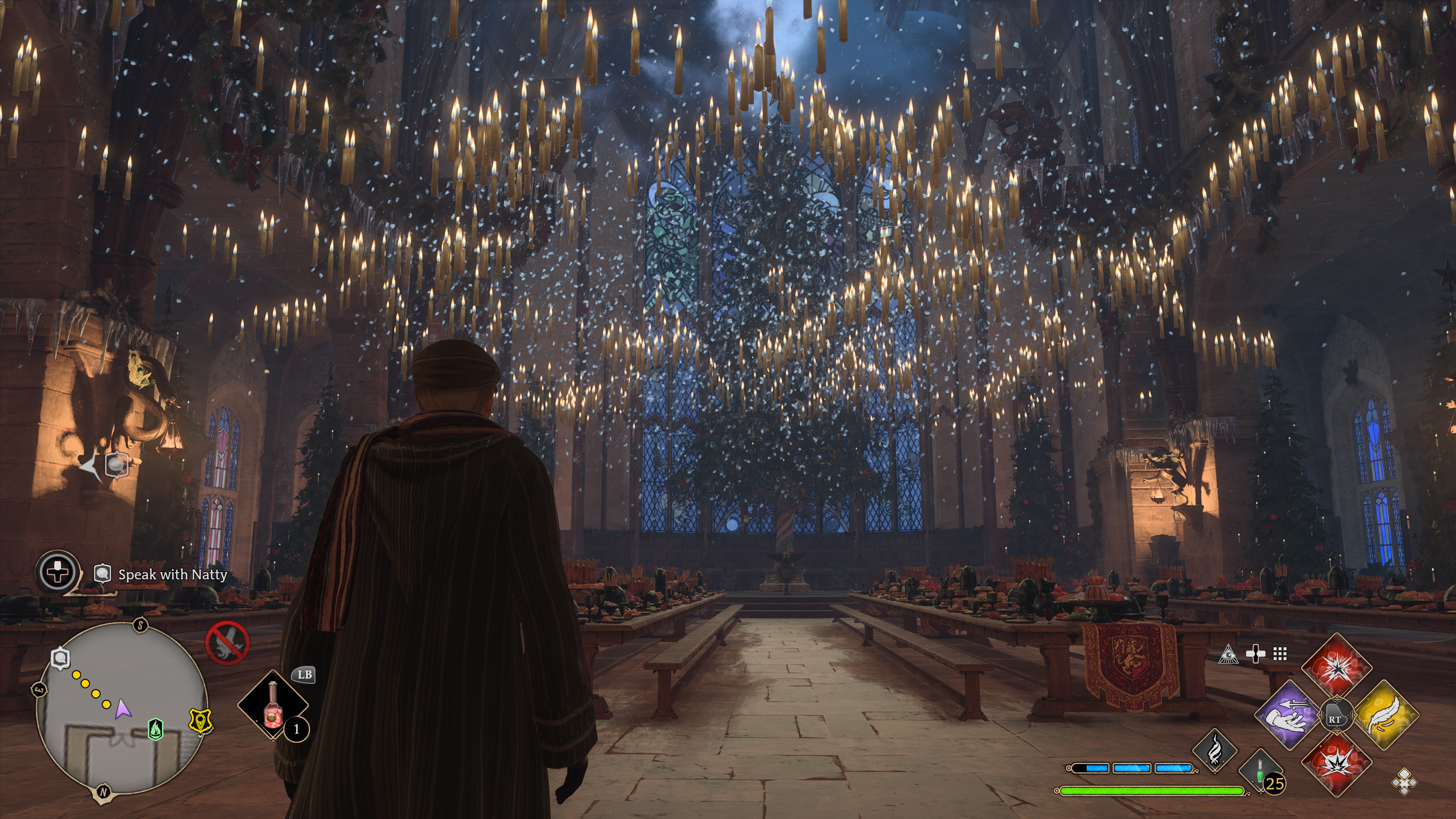
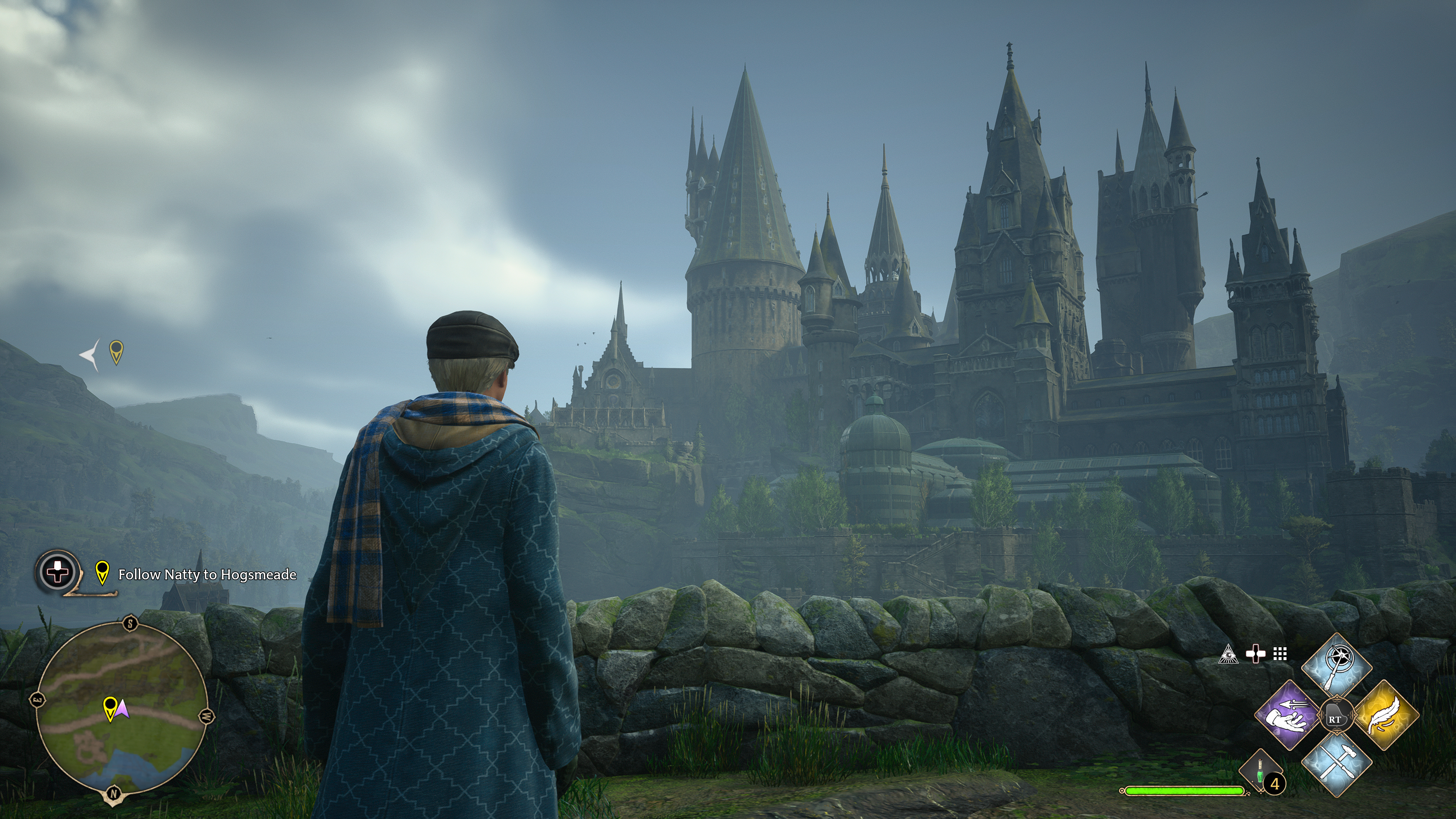
However, they also really do hit that nostalgia hard in this. The thing about Hogwarts that was always pressed into my brain was how much it was a maze and this absolutely feels like a maze. There’s spiral staircases and unnecessary hallways and hidden hallways and all sorts of chaos, and at first it’s overwhelming. However, the game does a great job of leading the player via a “spell” that shows them the path to where they’re trying to go. Then over time as you explore you start to recognize spots and it continues to be a maze, but it’s a maze you know and in that sense you then start to appreciate how well put together the entire school sandbox is to feel so much like my expectations and yet still allow me to easily get around.

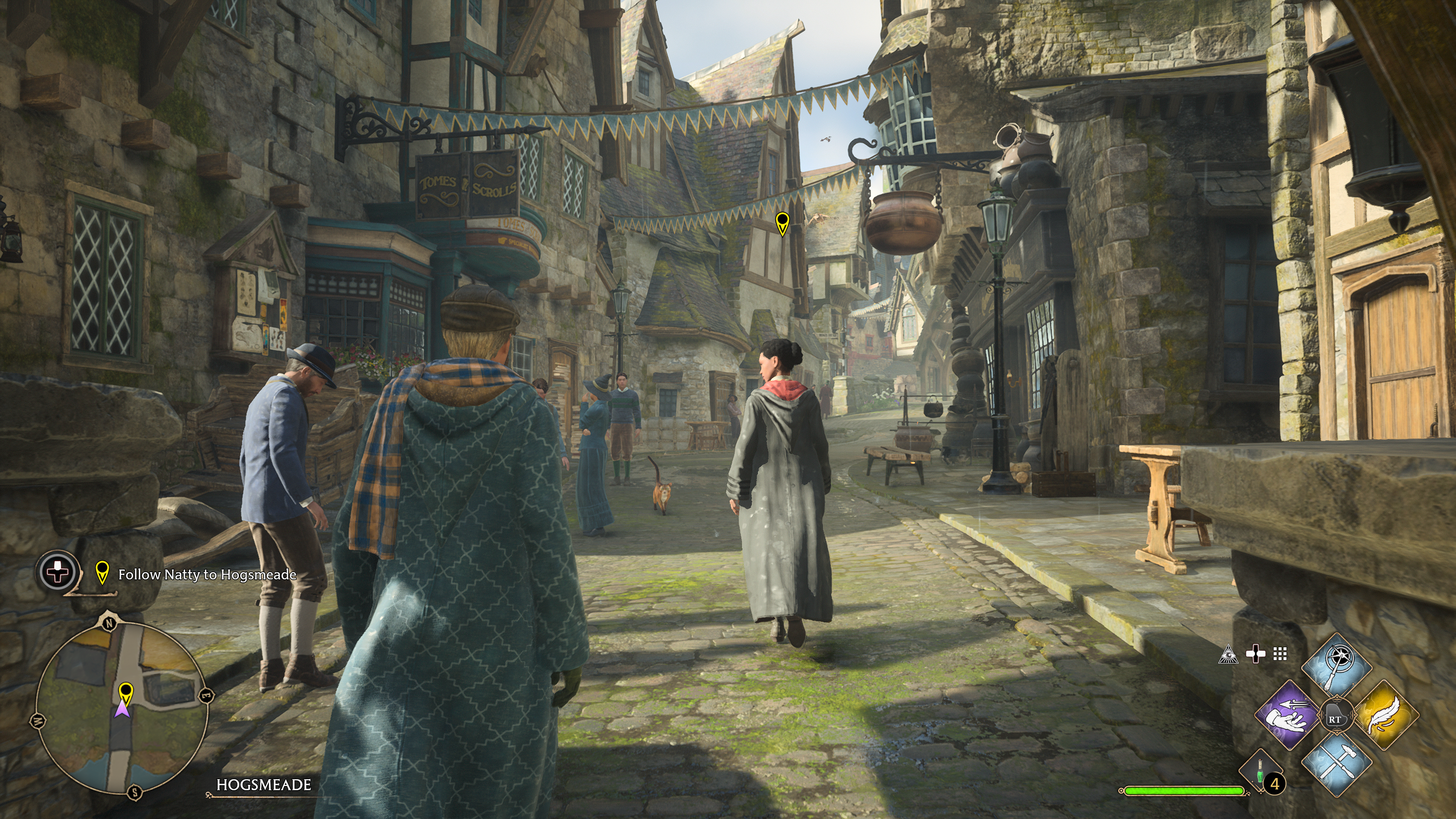
Places like Hogsmeade are the same. IT feels like an overwhelming place to walk into. All of the buildings are a little rickety and feel like they may fall over at any time. Places like Honeydukes look like an explosion of treats. Ollivander’s is floor to ceiling stacks of wands. The Three Broomsticks looks like the perfect pub to hop into on a cold day. Basically, it all works to hit that nostalgia of the series, but it also works incredibly well as the core upgrade hub of the game. Where Hogwarts is the place where you learn new stuff, Hogsmeade is where you improve things. You’re there to sell unused gear and get money to grab new potion recipes or conjuring spells or broom upgrades or combat items. What it ends up being is that you kind of end up hopping back and forth between the two in natural waves where Hogwarts kind of becomes a hub to learn for a while, then you’re off in the world and hopping back to Hogsmeade to bring your power curve up. In that sense, it’s gamifying nostalgia in a way that just works.

In continuing to play to both the game and nostalgia aspects, this ends up being one of the most impressive licensed titles that I’ve likely ever played. Licensed games are often hard to get right because the IP ends up having to be important enough to sell the game. In this case, I think the game benefited a lot from not having to tie itself to Harry Potter. It could simply be a game in the overall lore of the IP and live on its own in an impressive way. It took pieces that were important in the setting and the very loose lore of witches and wizards existing and crafted a game that naturally worked around that. The game is not appreciably different than it would be if it was not Hogwarts, but in doing so it allowed itself to be attached to something that was going to simply sell more with the same game, and in doing so it opened a path forward for the studio that had seemingly been left to die after the end of Disney Infinity.