Game Ramblings #130 – Ys IX: Monstrum Nox

More Info from NIS America

  • Genre: Action RPG
  • Platform: PS4
  • Also Available On: PC, Switch summer 2021 as of this post

The last time I visited the Ys series, I found an action RPG with a lot to like. Fast fluid combat was really the leading winner, but the rest of the game did its job well enough to keep me engaged. Ys IX is much the same. There’s some new wrinkles as to how the game’s world unfolds, but the combat is still as fast and fun as ever.
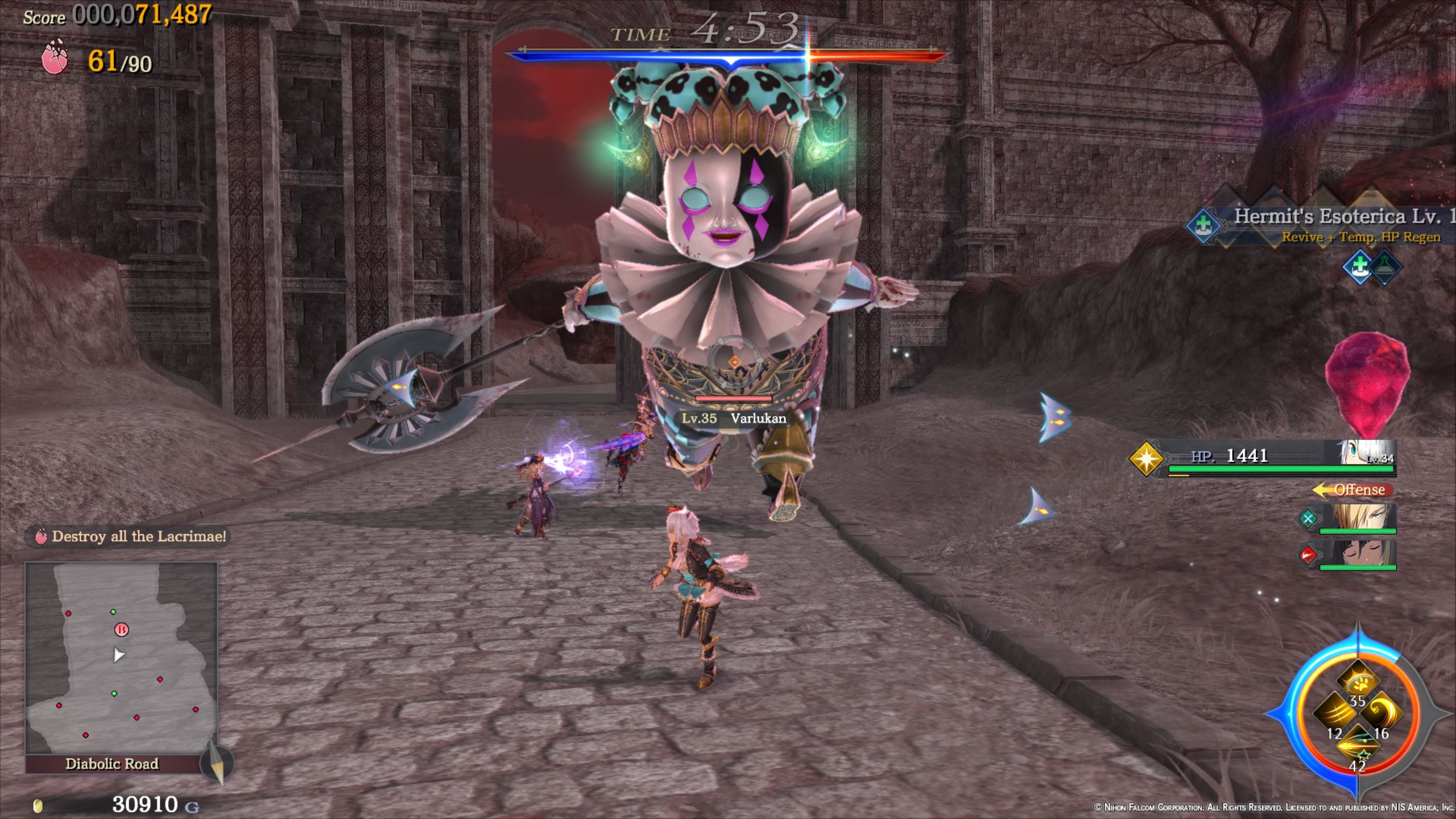
After my shelving of Assassin’s Creed Valhalla, I really needed something fast. Ys IX is definitely fast. If there’s any description I could give to someone that doesn’t know the series, it’s that it feels like the Sonic of RPGs. Movement is fast, combat is fast, things die fast, reactions happen fast. This game grabs you by the arm, drags you along, and doesn’t let up until you’re done. It was exactly what I needed.
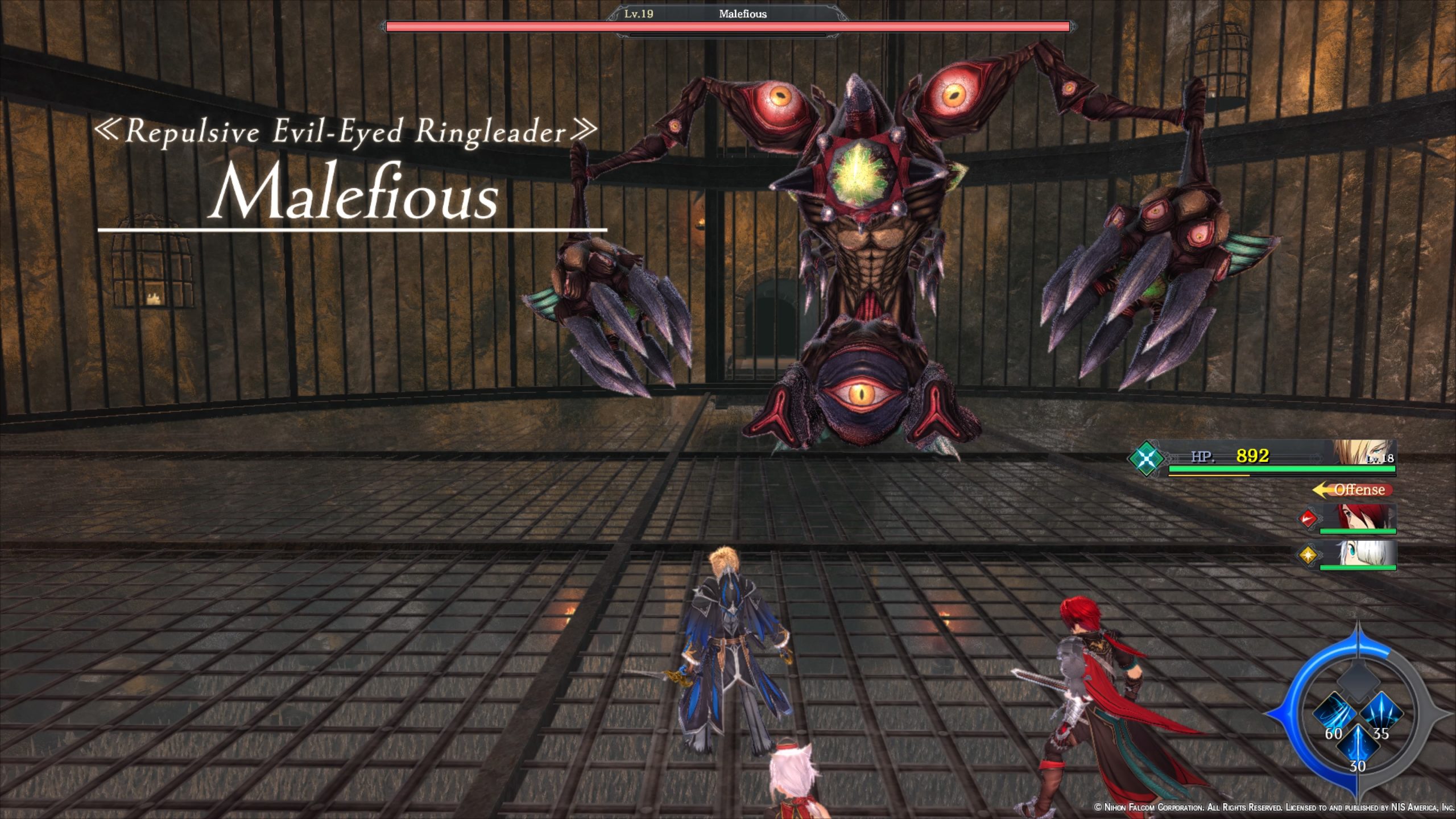
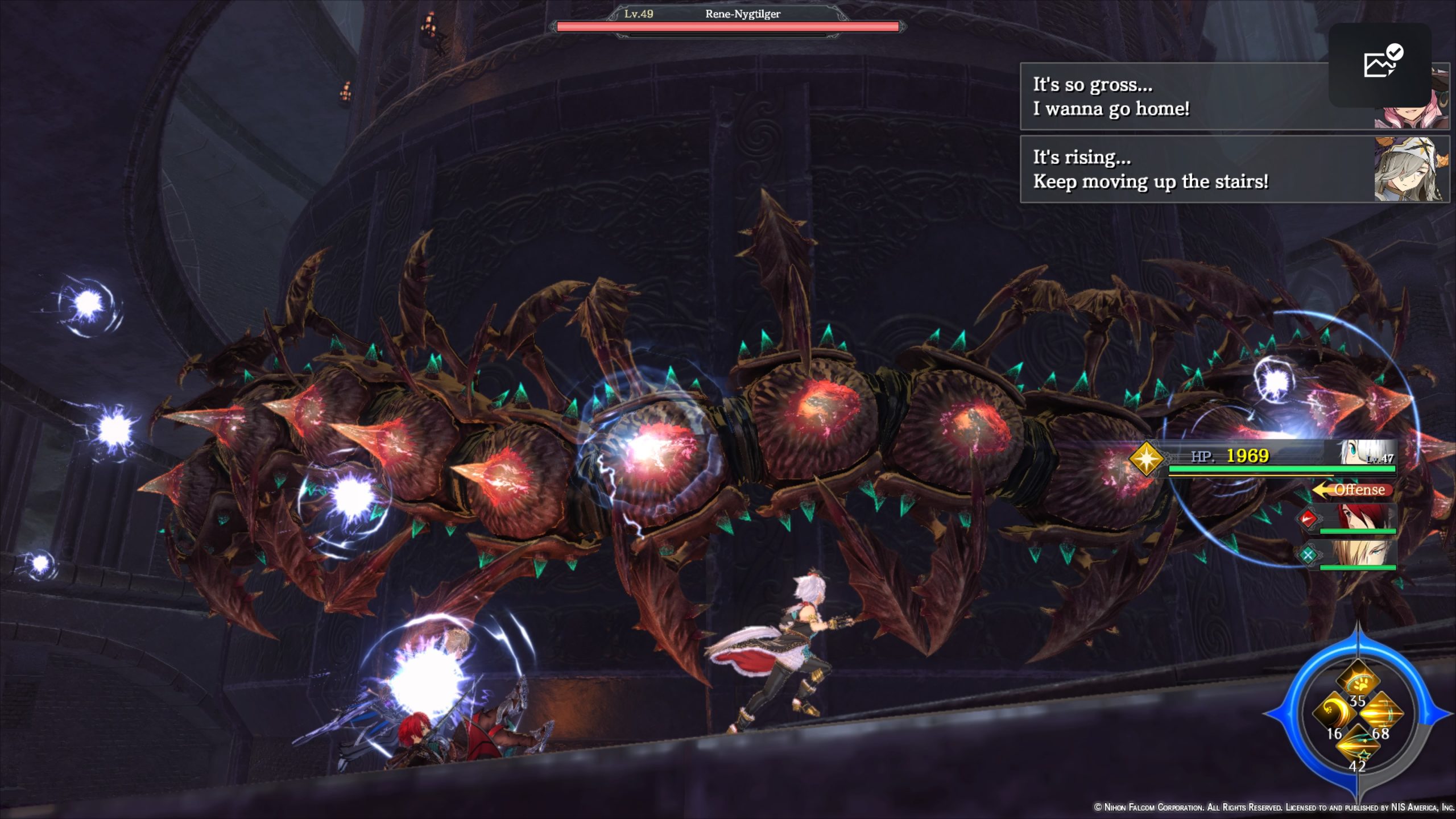
Combat is largely the same as in past games, but it works so well. Your core moves are some direct melee attacks and AoE skills bound to face buttons. You’ve got parry and dodge on your shoulders. Timing either of those to an enemy attack gives you benefits (crit, regen, etc) that make it absolutely worth getting it right. For the most part that’s about it. Some enemies have weaknesses to specific weapons, but you can get by without really taking advantage of that.

It sounds pretty simple at face value, and to some extent it is. However, it’s largely necessary. Because of the speed of the action, that’s about as much as you can really balance at one time. You don’t really have the luxury of down time to plan out your moves or try to do anything complex. You’re watching for enemy tells so you can hit your defensive moves then hitting as many attacks as you can between that. On the attack side you’re going back and forth between skills that use resources and basic attacks that generate resources. That back and forth becomes your main combat rhythm, and timing your skill dumps with the enemy being stunned is the min/max setup that I really went after.
The rest of the game is pretty standard fare. Like Ys VII, the story isn’t the best ever but gets the job done. What ends up really being the thing to push you forward are all of the little gearing systems around. You can get through the game with just the base equipment, but there’s also a ton of potential in using the gear vendors to upgrade or craft new things. That leads you into wanting to open new areas for new crafting items, which leads you into exploring the map, which leads you into getting a bunch of cool loot. It’s a really tight loop, but there’s enough there to really push you to hit everything, rather than skipping content.

The gating of all of that is probably the most interesting mechanic. The world of Ys IX is basically gated behind barriers that can only be unlocked by battling monsters in-town or doing side quests. Getting to certain thresholds open up portals to the Grimwald Nox. Fights within this aren’t just your normal party – it’s every single character you have available, backed by additional support characters that you unlock along the way. These fights are absolute hilarious chaos, which is fun on its own. However, the fact that you can use characters unlocked via side quests gives you an additional reason to push for completion in a way that’s not grindy, but instead still a lot of fun.
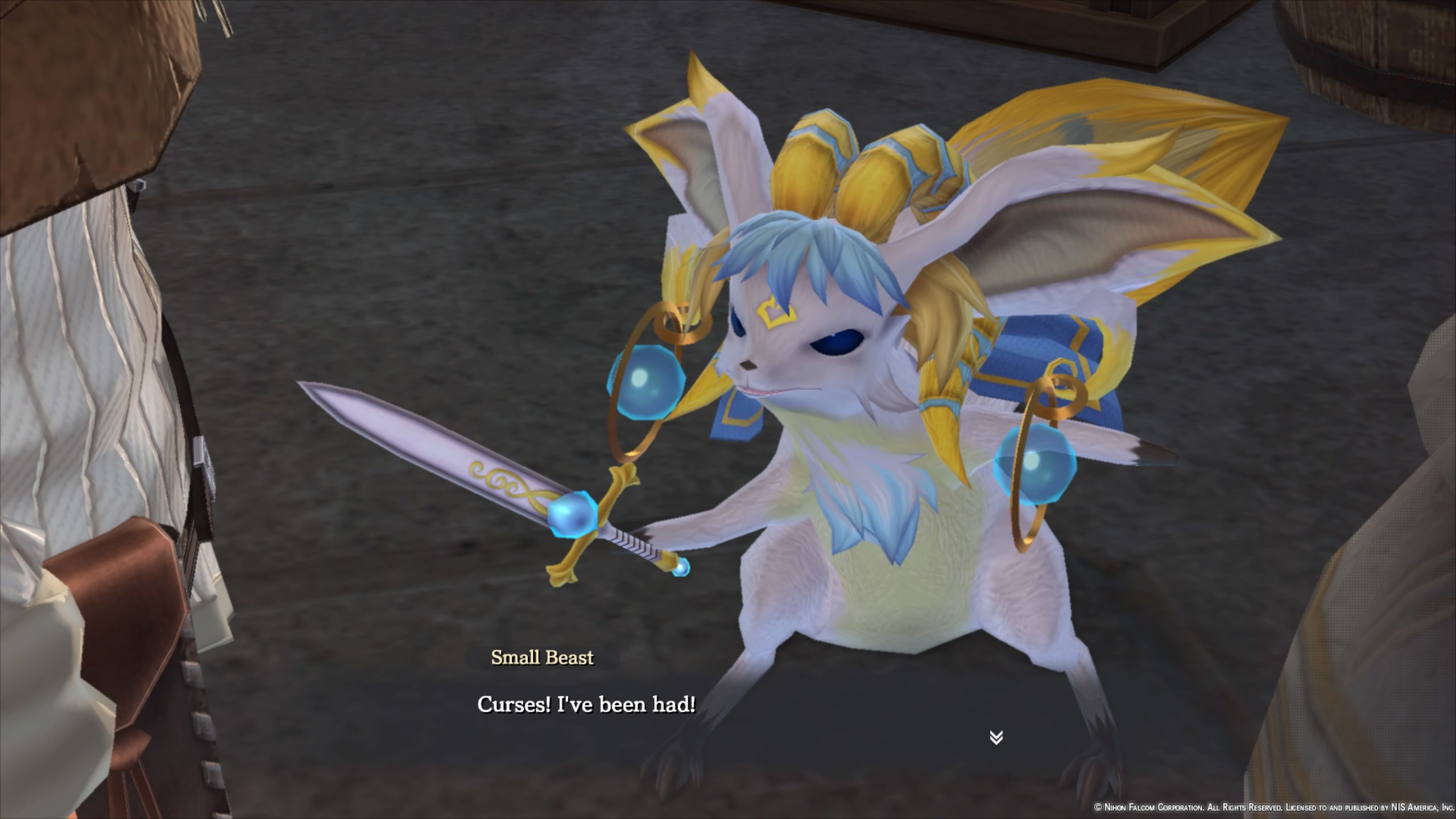
Ys IX is a lot like the Tales of series for me. They aren’t the best games ever. They definitely have some rough edges. However, they are always fun. It’s the type of game that I know I can fall into if I’m looking to get past a game that bored me, and this was absolutely the case here. This was another entry with exciting, fast combat backed by enough of a story and good world systems to push me to easy completion, and with a much higher percentage of content finished than I typically would try to get through. It also got me past a wall of some amount of boredom that I got stuck in playing Sackboy and Valhalla. In that way it was the perfect refresher for me, but still one that I think I’d recommend at face value.

Shelved It #9 – Assassin’s Creed Valhalla

More Info From Ubisoft

  • Genre: Action RPG
  • Platform: PS5
  • Also Available On: Windows, PS4, Xbox One, Xbox Series S|X, Stadia, Luna

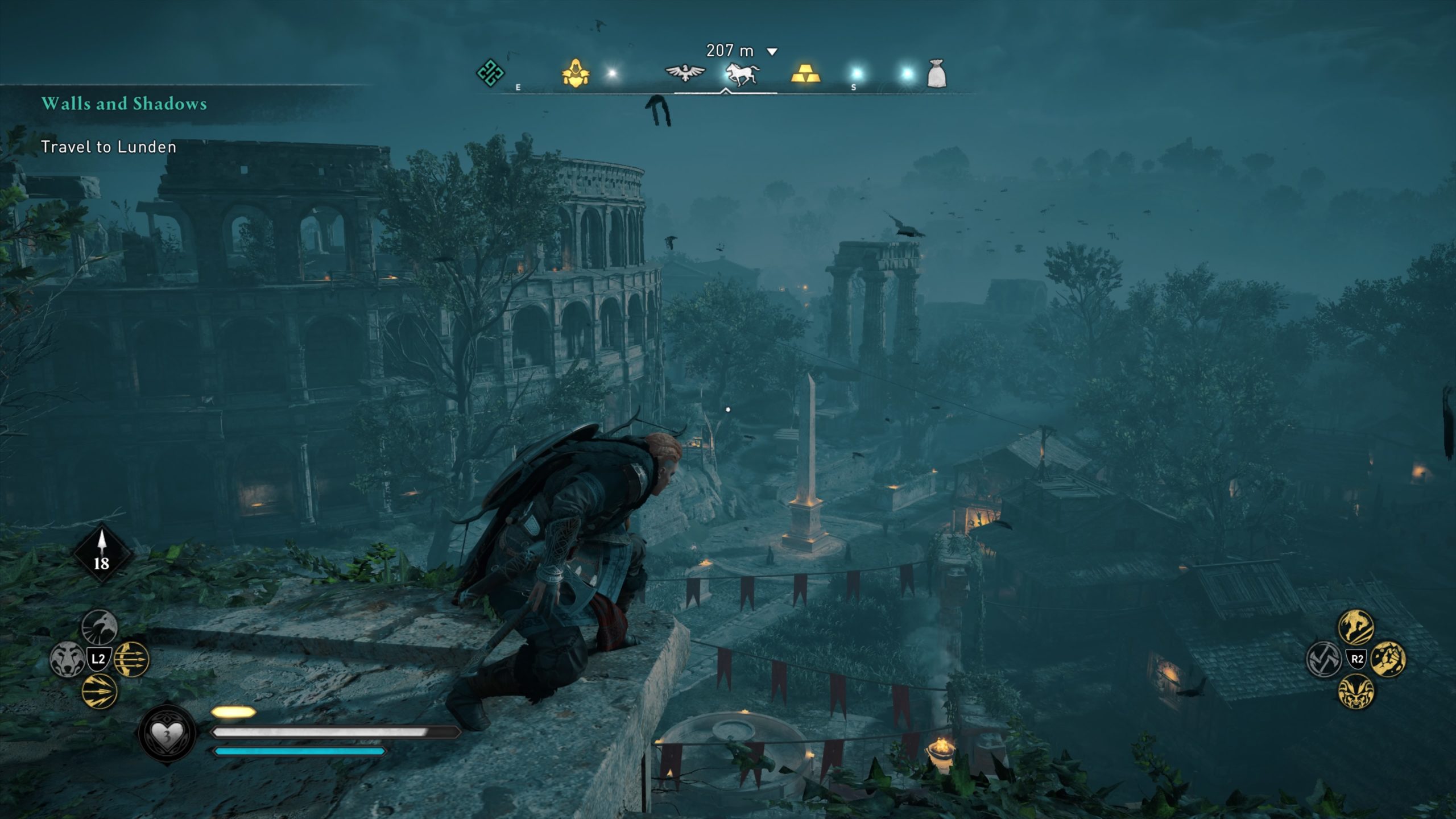
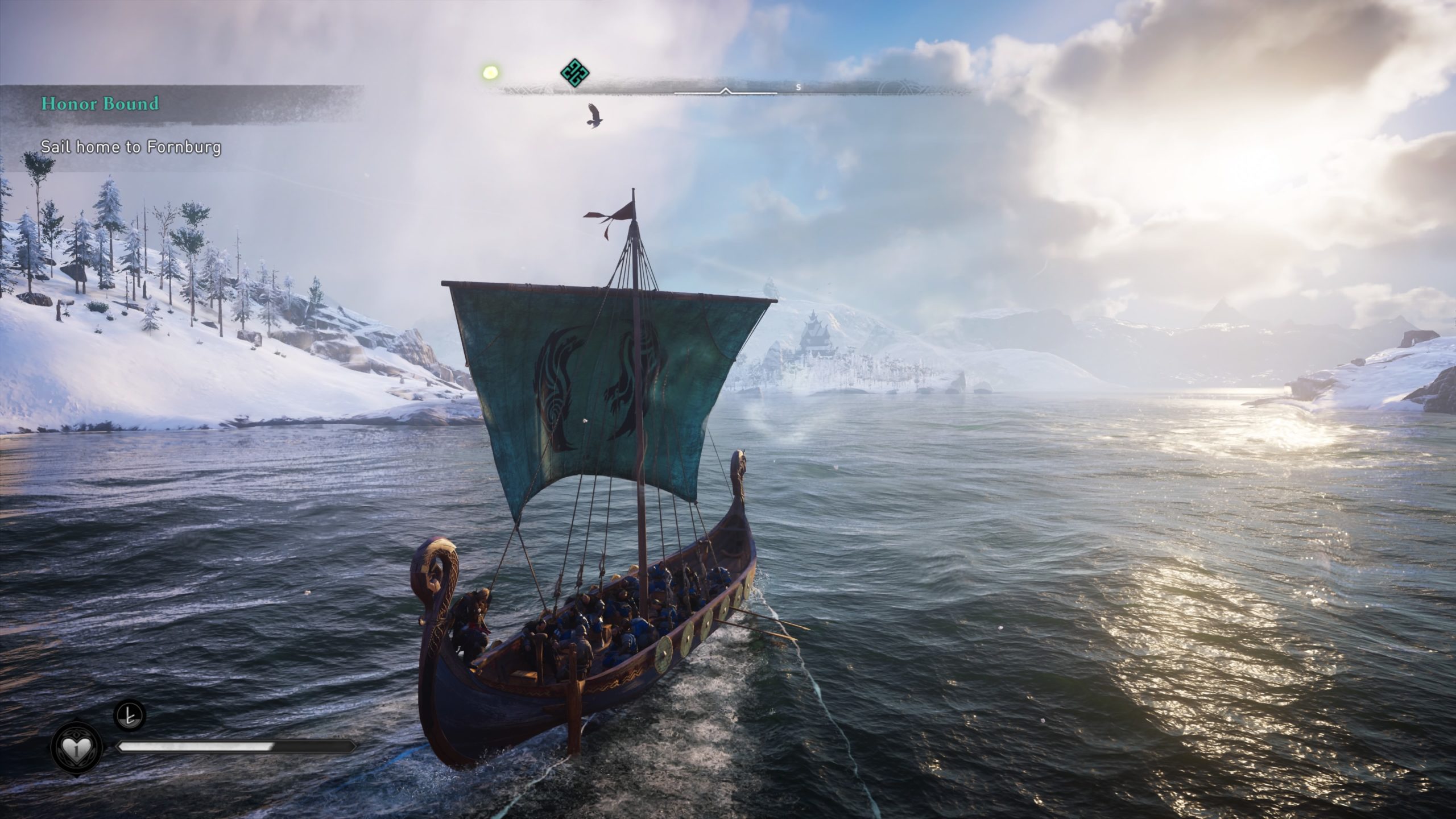
Kotaku has an article called Assassin’s Creed Valhalla Is Too Damn Long. That really is the crux of the problem, but it’s not that simple. Yes it’s too long, but for me a lot of it being too long is that this game didn’t do anything new. It’s the same as Assassin’s Creedy Origins and Odyssey. While that isn’t necessarily a bad thing – after all I really enjoyed OdysseyValhalla falls in a place where there’s been better in the intervening years, and that’s the biggest thing that caused me to give up. I put about 30 hours into this one and kind of didn’t feel like I needed to move on from there.

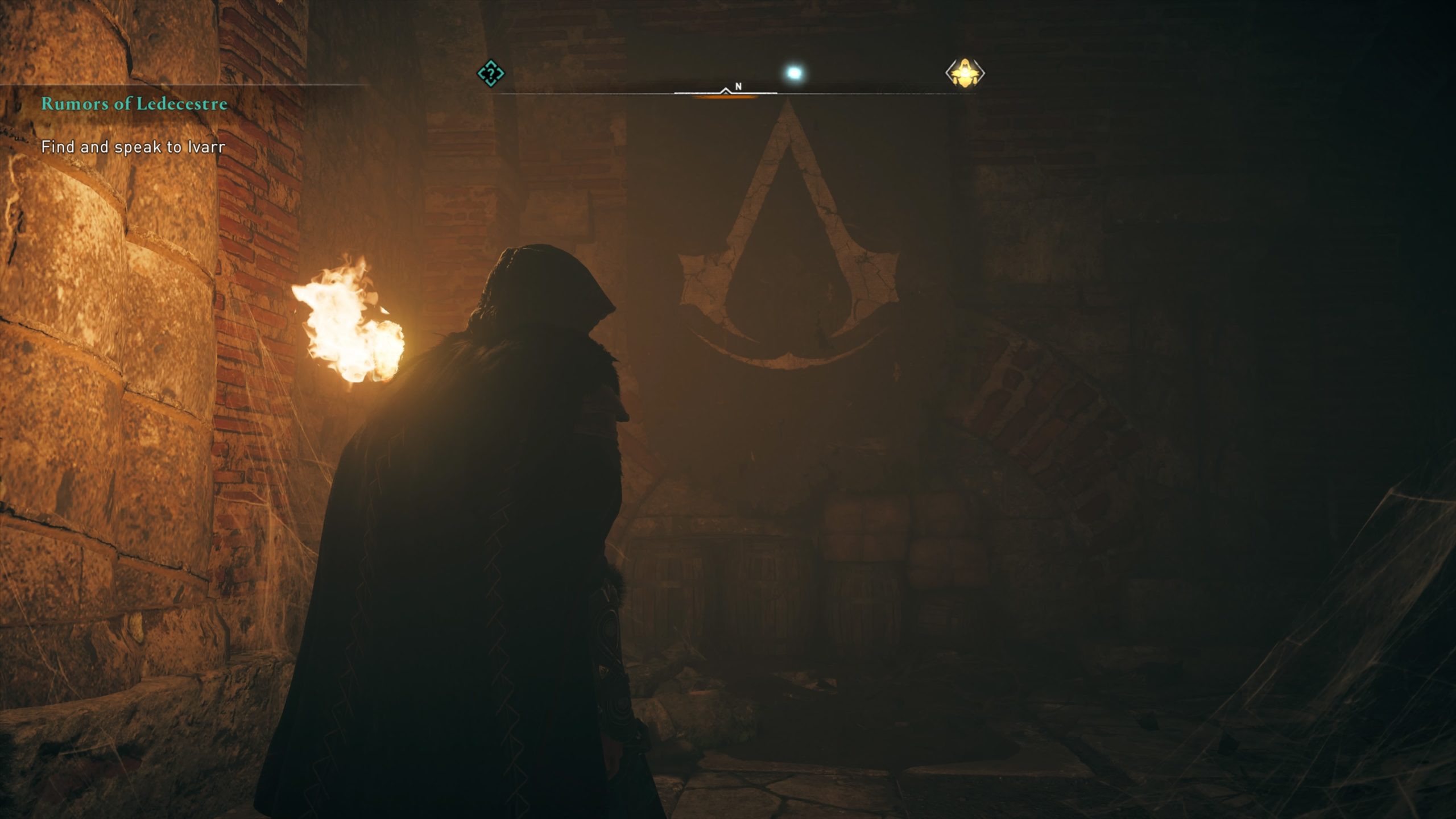
The first problem I ran into is that combat wasn’t that fun and stealth was systematically nerfed, so I didn’t feel like I had a gameplay path that really fit anything. My past tendency in AC games was always to go full stealth – sneak into places, pick guys off one by one, finish my objective, and sneak on out. However, a lot of the main storyline in Valhalla requires straight combat. There’s viking raids that force the entire area into active combat. There’s story missions that have AI buddies that cause active combat. Basically, I spent a lot of time in places that forced me to fight or do some extraordinarily annoying things to get to a point where I could try to stealth while chaos was going on around me. It actively fought how I wanted to play the game, which is not really something I want to be doing in an Assassin’s Creed title.

This would be all well and good if combat was fun, but frankly it just wasn’t. Ghost of Tsushima had its combat problems, but it felt like a logical progression in combat in this type of subgenre. Valhalla has a lot of the same core elements, but a couple main things really felt like a step backwards. For one, the lack of stances made combat feel like it lacked variety. Beyond some light defensive aspects of some shielded units, the difference between enemy weapon types or trash vs. brutes felt minimal to the point of irrelevance.

However, the AI in groups felt like the biggest oddity to me. Group combat in the AC genre has never been that great, and frankly it was the biggest downfall of Ghost of Tsushima as well. However, group AI really feels like it doesn’t do anything to divvy out who is actively going to attack. It results in a situation where the group AI feels less opportunistic and planned, and more random happenstance. Sure it’s probably more realistic, but it’s also boring. Attack avoidance becomes dodge spam as the practical option instead of better parry timing or intelligent target selection. It’s effective, but it’s boring. The lack of unique duels from Tsushima really then pulls away one of my favorite combat setups in that game, so there’s no real payoff moments, even in big story moments.

It doesn’t help that Immortals: Fenyx Rising by Ubisoft was one of my recent played titles, and despite similar combat, was simply more fun due to much better grouping tactics for AI, doing one at a time attacks with good tells, instead of seemingly random spam.

The exploration metagame was also a big disappointment here, and felt like a step back even within the series. Origin and Odyssey both had camps and towns with distinct goals – take out a leader, kill all enemies, eliminate a legendary animal. Valhalla just…..doesn’t. All of the location stuff is there, but without goals it all feels irrelevant. You’ll go to your Assassin’s Creed viewpoints and it will find a bunch of stuff, but it’s scattered everywhere. Your three main collectibles – wealth, mysteries (side quests), and artifacts – are scattered randomly around, so there never feels like a real focus to going to a location and clearing it out. You can just kind of set your sights in a direction and you’ll inevitably run into things. Going into a camp is more of a run to a dot on the map where you can ignore the enemies in the camp. Mysteries exist as one-off events instead of more interesting side quest chains. And ya, there’s longer side quest chains but they feel less present than in the last two titles, which was a big disappointment.

The collectibles themselves also just have a distinct lack of importance. Gear isn’t inherently level-based anymore, so going out and finding new armor isn’t necessarily helpful. Once you find your preferred gear and upgrade past a point, going out and finding new materials isn’t necessarily helpful anymore. It just puts a drag on the game when you get to the point where you inherently outgear an area, because it doesn’t scale as smoothly as the past couple of games – much to Valhalla’s detriment.

All of this is also not helped by the existence of Immortals. That one did such a good job of integrating cool traversal into exploration that it was simply more fun just to run around. Happening upon legendary units and animals in that one meant a really fun one on one fight. Happening upon a shrine meant a really fun puzzle segment or arena segment. All of the things you ran into in that game felt like a nice change of pace that provided a really good rhythmic flow to running between quest locations. Valhalla on the other hand feels like a huge step back where traversing for the sake of exploration feels like a hassle, and going to places for the hell of it feels like a chore.

Valhalla feels like an inflection point for the series overall. AC3 felt like a stale experience after the Ezio games, and that led to Black Flag. Unity and Syndicate felt like games that ran out of ideas, which led to the series reinvention in Origins. This feels similar. While Valhalla is a far better game than either of the last two problem areas, it feels similarly stale. This is a game that feels like a retread, instead of a game that feels like a step forward. Other games in the interim have done it far better. Immortals did a much better job of making exploration fun. Ghost of Tsushima did a far better job integrating stealth and combat in a way that both paths were interesting and worth playing. This series is ready for that next step forward, and it’s got some great examples to look at if they’re ready to make that push.

Game Ramblings #128 – Minecraft Dungeons

More Info from Microsoft

  • Genre: Action RPG
  • Platform: Xbox Series X
  • Also Available On: Xbox One, Windows, PS4, Switch

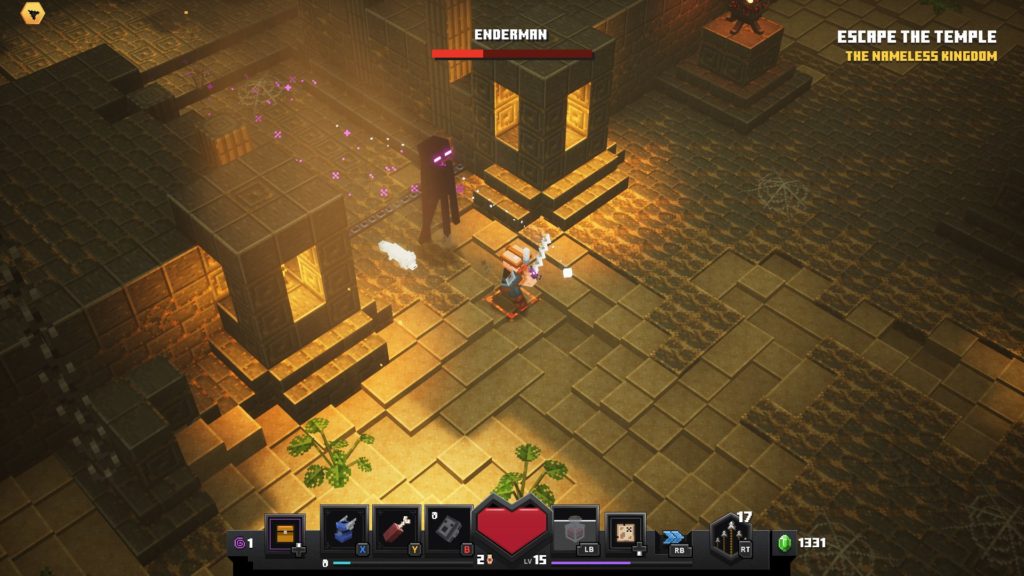
This was one that I was really hoping to like more than I did. The promise of this extension of the IP is to blend what makes Diablo 3 fun with some of the unique nature of Minecraft. However, it never really ended up doing that. While what is there is mechanically sound, it ended up being a disappointing mix of two styles that never lived up to either end.

If this was simply a good Diablo clone, I’d have probably been fine with it on its own. However, this doesn’t really hit the variety that comes with that series.

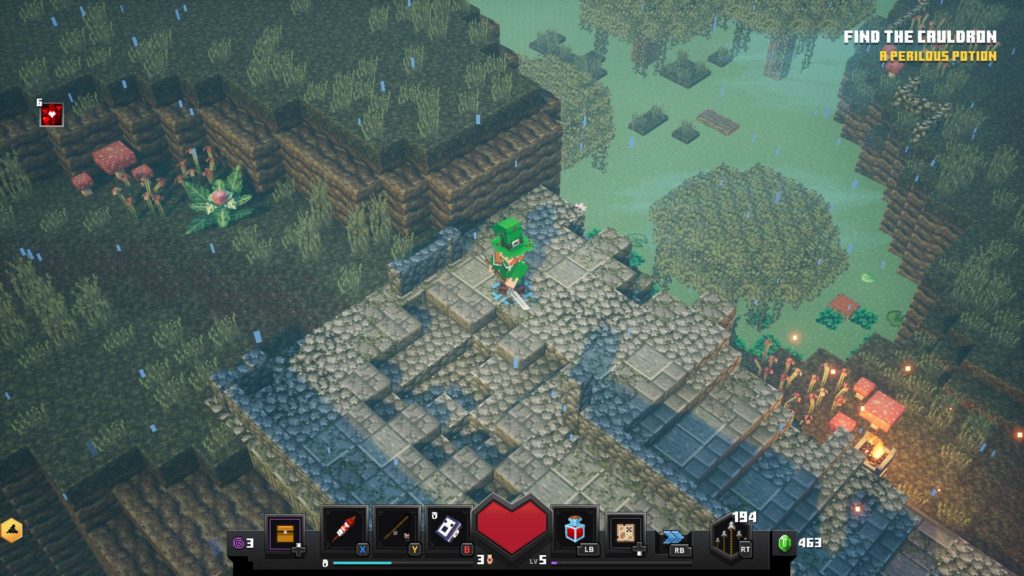
While there’s a bunch of different weapons to equip, the differences in attack style between them never feel that impactful. A fast dagger and slow axe have obviously different speeds, but it ends up not really mattering much. What I was ultimately doing was going for the highest damage because one shotting an entire group with cleave damage was far more valuable than having an attack style that fit how I wanted to play. Ranged weapons were largely the same problem. Big damage was more useful than fast damage just in terms of ability to clear things out.

On the skill side, there’s just not much there. You can equip skills to three slots, and they can have different power levels, but I largely didn’t find them that useful. They ranged in use from skill buffs to pets to AoE damage. About the only one I found useful was an AoE blast that uses the souls of the things you kill to do large area damage, and given its low rate of charge I mostly just used it as a way to power through bosses super fast. Beyond that the skills were just kind of there, and didn’t do enough to justify paying much attention to.

In what is both a blessing and a curse, there’s also no classes. This is great in that you can equip any item to any character, and don’t have to worry about restrictions. However, it means everything feels kind of samey, rather than being uniquely tuned towards the character and how it plays in isolation. In the end, the Diablo side was just disappointing. Mechanically, what was there was super tight, but it just wasn’t that fun.

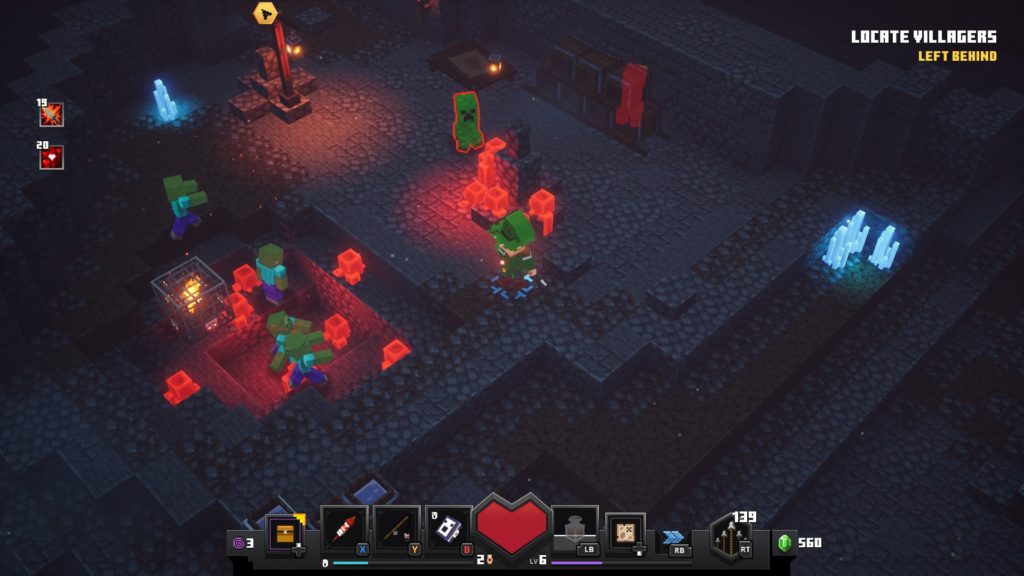
However, the Minecraft side was even more baffling to me. I get that they didn’t want to turn this into a full Minecraft experience, but thematically speaking, having so little of it feels out of place. Having a Creeper come at you should be scary – not just because of the damage, but because it exploding could mean that it opens a huge chunk in the land that could leave you stranged. Tossing a bomb should absolutely remove chunks of the environment, and it doing nothing of the sort feels out of place.

It leaves the game in an awkward spot where it’s visually Minecraft, but it just doesn’t use the license for anything useful. The game could have been reskinned to any other IP and played just the same, and probably have been better for it without the expectations that come with the license. When there’s such an iconic gameplay element missing – in this case the ability to destroy blocks in the environment – it just ends up making the game feel worse, even if the mechanics around it are fine.

This was unfortunately just a mix of styles that didn’t work. There’s really two paths that end up making this one work better. Make the Diablo style ARPG gameplay better, or make this feel more like Minecraft from a gameplay perspective. By mixing an average ARPG set of mechanics with a complete lack of ability to deform the terrain, you elevate the problems and just make the game worse for it.