Game Ramblings #138 – Dragon Quest Heroes: Rocket Slime 3

  • Genre: Action RPG
  • Platform: 3DS

We’ve only been fortunate enough to get one of the entries in this Dragon Quest sub-series in the US. Luckily, an English patch has been created by a group called Fan Translators International, and it’s a quality one. I’ve been going through the process of backing up a lot of my older disc and cartridge games, and DS/3DS was up so I figured I’d take the opportunity to play through this one in English, and that was definitely the right choice.
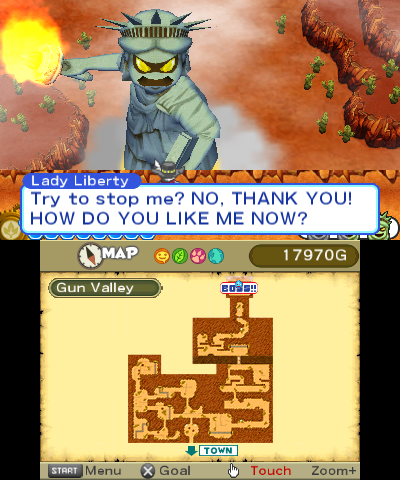
The Rocket Slime games are kind of hard to describe, but the short version is that it switches between two main types of gameplay – an overworldish section where you collect items and monsters to build ammunition and crew and a battle-based segment where you engage in ship vs ship combat. The second one is definitely the thing that’s worth playing.

The overworld stuff is all well and good, but it basically exists to serve the purpose of grinding out ammunition for your ship. You use the same movement as ship battles in terms of flinging the player around and grabbing things, but there’s no real challenge here, even in the handful of boss battles. You go around, mop up everything, and send it off to your ship. Parts of it become pretty grindy as you get a bunch of parts to craft higher level stuff, but you get through it to make your ship stronger. If there’s anything to really point at as a major experience killer, it is that grind. Getting your ship together for the end game fight was really a hassle that I wasn’t expecting.
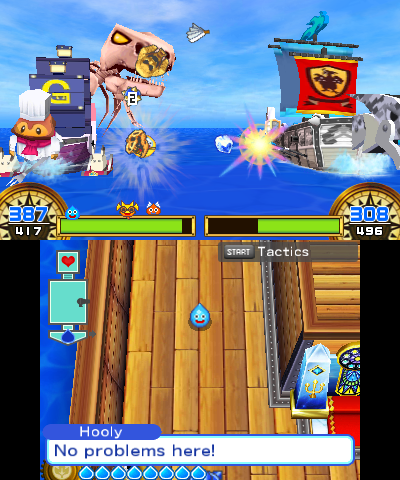
The ship battles just work so well. It’s a pretty basic loop, but has a really nice rhythm. You’re basically being given periodic dumps of ammo that you’ve collected throughout the world, picking it up, and chucking it into upper and lower shooting cannons. You’re doing this both offensively and defensively – hitting the enemies shots will knock them down, getting through to the enemy ship damages it. You can also fire yourself and your crew, allowing you to wreak havoc on the enemy ship, taking out their ammo feeds and really minimizing their ability to fight back. Once the enemy reaches 0 HP, you invade their ship and destroy their engine. That’s really all that there is mechanically.

That said, it works so damn well. On the ammo front, you get a feel for roughly how often you’ll get ammo and where on your ship it will show up, so you start picking out ship hulls that allow you to maximize your routing efficiency in picking up and chucking ammo. You start finding crew combos that work best with your play style. In particular, I had a combo where two crew split cannon duty and a third one chucked itself at the enemy ship to cause damage while I defended from enemies coming on board. It’s the kind of experience where even though a lot of the fights are generally the same, it doesn’t stop being fun.
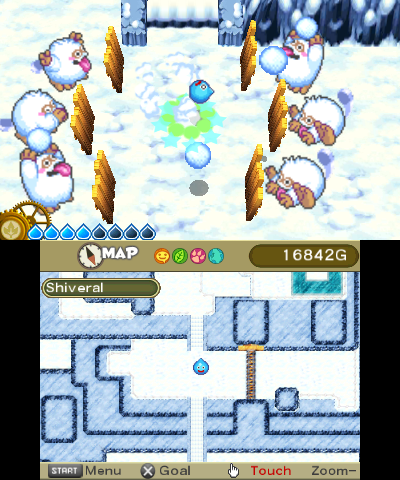
The game we got as Rocket Slime on the DS was a really fun experience, featuring similar gameplay with tanks instead of pirate ships. Knowing that this game had been released in Japan and wasn’t being seen here – despite the popularity of the Dragon Quest main series – was a major bummer. I’d imported this one a while back, but kind of sat on it knowing that I was probably going to want to wait for a fan patch. Luckily some enterprising fan translators got that done, so I was able to play through it.

It’s tough for me to generally recommend importing JPN-only games, and in this case that still kind of stands. Playing this involved a number of things; importing the game in the first place, converting one of my 3DSs to custom firmware, going through the process of setting it up for custom game patches, getting this patch on there. It was a lot of stuff to play one game, but for me it was absolutely worth it. This is a hell of a fun game with a unique ship combat system that we could use more of, and I’m glad I stopped being lazy about getting this stood up to play.
Game Ramblings #136 – NieR Replicant ver 1.22474487139…

More Info from Square-Enix

  • Genre: ARPG
  • Platform: PS4
  • Also Available On: Xbox One, Steam

Playing remakes – and not just remasters – is always interesting. How do they modernize the game without ruining what people liked about the original? Do they choose to add or remove anything to change the game at all? Playing remakes when you didn’t really play the original is even more interesting. I bounced off NieR on the PS3 pretty hard, though I don’t remember why. However, I really enjoyed Automata so I figured it was worth a revisit. As it turns out, I definitely enjoyed Replicant a lot this go around, although it has some spots where it definitely shows its age.

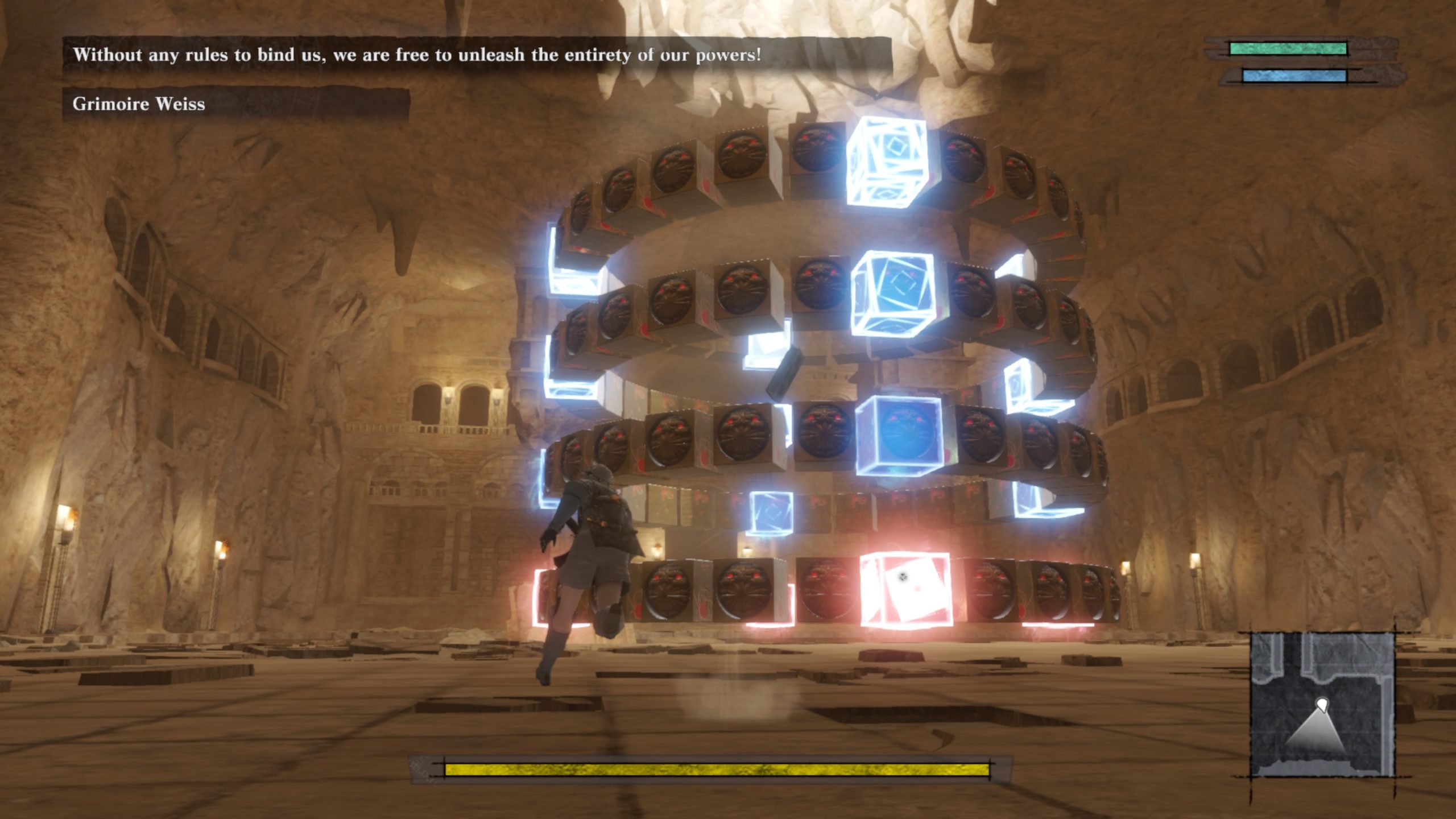
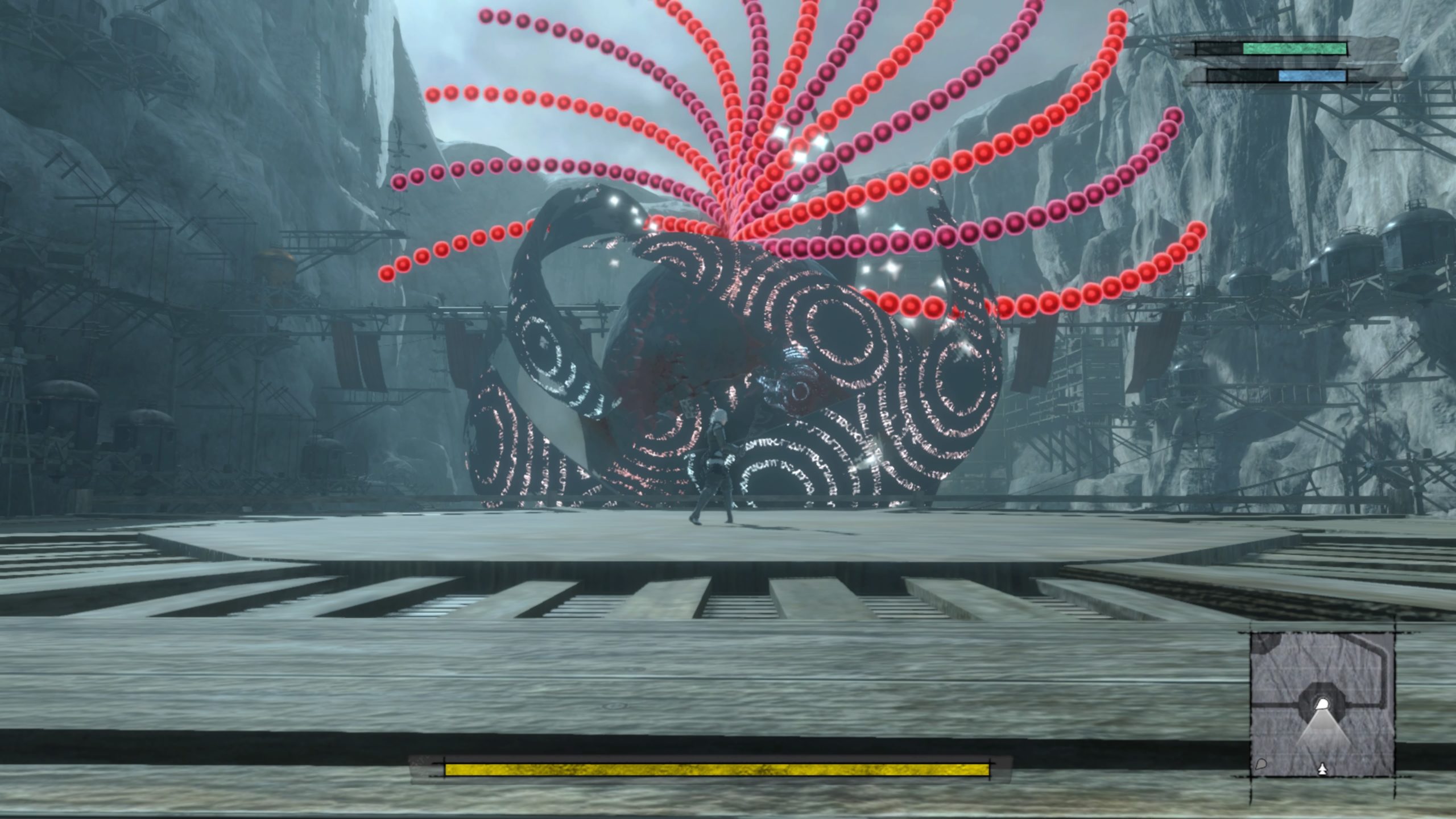
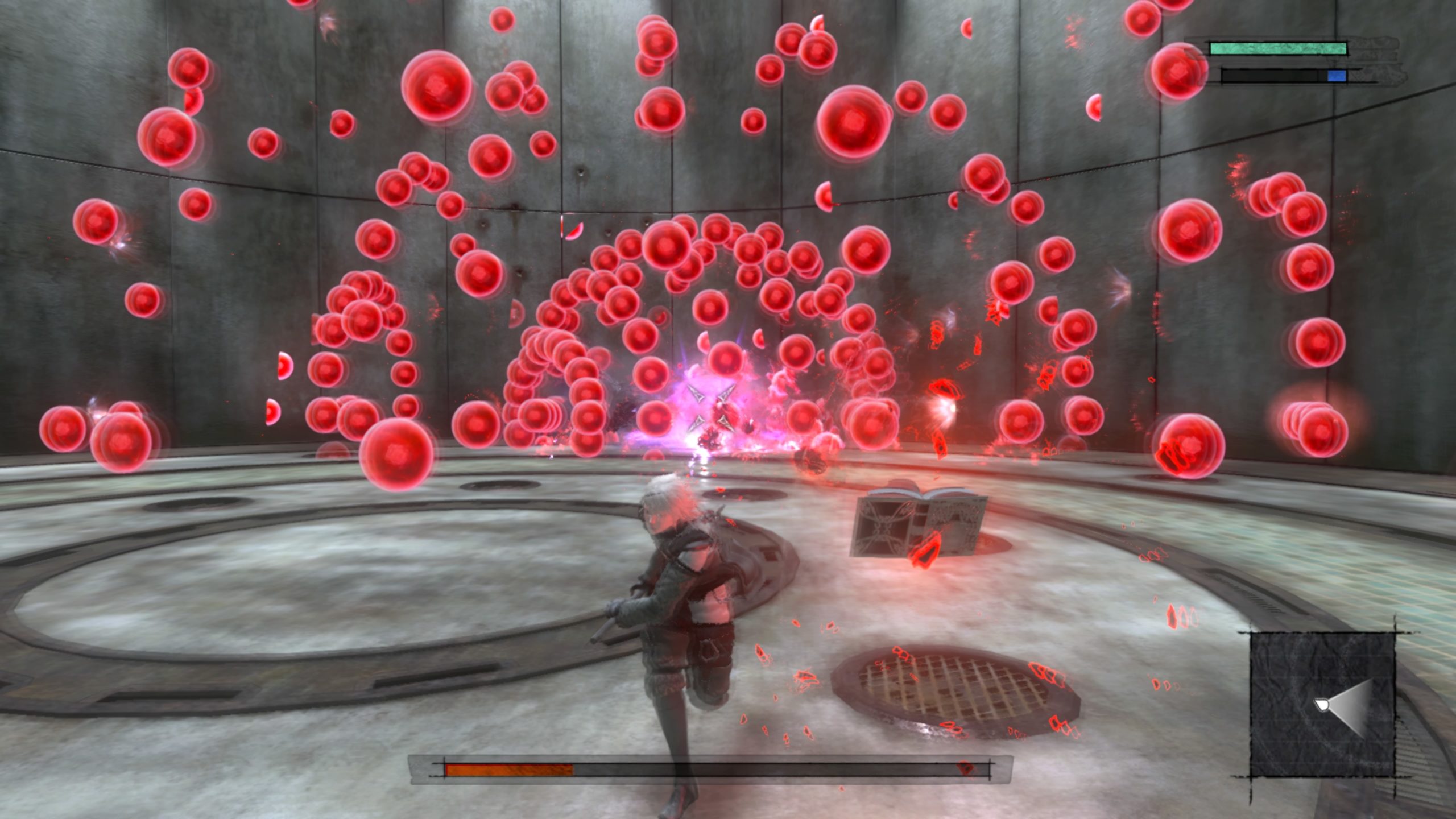
In hindsight, this ones feels a lot like Automata, and that’s probably what makes it work out so well for me at this point. My Automata ramblings cover the basics, but to be sure the ARPG systems still work great here. The mix of melee and ranged combat, as well as your occasional bullet hell chaos works really well still. It’s generally clear whether a boss is more susceptible to what kind of attacks, and you plan accordingly to get your big damage dumps. It just works well.

However, the thing that struck me is how overwhelmingly fair it is. There just aren’t big fuck you moments. If you execute your offense well, you won’t have problems taking out enemies. If you execute your defense well, you won’t have problems avoiding damage. If you’re paying attention to enemy tells you’ll be ready to dodge things. The game just isn’t going to punish you if you’re paying attention.

Having talked to a few people about the original release, this seems like a big change. From what I understand, the original wasn’t necessarily unfair, but leaned into difficult tuning more than it should have. To me this feels like a conscious effort to align the game with both Automata, as well as a larger mass market. You can go to a harder difficulty if you want to, but the game doesn’t feel designed around punishing the player even on that harder difficulty. It just feels tuned to be right.

However, that was something they could absolutely control when remaking the game. What they couldn’t control was the overall metagame that was there, and that part is definitely showing its age. The first thing that stood out to me was how minimal gearing was in contrast to Automata. You have weapons that can be upgraded and some basic mods that can be applied to your gear (+damage, +defense, +magic, etc) but compared to the chip system it feels pretty slim. I just didn’t derive much gameplay out of it, because I basically picked a weapon that fit my style then applied the best mods and didn’t really think about it.

The general story flow also just didn’t age well. There’s a lot of mindless back and forth between the same areas just to finish story quests (run to coast town -> go back to your village -> go back to coast town -> go back to your village) and with so few unique areas, it wears out pretty quick. The lack of quick travel for most of the game also exacerbates the issue. You just spend a lot of time mindlessly running in comparison to the original.

This is pushed way to the forefront in the design of the game’s endings. Ending B is a replay of the second half of the game with a few unique story bits added. Ending C and D are replays of the second half of the game accessible only after you collect all weapons, which then adds a unique selection to the end boss. The new ending is the sole new addition, but frankly it wasn’t worth replaying the game so many times to get to it, so I just watched it on Youtube. Automata definitely learned a lot from this one in terms of making the chase towards multiple endings more fun and more unique. Replicant, even in modern form, is a bit of a drag.

That said, this game is worth playing even if you only get to the first ending. Even with its problems the combat is just that good. This and Automata have a combat flow that I’ve rarely felt nailed so well in other games. The closest that I could really compare it to would be something like Bayonetta in terms of mixing the grand scale and tight action. It’s just consistently fun and exciting to get to and fight through bosses, and each one leaves you wanting to push through the story problems just to get to that next adrenaline rush. For that alone, this gets the approval.

Game Ramblings #133 – Persona 5 Strikers

More Info from Atlus

Persona 5 Ramblings

  • Genre: ARPG / Musou
  • Platform: PS4
  • Also Available On: Switch, Steam

It’s always been fascinating to me how Omega Force has taken their Warriors gameplay and warped it into other series. Hyrule Warriors did a surprising job of integrating the Zelda items into the chaotic gameplay. Fire Emblem Warriors made great use of the weapon triangle to give advantages in combat. Dragon Quest Heroes and One Piece Warriors feel right at home within the source material of their series. However, Persona 5 Strikers may be the damndest of them all. It’s not just a musou conversion of P5. It straight up has the metagame feel of the JRPG, while still taking place within large scale musou fights. It’s an uncanny conversion that has resulted in a special sequel to what was already a pretty special source game, even if I had some complaints about boss balance in that one. Luckily, some choices were made to really smooth out the experience here, resulting in what is possibly an even better experience as a result.

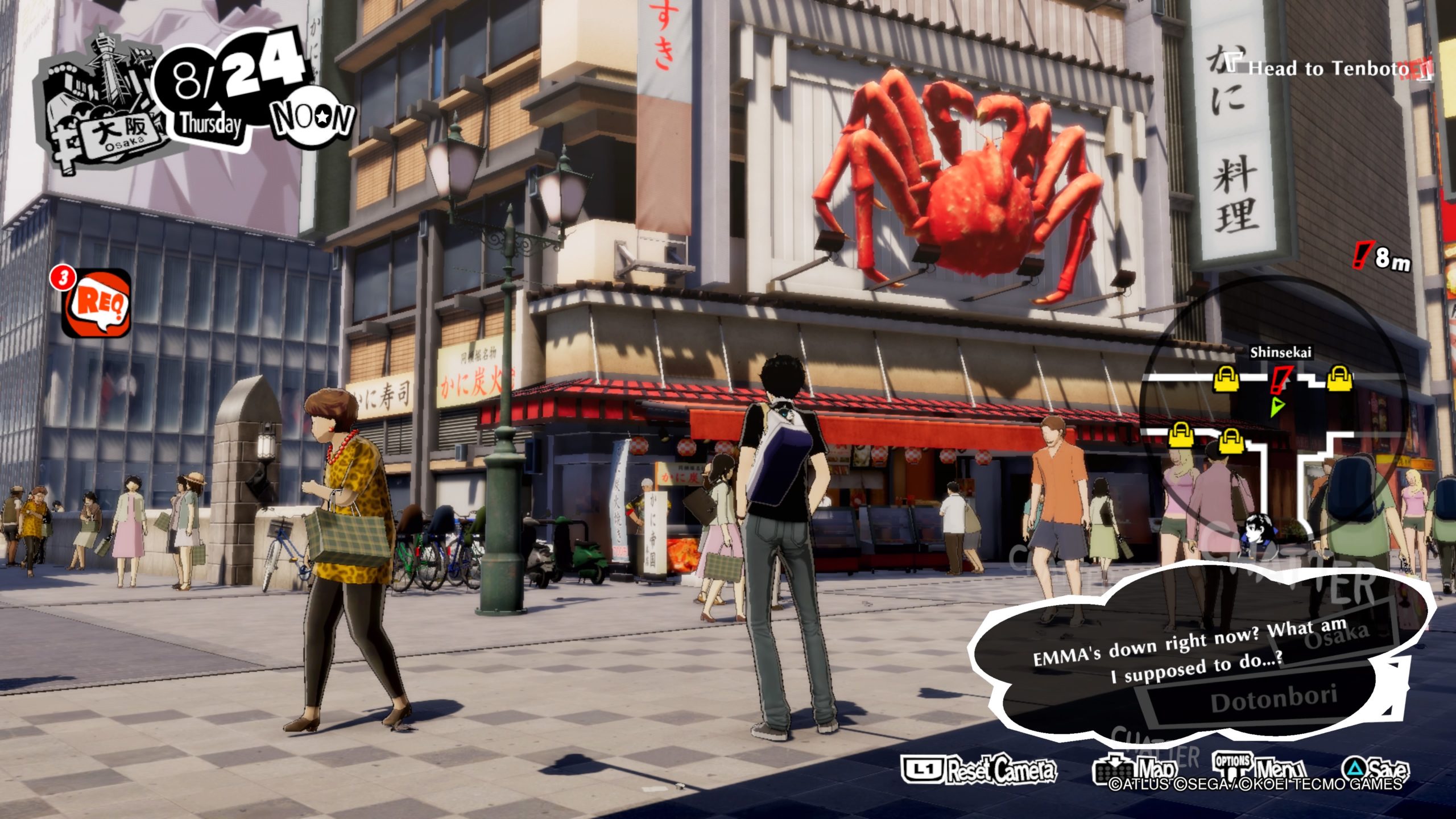
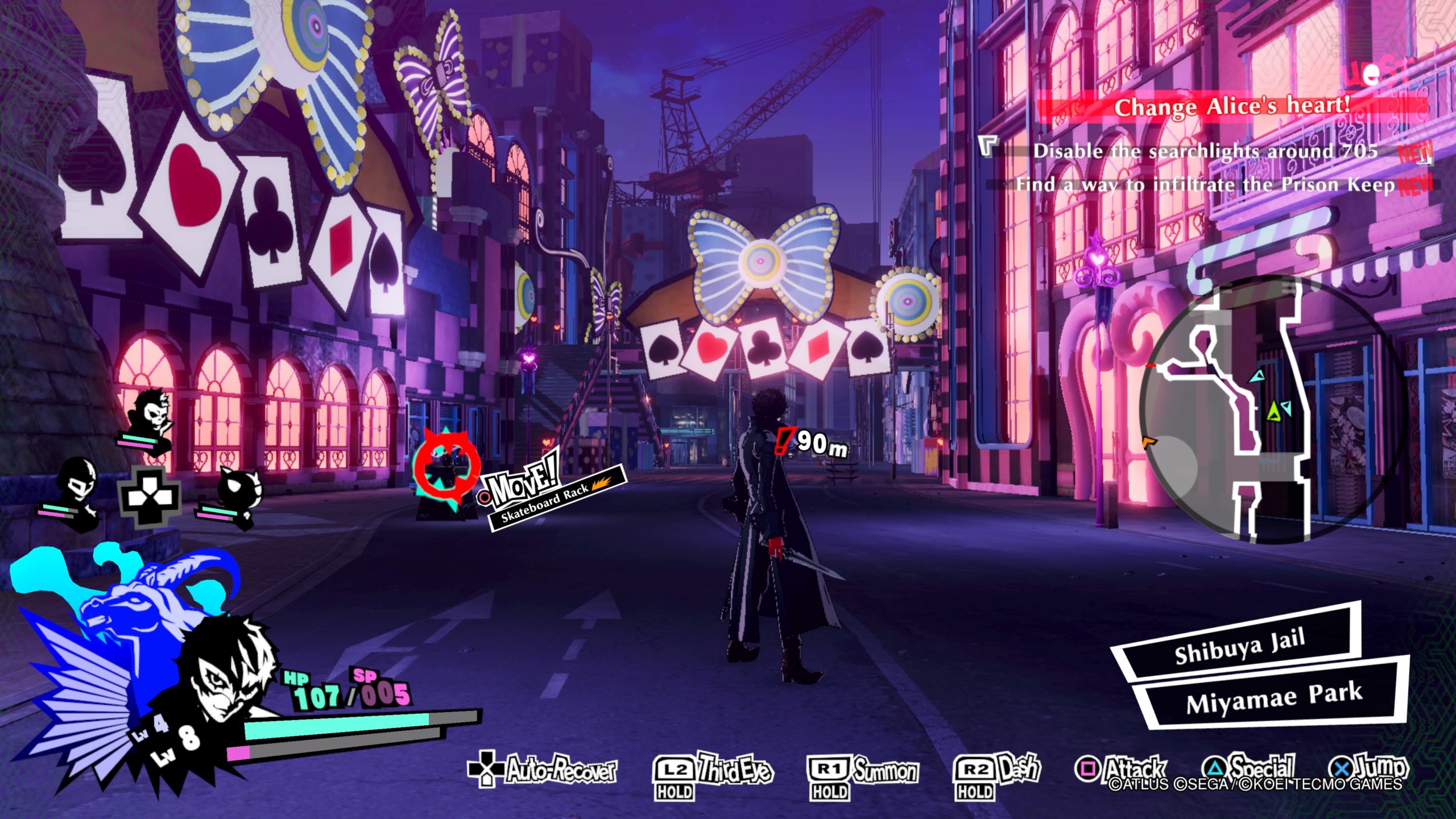
There’s a certain rhythm to a JRPG experience that just doesn’t jive with what I typically think of with the Warriors gameplay. Those are large battles where you’re running around taking over smaller zones on a larger battlefield. That also wouldn’t jive with the Persona series expectations. Luckily the team seems to have recognized that. Up until you’re actually in a fight, this feels like Persona. The terminology may have changed a bit, but this game’s palaces – now called jails – have the same setup that we already saw. You spend some time exploring the jail, hit some key locations to move the plot of it along, get to the point where you send out a calling card, and then fight the boss of the jail. It’s instantly familiar and easy to fall into, right up until you actually start a fight.

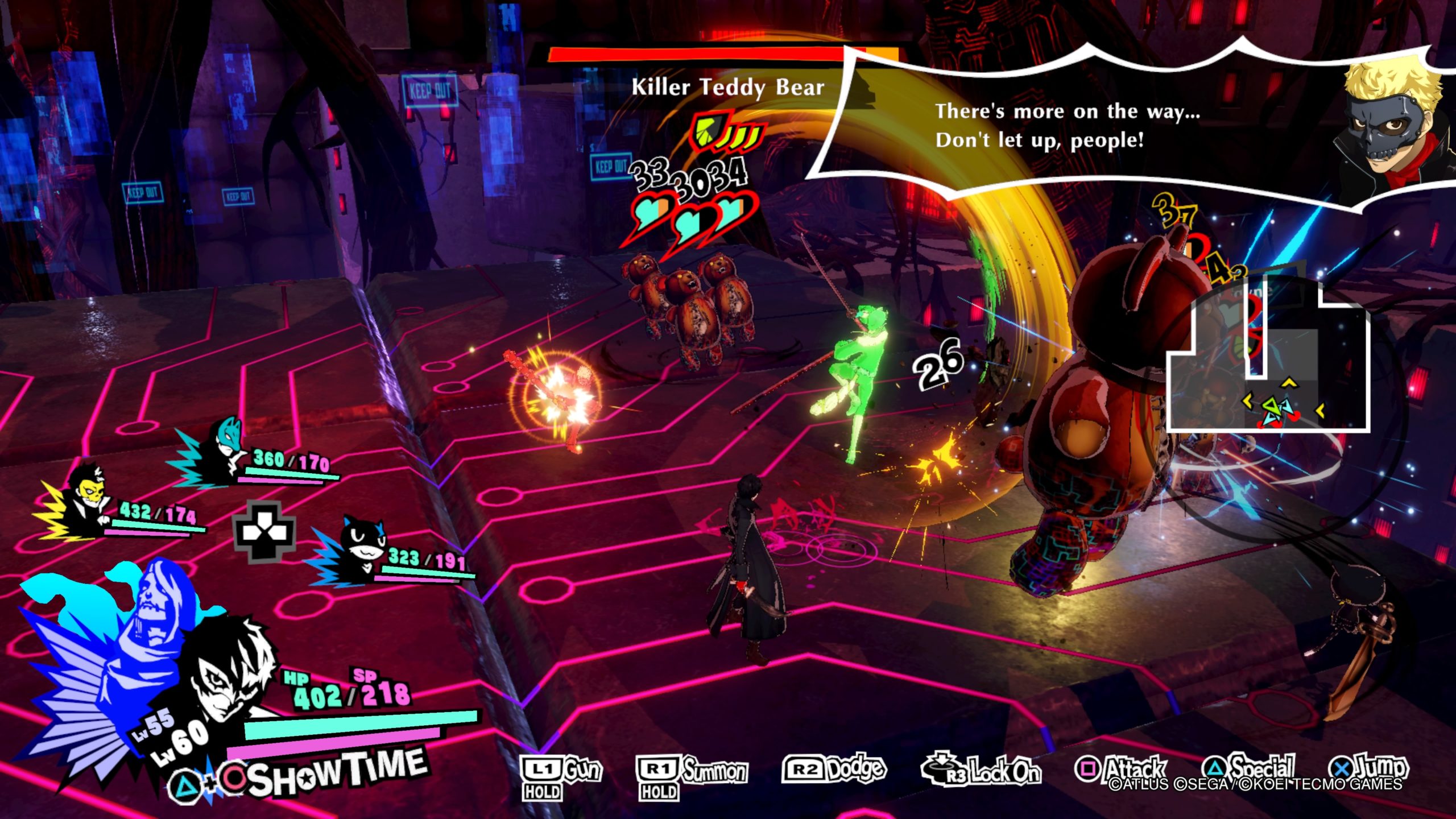
Combat is where the musou influences come into play, and boy is it as fun as ever to be in large scale fights. Trash fights will be anywhere from a handful to dozens of enemies, typically scaling based on how difficult the things you’re fighting are. However, even here it feels familiar. Personas still come hugely into play, as the elemental weaknesses from the previous game are still present. All-Out attacks are there, but they’re instead triggered via stunning enemies with attacks of types matching their weaknesses. Showtimes have returned from 5 Royal, but are now based on charging them up via damage and kills. Gearing and items are also both there in a very JRPG fashion. Basically, all the pieces are there, but now taking place against a ton of enemies in real time.

The real thing that surprised me is how all of those mechanics mesh well within the context of the new combat. The combat is fast and frenetic, but not overwhelming. I spent a lot of time dodging around as a default instinct, helped along by really good enemy targeters giving you a clear indication of when you should be dodging attacks instead of focusing on damage. Magic attacks with your Personas pause the combat, giving you a bit of time to strategize around hitting enemy weaknesses. All-out attacks do a short pause and ping the enemy that can be hit with it, giving you a clear indication that you should be shifting focus. It’s all fast and fluid, but very clear in terms of what’s going on. For a musou title, that’s actually kind of surprising, since they can often be large periods of mindless spam, where the strategy is at a metagame level instead of the actual combat.

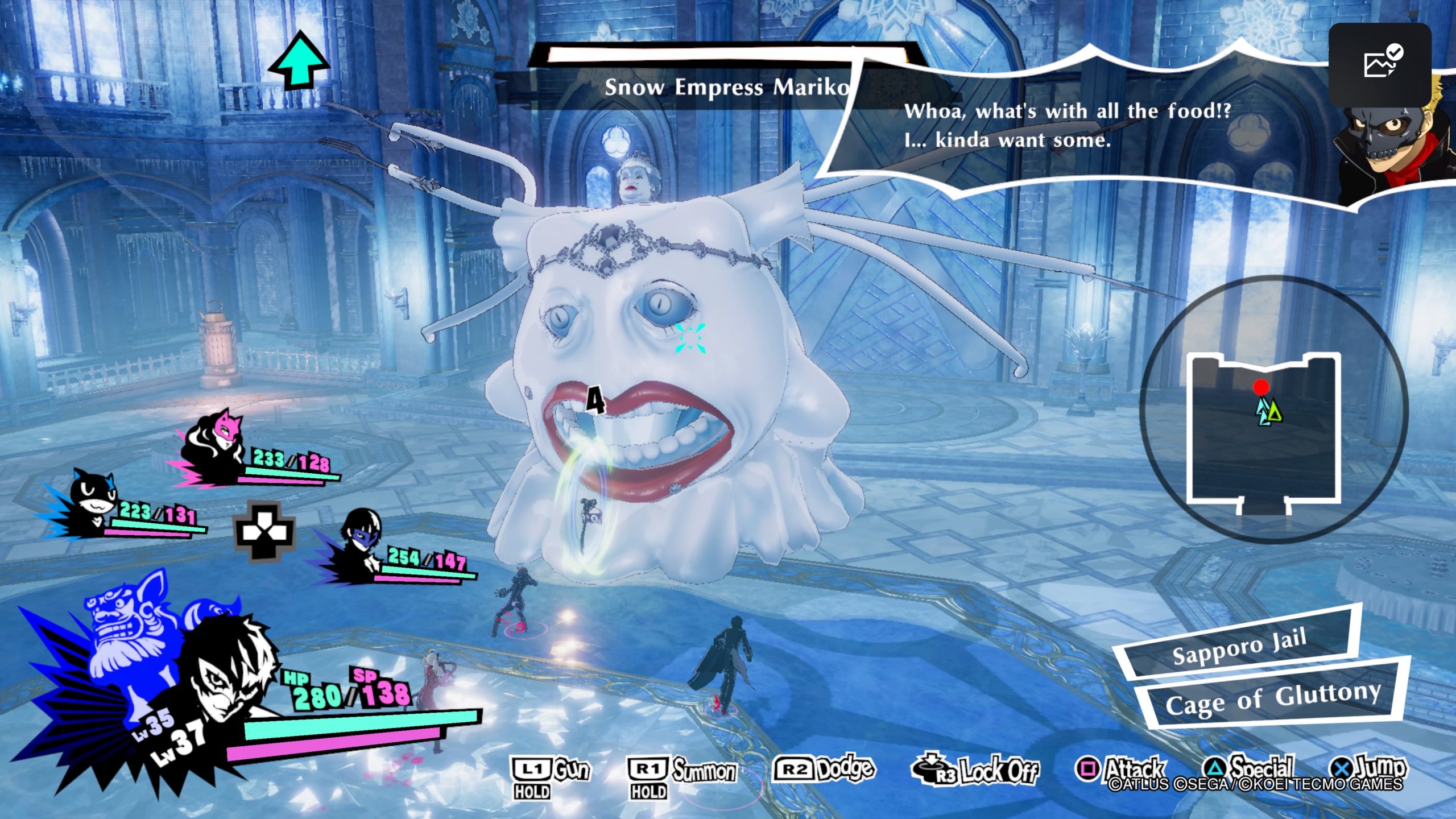
It’s also kind of surprising how well this scales down to battles of one. Boss fights are largely one vs the party, and it just kind of works. The bosses have bigger mechanical pieces and a much larger chance to nuke the party if you aren’t paying attention, but it feels fair. Boss nuke mechanics can be interrupted by hitting their weakness, which encourages a pretty diverse Persona squad. However, the boss locations also typically have environmental pieces that can attack those weaknesses as well. I had problems with Persona 5’s bosses, where it often felt like a pattern of die once, figure out the weakness, then easily win. Here, the bosses uniformly felt tough but fair. Going into a fight without the right Persona made the fights significantly harder, but I could still win. Going into a fight without SP generating items meant that I would want to preserve SP for healing, but I could still win. As long as I was committed to dodging mechanics I would get through it based on skill, and not need to cheese the fights.

This is also kind of a hot take but they got rid of the time limiting calendar mechanic and I couldn’t be happier. I get that limiting your activities and forcing you to focus on some subset of things is kind of a Persona standard at this point, but I’ve never been a fan of it. In general I don’t like time gating mechanics, as it feels like an unnecessary forced stress point on players. P5S only has the calendar for story purposes. You can jump in and out of dungeons as much as you want and the calendar won’t move forward. It feels like a best of both worlds. The calendar is there to act as a framing device for the plot, but it’s no longer there to be a limiter on the player.

I’m hoping to see something like this done for future mainline titles, even if it just means that you get a little more freedom to do multiple things within a phase of a day in a future P6. Want to talk to multiple people in an afternoon because they all go to your school and why the hell couldn’t you do that? Yes please. Taking a Persona 5 example, want to do make some progress in a palace then switch over to Mementos because the palace is too high leveled for your current party? Sure why the hell not? Don’t waste an entire day because you were going into the unknown. It feels like there’s options for them to make the calendar less punishing without losing the heart of the series, and I hope that the mechanic being entirely gone in a spinoff allows them the ability to rethink what they want with the mechanic.

This is both a sequel and a spinoff, and it works well in both cases. As a sequel to Persona 5, we get a fun story that makes sense in-world and gives more time with a set of characters that I really enjoy watching. As a spinoff it gives an entirely different type of gameplay, while still feeling familiar in its inclusion of specific mechanics from the previous title. As a Warriors game, it also shows some of the largest range in terms of pulling two series together. It’s just a fantastically well made experience that I can’t recommend enough.