Game Ramblings #110 – Final Fantasy VII Remake

More Info from Square-Enix

  • Genre: Action RPG
  • Platform: PS4

I think it’s a disservice to this game that they called it Final Fantasy VII Remake. Sure it’s taking the core of the original game and literally remaking it. However, it’s only Midgar, but it’s so much more than that (and I’ll get back to that). It’s taken what was a relatively inconsequential setting and made it into a full-length experience that doesn’t feel stretched. It’s completely turned the gameplay on its head and made it a completely different gameplay experience. I went in with somewhat high hopes that the gameplay itself would feel good in a more modern style, but I wasn’t expecting the rest, and I come out having finished it completely floored at how great the game was.
In a lot of ways, this feels like a lot of lessons learned from the past couple mainline FF titles.

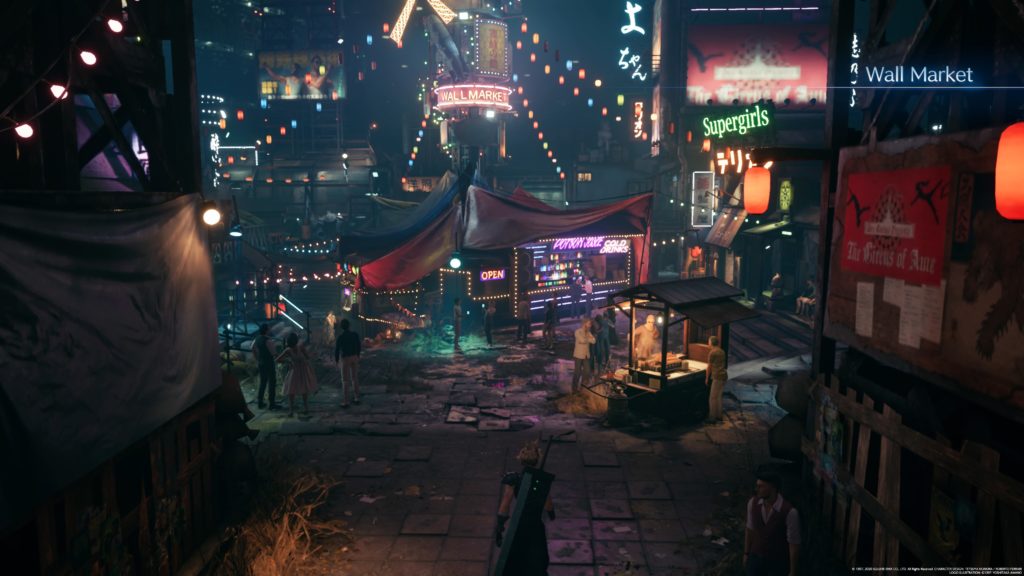
13 took a lot of flack, and rightfully so, for having a very linear start, but moreso that it just didn’t feel alive. 7R is just as linear, but the pieces are so full of life. The 7 slums? It’s more than just a bar now. There’s apartments and shops and people going about their daily life. Wall Market? Now it feels like a grungy Vegas instead of just a collection of buildings with neon on them. While things are generally go point A to B, there’s so much more there than in 13 that it works so much better.

Some little things add a lot of depth to this. Ya there’s side quests, but they’re all voice acted. The characters you meet and help feel like living people, instead of just an exclamation point to start at. Seventh Heaven wasn’t just the bar for story reasons, it felt like a community center for the sector 7 slums. The upper plate wasn’t just a vague section for rich folks that was mostly unseen, but in your interactions with its people on a few occasions it was clearly a place that mostly existed for your average Shinra worker. All of this helped pad out the world, so instead of being linear and dead, it felt like a full world, even without open exploration.
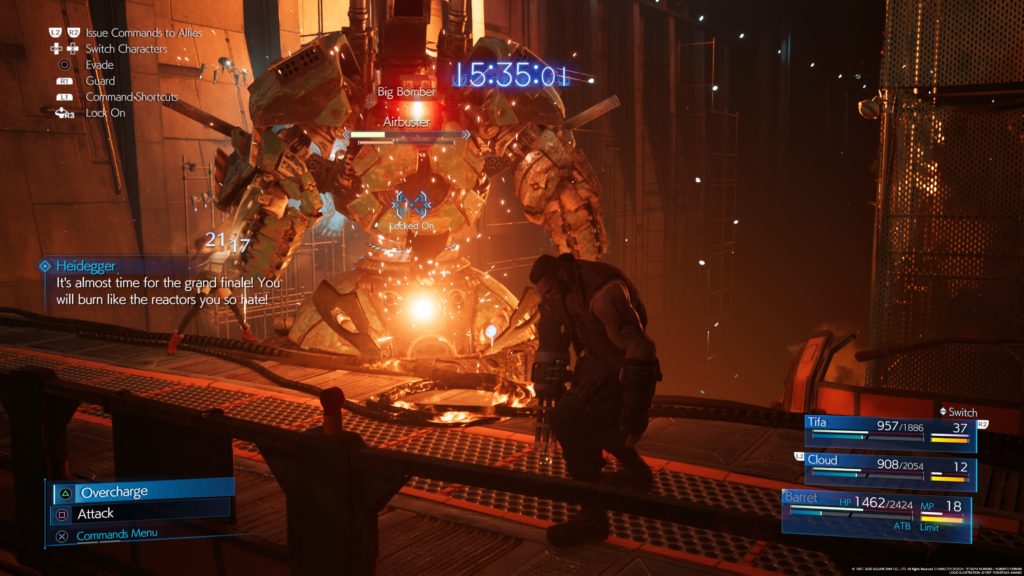
15 had a combat system that went way off the beaten path for this series. It was sort of action-based, and sort of turn based. However, the action being centered around holding a button to do automatic chains worked well, but was kind of strange. The action system in 7R feels a lot more direct, and importantly a lot more defense-oriented. Basic attacks are direct inputs, but in a way that makes sense for the character. Cloud and Tifa are a button press to attack, but that makes no sense for a machine gun or magic streams for Barrett and Aerith. So…..they don’t. They hold to attack, and it just makes sense. All of that charges up the ATB meters, which is where the rhythm of a turn-based system comes into play.

I don’t know that I’ve played an action RPG that’s so seamlessly integrated a sort of turn-based rhythm, but it works really well here. I tended to jump around to the person that felt most natural to my current needs in the fight to really aggressively charge an ATB meter, but I was always using the other party members abilities at the same time. Hitting the skills button, watching the game slow down to super slo-mo, and planning out which ability or magic power to use felt really good. It gave important points where I could slow down and breathe, plan out my moves a bit, then get right back into the action.

The defensive aspects are also way out in the forefront here. Dodging large attacks is super important to avoid wasting healing. Blocking smaller damage becomes a really important source of ATB charging. Parrying attacks with Cloud becomes an important way to cause enemies to stagger. Using your magic dealers to cast slows or poisons or sleeps or stuns becomes an important way to mitigate group fights to allow you to focus on important targets. As a whole, it lets you treat the defensive side of things as a tool in combat, rather than a necessity to simply reduce damage.
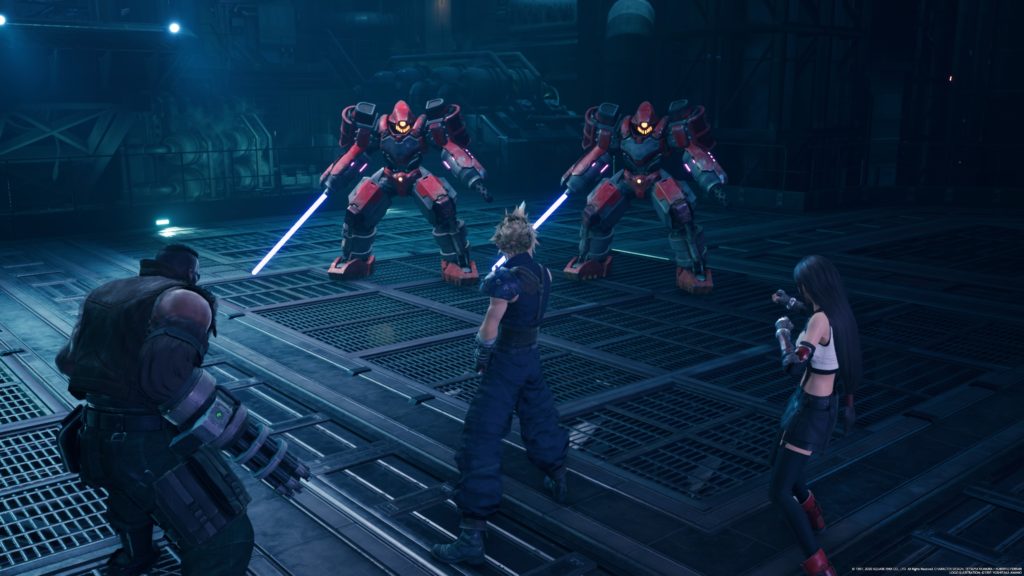
The game also definitely borrows from 13 in its use of a stagger mechanic that comes into play primarily on bosses. Hitting the enemies will increase a stagger meter, which on completion allows for serious damage output. General attacking will eventually fill it, but you’re encouraged to really lay into weaknesses to fill it faster. Some of these are tactical (swap between magic and physical attacks when an enemy has barrier or shield up), some of these are practical (use lightning on enemy robots), some of these are defensive (blocking a melee attack boosts stagger). However, it all feels straight out of 13 where smart use of staggering is often the end goal to do large damage, rather than simply focusing on spam attacks.

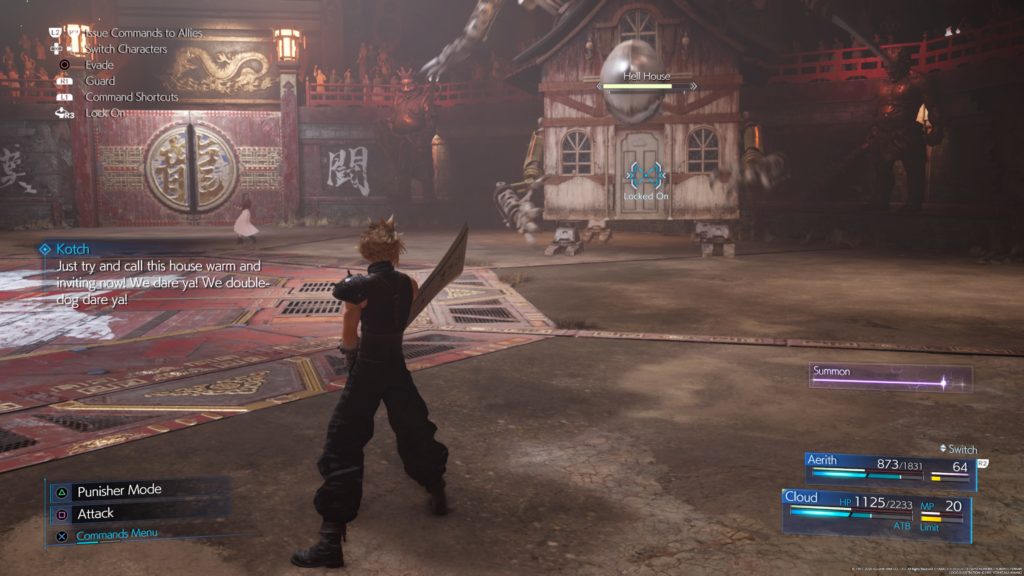
This all comes together into some of the most consistently great boss fights I’ve ever seen in an RPG. Every boss had its own little mechanics to deal with, weaknesses to find, opportunities to attack. The thing that really impressed me though is that the fights found the magical place where they were long fights – generally 5+ minute affairs – with multiple phases, but they never felt like a grind. They weren’t necessarily easy and you’d die if you weren’t paying attention, but they felt fair. Blindly using your resources wasn’t a good plan of attack, but resources aren’t so rare that you simply hold onto them forever out of fear. This is all helped by the fact that the stress of dying wasn’t there. They’ve embraced the modern touch from 15 of having checkpoints immediately before any fight sequence, so a death means you don’t lose progress – you simply try again. It leaves fights in a place where they can be challenging and fun and capable of making you think on your feet and being mechanically heavy and you just go along and enjoy the ride.
However, the biggest surprise is how they steered the story, as it presents a lot of potential changes to the original, and this is where I get into spoiler territory:

Spoiler

There’s some obvious addition to the character depth here, whether it’s the Avalanche side members or the general relationship between the core party. That was always going to happen. This remake was taking a 5 hour introductory section of the original and making it into its own standalone 30 hour game. However, there’s a few specific things that lead me to believe remake part 2 is going to be a much larger change than this one.

The first big change is that Zack Fair appears to be alive in some form. They show him in his last stand from Crisis Core, but by the end he’s shown alive and carrying Cloud back to Midgar. There’s some amount of implication that this exists in a sort of parallel timeline, which opens up the interesting possibilities of either jumping between timelines or straight out changing the past.

The second big change is a question over whether or not the party is even on the original timeline by the end of the game. Throughout the game, the party now goes up against creatures called Whispers that attempt to keep people on their destined path. During the last stretch, the party is fighting against the leader of this group, and ultimately trying to forge their own path. Part of the fight is the player seeing flashes of events that are fated to occur, including the death of Aerith. However, it’s implied that these visions are the events that will occur, if the party does not defeat the creatures that control fate. In defeating fate, it seems like the party should now have control over their path.

I’ve also had friends speculating that what we aren’t seeing isn’t actually a retelling of the original story, but a potential alternate timeline in itself. A few times throughout the game, it’s hinted at that this Aerith has some ability to see what’s going on in the future, or at least knows more than she’s letting on. If she’s able to see across timelines, it could easily explain this game being a different timeline entirely where the Whispers are trying to keep it in alignment with the original game’s timeline.

Those things are huge potential changes to the original story. Is the party going to be able to meet with the living Zack? Is Aerith going to live because the timeline has now been changed, or is that still inevitable? If Zack can be alive in some alternate timeline, can other events be turned back, like the destruction of the sector 7 plate? The story has been setup in a way that part 2 could be a completely different game than the original. I’m hoping that Square really decides to go all in on what they’ve setup, and avoids taking the easy way out to appease nostalgia.
[collapse]

It was absolutely stunning that this game was made, and even more stunning that it came out in the form it did. Square avoided going for a straight nostalgic remake, and rewrote the book about what FF7 means. In doing so, they’ve crafted an experience that feels somewhat familiar in story, completely modern in execution, and leaves some room in the story for them to finish leaving nostalgia behind and craft a really compelling new story for the gang. This took what was already an intriguing world, and elevated it to a new level that feels completely alive. They’ve crafted what is one of the best blends of action and turn-based role-playing that I’ve ever had my hands on. They’ve also done it with modern technology, giving them the most seamless blend of visual fidelity and story telling tools that they could ever hope for. My hope for part 2 is that they continue to push the boundaries for the game instead of falling back on nostalgia, but this one has certainly pushed me from a place of cautious hope to a complete state of hype to see what ends up being in store.

Game Ramblings #109 – Dark Cloud 2

More Info from Level 5

  • Genre: Action RPG
  • Platform: PS2 (via emulation)

Admittedly the main reason I picked this one up was to test some backup and emulation options for PS2 games. I’ve been starting to notice a bit of disc rot on a couple of my older games, so I’ve been making a pass on backing all those up so I at least have some ability to play them in the future. Out of the pass I did, this was one of the games that I’d been putting off playing for a long time. This gave me an opportunity to test the emulator PCSX2 alongside some high resolution support, as well as clear the sequel to a game I really enjoyed when I played it nearly 20 years ago.

The main thing that popped out to me is how good the gameplay has really held up. Going back to a lot of older games can be tough as the gameplay is often fairly dated. This one really held up strong though. The melee combo system is basic at face value, but with modifiers in various directions and a backflip dodge on the same main attack button, there’s a lot that can be done without really moving your hand around on the controller. Ranged weapons also come in to play, with each character having their own to use.

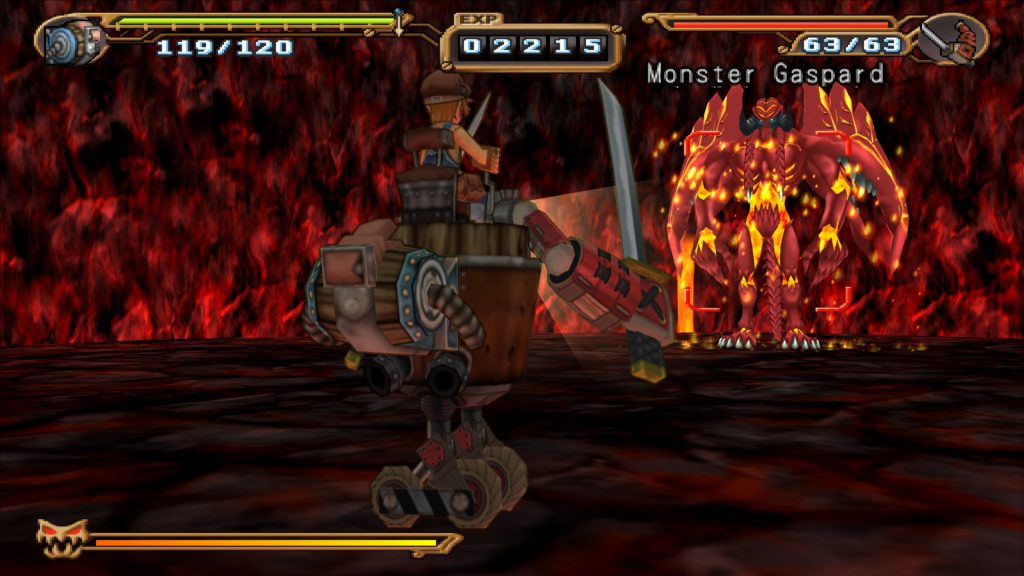
There’s also a lot of benefit out of the character swapping, which ends up being the core of keeping combat going quick. Each character has some amount of their own core strength, and that grows in different directions as you build out their weapons. Max in particular can also pull out a giant mech, which gives some fun options around taking out larger enemies more effectively.

The way they handle the power curve also aged really well. There is no level on the characters. Defensively they gain stats by applying special items found during natural progression, so their shield and health values have a sort of built-in natural growth to them. The real core of the power curve is all around weapon building.

Kills grant XP that go straight into the weapon that dealt the killing blow. Over time this gives you weapon levels, which add to both a raw damage stat, as well as to a synthesis points stat. This stat is used to apply elemental upgrades to the weapon, which over time opens up new upgrade paths to boost a weapon to a new higher tier.

What is less documented but equally important is that these elemental upgrades play right back into the core combat. Enemies all have some amount of built-in weaknesses to specific elements, and applying upgrades to your weapons exploits that. Up against a fire elemental? Use a weapon with a heavy ice stat. Want to build out a weapon that is equal against all? Go ahead and do so. However, it was often more valuable to split the stats and let each character specialize a bit more than that.

In practice this ends up in a lot of potential variety in how you choose to build your weapon out. This sort of active building to establish a power curve instead of the more standard passive level gains of RPGs is a huge change that I really wish more RPGs adopted. While a lot of RPGs give some small crafting and upgrade options, having the entire weapon power based on your own decisions and ideas is a really powerful setup that still feels extremely modern.

The rest of the core loop around town building is still there, and is still somewhat interesting and important to the player. While the exact layout and style of the towns isn’t that important, it was enjoyable to try and craft the perfect town as I built away. As you progress through each zone’s dungeon, you grab items that provide hints in how to build out a zone’s town to progress the story. This tight loop of doing a dungeon floor, going back to your town and building a thing or two, and diving back in is really solid. Occasionally this process will hit some story points that unlock your defensive upgrade items, which becomes a driving force to really do the building process well.

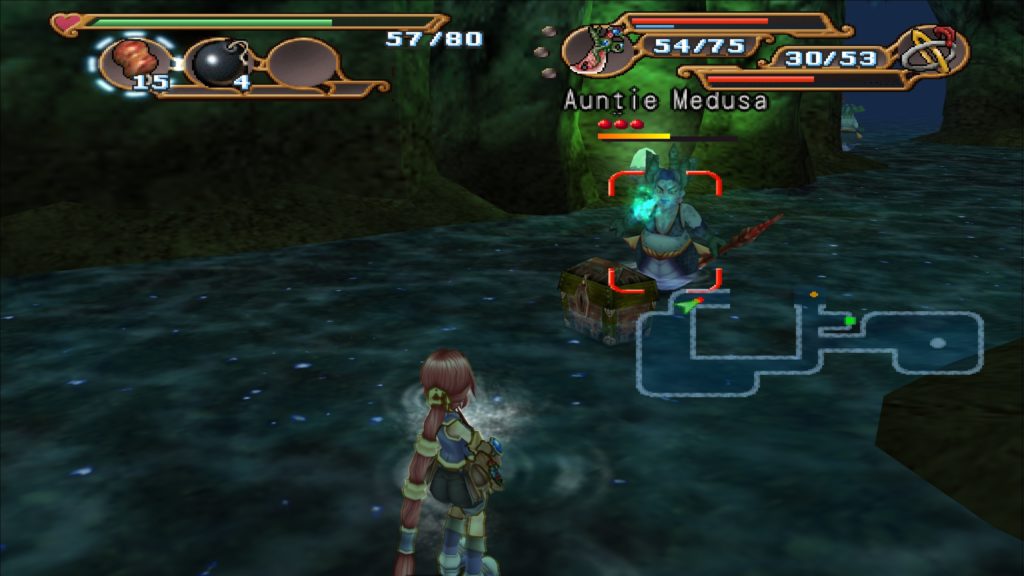
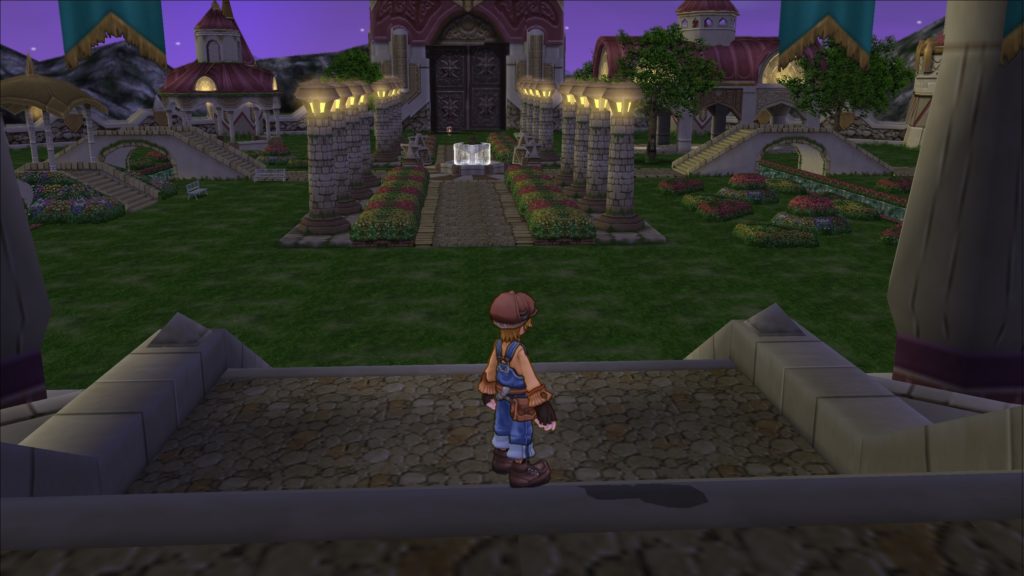
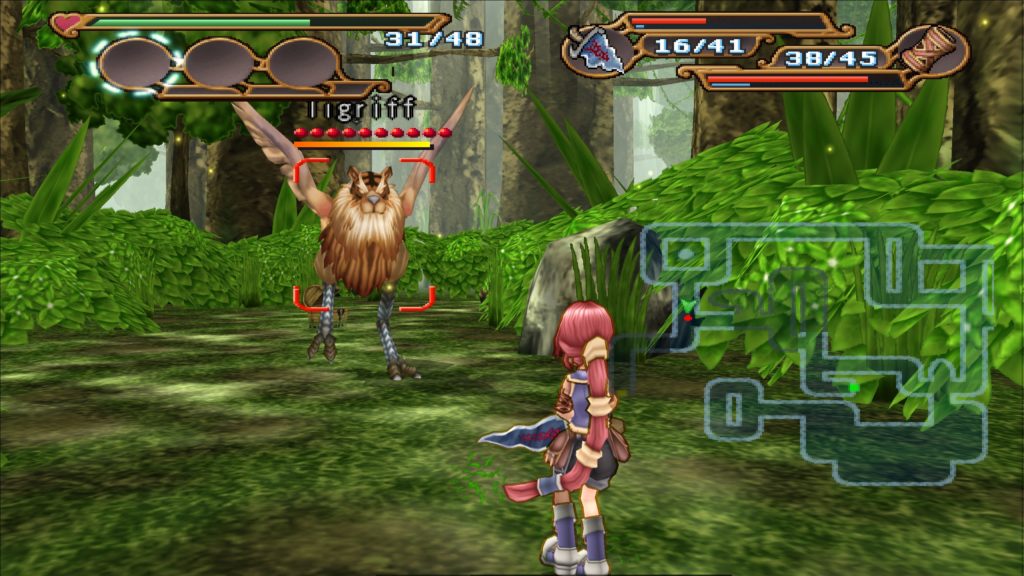
Now of course, I was also using this to test out emulation, and that was a big success. It had been a while since I really tried PS2 emulation, and while performance was good the last time I tried, features generally weren’t. Luckily a lot of that has changed. The XInput emulation supported the full DualShock rumble set. The emulator had really solid support for memory cards and save states, both of which were handy for jumping in for a few minutes as I had free time. However, the visuals are the biggest benefactor. The PCSX2 emulator supported both resolution enhancements AND widescreen patching, so I was able to play this at 2560×1440 native resolution. It’s easy to brush off how important that change alone was to making this easier on the eyes, but it was huge for me and I hope the screenshots I posted really show that off.

Overall this was a big success. I was able to back up all but a couple of my PS1 and PS2 collection. I was able to test out the modern emulation tools suite. Finally, I was able to finally get around to playing this game years too late. The original Dark Cloud was a really special game that was one of the first RPGs I played on the PS2 since it came out a few weeks before Final Fantasy X. The sequel had always been in the back of my mind, but for whatever reason it kept on slipping. Luckily it really has held up well. The gameplay is still a lot of fun, and is doing things with the player stat progression that I wish more games would play with. Getting those resolution enhancements via emulation helps make it a little bit more modern to my eyes, and that really helped more than I can describe.

Game Ramblings #100 – Indivisible

More Info from Lab Zero Games

  • Genre: Action RPG
  • Platform: PS4
  • Also Available On: Xbox One, Windows, macOS, Linux, Switch

I’m glad that this game was a milestone number for my ramblings, because it’s the kind of game I really live for. It’s both instantly recognizeable, but completely unique. It’s kind of an ARPG, kind of a JRPG, kind of a Metroidvania, but really it’s none of those things alone and all of those things together. It takes a bunch of pieces that shouldn’t work together, mashes them together, and spits something out that is phenomenal.

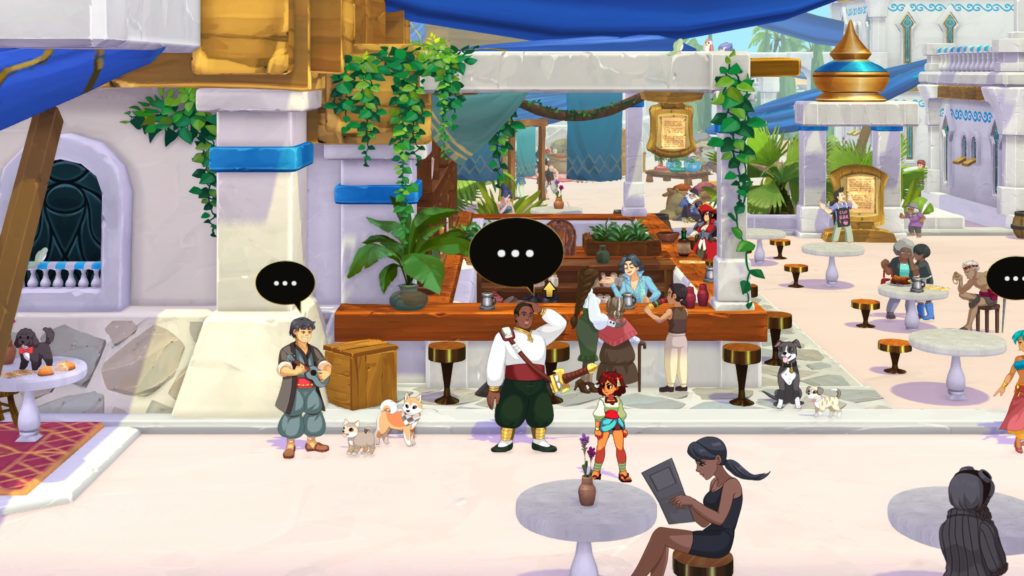
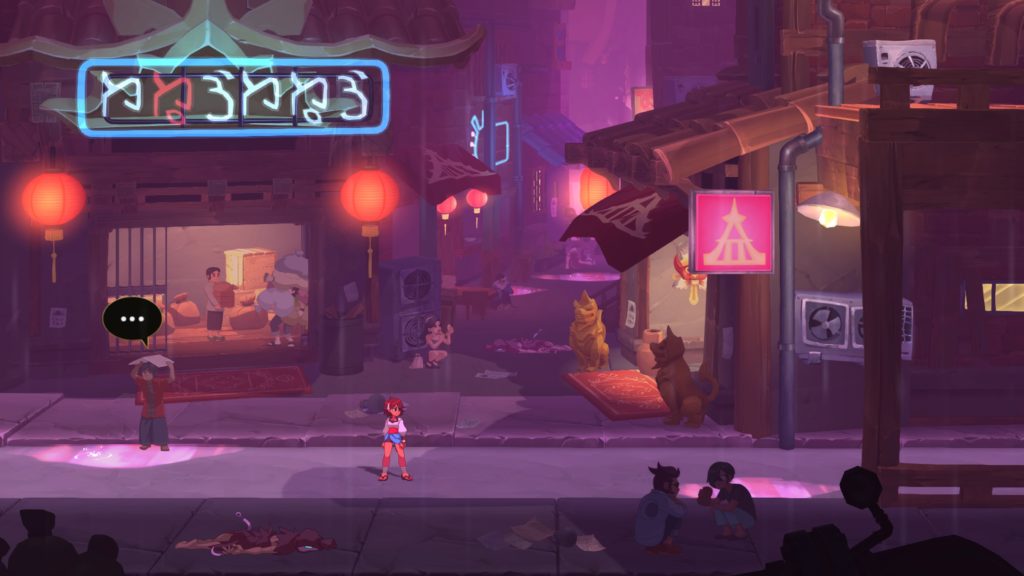
The first thing that really stood out was that the game was flat out gorgeous, though that isn’t much of a surprise. This is the team behind Skullgirls, which gameplay aside, was always known for its visual style. Right from the start, it’s a great mix of 3D backgrounds and 2D character art that pops like very few games do. Particularly in battle, the animation is all ridiculously well crafted hand-drawn art that really brings a bright and fun visual style to life. Amidst the chaos of battle, it’s all a joy to watch.

However, it’s that battle that really pulls you into the game. This is a bizarre mix of two RPG subgenres that somehow mash together. On the one hand, the battle system is very much an almost ATB-style system, where the characters charge up attack slots at different speeds up to a cap. However, those attack slots are not your typical menu slots – they’re instead button presses tied to each character, which can be comboed with directional inputs to do any sort of mix of functionality. This is expanded by different characters having different capabilities to really bring a simple but extremely deep combat system to life. It’s not unlike Valkyrie Profile in a lot of ways, but it definitely feels very much its own.

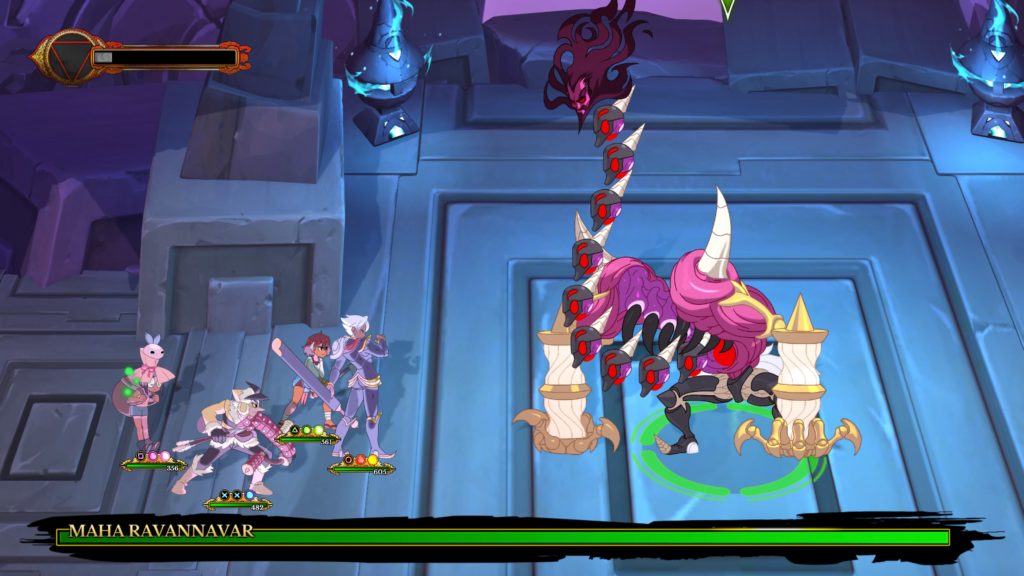
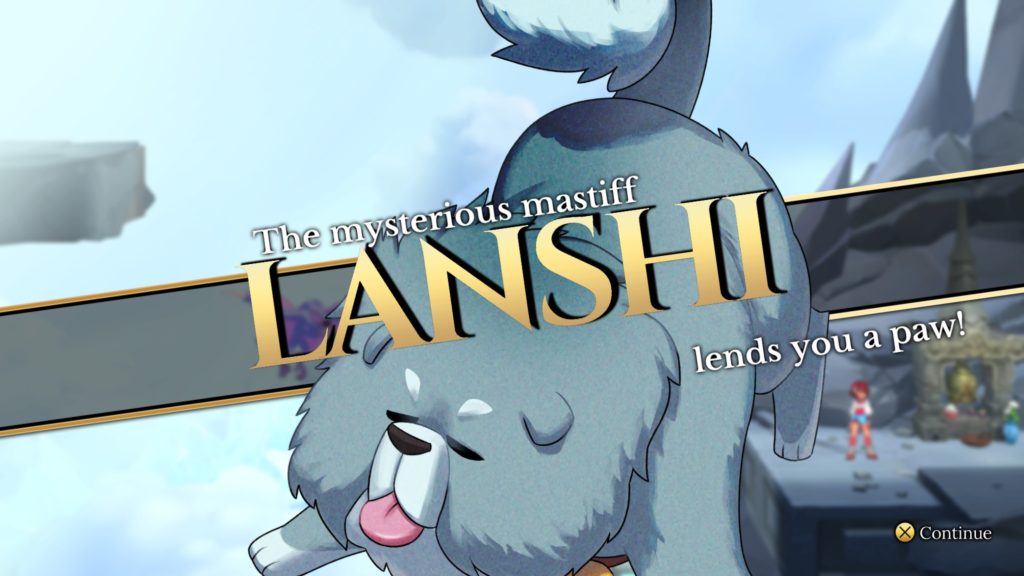
For example, Ajna can break enemies that are shielding with an up+down combo. I used a healer named Ginseng that built up power with straight attacks, then activated a power scaled group heal with their up attack. For flying enemies, I had an archer named Zebei that could shoot enemies out of the sky to be attacked by the rest of the party. At one point I even had a dog named Lanshi whose sole fight pattern was to bark at the enemy party, dealing large AoE damage. This is backed by a charged special attack bar that the entire party could use to do significantly large and flashy attacks to all enemies, like the one below.

On the defensive side, it’s all timing based. Correctly timing a button press when being attacked can block incoming damage, starting with partial block and growing all the way to character heals by the end of the game. This ability to block damage means that missing the button press is absolutely hazardous, as the game is scaled around the player preventing incoming damage as much as possible. A good player will basically never take damage, while a lesser player will likely need to grind a bit to become stronger, so this also works as a pretty solid built-in difficulty mechanic to allow better players to simply move forward.

In general, this battle system was just straight up fun. I spent a decent amount of time when grabbing new characters playing around to see how they felt, but over time settled on a party that really fit my preferred style. For me it was all about fast charging characters with good single target attacks, backed by Ginseng’s healing capabilities, and very little defense other than good timing. It fit a really fun sort of zerg rush pattern that I leaned hard into by the end of the game.

The Metroidvania aspect of the game is generally the weaker part of this mash of genres. It’s not that it’s implemented poorly – the levels all have a ton of side paths that are slowly unlocked as the player gains new abilities. It’s that the level layouts don’t really feel tuned to Metroidvania-style retraversal. It was pretty much without fail that I’d start on one end of a region map, get all the way to the far other side of the region map, and hit a story block with no new power helpful to the current region, requiring me to go completely back across the map to get to a ship and move to a different region. More often than not, the new paths opened with new abilities were typically smaller side paths that existed to collect upgrades, and not necessarily new paths for traversing the level in a different fashion. By doing this extreme side to side layout design, it really ended up making me retraverse the levels with nothing new to do, rather than the more Metroid-typical pattern of earning powers often, and traversing a region with full new paths. Things opened up a bit more by the end of the game, but by that point it kind of felt like too little too late.

That being said, the traversal not being great didn’t minimize my enjoyment of the game. This was ultimately one of my rare PS4 platinums, clocking in at a bit under 20 hours to get the full trophy set. Within that, I got to experience a bunch of great combat, some fantastically flashy and memorable bosses, and more than a few laughs at the party’s expense. For me this is even better, as I was a backer of their Indiegogo campaign, so watching this one come to life, and having it live up to my hopes is something that I’m always wishing for. At this point, it’s been a long time since we’ve seen a proper non-mobile Valkyrie series entry out of Square, and if Indivisible is the way that someone runs with the gameplay, I’m certainly excited about the end result.