Game Ramblings #228 – Splatoon Raiders

More Info from Nintendo

  • Genre: Third-person Shooter
  • Platform: Switch 2

This is a nearly perfect modern version of what Nintendo championed for so long in their handheld console range – a game that you can pick up for five minutes or five hours and still make meaningful progress. It expands the Salmon Run mode from the core Splatoon games into something much larger while still maintaining the excellent shooting of the series. For me as a fan of single player Splatoon, it’s exactly what I’ve been waiting for.
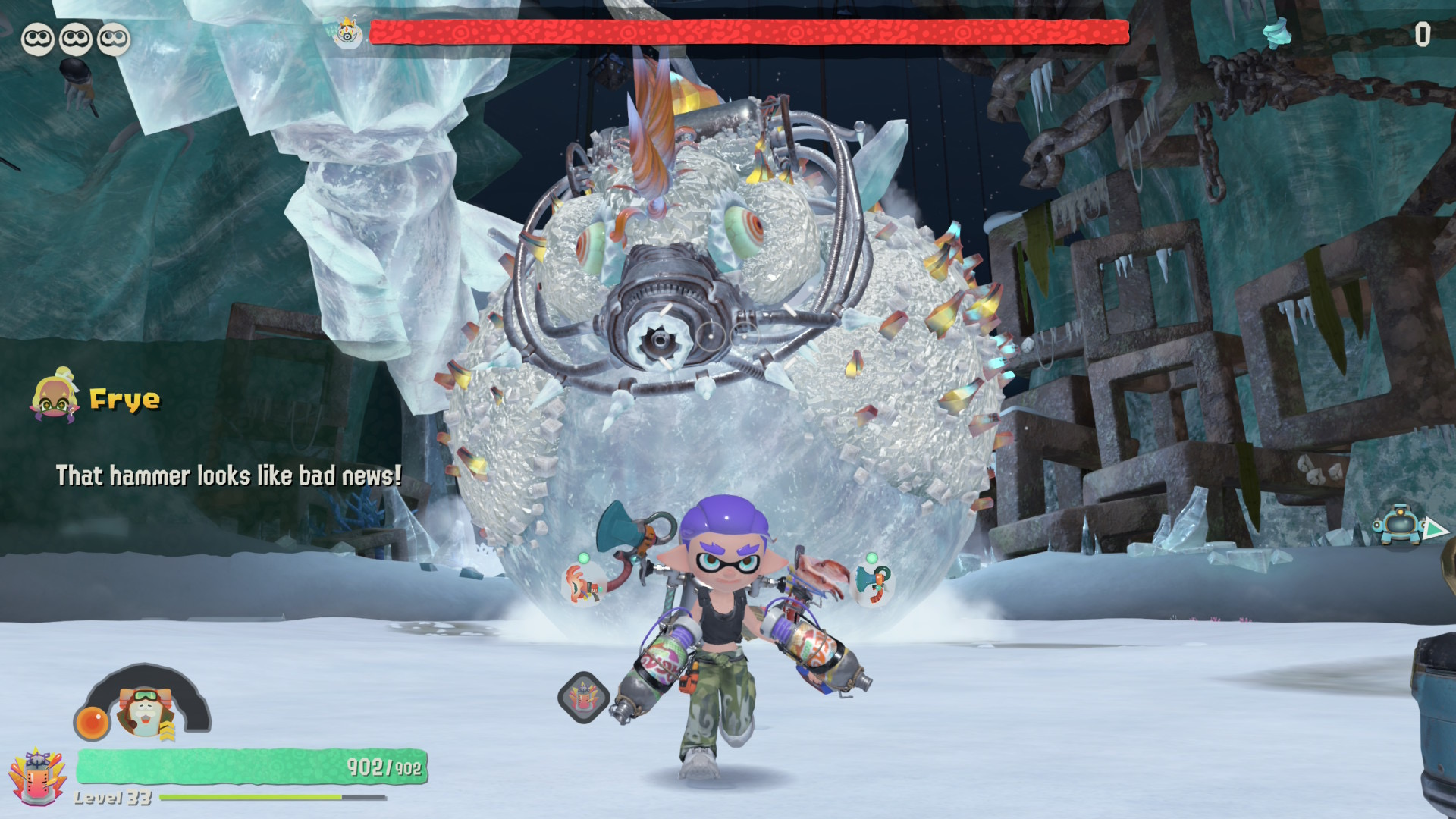
This is a game that is inherently tied to a power curve loop from action RPGs and it’s probably the main reason why the game works. You’ve got leveling for core stats (health and base attack power) that feels impactful on its own. However, the meat of the game is the weapon system. Even if we ignore the wide variety of weapons, weapons themselves are upgradeable. Even if we ignore the flexibility of secondary gadgets, the gadgets themselves are able to be heavily modified with upgradeable customizations. This is a game where you will constantly be tinkering to get a build that you really stick with.

For my own personal example, I had ended up on a few specific things. As my weapon choice I ended up with Twincans – a variety of the dual shooting weapon that lets you dodge while firing. They have a bit more power than base dualies at the expense of higher ink use, which for me was nice to more quickly dispatch smaller mobs. I then paired this with gadgets featuring even more mobility, like the blast boot that lets me jump into an area while doing explosion damage to clear mobs and freeze effects to stall things that didn’t die, or the jump bomb that let me get airborne away from damage while doing similar impacts on landing as the blast boot. To some extent this build allowed me to simply pull mobs around the environment as I wished, but they also allowed me to change my initiation point to a new area if something more relevant was drawing my attention. However, this was simply my preferred way to play. Because there’s 11 core weapon types – each with at least a subtype – and 15 gadget types and dozens of gadget mods you can kind of build out how you prefer. You can build for speed or avoidance or power and find something that is just as effective and fun.
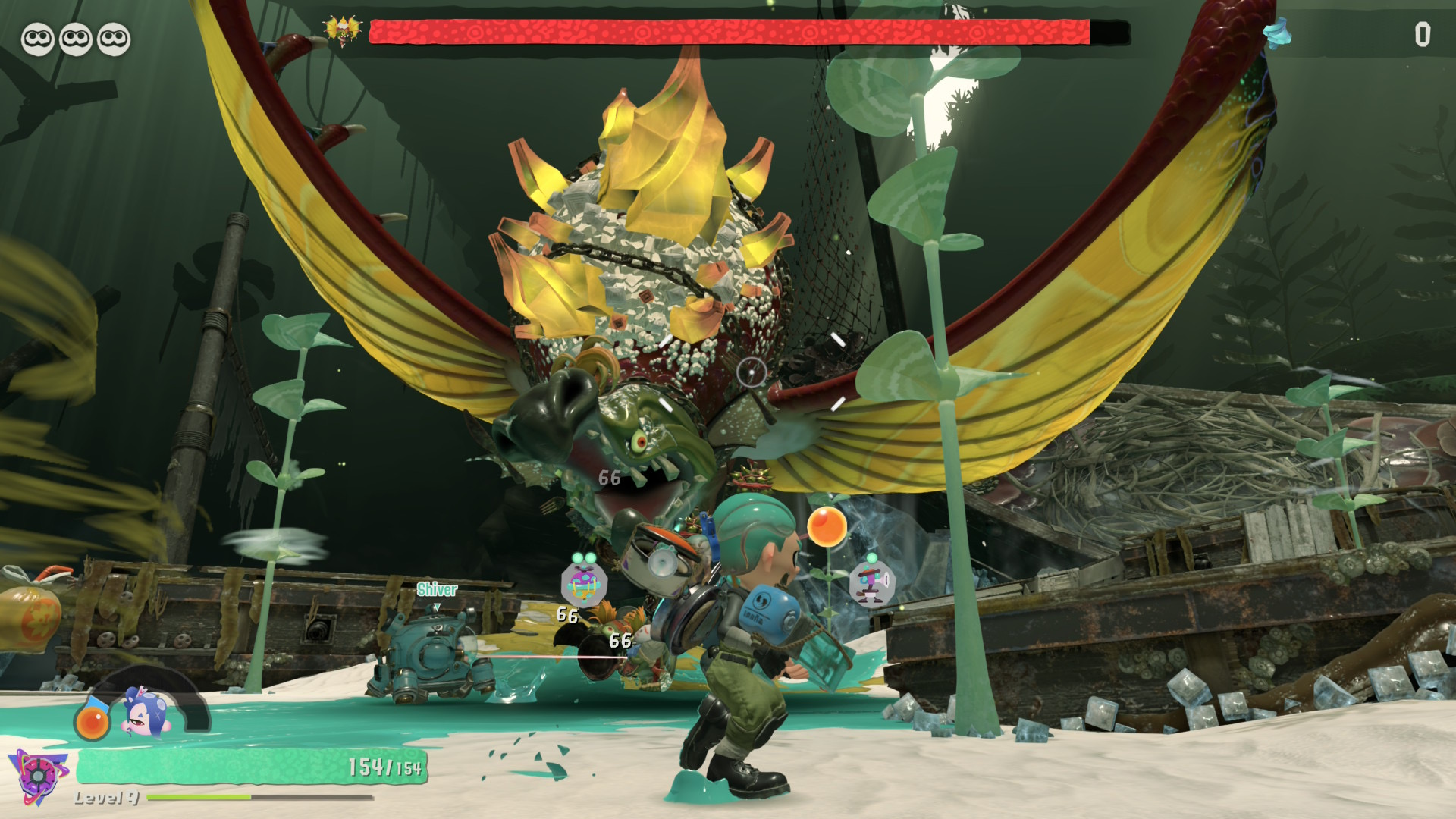
The important thing is how this is tied to progression and the core game loop. This is every bit a game that is built around loops that are 2-5 minutes. You jump into the world map, pick a location, go in and do some quick singular objective and get out. You get a bunch of currency or materials that you then go back to your base and use to upgrade any number of things. You tweak your gadget loadout a bit or switch to a new weapon, then get right back into it. This is classic Nintendo handheld loops where everything is fast but there’s always meaning. A run doesn’t feel wasted because you are always getting something towards increasing your power and it nearly always feels immediately impactful when you go back into the game. The meta loop also solves at least some of my problem with Splatoon 3’s single player in that the added context gives more meaning to ideas that feel recycled from past games where there’s still value beyond just discovery of the specific mechanic tied to the level.

So then this all ends up working because the game is fun on its own, but that isn’t really a surprise. The Splatoon shooting mechanics have been tried and tested now for years, and that’s still the case here. The core loop of laying down ink, swimming through it, and laying waste to anything that moves has always been fun. The Salmon Run mode in recent Splatoon games has proven that a horde of enemies coming at one person can be fun. This is now just more. This is a game that is taking advantage of the Switch 2 hardware increase not to really do new things but to do more. You have more enemies, more ink flying, more explosive attacks, more range to attacks, more long sight line areas due to level design. Visually I would say they took a huge risk in that nearly everything is a muted color scheme at odds with the series past, but it ends up highlighting how drastically different everything looks once you and the enemies end up covering it with bright ink. It ends up oddly being a really convincing exhibition for the power of the Switch 2 hardware compared to the previous generation.
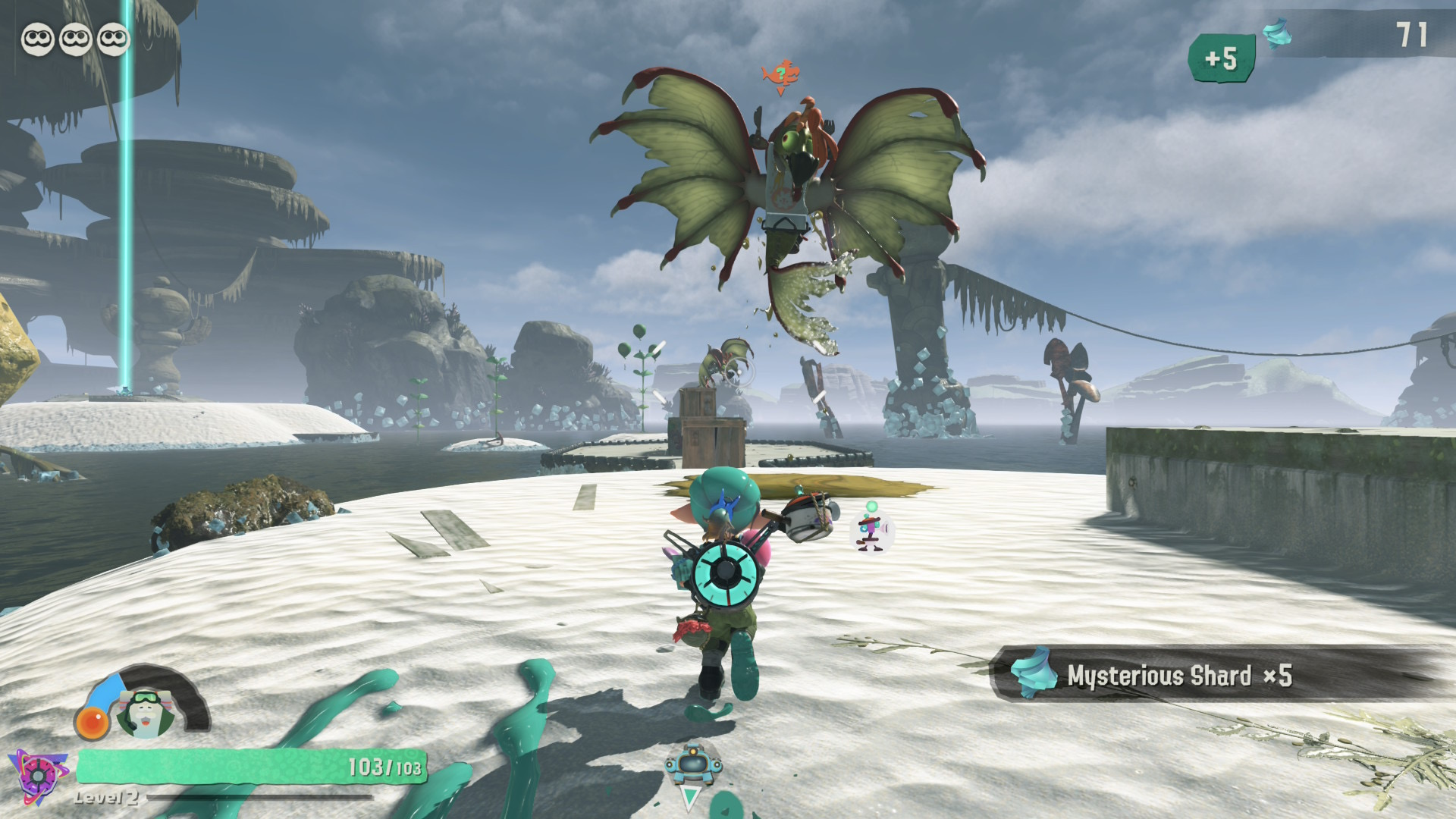
I’m not entirely surprised I enjoyed this since I largely enjoyed past Splatoon single players. This is definitely taking ideas from those, as well as the ideas present in the Salmon Run mode. The combination of them tied to a much more expansive progression and customization loop just hit a really nice spot that makes this game incredibly easy to recommend.

Game Ramblings #222 – Pokemon Pokopia

More Info from Nintendo

  • Genre: Action RPG/Sandbox Builder
  • Platform: Switch 2

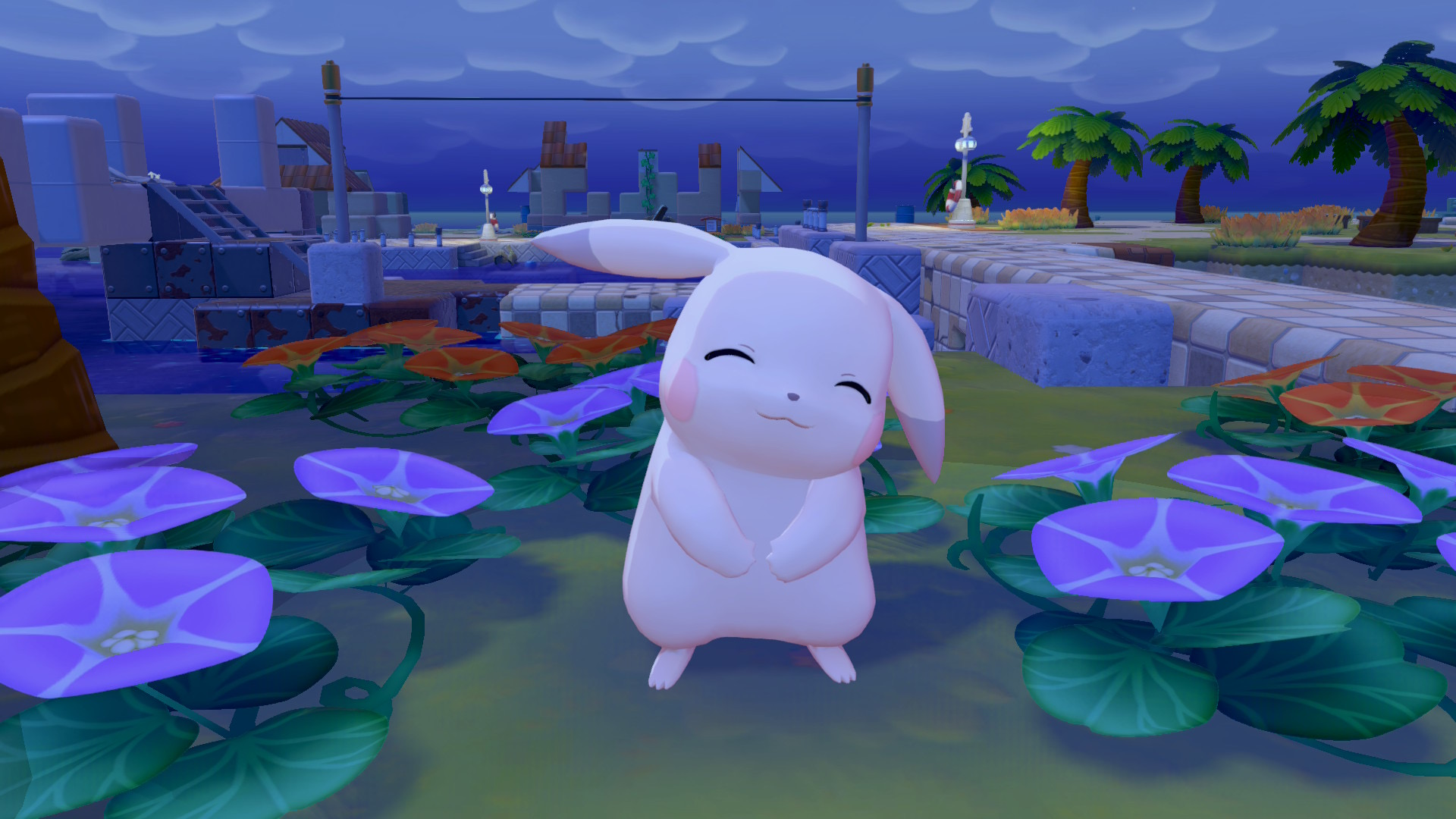
Having played Dragon Quest Builders 2, I knew roughly what I was getting into and where my expectations were. I figured I would effectively be playing the sequel to that game with a Pokemon covering. That’s definitely the bulk of what I got and those things tied to the IP were well integrated. However, what I also got that I didn’t expect was an incredibly dark story backing the setup to get us into the game, but we’ll get to that.

A lot of what made the building aspect of DQB2 work so well for me was indirectly carried over and it really settled me into the flow of the game.

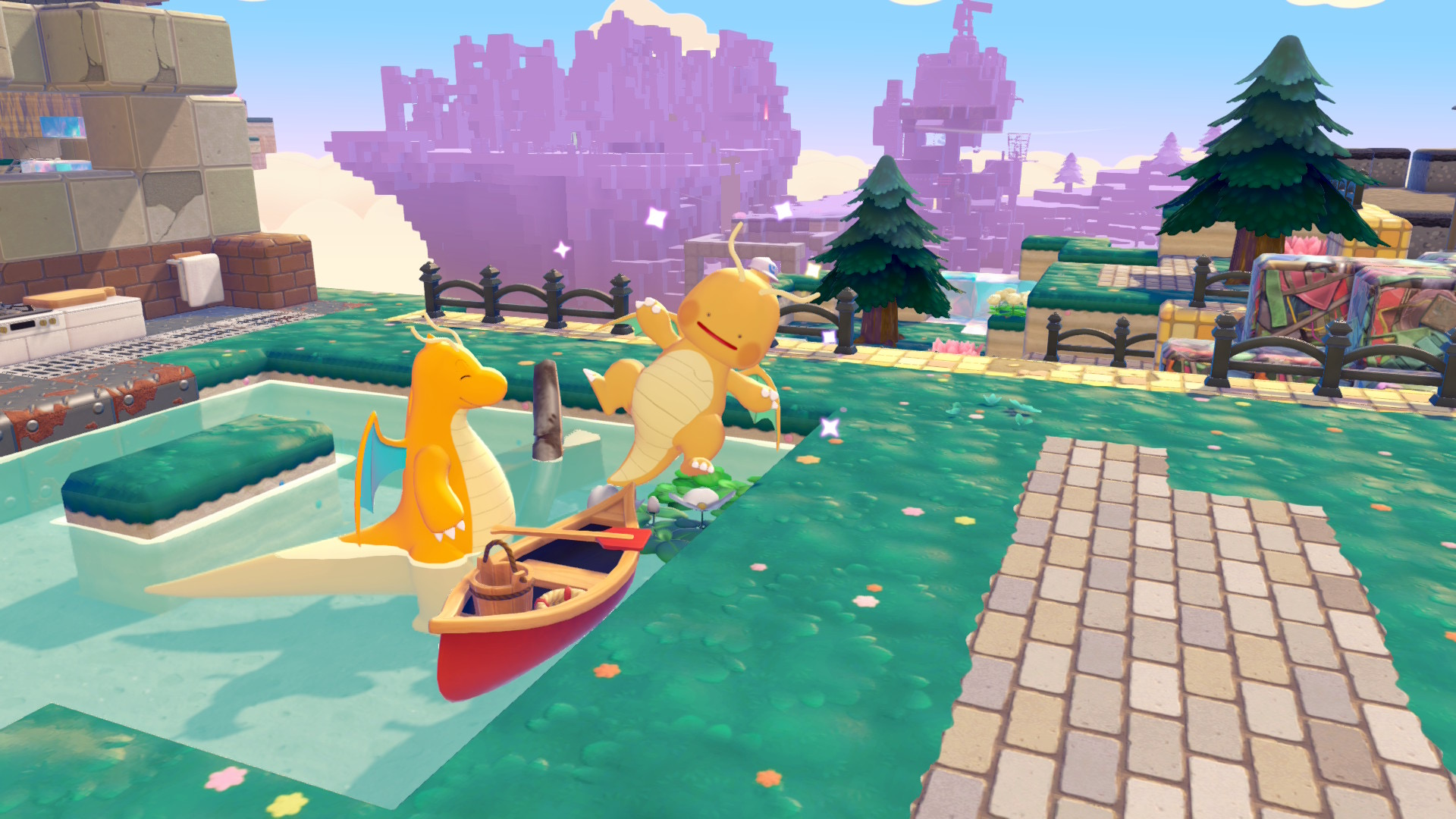
The big thing for me in DQB2 was that tasks could be automated – for example, you learn to farm and task a townsperson to continue doing that for you; you learn to cook a recipe and have a townsperson continue to do that – and that still exists in some respects here. Throughout the game you start getting Pokemon or placeable items that you can add resources to to automate production. For example, Scyther can turn wood into boards if you give them to him. If you create a smelter, you can add raw ore to it to get ingots if you have a fire Pokemon. If you give clay to a fire Pokemon they can create bricks. If you put limestone in a mixer you can have a Pokemon with the Crush ability make concrete. These are all little tasks that can be done to get advanced resources. The big change from DQB2 is that the player cannot do these on their own and must have recruited the Pokemon associated with the task.

There’s a similar aspect to building that comes over here, but again in a slightly less automated way. In DQB2 you can setup builds and apply townspeople to them, but the rest of automation allows things to kind of continue on in the background while you go do anything else. Here, you setup the build, bring all the resources, recruit Pokemon with specific specialties, then set them about building the thing.

It’s a little bit more player directed, but also less automated. In a lot of ways this kind of bugged me early on as it felt like I had to be a little bit too involved with my individual Pokemon and steering them to start things for me. However, over time I kind of got used to just bringing Pokemon resources and things to do and assuming that over time they would naturally get around to handling the tasks for me and being less focused on one specific thing to do now and more on doing a wide range of tasks over time. I can easily be running around building out habitats for Pokemon or cleaning up junk or building paths or shaping the environment and by the time I get back around to the resources I need to build some story thing they’re kind of just there. It ended up steering me more into the sandbox nature of the genre than I think I typically would have been comfortable with.

A lot of the systems are kind of that way. They’re similar to DQB2, but less automated and more player directed. Where the focus has instead changed is very well oriented with the Pokemon IP. Your focus is instead on creating environments to pull Pokemon into your towns.

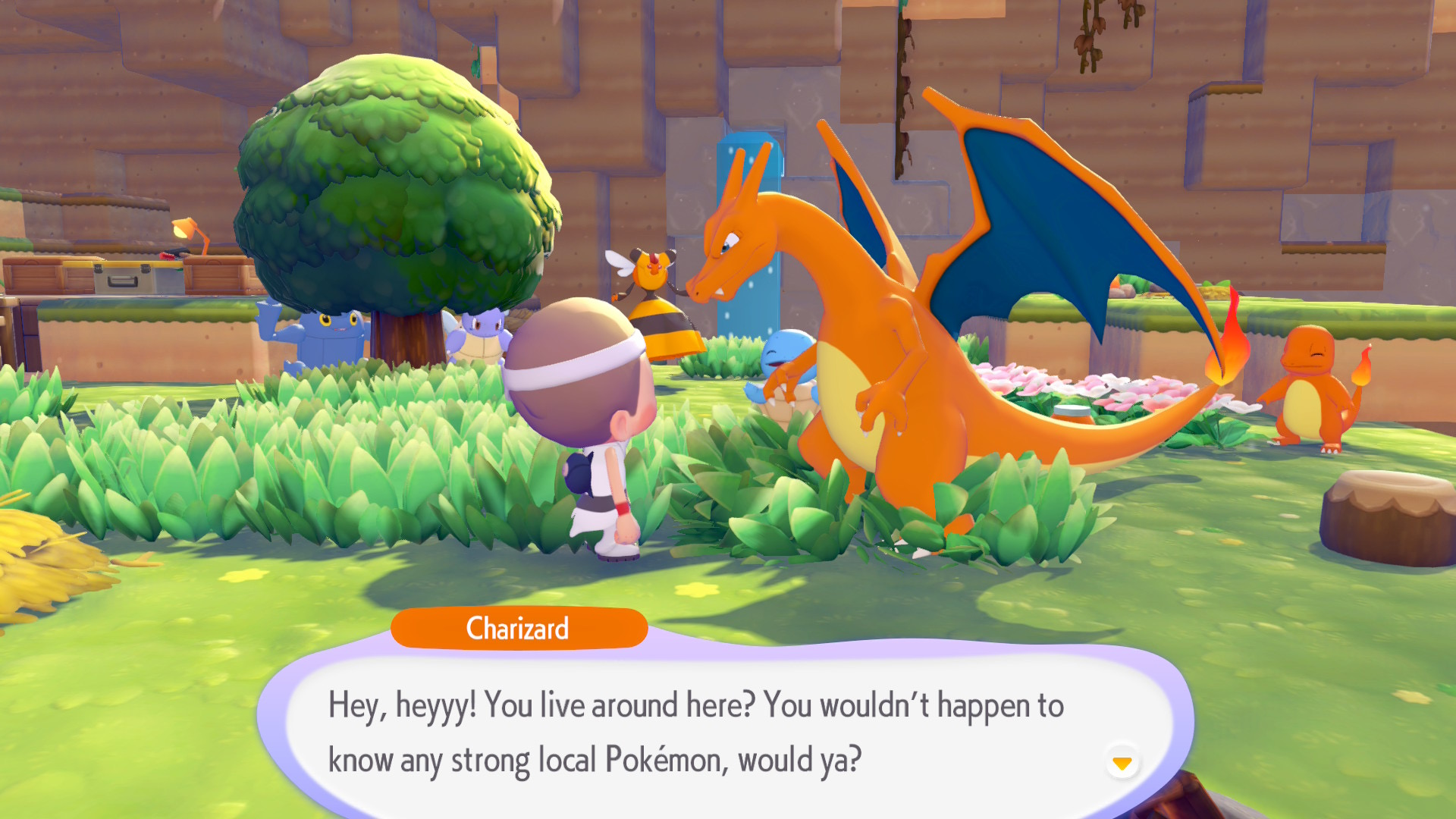
Every Pokemon in this game has some habitat that it wants to live in. It may be a simple four square patch of grass, or maybe it’s flowers and a shade tree, or maybe it’s a vegetable garden, or maybe it’s a volcanic rock next to lava, or maybe it’s a perch on the edge of a cliff, or maybe it’s a patch of grass that is also next to the ocean, or maybe it’s a patch of moss that is also next to a hot spring. The point being is that the player’s focus is on very specific micro tasks to bring new Pokemon into your town, and specifically because you need a variety of Pokemon to get everything done.

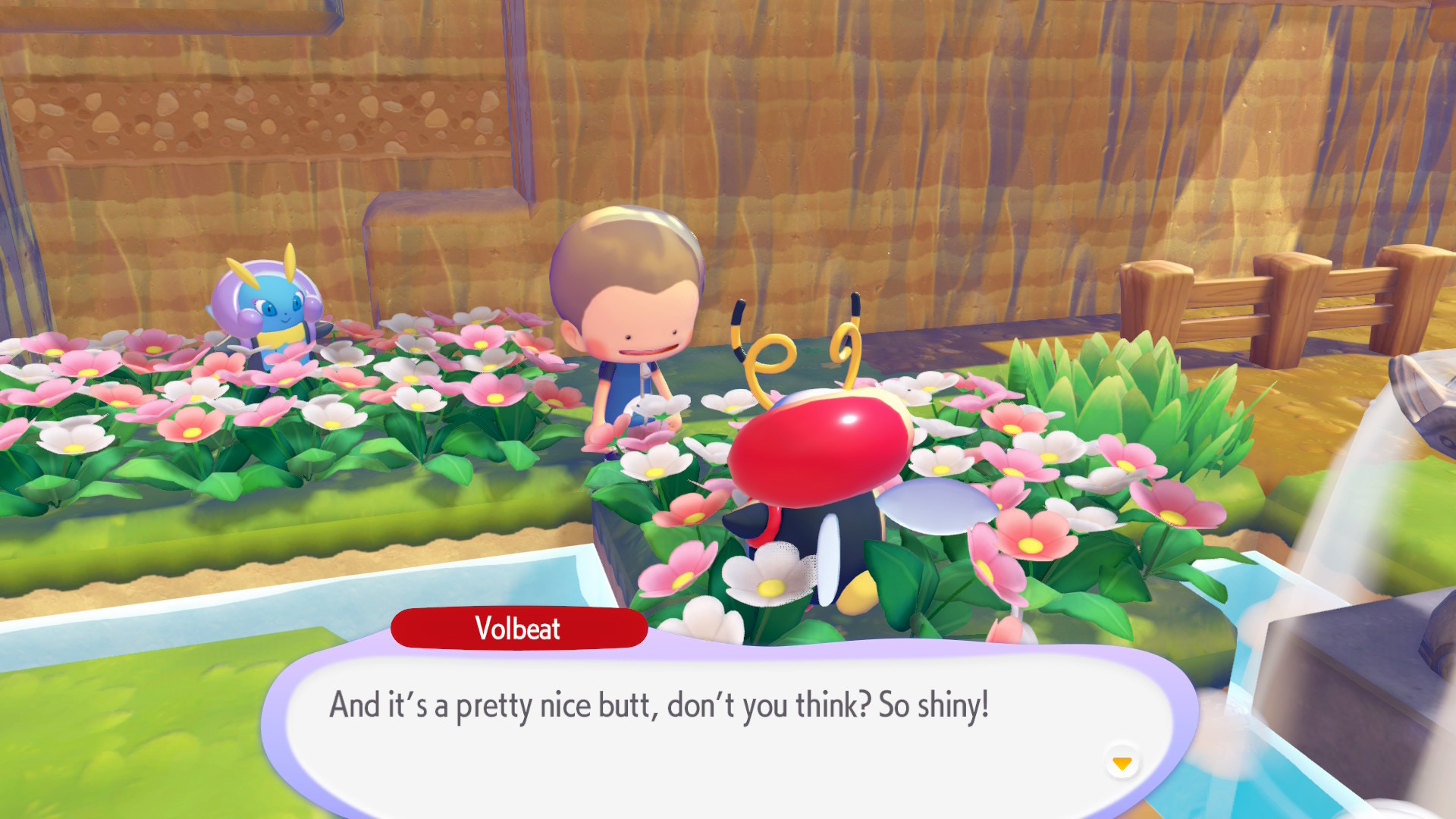
There’s about 30 abilities in the game and having a wide variety of them is extremely important. Some are pretty generic and end up being used across all your towns. It may be something like Burn to light campfires used to recruit certain Pokemon or Chop to create Lumber or Fly to allow you to fast travel to specific Pokemon. Some are instead pretty directly tied to the story like Rotom’s DJ ability to play music for a town party or Tinkmaster’s Engineer ability used to build a large story-focused building. Making sure that you recruit a wide range of abilities ends up being a more driving factor for your towns than the automation of DQB2 as it makes it far easier to tailor your current needs to the area you’re in if you have the ability to task any Pokemon there to do something for you. It’s also the thing that is so obviously tied to the IP as the abilities at play, how to recruit Pokemon, and ultimately getting that “collection” of Pokemon in your towns is the most Gotta Catch em All tie-in that the game has.

The one omission that did surprise me is that there was no battling. Pokemon is about collecting but it’s also about battling and the lack of it kind of points right into the overall plot. Do Pokemon battle because they’re told to or because they naturally do? Without humans, is this coexistence kind of their natural state?

So then, let’s look at the story itself. It’s dark if you actually read into it.

Spoiler

The TL;DR version is that this is the world of Pokemon, largely taking place in Gen 1 ruined cities, and all humanity has left Earth because the environment was destroyed. Rather than taking their Pokemon with them to space, they left them in the existing PC storage infrastructure in the event they could ever return back to the planet’s surface. During this process a hacker put in place safety checks to automatically release Pokemon if the return to the surface took too long and the environment improved enough to support Pokemon existing.

This kind of implies a few things. For one, humanity left and never came back and it’s not really specified how long this has been. Everything being ruins implies at least decades, if not centuries, and humanity existing at all is only finally confirmed in the credits sequence. It also implies that Ditto is a freak and can kind of exist anywhere, and that it was kind of lucky that Ditto happened to come out around the same time that Tangrowth also did, leading into the player starting to improve the world. It implies that the player setting up habitats for Pokemon isn’t actually recruiting wild Pokemon because they all likely were killed by the natural disasters but instead is setting up habitats in a way that the PC storage system finds candidate Pokemon to release back into the wild. The fact that humans were not accessing their Pokemon in space also implies that humanity is far enough away that they literally cannot and do not have access to Earth’s systems and they kind of just left it all behind. All throughout the game it’s hammered into the player that the Pokemon miss their humans, and the game resolves by basically showing that humanity will not know about the Pokemon fixing the environment for long enough that it’s unlikely the Pokemon are still alive. On the surface this just looks like a cute Pokemon game, but the lore ends up being horrifying to think about.

[collapse]

Like the Pokemon Legends games, this is a breath of fresh air for Pokemon. It’s very obviously Dragon Quest Builders 3 in a different IP, but it works pretty seamlessly. It takes systems that worked from that series, morphs them a bit to fit into collecting Pokemon, and hits a really good balance of IP nostalgia and solid core systems that are slightly pushed in a direction that fits Pokemon better. Frankly, it also fills a hole left by the lack of a new Animal Crossing game. It’s just a really solid game.

Game Ramblings #217 – Metroid Prime 4: Beyond

More Info from Nintendo

  • Genre: FPS
  • Platform: Switch 2
  • Also Available On: Switch

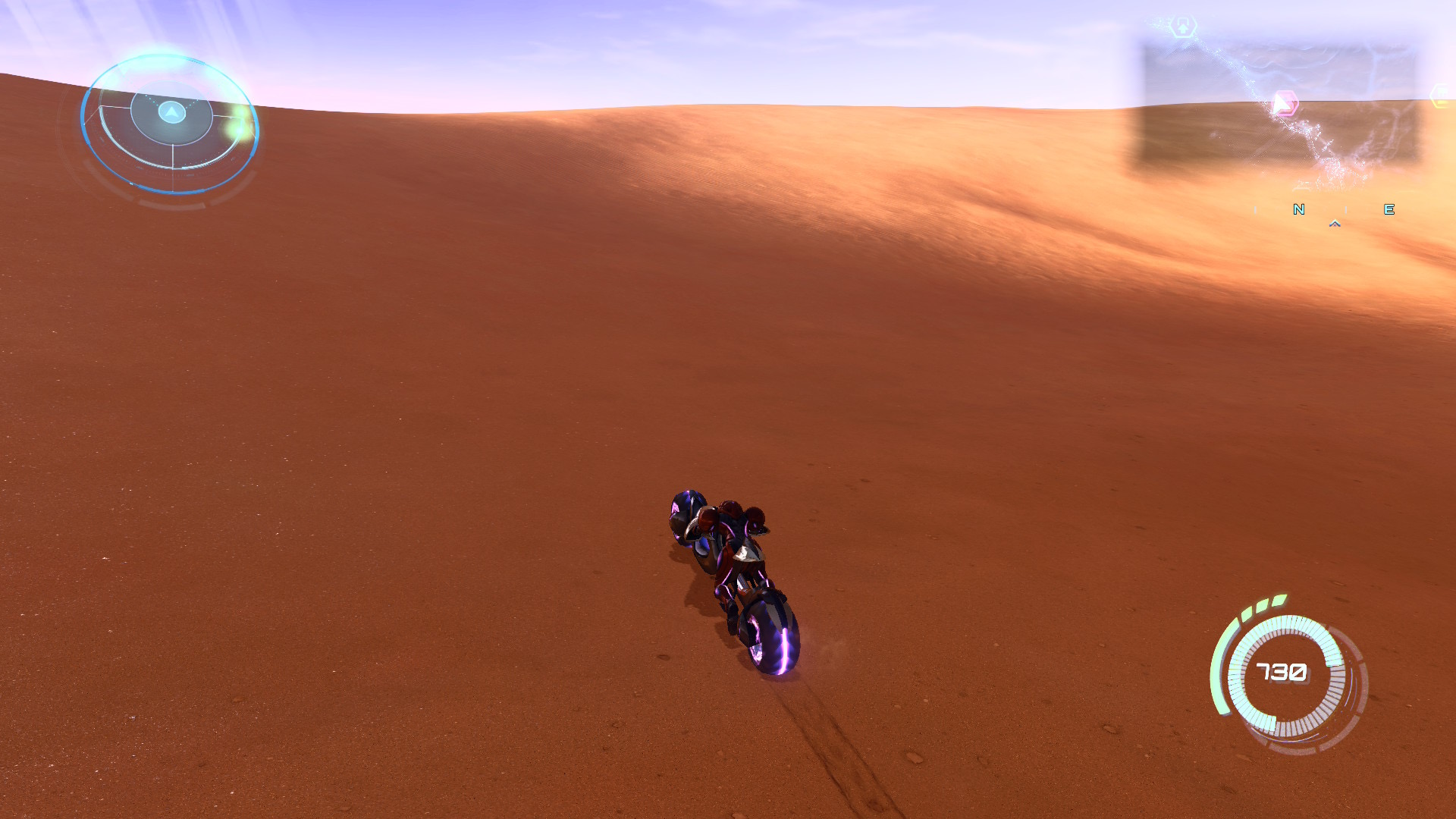
This is a game searching for a core, and that seems to be something that was recognized by the team. It is often a really good first-person shooter with level and boss segments that rival any recent story-focused FPS campaign. It is just as often an excruciatingly boring experience driving across a barren desert. It is also frustratingly in opposition with what a Metroidvania wants to be to the point that I would argue this has no real Metroidvania elements. I wouldn’t go as far as to say this is a bad game, and I admittedly did generally find it to be fun, but it is obviously something that had troubled development.

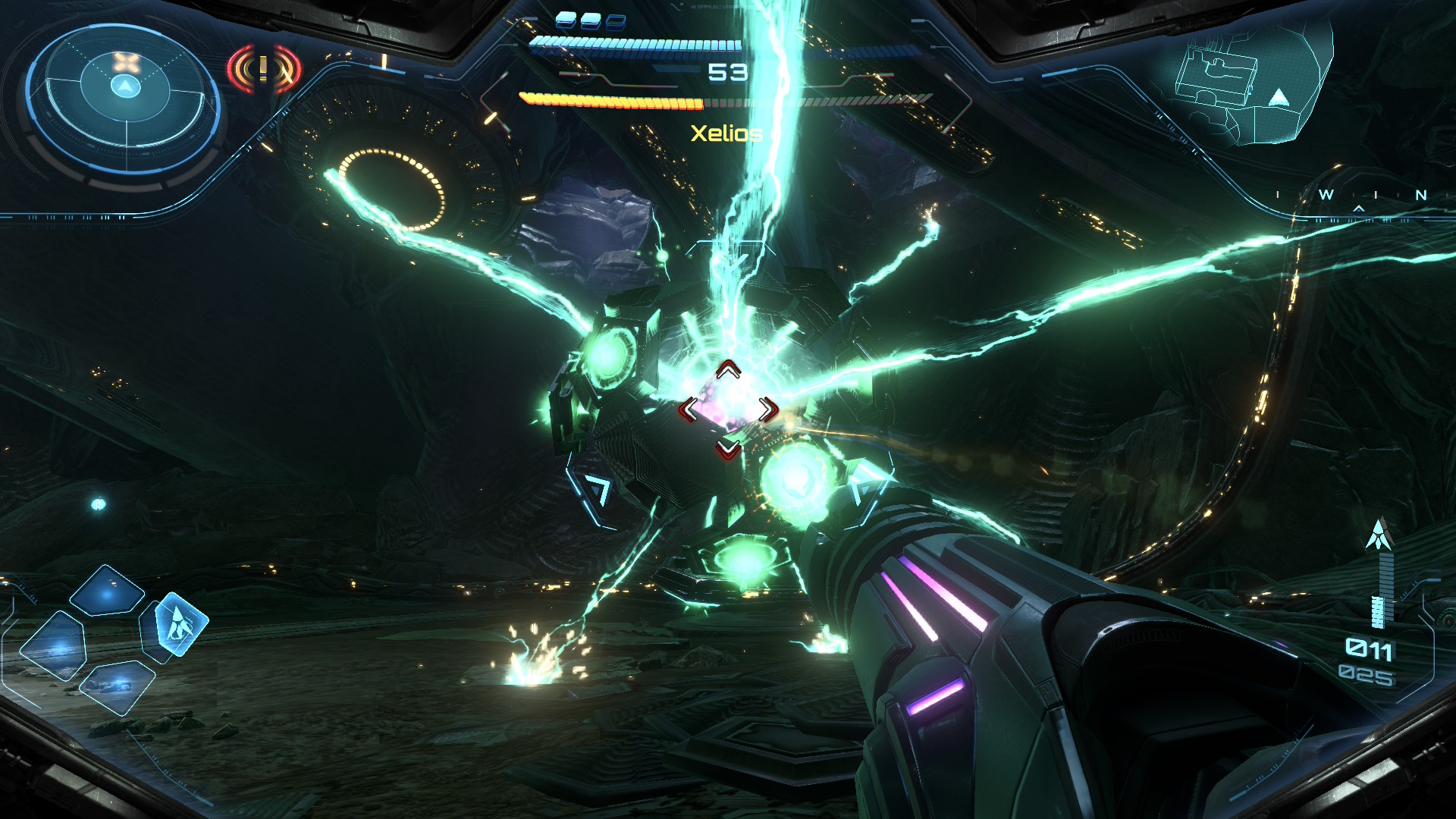
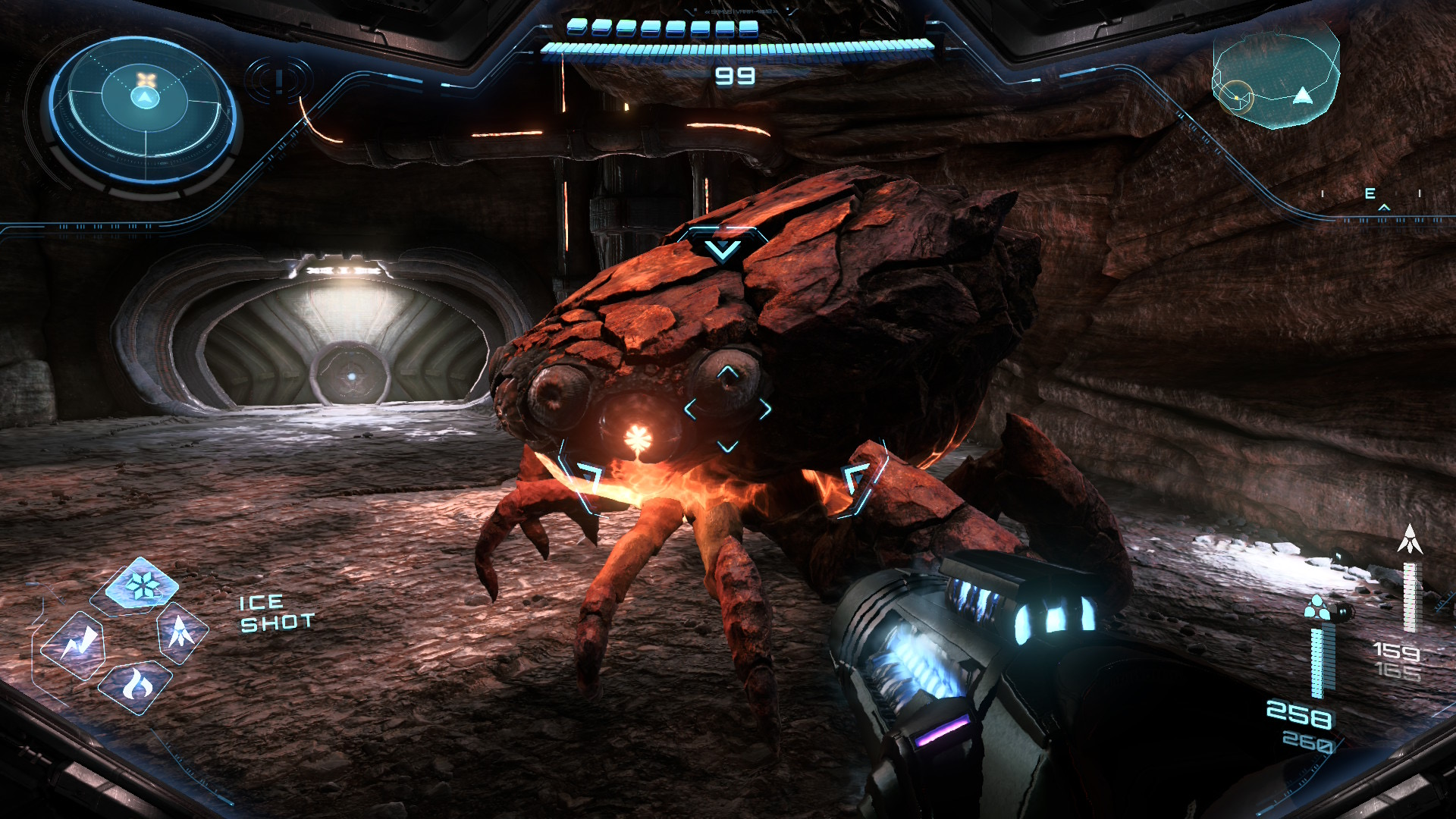
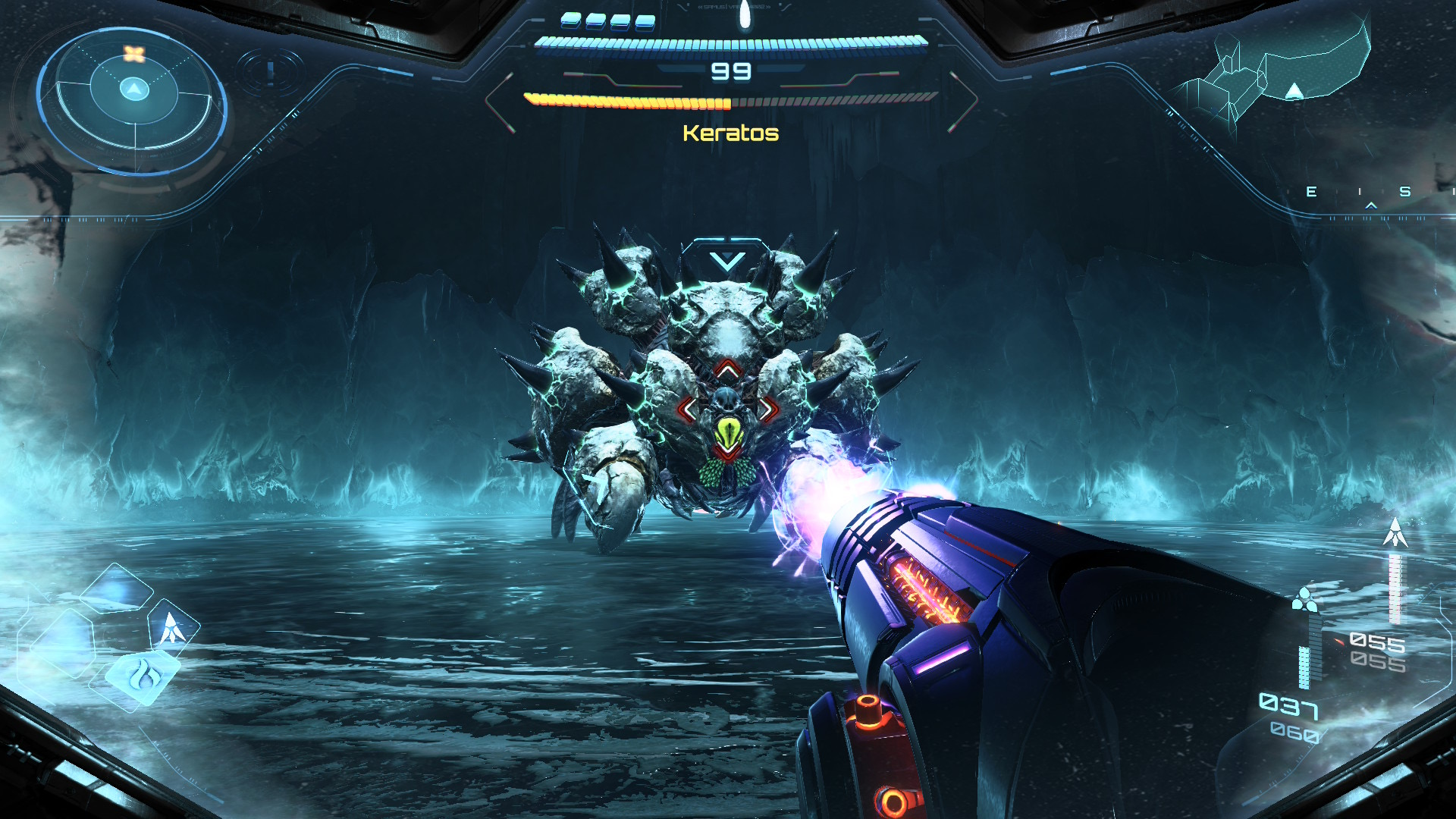
There’s points where this game just works and still feels like Metroid Prime and it’s brilliant. The first pass through each region when you have the right tools is pretty universally fun and is universally capped by a really good boss fight at the end of the segment. It’s in these places where the game really feels like Prime. You’ve got a little puzzling, a little combat, a little platforming, and a fun upgrade somewhere along the way. All of this is backed by it running at 120 FPS on Switch 2 and a modern refresh of controls courtesy of the Prime remaster to really support a better overall game flow than on the Gamecube. The problem is that things beyond the core didn’t really work out well.

Some of these things are small. For example – mouse controls. This is something that should have been dead simple. Implement the mouse like a mouse that exists on PC and FPS fans understand and has 30 years of working examples. Except they didn’t do that. They virtualized the Wii pointer controls – which were good when you had a physical object you were pointing and called it a mouse. You don’t mouse to turn, you mouse to push the cursor to the screen edge to start turning. Within the screen boundaries you’re basically moving a cursor. It is not mouse controls and it does not work well like it does on a Wii Remote. This is something that any PC FPS developer would point at and go “this is not right” and fix immediately.

But then there’s larger problems like the fact that this doesn’t do the Metroidvania thing well. The only times that I bothered to backtrack were the couple of times that I physically could not get into a zone because of an upgrade blocker. Both times it happened were particularly annoying because the game started by saying something along the lines of I can do things “in the order I want” only for that to be immediately obvious bullshit. I would spend 5 minutes trudging across the desert only to hit a blocker where it then becomes obvious that I needed to trudge 5 minutes in a different direction to a zone that had the upgrade I actually needed, at which point I then needed to trudge 5 minutes the other way to base camp to get the upgrade since it was provided as a data card.

Beyond those kinds of “oops” incidents, I really didn’t do any re-traversal or backtracking. I kind of went through each of the 5 core zones once – except for a couple very particular quick trips back to the electric area for short segments. There just isn’t really any pull in the game for me to go back and collect all the upgrades because they just aren’t overly necessary, and there weren’t any core upgrades that really required you to do anything other than the linear first-pass through zones.

And then there’s the largest problem of the open world changes that just did not work out. There’s multiple things that went wrong with this whole segment of the game.

One of them is the collection mess, where the player is required to collect a bunch of green crystals scattered about to get to the final boss fight. You do eventually get a green crystal radar, but the point at which I got it was after I had already gotten to about 80% of crystals collected and finished the rest of the game and was literally trying to just wrap the one specific section. It’s boring, tedious, and too long to be something that blocks progression.

The other thing is that general gameplay in here is just not that compelling. There’s occasional combat, but it’s against the same three or four enemy types so they wear out their welcome rather quick. There’s some upgrades that you can find in little shrines but compared to other open world Nintendo experiences like the latest two Zelda games they don’t come close to the same quality bar. There’s some optional story bits with the NPCs that you see in the game, but you stumble upon them so they are purposefully disconnected from core plot and don’t have a real push behind them.

The final nail in the coffin is then just how big the desert is. The thing that made the original Prime trilogy work is that everything was interconnected and getting between zones was relatively fast, but also that you could find new stuff and new shortcuts with the upgrades you just found. The desert completely breaks that. It’s just open so there’s no real blockers to unblock, and because it’s open it’s not fast to get around. Any need to get across the desert is just slow garbage time. I finished the game in around 10 hours, but it was pretty clear that compressed down without the desert this was a much smaller game than the original trilogy. The fact that there was no fast travel option – at least to get back to the hub – was a pretty egregious omission that would have at least resolved some of the issue of needing to get around and encouraged me to hop quickly back to other zones to check for new things.

I guess at the end of the day this is a game with problems. It’s not an unplayable mess, and the core gameplay within zones really is a lot of fun, but it’s just surrounded by things that prevent the game from reaching the heights of previous Prime titles. The team mentioned that given the extended development they chased gameplay elements that both didn’t work out and had already soured in the wider gaming community, and it’s pretty clear that this was just finished to allow the team to move on to better things. I hope that Retro gets a chance at a Prime 5, because the combination of quality in Prime Remastered and the technology that they have in place for Prime 4 show that the team is probably now ready to stretch its legs on the series again after having to rebuild, but this is definitely an unfortunate stumbling block along the way.