Game Ramblings #173 – Final Fantasy XVI

More Info from Square-Enix

  • Genre: Action/Adventure
  • Platform: PS5

I was thinking about Final Fantasy XV a lot while playing this game. Not because they’re at all similar in gameplay – because they completely aren’t – but because they shared one thing in common in my head. They’re both glorious clusterfucks that I simply could not stop playing and ended up one of my favorite games of late. I can’t necessarily explain well why that is, but the game kept its hooks in me despite what are some fundamental problems with the overarching game.
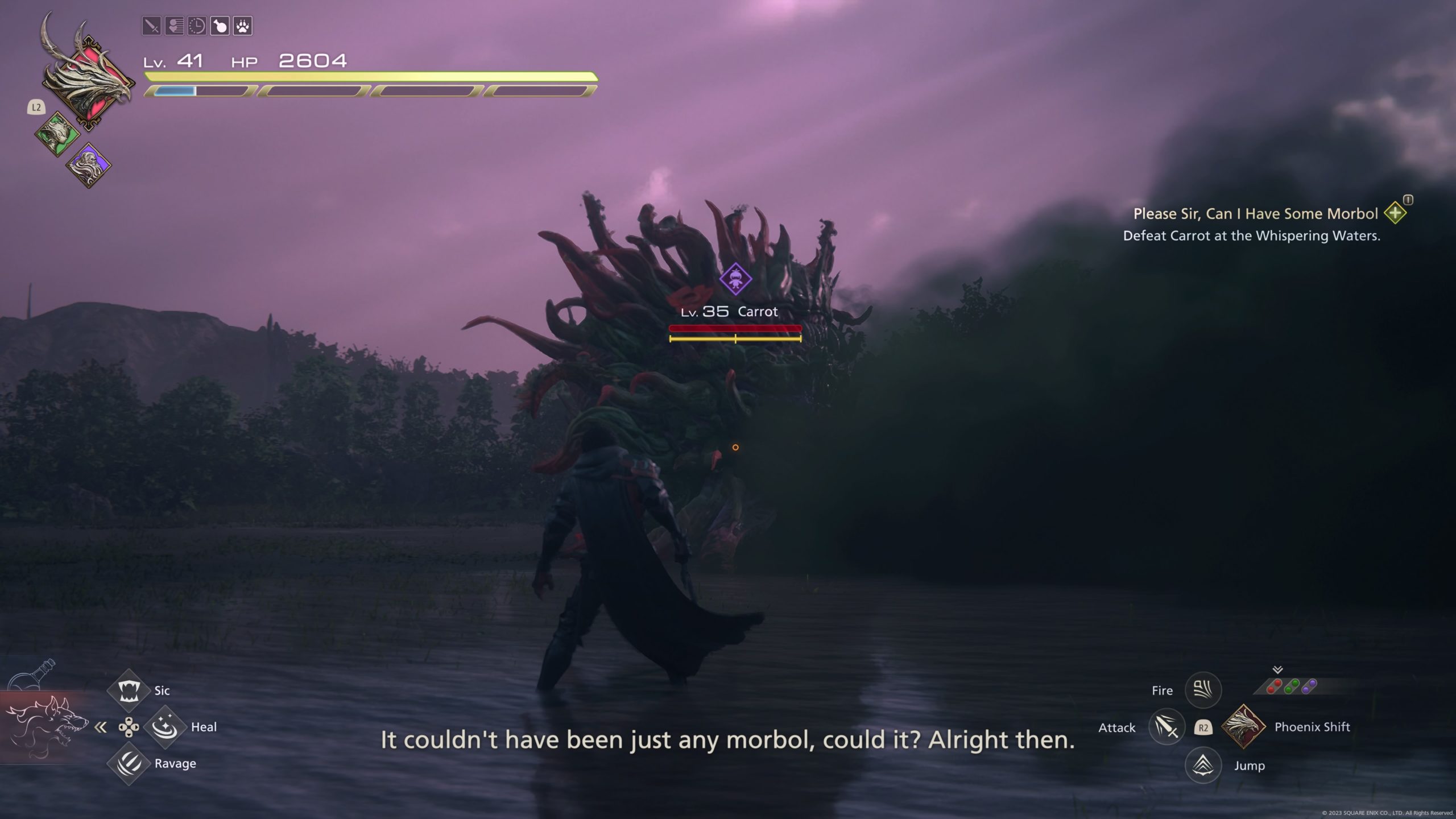
It’s obvious at a glance that this isn’t your normal Final Fantasy. It’s distinctly not a JRPG. I would argue that despite it having leveling and gearing and stats, it’s not even an action RPG. None of that stuff actually ended up mattering to combat. What it is to me is a pure action game. It’s a weird blend of Bayonetta and Devil May Cry, which makes a lot of sense given members of both teams were involved, where neither side of that equation really wins out. That’s where the problems come in.

The DMC side is evident in the way that overall combat flow works. It’s heavily combo based with a strong emphasis on defensive parry and dodge mechanics to minimize damage. Overall this works very well. Enemy tells generally pretty obvious without being too easy, though overall there isn’t enough of a penalty for failing to avoid damage. There’s mechanics in place to stun enemies that really encourage smart use of your entire toolset. There’s a good mix of secondary abilities that allow you to modify your combat style to your preference, ranging from gap closing teleports to shields to elemental abilities that further help stunning. However, the combo system overall doesn’t have much depth, so it fails to live up to the full potential of DMC.
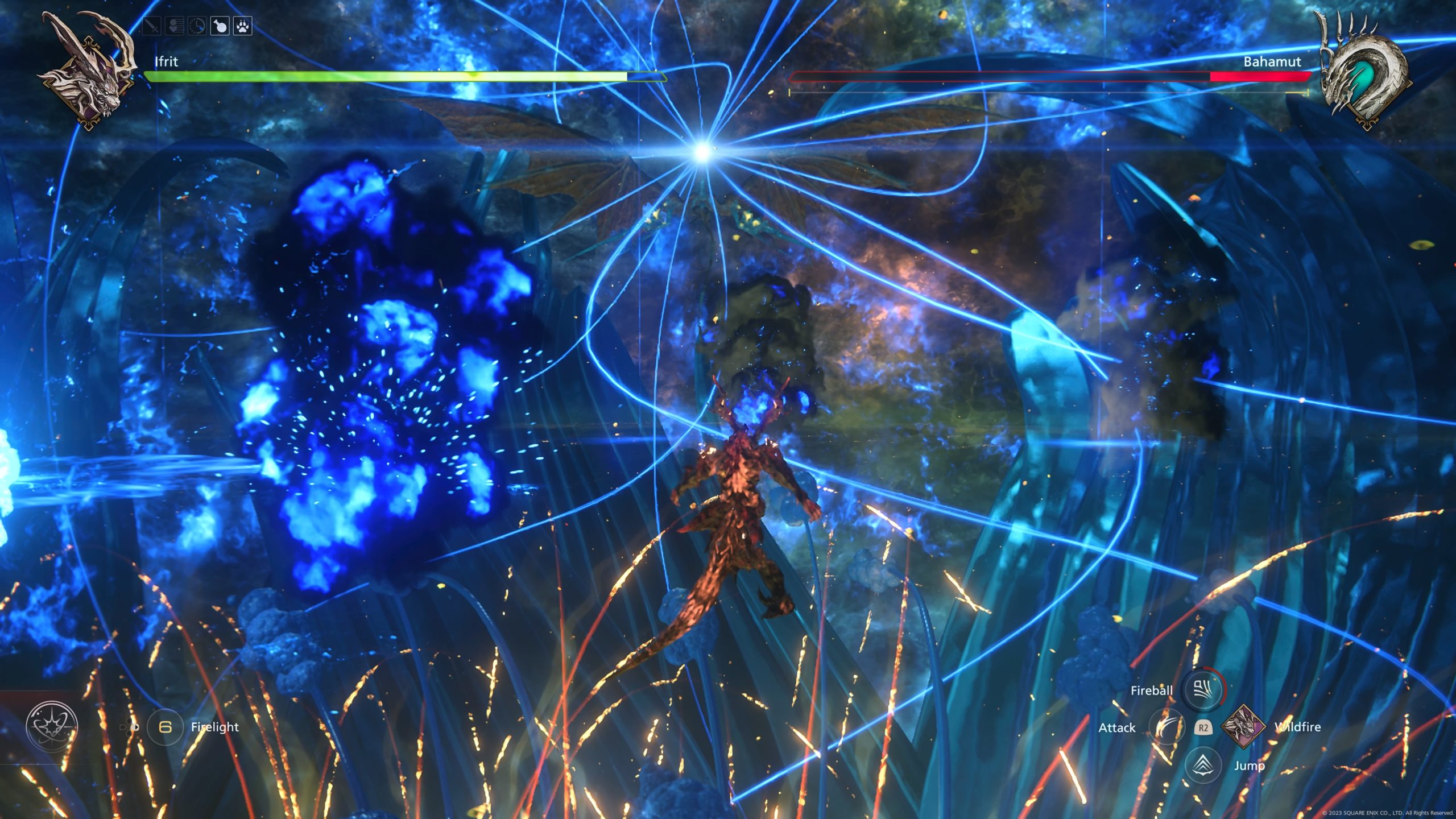
The Bayonetta side comes in during the very obvious set piece boss fights. Parts of most boss fights are traditional combat, but more often than not at least half the fight is a basically impossible to lose set piece where you’re fighting things of ridiculous scale. Those are the kaiju-style fights that were seen in a lot of preview footage. While they are ridiculously easy, they’re so exciting and visually spectacular and completely over the top that it really doesn’t matter that you can’t lose. It’s worth it for the experience of the fight, and in my brain was easy to rationalize away as the reward of getting to that point. However, because the game is fighting against the needs of the other systems, there simply aren’t enough of them. Their timing is predictable, but the time distance between them means you don’t get the pace of excitement of Bayonetta.

The traditional Final Fantasy side comes in leveling and gearing and side quests. Side quests (both NPC-granted and in the form of special hunts) is the way that you get materials to create the best gear. However, the NPC-granted quests at least are generally just in the form of boring fetch quests, so unless you’re a completionist there’s very little reason to want to finish them all. Leveling and gearing is gears at the inclusion of stats, but none of it ever felt impactful. Obviously by end game I had gained a large amount of stats in both to have an impact on my power curve, but the progression of it through each upgrade was so small that it was only the totality of it that felt important. Trash and bosses at the beginning of the game took about the same amount of time to kill as at the end of the game. If they’d have had a flat power curve and completely depended on player skill to get through the end of the game, I don’t think the experience would have been diminished.
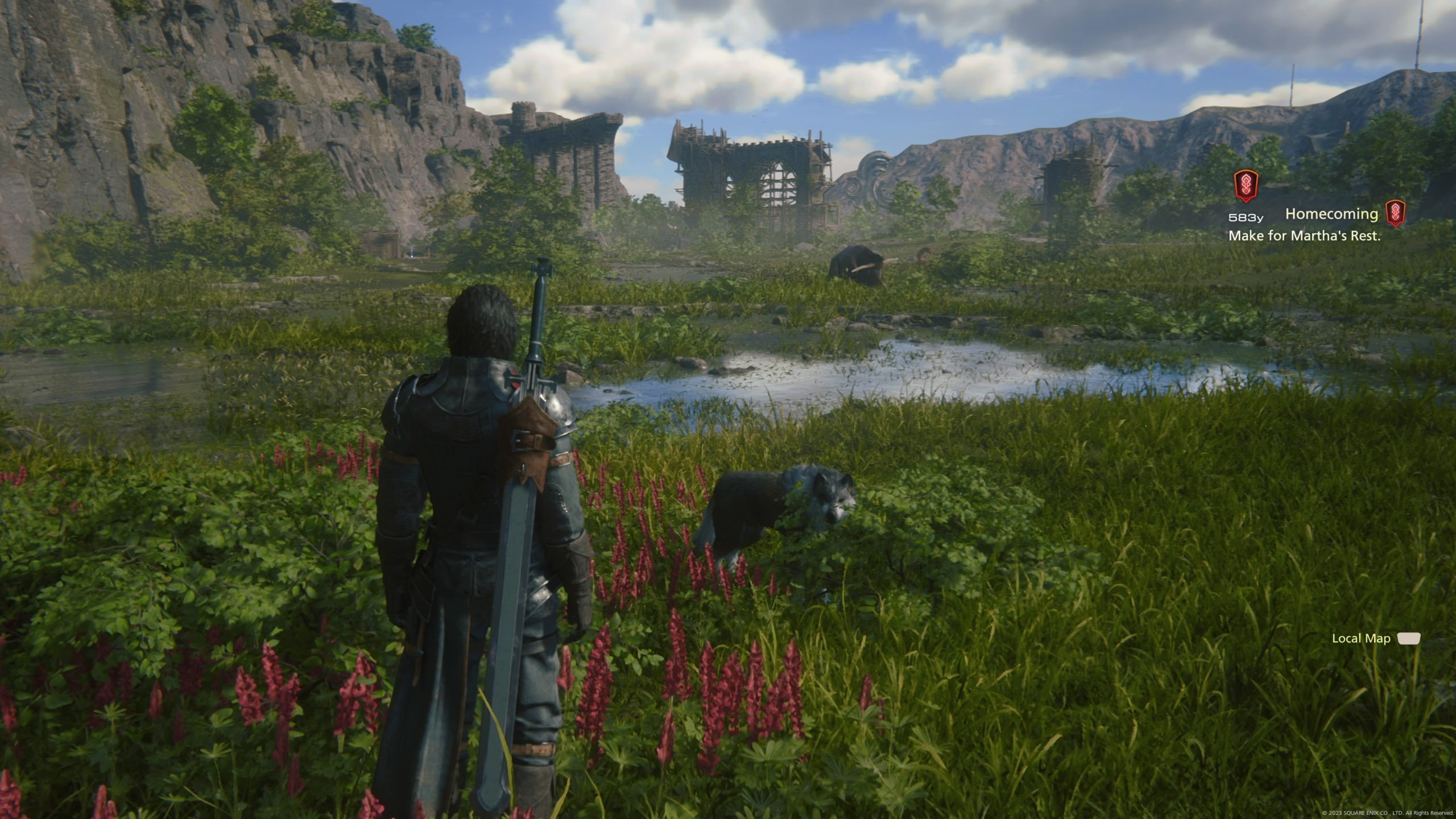
I know reading that it probably seems that I shouldn’t have liked the game that much, but I really can’t explain why I ended up absolutely loving my time with the game. There’s an inexplicable pull to moving forward in the game that I can’t explain beyond it being one of those magic “good game” things. Trash was just fun to fight, despite having done it 1000 times before. Bosses were so spectacular that I wanted to see the next one. Exploring the way I could integrate new elements into the way I fought was interesting enough despite not having a ton of depth. If there’s really one criticism I would point at, it’s that I think the game wouldn’t have suffered from slimming down the side cruft and making it more linear of an experience. The core that is there is fun enough that it didn’t need the hamfisted smashing in of traditional Final Fantasy, because it just didn’t need it.

If there was one part that really missed for me though, it was the story. It’s not that it was bad, but it just felt underdeveloped. The whole bearers hatred in the game was an obvious attempt to hit on racism without actually tackling racism as a subject. It wasn’t even handled poorly, but felt kind of pandering to be doing a racism-focused story in 2023 where the focus of the racism could easily hide in their society. It probably didn’t help that a lot of the acting was pretty stiff, which may be an English problem but was kind of noticeable. The game also just ended at the end. This is unfortunately common in a lot of games, but wish that more games gave me a solid playable epilogue so I could at least see some of the results of what I did, rather than just leaving it to the imagination. I want to see the effect my actions had, and it feels hand wavey to the max to just end. The story just ended up being fine, which wasn’t really up to the spectacle of the rest of the game.
It’s likely to go down as one of the most controversial games in the Final Fantasy series, simply due to its departure from the style of the past, but I think Square has made a good decision here in reestablishing that Final Fantasy are at their core extraordinarily well produced games of any style at their core, and not just RPGs that have stick to a set of conventions to get by.

Game Ramblings #27 – Final Fantasy XV – DWGames

I said that at the end of my ramblings about Final Fantasy XV, and boy could I not have imagined how much further they would have gone with the next game in the series. This is an even more spectacularly far departure from the past, but I think it still holds true. Final Fantasy is where they show what happens when they put their whole studio effort behind a title. It may not be what everyone wants but the result of the effort is evident. The game is obviously the combined effort of Square pulling together members of a white variety of games and the result is something completely wild. This is a game that is a glorious clusterfuck, but it’s a game that I could not put down and it’s a game that I easily recommend.

Game Ramblings #172 – One Piece Odyssey

More Info from Bandai Namco

  • Genre: JRPG
  • Platform: PS5
  • Also Available On: PS4, PC, Xbox Series

I kind of played this one on a whim. I’ve watched some of One Piece here and there so I was familiar with the series, but I wouldn’t call myself exactly a fan of it. However, I am a sucker for JRPGs and it fit well within that. What it ended up being was a game that I enjoyed far more than I expected because of decisions they made around their core combat that really worked out to the game’s benefit.

This being a JRPG, the combat had to be good to make it worth playing. The series that immediately came to mind here was Shin Megami Tensei/Persona. It didn’t have that complexity, but the core feeling is there. The entire combat loop is around exploiting weaknesses to maximize effects. There’s the core unit type, which is a rock paper scissors mechanic that applies to most attacks. Most of the units then have some elemental attacks (ex: Nami has lightning, Sanji has fire, etc) that can be an additional layer of weakness against some units.

While this doesn’t have the same turn skipping functionality of the SMT series, the end result is similar due to the balance of the attacks. Simply put, you want to take advantage of these weaknesses because it’s effectively double damage. In SMT you’d add turns by attacking weaknesses, thereby getting you through more enemies safely. Here you’re just nuking enemies, again getting you through more enemies safely.

The other place this comes into play is with the regeneration of TP – this game’s mana stat. Most of the high end special attacks take up a significant amount of the player’s TP to the point where 3 or 4 attacks with them will often drain the entire TP pool. In a typical JRPG, I’d probably just hold onto those special attacks until a boss fight rather than spamming items to get the resource back. However, in this game TP regenerates on basic attacks. Because of this, you’ll often want to nuke as much stuff using AOE on turn 1, then finish off fights to regen TP as you mop up the rest of the enemies. Against bosses, you’ll do a bit of a back and forth where you go back and forth between heavy damage and regen phases, or in the case of the healer you spend time trying to determine when it’s the best chance to heal vs. regenerating TP to avoid running out. It’s another good way to really tie combat together.

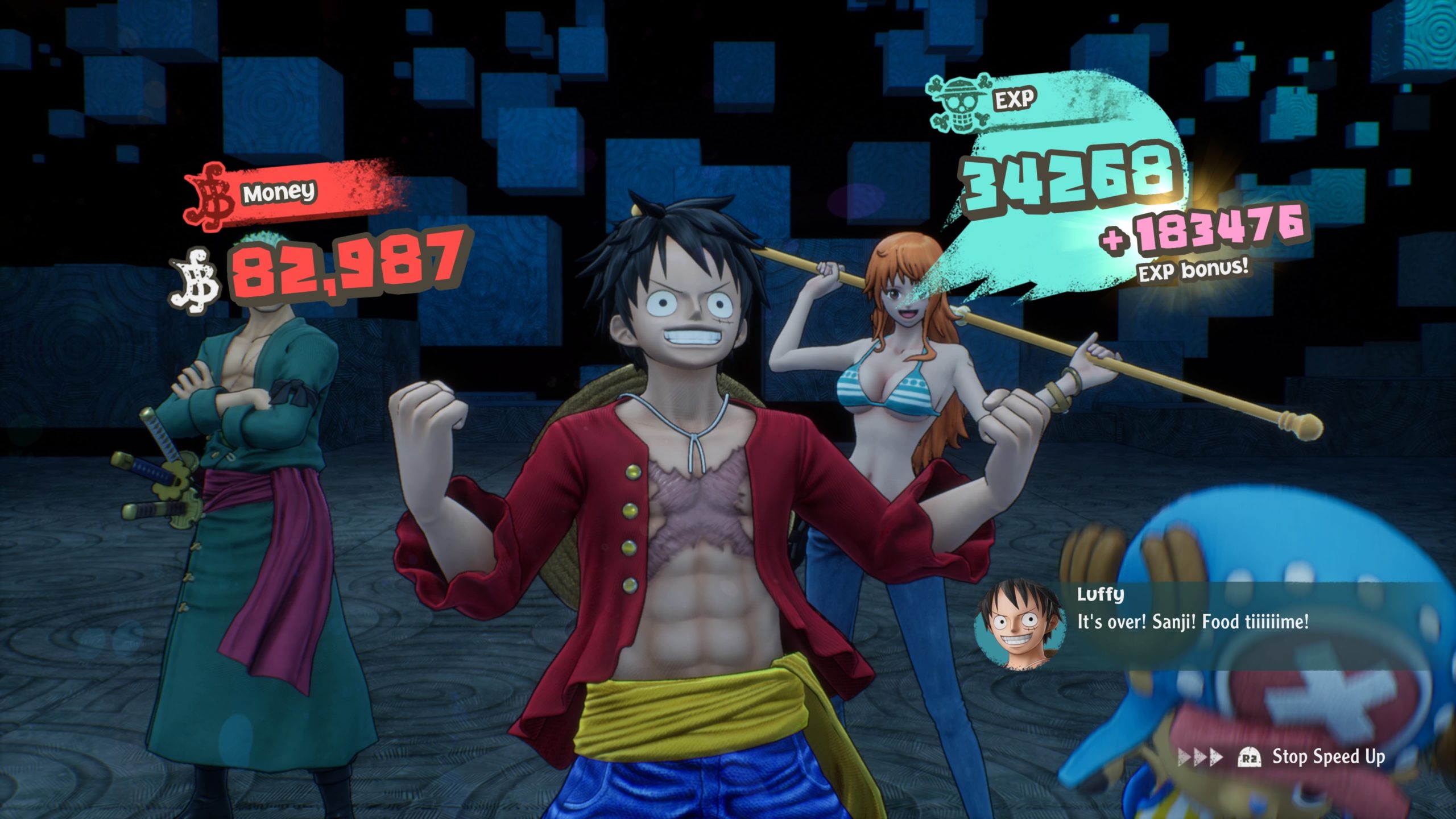
The second piece of combat that I found smart was their use of a bonus XP mechanic. The short version of this is that a lot of fights ended up introducing some small mechanic to throw off the balance of combat – could be something like kill strengthened enemies before someone in your party dies, kill an enemy before it uses a strong attack, use a specific person to finish a boss, etc – that grants bonus XP if successful. The thing that threw me off initially is that this gave a ridiculous amount of XP, often being 400-500% of the XP of a fight. It seemed exploitative. However, over time it became clear to me that the balance of the leveling curve was actually built around achieving these to avoid grinding.

What these things do in practice is really just throw off your patterns and make combat more engaging. Yes, the enemies end up being the same as in many fights, but having to switch gears to figure out how to get people into the right position to clear out groups of specific enemies fast is fun. Having to figure out how to get just the right damage to make sure the very specific person kills a boss on next attack is fun. Having to suddenly have your party focus on something they may be weak to to get bonus XP is fun. It’s small constant tweaks to the core combat that make things just different enough to reduce repetition in a genre that is typically bound to repetition.

The final piece that just worked nicely was party hot swapping. During combat you can swap party members at any time as long as they have not yet attacked in the current turn. This could include just switching where party members are on the field, but it also includes swapping party members in from the reserves. It extends to hot swapping out party members that get knocked out, which comes in particularly handy against bosses. In practice what this does is always allow you to focus on having the right people in the right spots at all times. You don’t have to worry about figuring out what the best min/max party for an area is, but instead can just focus on having the right people for the situation. It reduces a lot of what is typical party stress in the genre and actually allows and encourages you as a player to try a bunch of different combinations. It results in the entire cast being familiar to you by the end of the game, because you’ll have been using everyone often throughout the game. It’s a smart way to integrate everyone into the experience while still only capping combat to 4 members and really goes against what is typical in a lot of JRPGs.

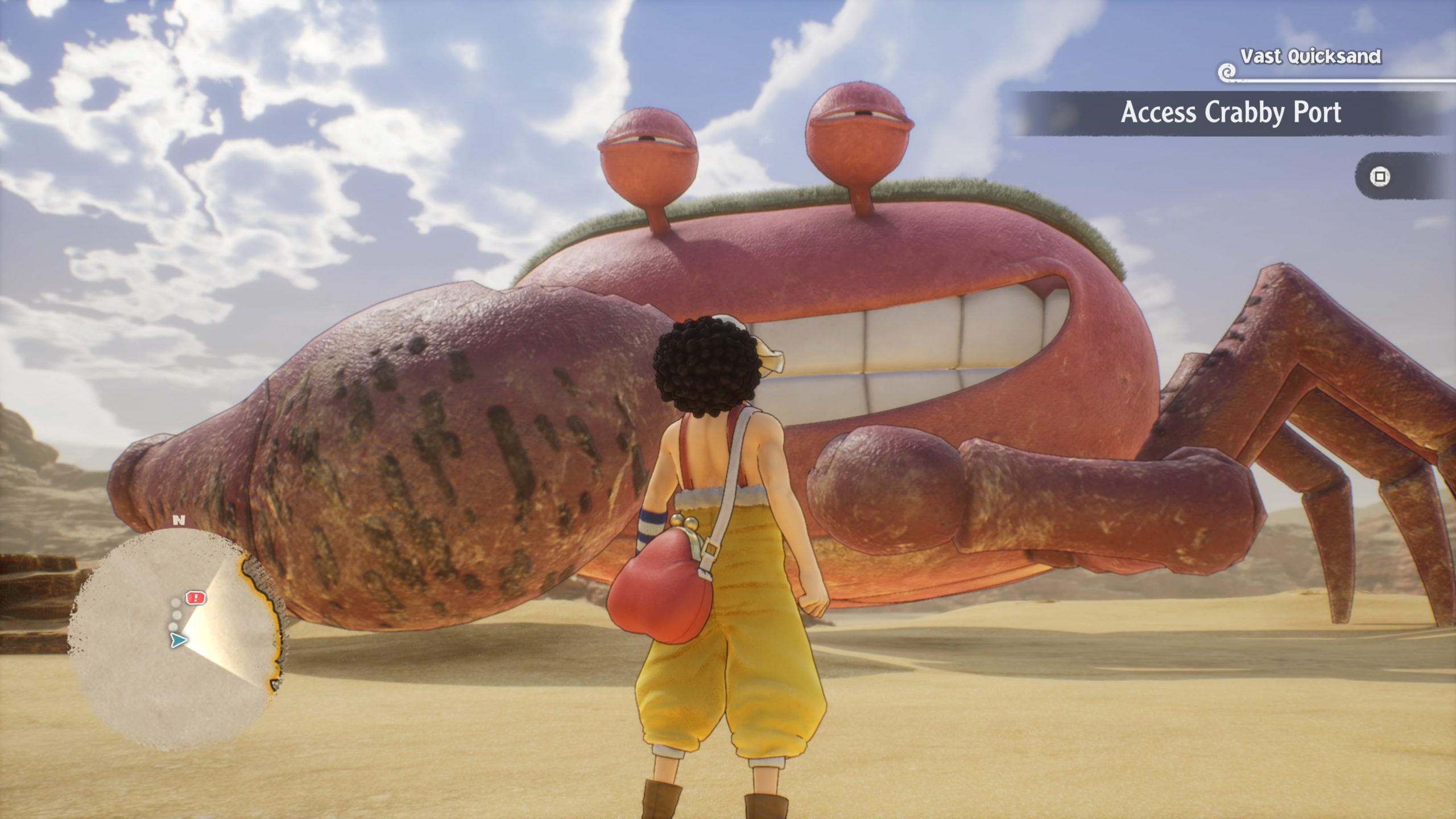
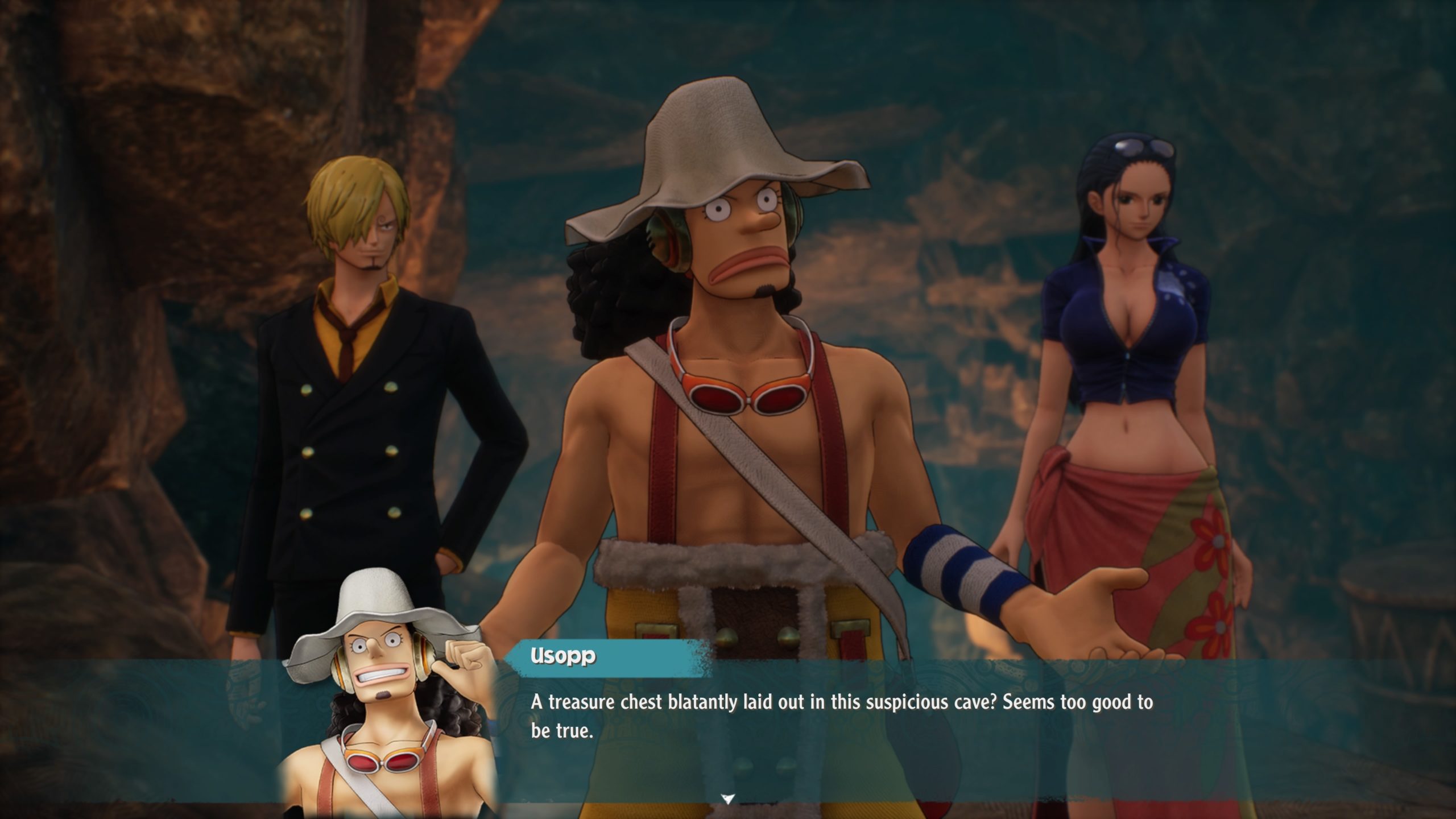
However, where the game nearly lost me was in the stuff that is tied to the narrative. It’s not that the narrative was bad, and honestly I enjoyed it a lot, but it was often forced in a way that didn’t feel right for the genre. There were long segments of 3-4 hours where I couldn’t explore. I couldn’t fast travel. I couldn’t go back to places that I had side quests in. I couldn’t really do anything but stick to the core narrative. In a lot of these places, there was also very little combat as it would often be sections of the game where you’re interacting with people in cities and dealing with One Piece-universe story segments that simply didn’t belong in the overworld.

As a pacing thing, this just felt off. It led to a bit of a weird situation where any time I was given the opportunity to freely run around, I felt like I had to do everything that was optional at one time. I couldn’t just go “ya I’m going to take 15 minutes to screw around” because I would often be stuck. The result of this was that a couple of the longer narrative-forced sections nearly had me shelving the game, simply because I wanted to be given a break to just do anything that wasn’t a fetch quest. This was another thing that felt a bit atypical of JRPGs, but in this case it felt like a negative to the experience.

Overall thought I was pleasantly surprised by this game. I figured it’d fill the gap between XB3’s DLC and Final Fantasy 16, but I ended up enjoying it enough to delay starting FF16 instead. It does a solid job of blending the One Piece IP with a really solid representation of the JRPG genre by borrowing combat reminiscent of Persona while doing a couple things here and there that broke some genre conventions, and it ended up being a better game for it. If you’re looking for something new to check out in this genre, I’d feel pretty good throwing this one out for a recommendation.

Game Ramblings #169 – Haven

More Info from The Game Bakers

  • Genre: RPG
  • Platform: PS5
  • Also Available On: Switch, PS4, Xbox One, Xbox Series, Windows

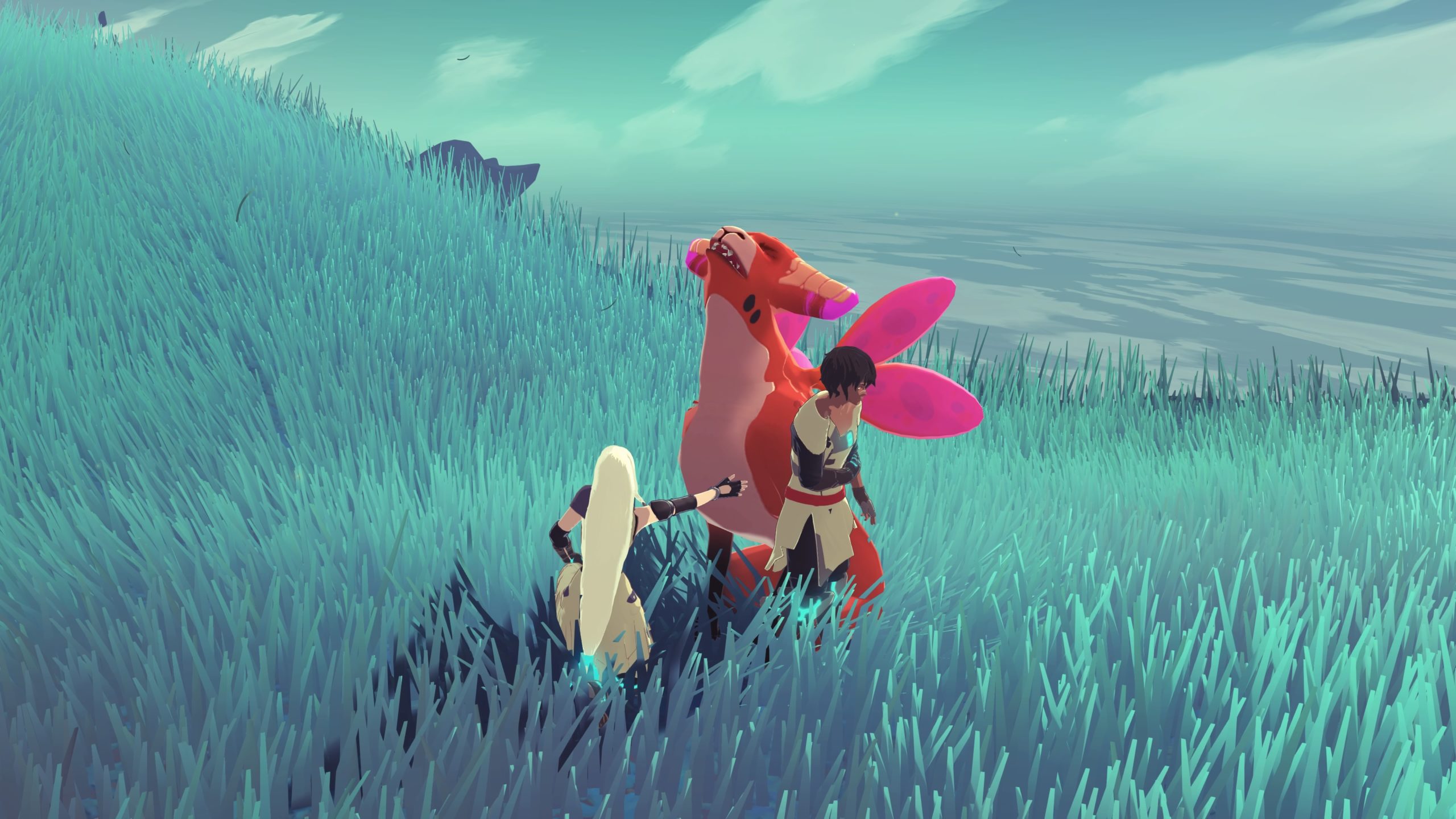
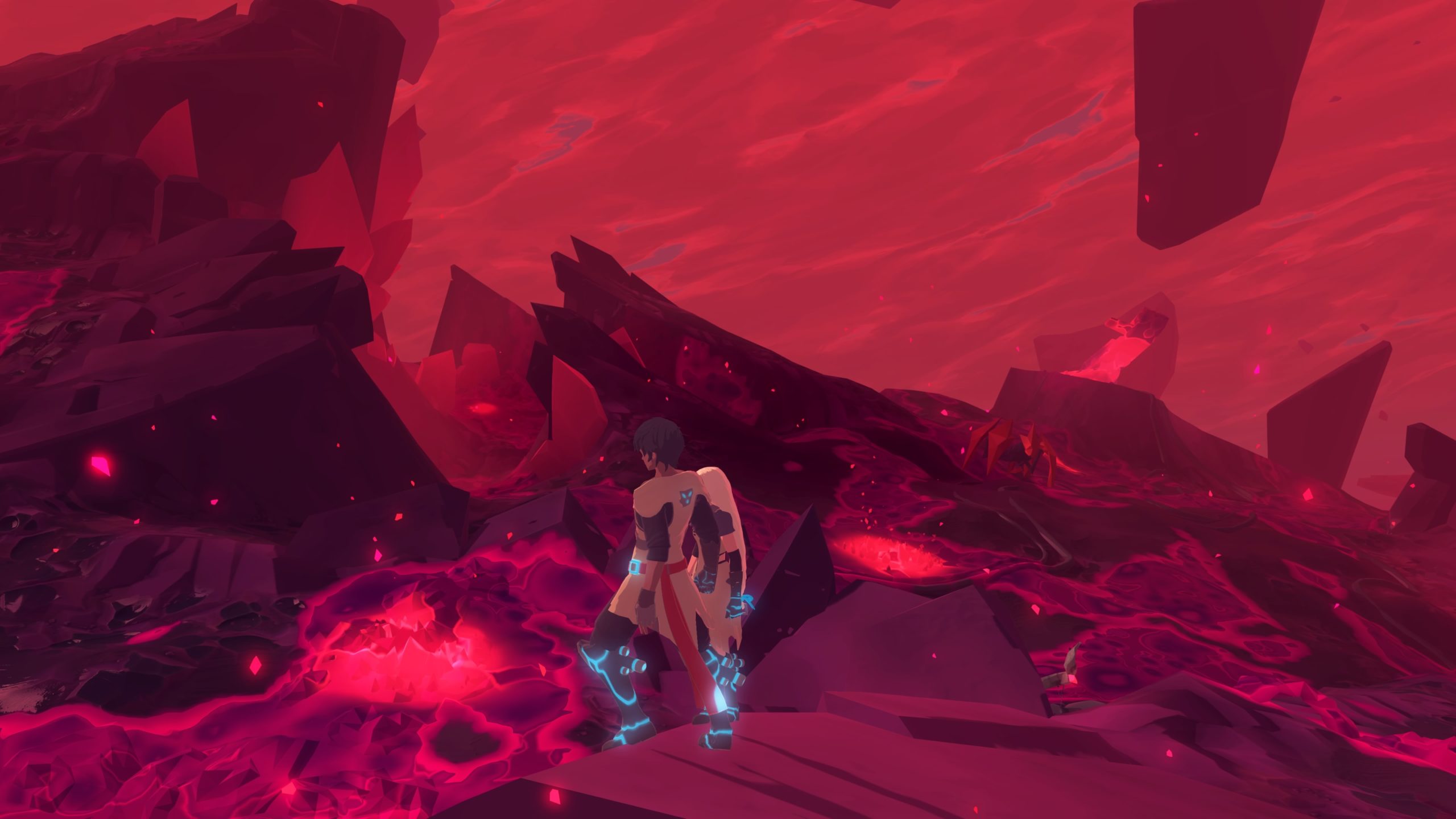
This is a game that for me stretched how far one mechanic could work for me to carry the game. Sure, this game has some JRPG-ish combat. It has a bunch of crafting in place to handle items and upgrades. However, it was the overworld gliding that kept my attention, and oddly that was enough.

Looking at some reviews after the fact, it feels to me like I had the opposite experience of a lot of reviewers. I’ve seen a lot of places praising the combat and saying the overworld collecting was a drag. However, it felt like the opposite to me. I dreaded being in combat instead of just flying around the world – not because it was necessarily challenging, but because it just felt slow.

Combat in Haven is sort of a FF-lite. It’s effectively an ATB-style JRPG turn-based system. You have a couple attacks to choose from, you can combo them with your partner, or you can activate a shield to reduce damage. It works well enough, but you get all of it immediately and it never really feels….different. Every enemy type is basically a system of figuring out which attack they are weak to, recognize when attacks are coming up to shield, and then getting through it. The only real differences between early and late game are that a couple enemies require waiting until they attack to hit them while they’re dazed and most late-game enemies basically require you to always have one of your party members shielding.

As a core combat system it’s fine, but it left me wanting more. I wanted to have to use better strategy to defeat enemies. I wanted to be able to more rapidly mix attack types instead of waiting for the relatively slow attack gauge charge ups. Frankly, I wanted it to be easier to heal my party instead of having to always be crafting bandages and healing capsules at my base.

I suppose that’s another part of the game feeling slow to me. Even with shielding, you end up taking so much incidental damage over time that you have to find a camp or return to base to heal. The game requires you to eat to have the fastest combat pace which requires you to find a camp or return to base to cook. You often find items required for upgrades or plot reasons that require you to return to base to activate. You basically spend a bunch of time just having to return to base, and it all feels like padding for the sake of extending time played.

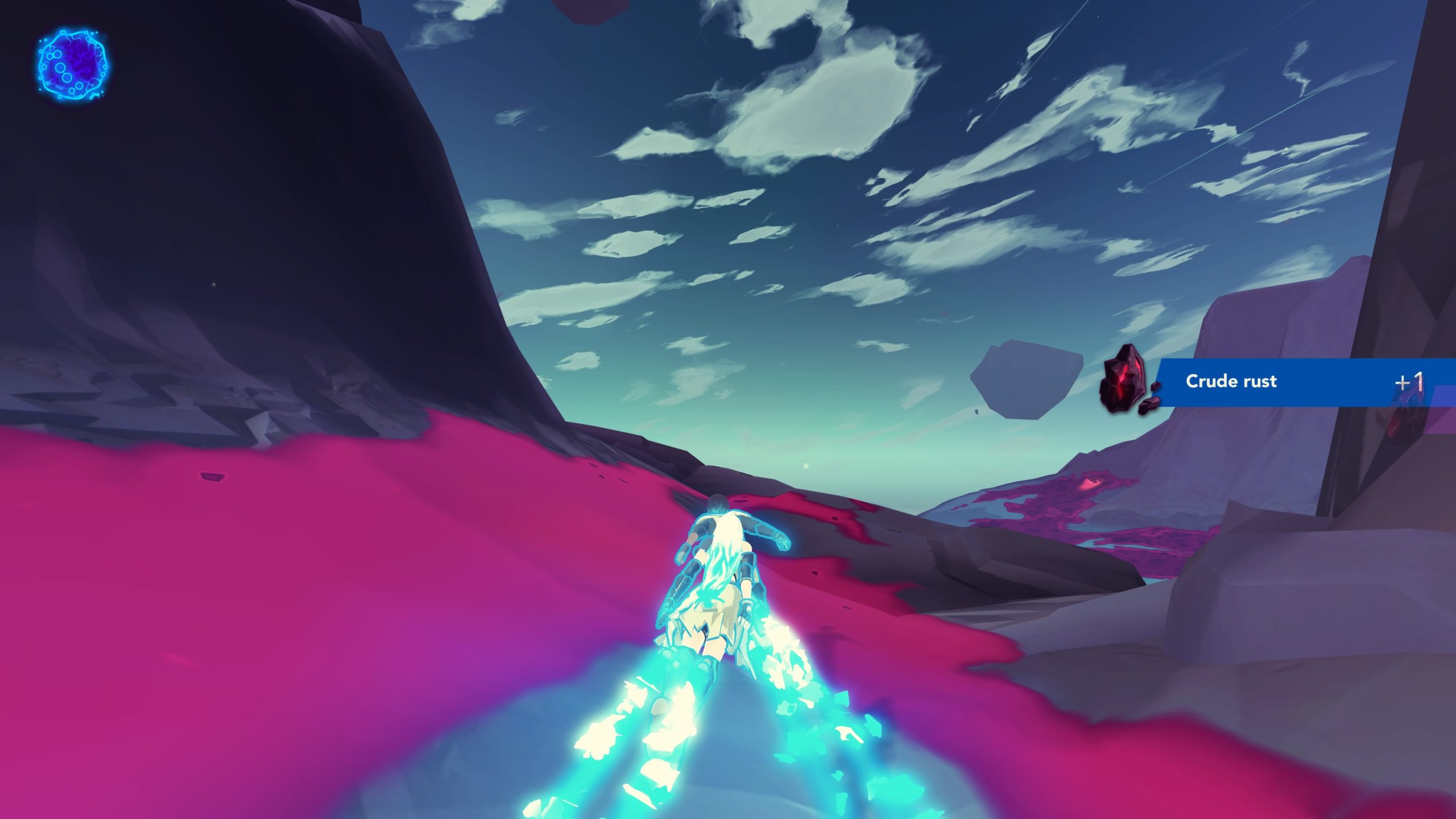
However, I kept pushing because it was fun just to glide around. The gliding is fast, but weighty. There’s a strong sense of momentum when leaning into turns, rather than just turning on a dime. There’s little flow lines all over that have you flying in the air following them that somehow bring on a sense of nostalgia of something like a Tony Hawk game, despite being clearly sci-fi. Some reviewers pointed out that all the collecting was a chore, but I often found it fun gliding around new zones simply to find all the flow lines and figure out where they went. I was having fun for the sake of gliding around, and forward progress in the game was often just incidental to that.

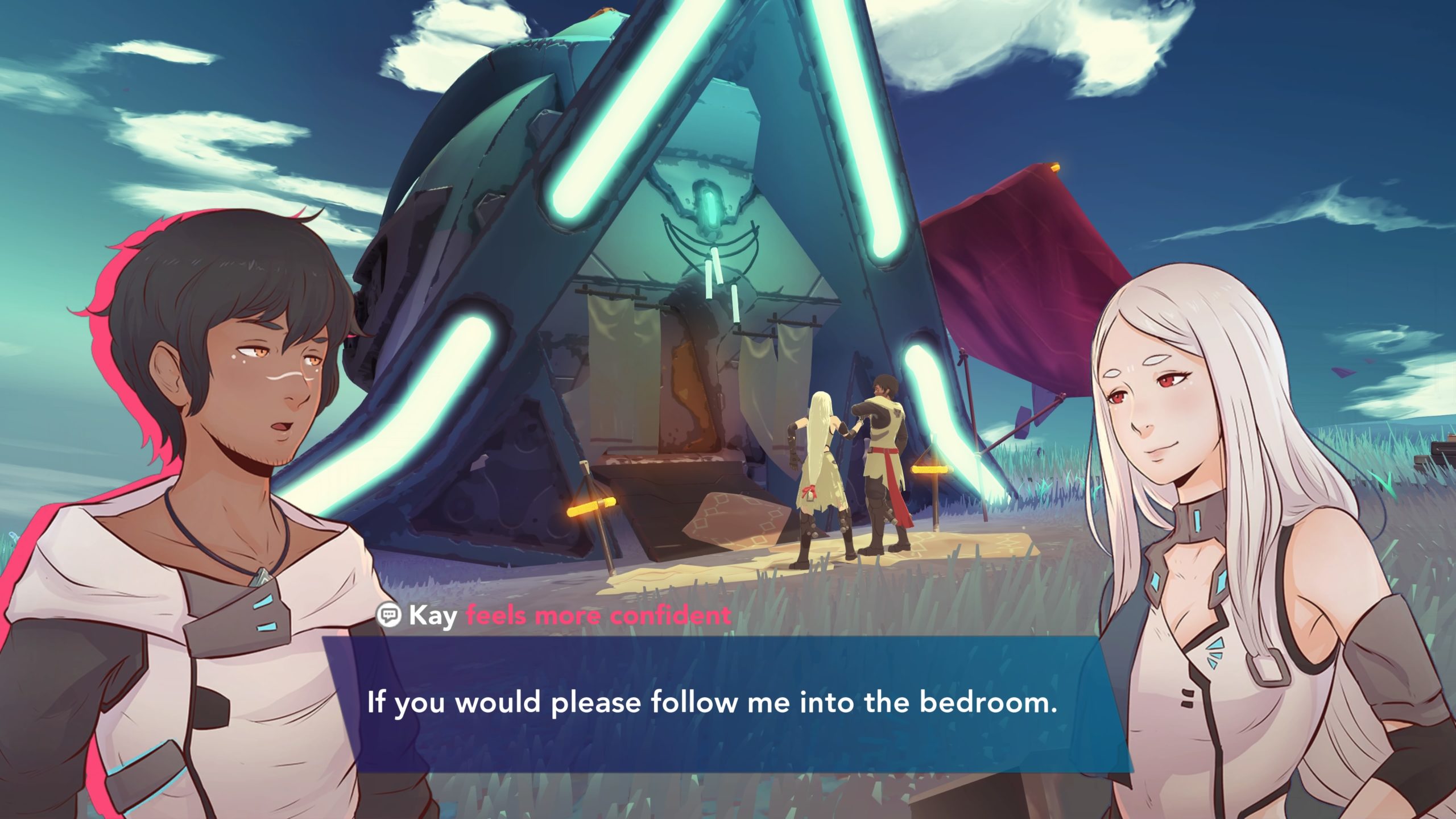
For me, that was enough. Gliding around was fun for the sake of being fun, and the rest of the game was there to happen when it happened. I expect most people will enjoy the combat more than I did and I also suspect that most people will be a little more streamlined with the overworld stuff than I was. So long as you can deal with the fact that story is often outwardly horny, I think there’s a surprising little gem to play here.