Shelved It #135.1 – Fantasian: Neo Dimension

More Info from Square-Enix
Original Ramblings

  • Genre: JRPG
  • Platform: PS5
  • Also Available On: iOS, Xbox Series, Windows, Switch

My previous ramblings about part 1 are still 100% my feelings for the way the first half of this game went. Combat is generally incredibly fun, bosses are solid but can sometimes be a bit one-note, and the visuals work well. I never did get around to part 2 on iOS for whatever reason, but I’d seen some ramblings about it not being as good. I’d seen some ramblings about it having balance issues. I’d seen some ramblings about the open world changes not really working out well. And boy are those still the case.
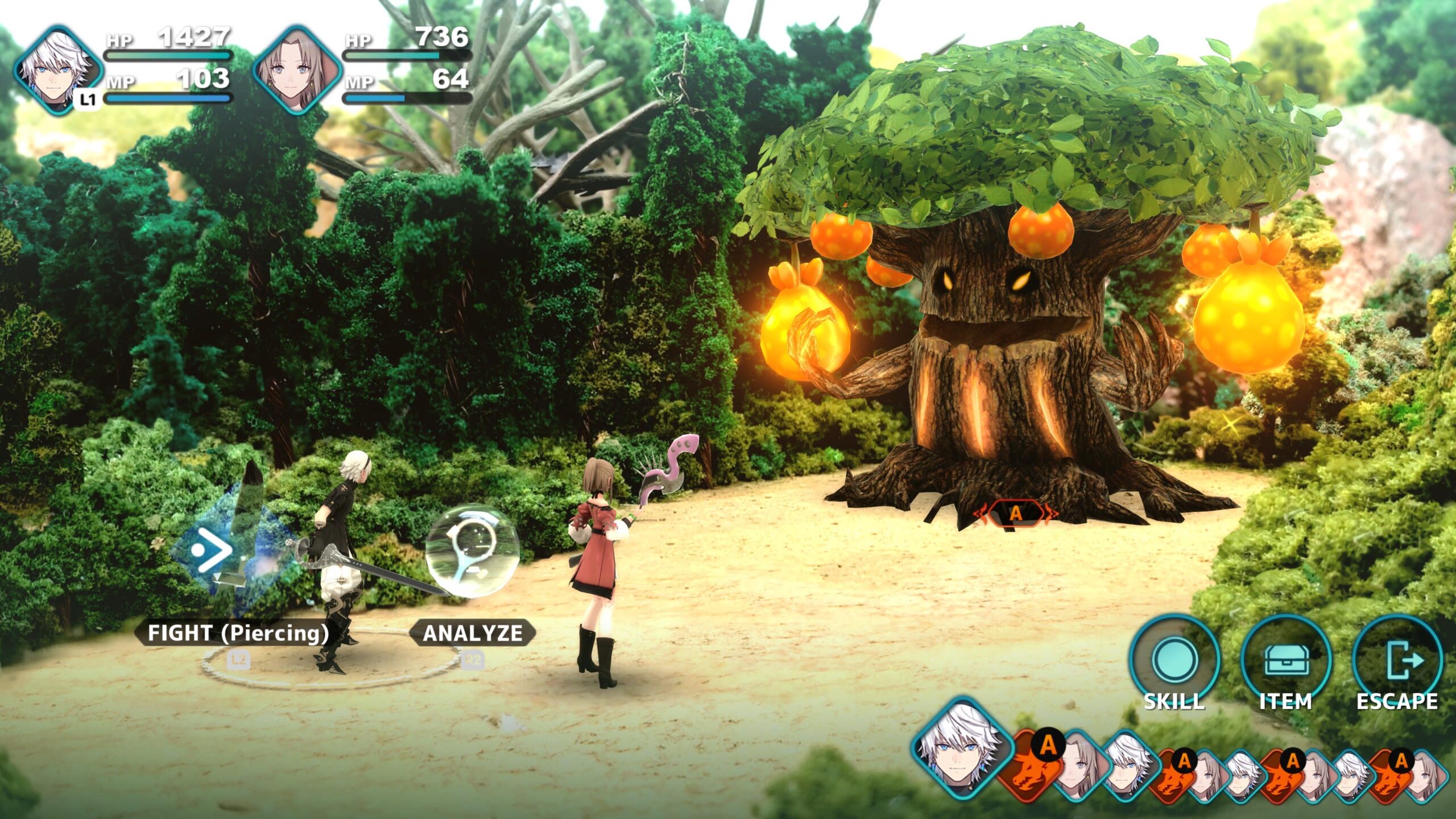
The point at which you transition into part 2 of this game is incredibly obvious because you are just bombarded with new mechanics. The unfortunate thing for the game is that even though this is the effective director’s cut of the game, they couldn’t really fix these mechanics to be present in the whole game because they are so story related.

The first major one of these is the change from a linear game to an open world game. The end of part 1 has you having seen at least most of the major locations in the game, so structurally this makes sense. You’re revisiting old locations for new reasons – finding new items, searching out new people, etc. A lot of the progression through this section feels pretty arbitrary in terms of discovery, but that would be fine in isolation. It just doesn’t work out for the gameplay. Besides going to locations that you’ve already seen and ransacked, you get into awkward mixes of enemies that are at lower levels and enemies that now feel out of place from being high level. It ends up exacerbating what is already some weird balance to really slow down the pace of leveling in a negative fashion.

You are also granted access to the growth map system. This is essentially a skill tree tied to a story-important item for each character. The problem is sort of three-fold here. It feels like it was put in place to address power curve problems past level 30, rather than simply adjusting the power curve of core leveling to be better. It also comes in per-character, so you end up in places where some characters just feel underpowered relative to the rest of the party, relegating them to very specific uses. Finally, the system just doesn’t really give you any points to start with so it’s all based on growth from level 35 on, basically leaving you at an introduction point with no gains. Another mechanic that comes in around this time is gear upgrading. Again, it’s a system that feels like it was added to assist in the power curve above level 30 but because the items tied to the system only come in with the later game enemies and treasures you kind of can’t take advantage of it without grinding. This again continues to exacerbate balance issues.
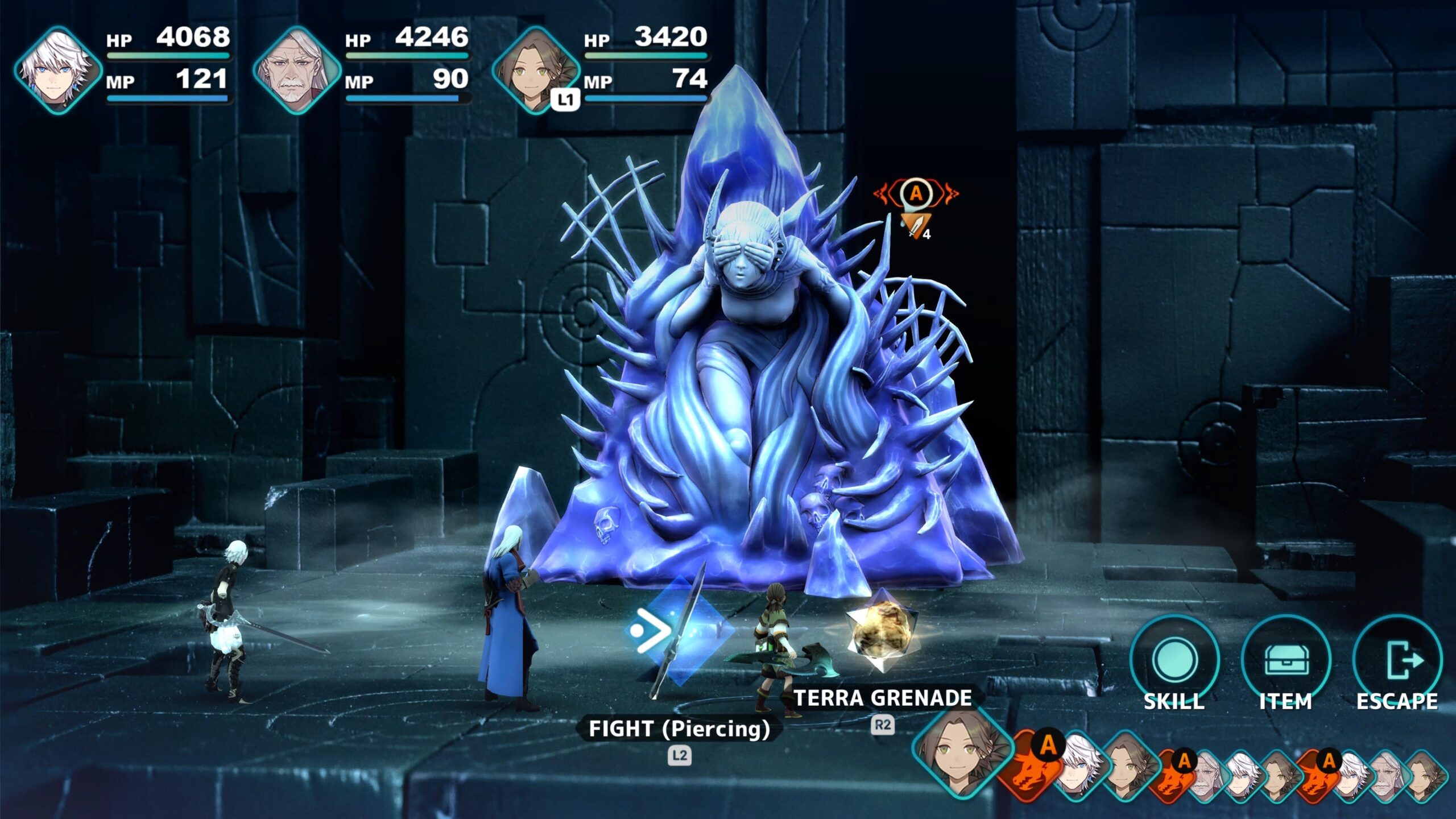
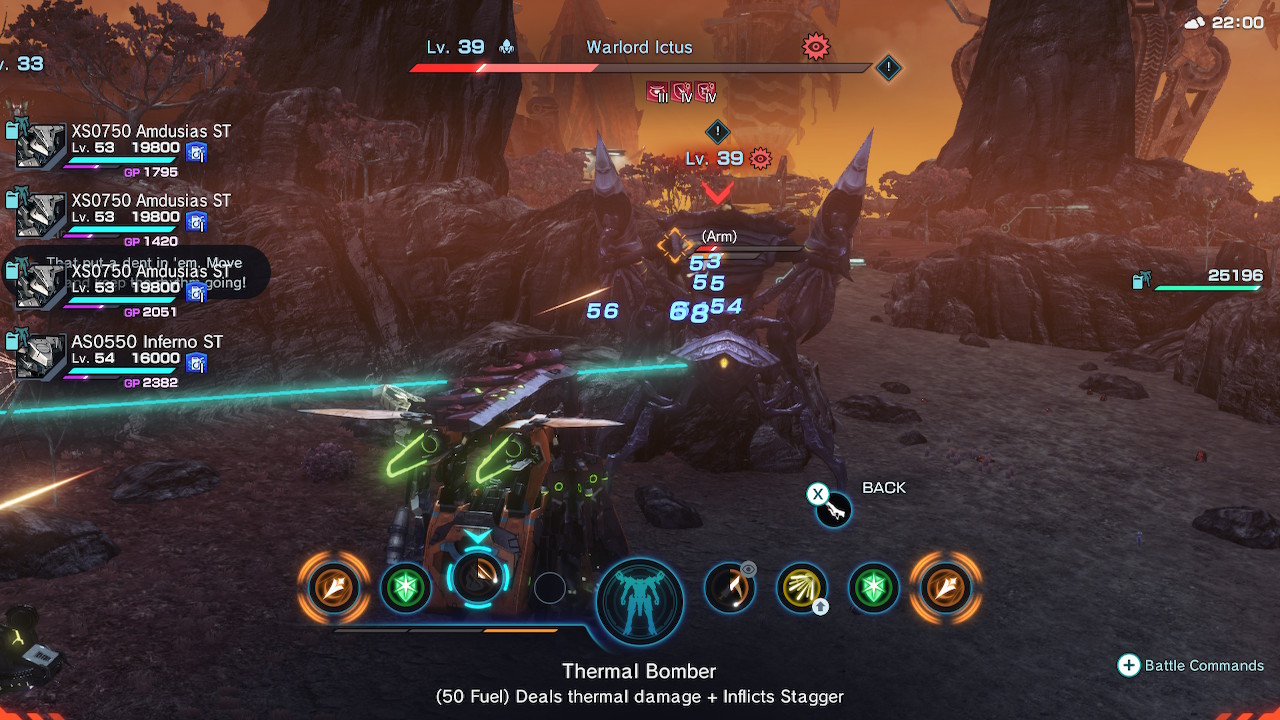
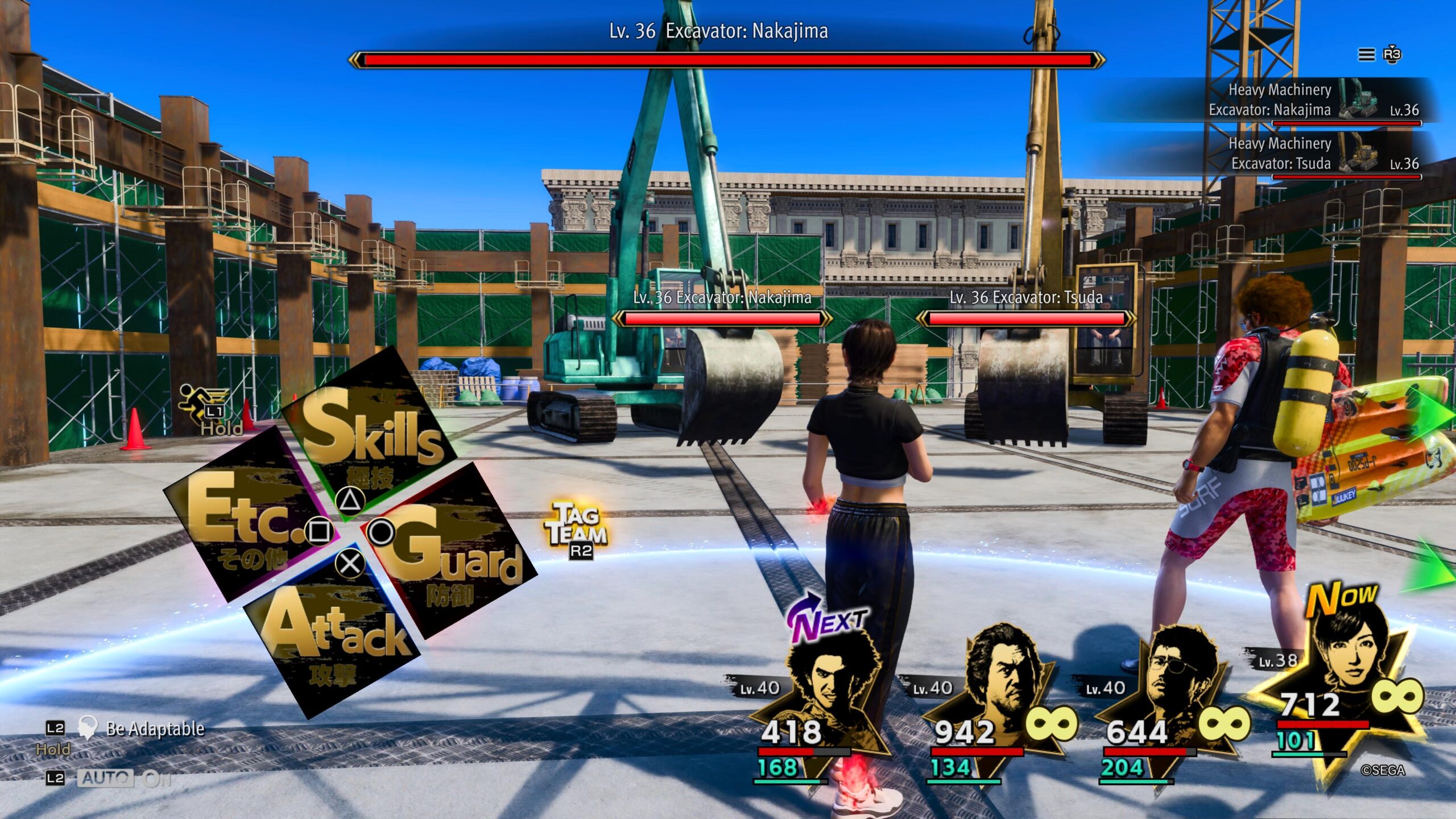
So the thing that keeps coming up here is balance, and that’s tied to one simple change. Once your characters are past level 35, they gain less XP against “weaker” enemies. Again, in isolation this is not a huge deal and a ton of games do things along these lines. The problem as it were is that the levels of enemies in this section of the game just do not correspond to their power. At the point I shelved this, I was around level 40 going up against bosses that were around level 38 and they were doing AoE attacks that were doing 90+% of my health pool to the entire party in one attack. This just ends in a train of healing that is incredibly boring at best and generally just a slow slog to demise at worst. Assuming you then beat the boss, it’s “low level” so you get almost no XP from it. It’s all effort, no reward, and because of this very same system the walk to the boss also earns almost no XP because the trash are similarly low level, so even the fun Dimengeon mass fights don’t feel worth the effort. It ends up making the gameplay incredibly awkward in that you go to higher level areas to grind, then warp back to low level areas to progress the story even though you are “too strong”. It just does not work out.
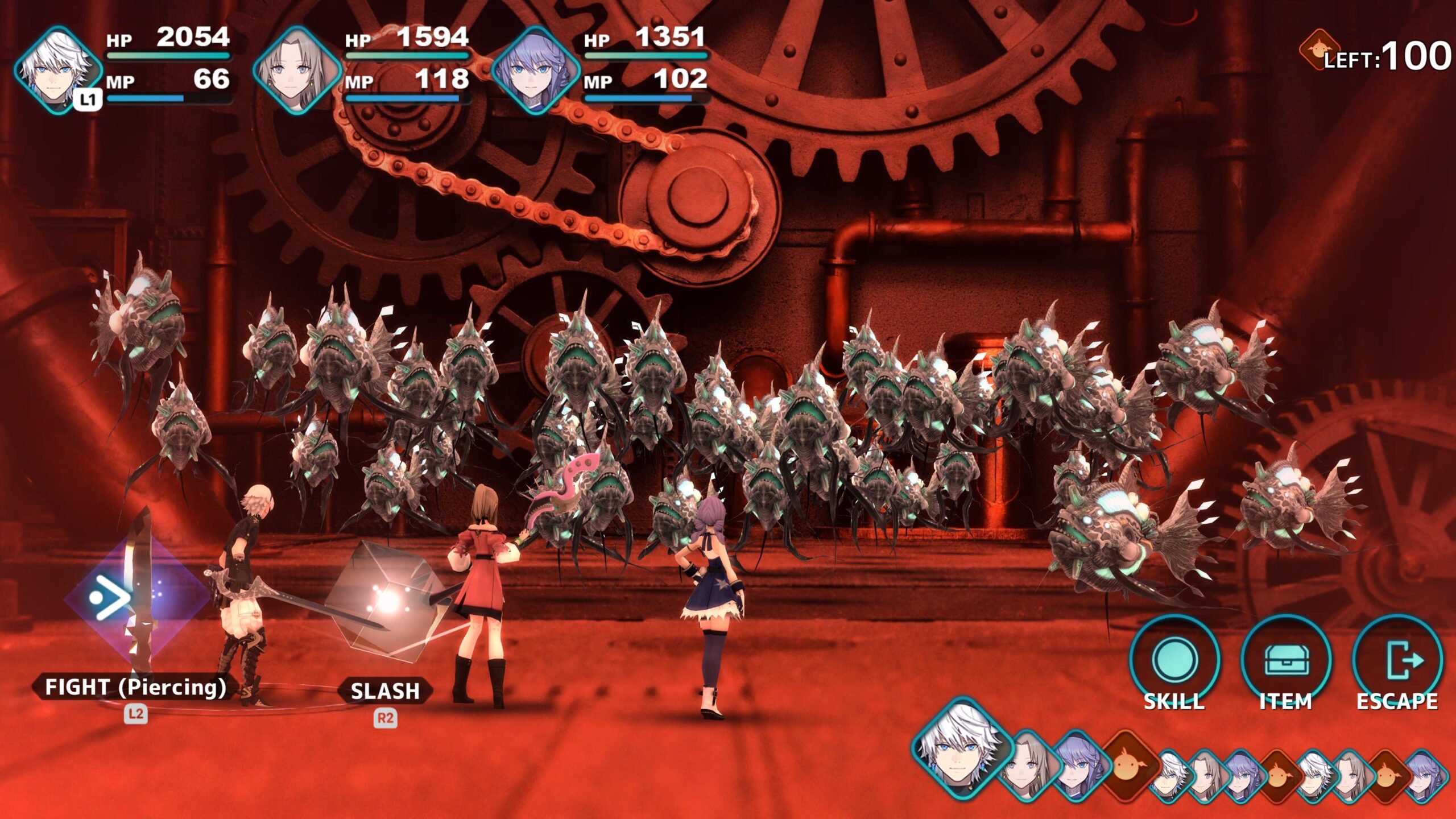
Ultimately I suppose that is my problem. I wouldn’t mind a bit of grinding if I felt like I was being rewarded with progress, but part two gets you to a place where you’re just beating your head against the wall for small rewards to get past things that by level are “weak” compared to you, despite them obliterating the party. I just don’t have the time or patience for that anymore. There’s a gem of a game here if a few small changes are made – don’t reduce XP for weak enemies, increase the levels of bosses to make them “correct”, make gear upgrade items more common, grant a bunch of SP when gaining access to the growth map – but this just could not stick the landing. Given the potential shown in the original release of part 1 it’s really just kind of a bummer.
Game Ramblings #201 – Xenoblade Chronicles X Definitive Edition

More Info from Nintendo

  • Genre: JRPG
  • Platform: Switch
  • Originally Available On: Wii U

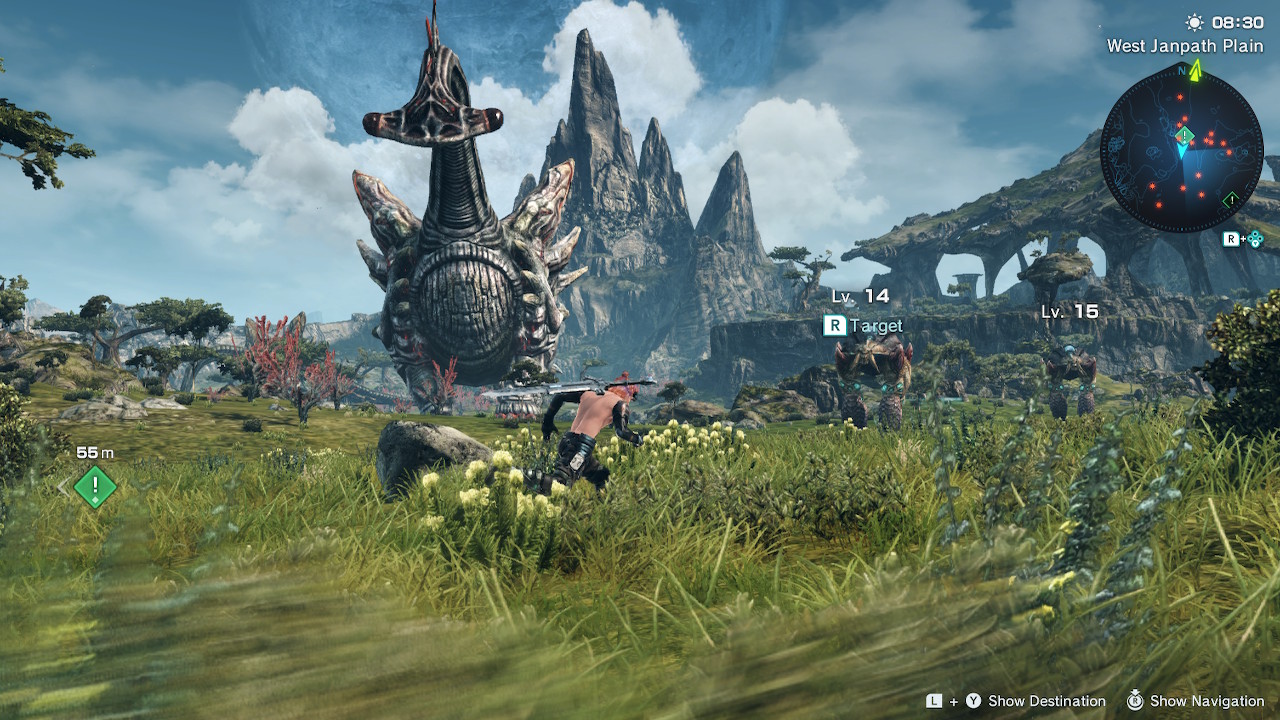
I never actually finished the original game. I hit some point where there was a huge difficulty spike and just couldn’t be bothered doing the grinding to get through whatever the block was for me. I don’t know if it was the platform being played on, other games coming out around then, or that this release got a rebalance but that was never a problem on this version. 95 hours later this game was an incredible joy to play.

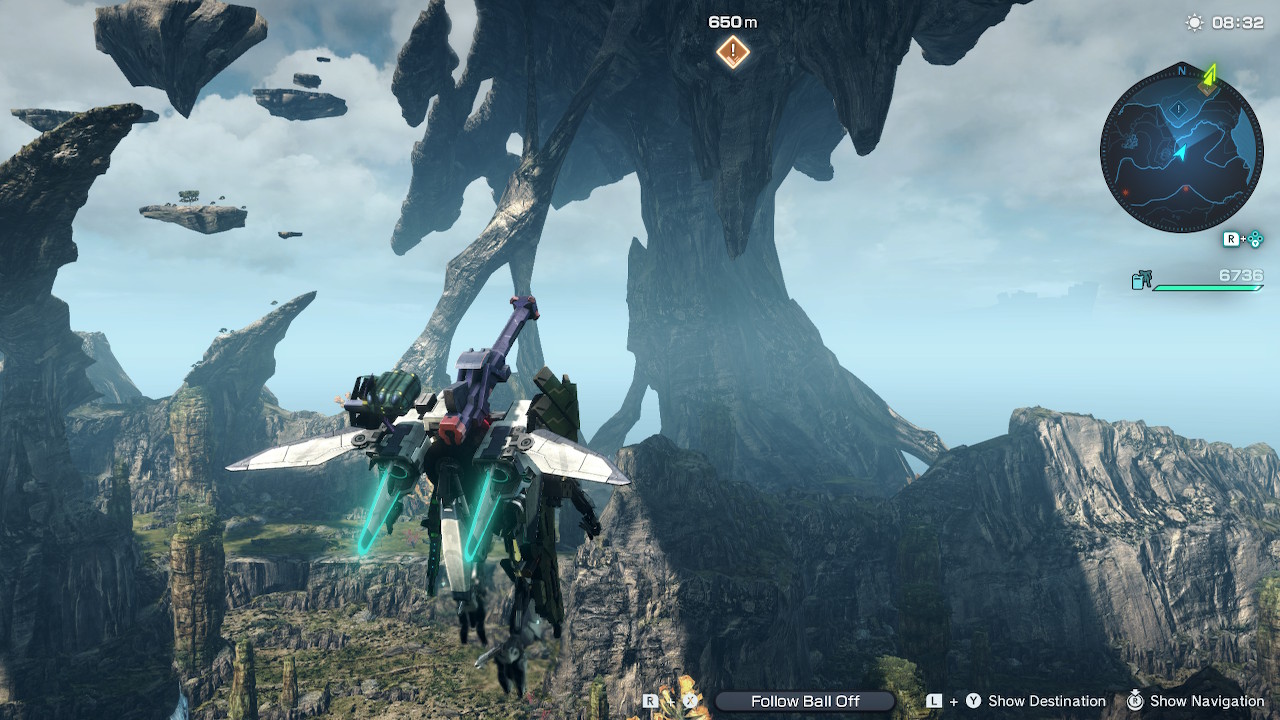
Playing this game now really is a series of “I don’t remember…” moments, but I suppose that comes with the nature of this being a 10 year old game that I didn’t finish. The first thing that really struck me was that I don’t remember it taking so long to get the mechs. I was at least 30 hours in before I got the mech and at least 50 hours in before the mech could fly. However, I don’t think that’s a bad thing. I spent so much time exploring on foot in ways that was absolutely fun and interesting.

The thing that struck me as impressive here that I didn’t remember is how much you can literally explore the entire world on foot relatively early in the game. Every zone has an entire level range of areas from low to high. However, high level enemies aren’t necessarily dangerous on foot because they will ignore you. They’re huge and level 60 and you’re effectively an ant. However, if you come back in a mech later on they absolutely attack you. What it did for me was allow me to just wander for the sake of wandering. Sure, I was also generally chasing some basic mission marker for extra XP or rewards, but it wasn’t like I was chasing a story mission. I was just wandering to see what was there and what I could find and generally doing it in areas that I wouldn’t get to in the story for dozens of hours. It was simply fun in the way that exploring the mainline Xenoblade games is fun, but in an even more open nature.

The thing I don’t remember about the original release is precisely where I shelved it. There’s a point about 2/3 of the way through the game where I think may have been it. In the fight I’m thinking of you fight what is effectively a gigantic floating fortress with a bunch of adds that spawn throughout it. It’s a bit of a fight of managing focus and a bit of a fight that is just checking your DPS, and it’s the one boss fight that I did manage to wipe in here.

In this release it felt appropriately hard but not impossible, and I think that feeling of balance being better exists throughout but I can’t really tell if that is a placebo effect. In classic Xenoblade fashion, balance is a wild mess of numbers that don’t really have any relation. A level 40 bug is different than a level 40 gorilla is different than a level 40 dinosaur is different than a level 40 flying blimp fish. You basically learn by dying what you should really be fighting, and the unfortunate thing about that is that there’s a lot of stuff that is hard to fight that earns you effectively no reward because it’s “low level” by the time you put up a fair fight. To me, that’s just Xenoblade and it’s a problem that every game in the series has had. The nice thing here though is that the game does a pretty good job of balancing the core golden story path to where if you’re at the level recommended in the quests, it feels appropriate. If you want a harder experience you go in slightly lower level. If you want an easier experience you go in slightly higher level. It all just works well, and that’s not something I remember of the original release. Frankly, it’s something that they didn’t really get that right until Xenoblade 2, and the remaster of this and XB1 show those learnings.

Tied into the balance thing is that I don’t remember doing as much of the “side” content in the original release, and frankly I don’t remember enjoying doing it either. In this release though, I was doing everything. I think some of that is tied into the fact that I was enjoying exploring in general. It’s easy to hit mission points incidentally when you’re just exploring anything and everything. However, I was also enjoying doing the little character side stories.

It struck me how important the character missions are to the actual plot of the game. Relative to the main entries, this is a very story light experience if you follow just the main story line. However, if you do the character stories – and importantly, are thorough in recruiting characters – you get a lot more world building. You get stories of how other alien races came to this world and are involved with the main antagonists of the game. You get back stories of how the humans got to know each other and ended up on the space ship that escaped Earth. You get to see the team building as it’s happening. In core Xenoblade games, these are things that kind of just happened as you played the game, but here are presented as side content, and I think the game experience is worse if they are treated like that by most players. There is a surprising amount of story content here if you go after it.

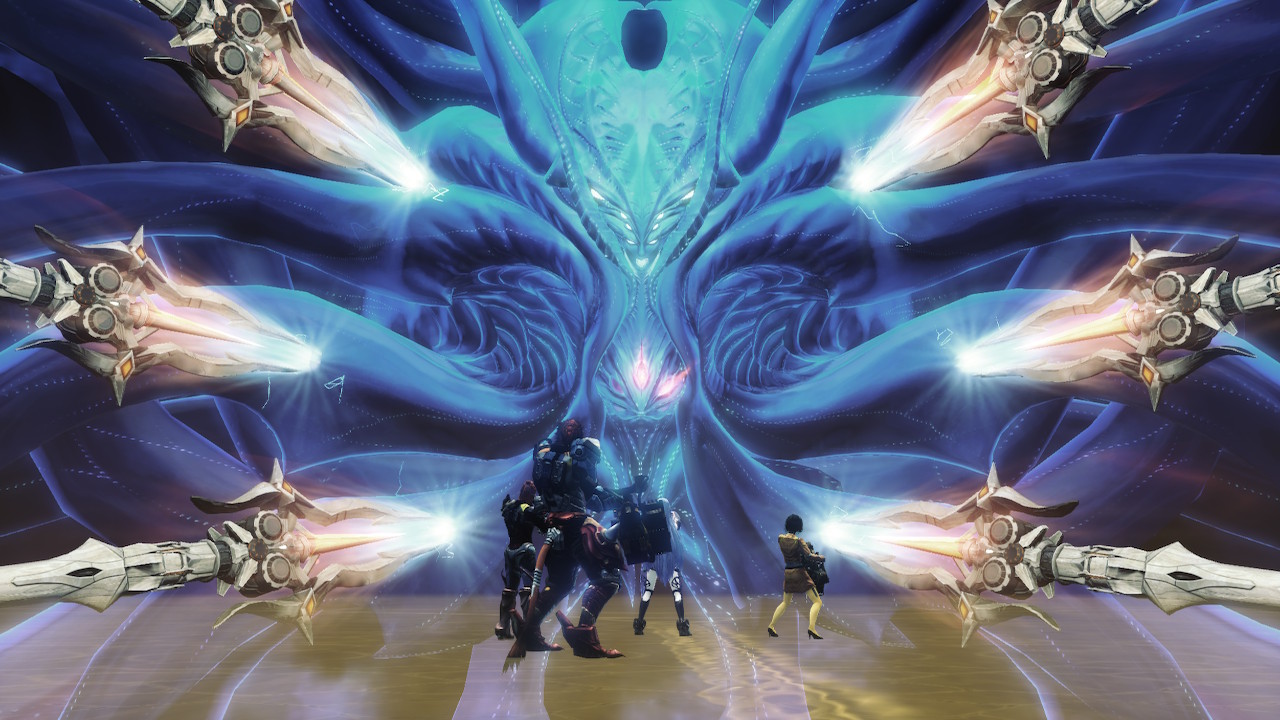
All that being said, the main draw for me was that there was new content in play here. It’s….fine. Ultimately the story portion of it was a better draw for me than the game portion. The game portion railroads you into a really long slog of a dungeon that takes place in a stereotypical JRPG floating island void and I could have gone without it. However, the story part closes a lot of plot holes that were never resolved in the original game and it sets them up for what now feels like an inevitable sequel and for that I suppose I’m thankful. I now want to see more of this style Xenoblade gameplay explored – although please change the combat inputs to be XC2 style instead of the hotbar. The mech gameplay is just such a fun experience that I don’t want to see them drop.

This remaster almost certainly exists because Monolith needed an excuse to do engine testing for the Switch 2 and Xenoblade 1-3 already existed on the Switch 1. If that is the justification for this existing, then hell ya. They wrapped the story of those games with 3, so opening up the story a bit here to maybe give them a path forward in the XCX story line on Switch 2 also feels like an absolute win. Regardless, I’m looking forward to seeing what they come up with going forward.

Game Ramblings #199 – Like a Dragon: Infinite Wealth

More Info from Sega

  • Genre: JRPG
  • Platform: PS5
  • Also Available On: PS4, Xbox One, Xbox Series, Windows

The original mainline Yakuza series showed a very distinct progression in the quality of its gameplay through the series. The PS2 entries were good, but the PS3 entries were clearly better, and the PS4 entries better still. The combat got more refined. The power curve of the player and enemies got smoother. Grinding was reduced and friction points were reduced. That’s where I feel like this one landed relative to Like a Dragon.

Sequels should be similar, but refined and this definitely fits the bill. In my ramblings about the original Like a Dragon I made note of a few places where the game felt grindy, and I think that’s as good a place to begin as any.

My first point about grinding was specifically around equipment. In the previous title, I felt like I capped out too early on purchases and crafting was too expensive. This game definitely addressed that. I hit the end of the crafting shop investment before end game, but because I still had plenty of gear to purchase out in the world I never really hit a point where I felt like I capped out there. The gear I had wasn’t necessarily end game and could be beneficial to upgrade more for optional content, but for the golden path it felt appropriate. The actual cost of everything was also lower overall combined with significantly higher drop rates. In the previous title I was getting 3-5k yen for near end game trash fights. Here I’m getting more like 50-100k yen in Japan and $1000+ in Hawaii. You are simply getting wildly more money to play with.

I also made note of needing to XP grind. There’s a few things that felt like they addressed that problem here. For one thing, bosses are simply more in line with the levels of everything around them. They aren’t wildly jumping ahead in levels compared to trash mobs, so I don’t have to overlevel just to be on even ground with them. In addition, trash mobs are giving significantly more XP – rather than 1-2k per fight, I’m getting more like 5kl or upwards of 20k for special repeatable world boss fights. It’s a huge difference in terms of time allocated to simply fighting, allowing me to spend more time doing “time waste” side content while also keeping up with the rest of the game.

The rest of combat is similar, but again at least feels more refined. The game still has combo attacks and follow-up attacks with your party, but at least compared to my memory they happen more often so the squad feels more like an actual squad with good interpersonal relationships that you built. MP-based attacks – and importantly, MP regen – feels more consistent, really pushing me to use them more often to take down squads quickly. There’s some cool expanded options around tag teams and huge specials that feel like they’re tuned to really nuke bosses quick, giving a really cool power fantasy and payoff to your squad’s growth. Basically, it’s similar but again feels more refined.

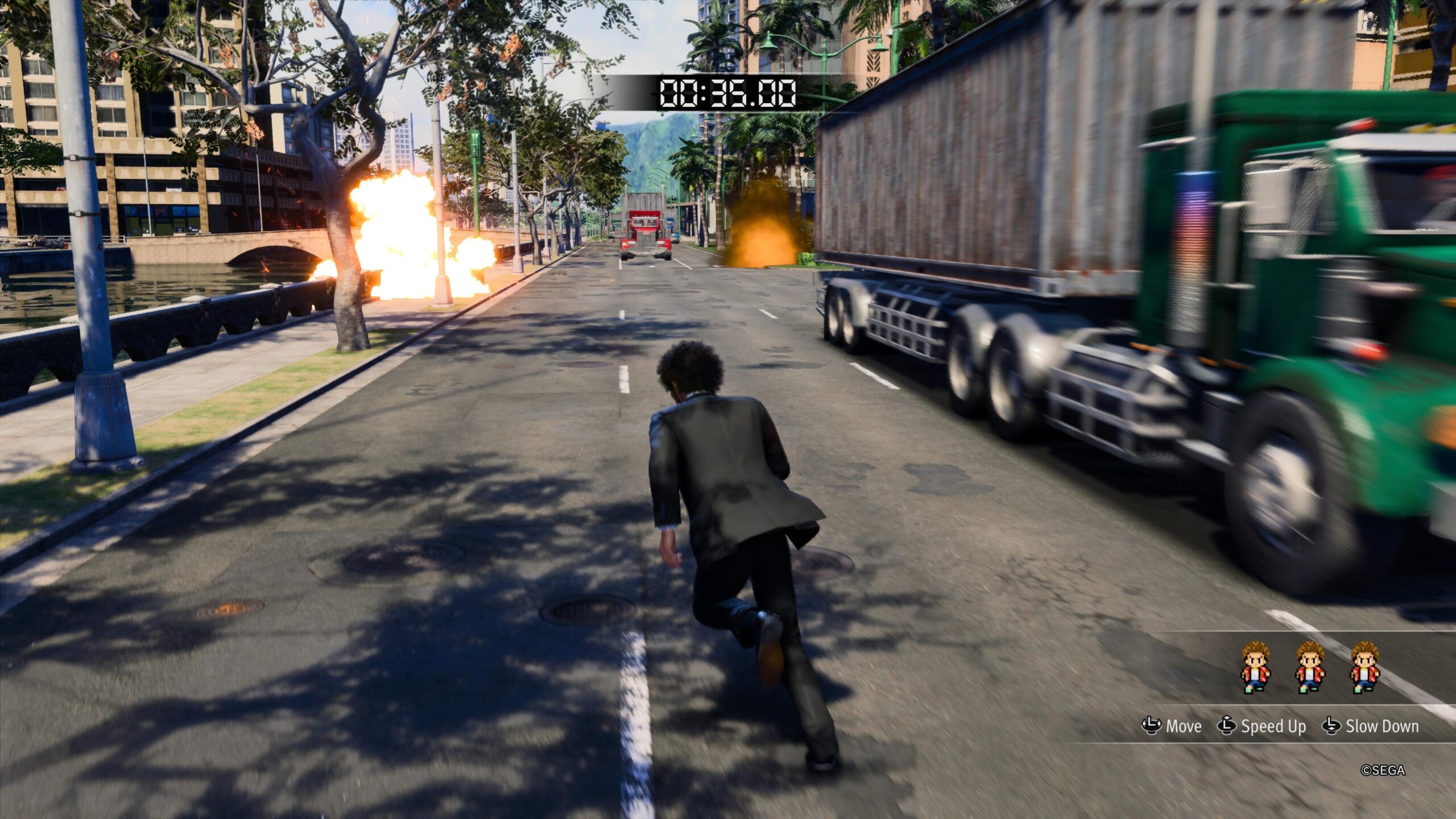
And because this is a Yakuza title, I have to talk about side content. I don’t think it’s quite as good as past entries, but there are two standouts that I need to talk about. The first is Crazy Delivery which is a straight food delivery ripoff of Crazy Taxi. It’s stupid, it’s bright and colorful, it fundamentally makes no sense, but it totally fits in this series.

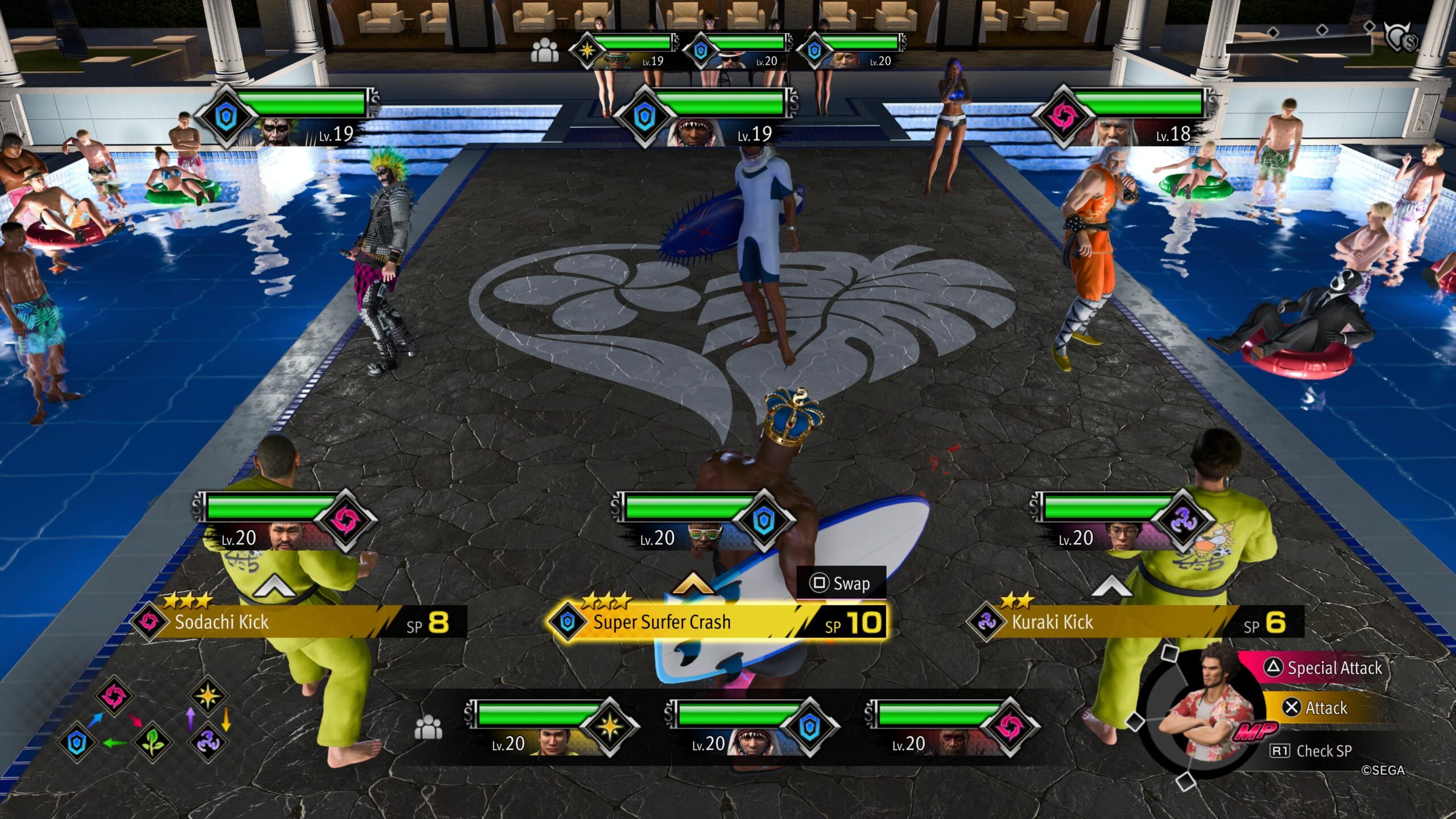
However, the standout is Sujimon. In the previous game it was basically a Pokedex-only system to collate the people you fought into a Sujidex. This game goes the full Pokemon treatment. You now capture Sujimon and add them to a party, with an entire set of Sujimon side quests. This goes the full Pokemon route with gym fights and badges, leveling, 3v3 battles, weaknesses and strengths, and an entire Pokemon Stadium side content block. It’s a completely ridiculous and over the top set of content, and frankly I would have spent more time on this than the main game if I wasn’t so hooked on the story.

I don’t really want to talk more about the game because I think the story is worth experiencing completely without spoilers, and it would be tough to talk more about the game without getting too deep into that side of things. However I can easily recommend this one. It takes what I thought was already a really solid JRPG transition for the Yakuza series and begins its iteration that the previous action-focused titles did. You can tell that they took feedback from the previous game seriously, and it shows that the next however many titles we get in this style are simply going to be instant plays.