- Genre: Action RPG/Sandbox Builder
- Platform: Switch 2
Having played Dragon Quest Builders 2, I knew roughly what I was getting into and where my expectations were. I figured I would effectively be playing the sequel to that game with a Pokemon covering. That’s definitely the bulk of what I got and those things tied to the IP were well integrated. However, what I also got that I didn’t expect was an incredibly dark story backing the setup to get us into the game, but we’ll get to that.
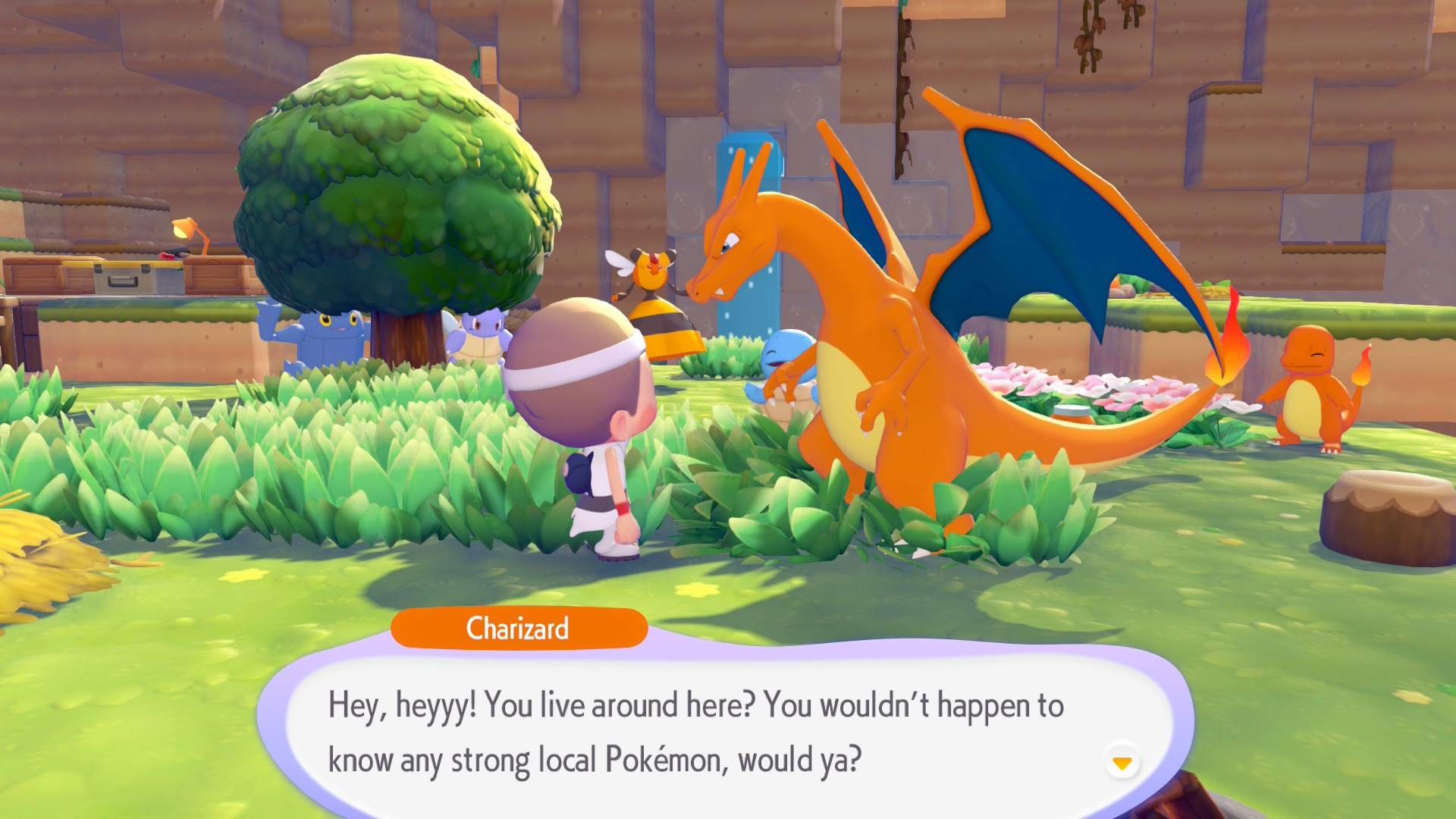
A lot of what made the building aspect of DQB2 work so well for me was indirectly carried over and it really settled me into the flow of the game.
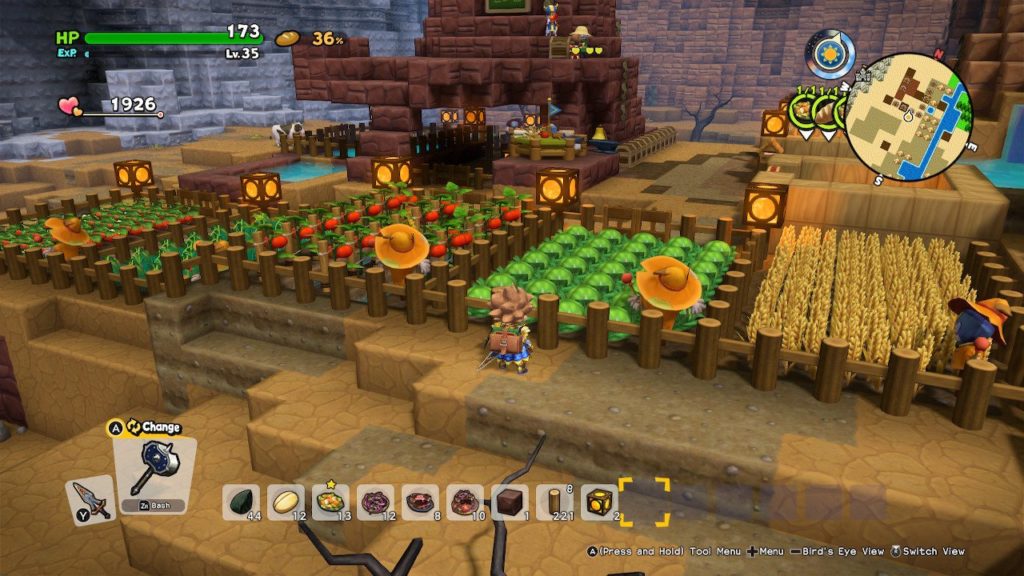
The big thing for me in DQB2 was that tasks could be automated – for example, you learn to farm and task a townsperson to continue doing that for you; you learn to cook a recipe and have a townsperson continue to do that – and that still exists in some respects here. Throughout the game you start getting Pokemon or placeable items that you can add resources to to automate production. For example, Scyther can turn wood into boards if you give them to him. If you create a smelter, you can add raw ore to it to get ingots if you have a fire Pokemon. If you give clay to a fire Pokemon they can create bricks. If you put limestone in a mixer you can have a Pokemon with the Crush ability make concrete. These are all little tasks that can be done to get advanced resources. The big change from DQB2 is that the player cannot do these on their own and must have recruited the Pokemon associated with the task.
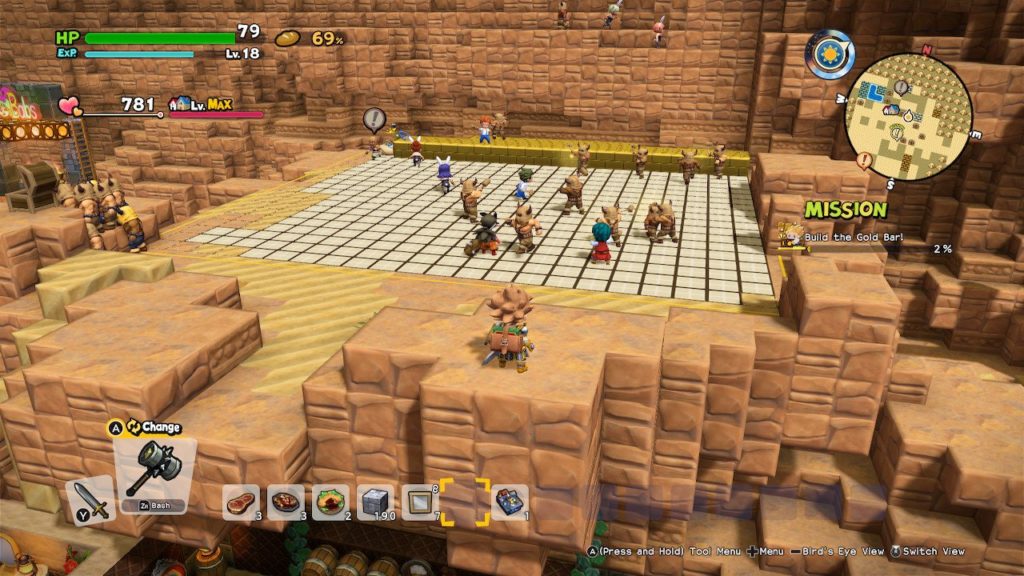
There’s a similar aspect to building that comes over here, but again in a slightly less automated way. In DQB2 you can setup builds and apply townspeople to them, but the rest of automation allows things to kind of continue on in the background while you go do anything else. Here, you setup the build, bring all the resources, recruit Pokemon with specific specialties, then set them about building the thing.
It’s a little bit more player directed, but also less automated. In a lot of ways this kind of bugged me early on as it felt like I had to be a little bit too involved with my individual Pokemon and steering them to start things for me. However, over time I kind of got used to just bringing Pokemon resources and things to do and assuming that over time they would naturally get around to handling the tasks for me and being less focused on one specific thing to do now and more on doing a wide range of tasks over time. I can easily be running around building out habitats for Pokemon or cleaning up junk or building paths or shaping the environment and by the time I get back around to the resources I need to build some story thing they’re kind of just there. It ended up steering me more into the sandbox nature of the genre than I think I typically would have been comfortable with.
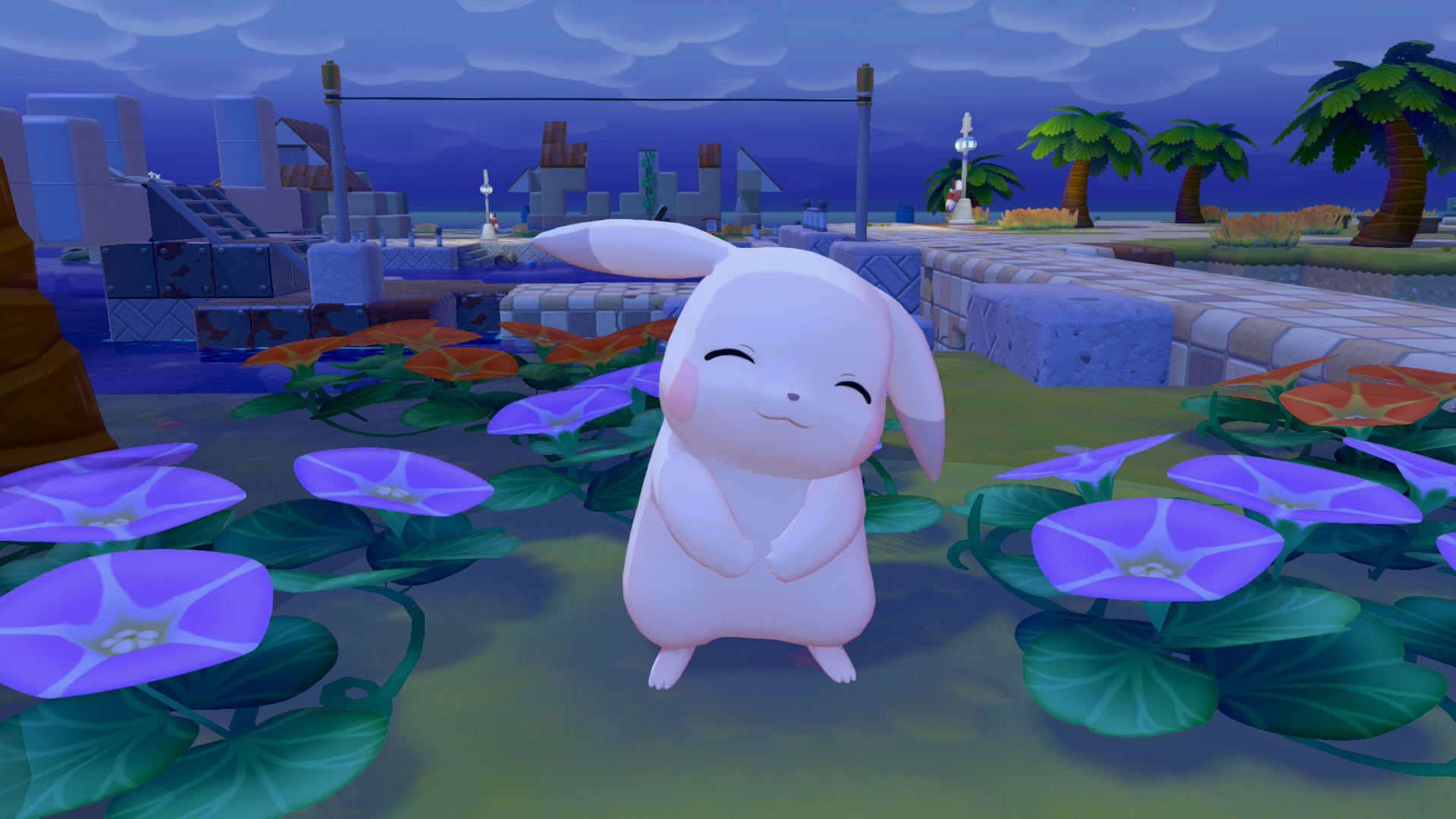
A lot of the systems are kind of that way. They’re similar to DQB2, but less automated and more player directed. Where the focus has instead changed is very well oriented with the Pokemon IP. Your focus is instead on creating environments to pull Pokemon into your towns.
Every Pokemon in this game has some habitat that it wants to live in. It may be a simple four square patch of grass, or maybe it’s flowers and a shade tree, or maybe it’s a vegetable garden, or maybe it’s a volcanic rock next to lava, or maybe it’s a perch on the edge of a cliff, or maybe it’s a patch of grass that is also next to the ocean, or maybe it’s a patch of moss that is also next to a hot spring. The point being is that the player’s focus is on very specific micro tasks to bring new Pokemon into your town, and specifically because you need a variety of Pokemon to get everything done.
There’s about 30 abilities in the game and having a wide variety of them is extremely important. Some are pretty generic and end up being used across all your towns. It may be something like Burn to light campfires used to recruit certain Pokemon or Chop to create Lumber or Fly to allow you to fast travel to specific Pokemon. Some are instead pretty directly tied to the story like Rotom’s DJ ability to play music for a town party or Tinkmaster’s Engineer ability used to build a large story-focused building. Making sure that you recruit a wide range of abilities ends up being a more driving factor for your towns than the automation of DQB2 as it makes it far easier to tailor your current needs to the area you’re in if you have the ability to task any Pokemon there to do something for you. It’s also the thing that is so obviously tied to the IP as the abilities at play, how to recruit Pokemon, and ultimately getting that “collection” of Pokemon in your towns is the most Gotta Catch em All tie-in that the game has.
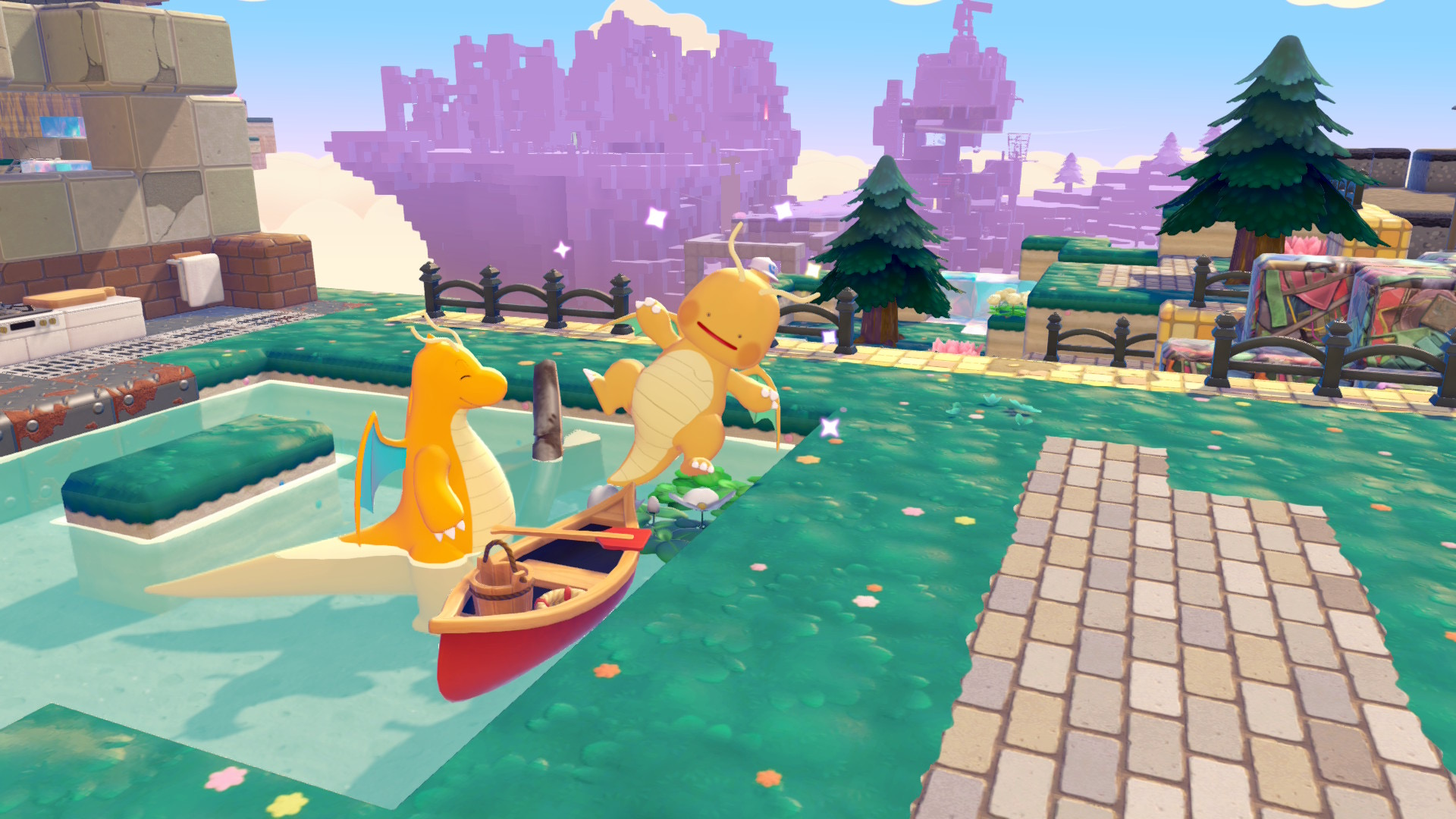
The one omission that did surprise me is that there was no battling. Pokemon is about collecting but it’s also about battling and the lack of it kind of points right into the overall plot. Do Pokemon battle because they’re told to or because they naturally do? Without humans, is this coexistence kind of their natural state?
So then, let’s look at the story itself. It’s dark if you actually read into it.
The TL;DR version is that this is the world of Pokemon, largely taking place in Gen 1 ruined cities, and all humanity has left Earth because the environment was destroyed. Rather than taking their Pokemon with them to space, they left them in the existing PC storage infrastructure in the event they could ever return back to the planet’s surface. During this process a hacker put in place safety checks to automatically release Pokemon if the return to the surface took too long and the environment improved enough to support Pokemon existing.
This kind of implies a few things. For one, humanity left and never came back and it’s not really specified how long this has been. Everything being ruins implies at least decades, if not centuries, and humanity existing at all is only finally confirmed in the credits sequence. It also implies that Ditto is a freak and can kind of exist anywhere, and that it was kind of lucky that Ditto happened to come out around the same time that Tangrowth also did, leading into the player starting to improve the world. It implies that the player setting up habitats for Pokemon isn’t actually recruiting wild Pokemon because they all likely were killed by the natural disasters but instead is setting up habitats in a way that the PC storage system finds candidate Pokemon to release back into the wild. The fact that humans were not accessing their Pokemon in space also implies that humanity is far enough away that they literally cannot and do not have access to Earth’s systems and they kind of just left it all behind. All throughout the game it’s hammered into the player that the Pokemon miss their humans, and the game resolves by basically showing that humanity will not know about the Pokemon fixing the environment for long enough that it’s unlikely the Pokemon are still alive. On the surface this just looks like a cute Pokemon game, but the lore ends up being horrifying to think about.
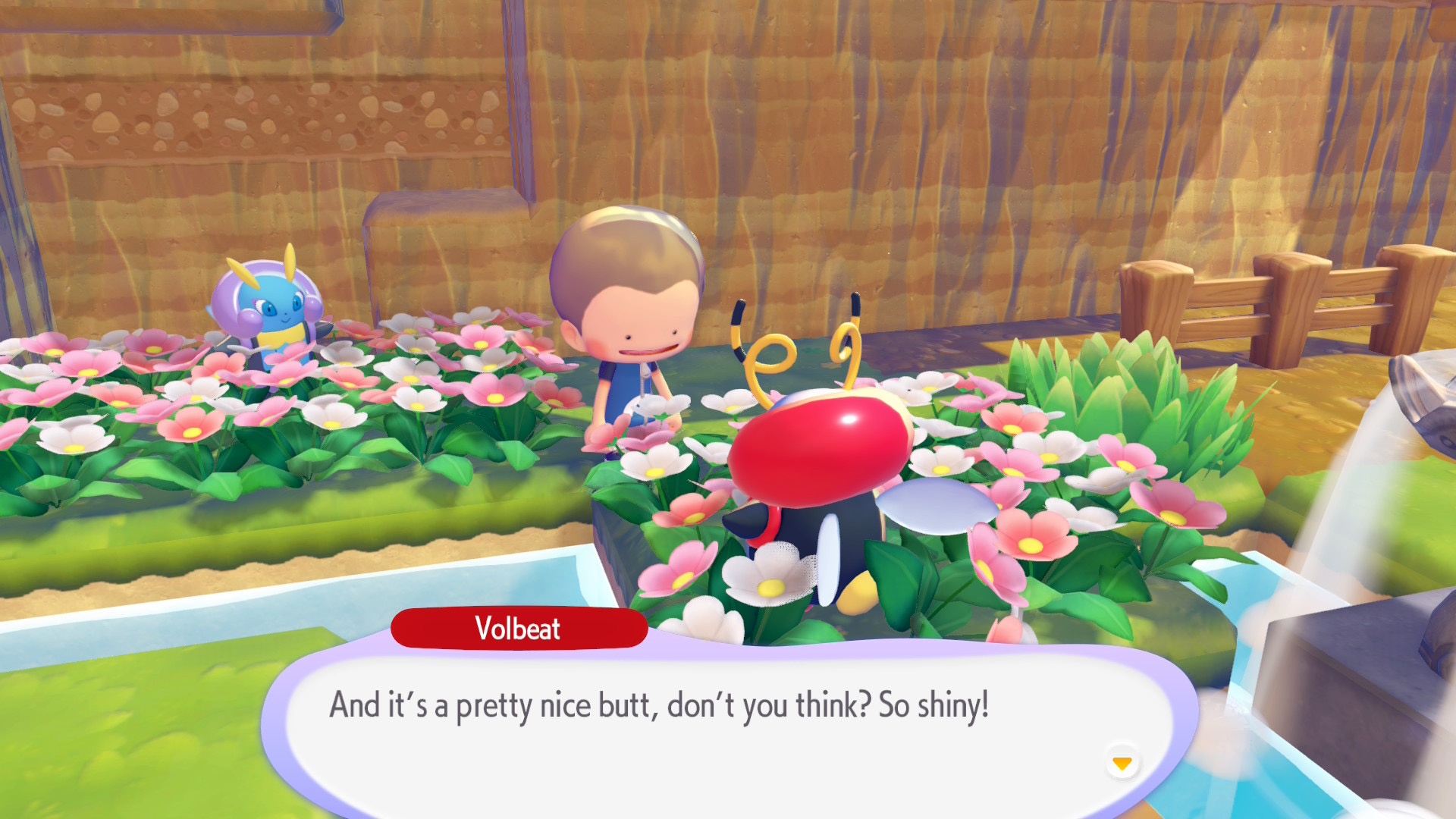
Like the Pokemon Legends games, this is a breath of fresh air for Pokemon. It’s very obviously Dragon Quest Builders 3 in a different IP, but it works pretty seamlessly. It takes systems that worked from that series, morphs them a bit to fit into collecting Pokemon, and hits a really good balance of IP nostalgia and solid core systems that are slightly pushed in a direction that fits Pokemon better. Frankly, it also fills a hole left by the lack of a new Animal Crossing game. It’s just a really solid game.